Categories
Beyond

Gold tops ₹1.56 lakh, Silver near ₹2.70 lakh

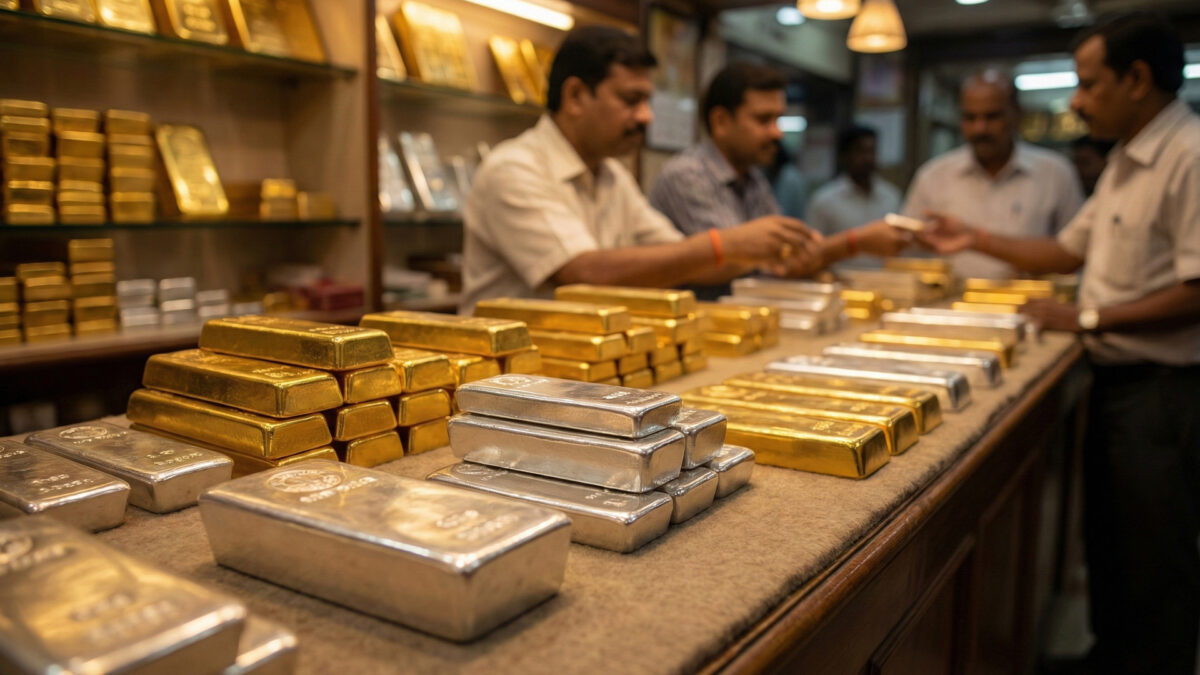
Gold prices registered a slight increase in the domestic market on Thursday, with the metal trading at ₹1,56,500 per 10 grams, up by ₹10 from the previous session. Silver also moved higher, gaining ₹100 to ₹2,70,100 per kilogram, reflecting a modest but steady trend in the bullion segment.

The rise in gold prices was seen across major cities, with 22-carat gold priced around ₹1,43,450 per 10 grams, while retail rates varied marginally depending on local levies and jewellers’ margins. Chennai continued to record higher price levels compared to Delhi, Mumbai and Kolkata, in line with its traditional premium in bullion trade.

Silver prices remained largely uniform in key markets, trading close to ₹2.70 lakh per kg. Market participants attribute the metal’s firmness to consistent industrial demand and supportive international trends.

Analysts say the domestic bullion market is closely tracking global signals, particularly the movement of the US dollar and international gold rates. The yellow metal continues to draw interest as a safe-haven investment amid ongoing economic uncertainties, which has helped prices remain near elevated levels despite only small day-to-day changes.

Jewellers noted that retail buying is steady, supported by the ongoing wedding season and long-term investment demand. However, high prices have prompted many customers to opt for lighter jewellery or staggered purchases instead of bulk buying.

While the latest increase is marginal, bullion prices have remained significantly higher compared to previous years, underlining the strong underlying sentiment in precious metals. Traders expect the market to remain range-bound in the near term, with any sharp movement likely to be driven by global macroeconomic data, inflation trends and central bank policy signals.

Also Read: Sensex jumps 400 points, Nifty nears 25,600
Categories
Beyond

Trump’s first Japanese investments under $550 bn trade pact

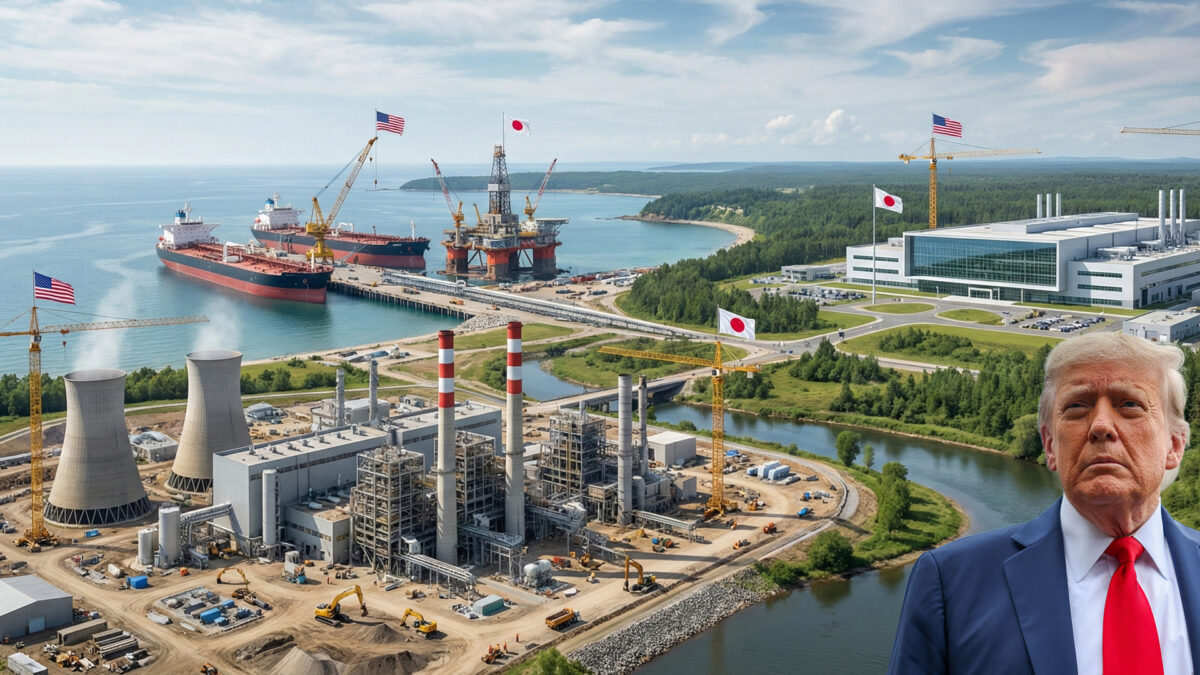
US President Donald Trump has unveiled the first set of Japanese investments in the United States under the recently signed bilateral trade pact, marking the operational rollout of Tokyo’s massive $550-billion financial commitment to the American economy.

The opening tranche, estimated at about $36 billion, is centred on energy, critical minerals and high-technology manufacturing—sectors that both countries consider crucial for economic security and resilient supply chains. The projects are expected to generate employment, strengthen industrial capacity and reduce dependence on imports in strategically important areas.

The largest investment is a $33-billion natural-gas-based power project in Ohio. The plant, to be developed by SB Energy, a unit backed by SoftBank Group, is designed to produce around 9.2 gigawatts of electricity. It is expected to support the fast-growing power demand from data centres and artificial-intelligence infrastructure in the United States.

Another key project is a $2.1-billion deep-water oil export terminal off the coast of Texas, which will expand the country’s energy export capability. In addition, a $600-million synthetic industrial diamond manufacturing facility will be set up in Georgia. The unit will produce critical materials used in semiconductors and advanced electronics, helping to cut reliance on overseas supplies.

Under the broader agreement, Washington has agreed to reduce tariffs on Japanese imports, while Japan will fund industrial and infrastructure projects through a combination of equity investments, loans and financial guarantees. The initiative is also aimed at giving Japanese companies greater access to the US market while reinforcing the strategic alliance between the two nations.

Japanese Prime Minister Sanae Takaichi said the investments would deepen economic cooperation and enhance long-term security for both countries. More projects are expected to be announced in phases as the two sides move to implement the full investment framework.

Also Read: Sarvam Kaze, India’s multilingual answer to Meta ray-ban

Categories
Beyond

UK inflation drops to 3%, rate cut hopes rise

In a welcome break for millions of households, inflation in the United Kingdom has fallen to 3% in January, its lowest level in almost a year. The latest data from the Office for National Statistics shows that the sharp rise in everyday expenses is finally slowing, helped by cheaper fuel, lower airfares after the festive season and a gentler increase in food prices.

For families who have spent the past few years carefully balancing budgets, the change is more than just a number. Lower petrol prices mean less strain on commuting costs, while a slower rise in grocery bills offers some breathing space at the checkout. The easing of transport and food costs has been the biggest contributor to the overall decline in inflation.

The development has also sparked fresh optimism in financial markets. With price pressures cooling, expectations are growing that the Bank of England could begin cutting interest rates in the coming months. A reduction would be significant for homeowners facing high mortgage payments and for businesses struggling with expensive borrowing.

Yet, the picture is not entirely worry-free. Some underlying costs, especially in the services sector, are still rising faster than the central bank would like. This means policymakers are likely to move carefully, ensuring inflation continues to fall towards the 2% target before taking decisive action.

Economists believe inflation could edge closer to that goal by spring if global energy prices remain stable and wage growth cools. At the same time, signs of a softer job market are increasing the pressure on the central bank to support economic growth.

Also Read: Ashwini Vaishnaw opens WAVES Creators’ Corner at India Summit

Categories
Beyond

Ashwini Vaishnaw opens WAVES Creators’ Corner at India Summit

Union Minister Ashwini Vaishnaw inaugurated the WAVES Creators’ Corner at the India AI Impact Summit 2026, marking a significant step in the government’s strategy to position India as a global hub for AI-driven media and entertainment production.

Conceived as a live innovation workspace rather than a conventional exhibition, the platform brings together 51 startups from the AVGC-XR and media-tech ecosystem supported by WaveX. These firms are showcasing business-ready solutions ranging from prompt-to-cinema production pipelines and real-time gaming engines to agentic AI-powered newsroom automation, highlighting how artificial intelligence is reducing production costs and accelerating content creation cycles.

The pavilion also featured advanced technologies including multilingual AI interfaces and voice cloning solutions by Sarvam, immersive 270-degree film presentations curated by the National Film Development Corporation, digital face and voice re-ageing by Sony Research India, and marker-less motion capture built on consumer devices. The presence of global companies such as Adobe, Netflix, Sony and Amazon alongside early-stage startups reflected growing enterprise interest and collaboration opportunities in India’s creative technology value chain.

During his interaction with founders, including winners of the Bhasha Setu and Kalaa Setu challenges, Vaishnaw emphasised that AI is democratising content creation and enabling entrepreneurs from smaller cities to build globally competitive products. In a fireside conversation with Shradha Sharma, he underlined that the combination of policy support, talent and technology could unlock a new wave of digital entrepreneurship.

The initiative is closely linked with government programmes such as Waves Bazaar and the Create in India challenges, which aim to provide market access, funding pathways and international visibility for domestic creators.

A strong skilling component also runs through the project. The integration of AI into creative curricula by the Indian Institute of Creative Technology is expected to align the talent pipeline with future industry demand.

Also Read: Indian Railways tests LNG-powered DEMU trains

Categories
Beyond

Gold nears ₹1.53 lakh, silver tops ₹2.35 lakh

Gold and silver prices moved higher in domestic futures trading on February 18 as investors returned to bullion after the previous session’s fall.

On the Multi Commodity Exchange (MCX), gold contracts for April delivery climbed close to ₹1.53 lakh per 10 grams in early trade, gaining more than 1 per cent. Silver performed even better, rising over 2 per cent to trade above ₹2.35 lakh per kilogram. The rebound came after both metals had witnessed profit-booking and sharp corrections earlier.

In the international market, gold recovered from lower levels as investors continued to treat the metal as a safe-haven asset amid geopolitical tensions and uncertainty over the US Federal Reserve’s future rate decisions. Silver also bounced back in global trade, helping domestic prices strengthen.

Analysts said the current uptrend is being driven by bargain buying at lower levels and strong underlying demand. India’s ongoing wedding season has kept jewellery purchases steady, while recent data showing a sharp rise in gold and silver imports indicates robust consumption as well as investment interest.

However, market experts believe volatility will persist in the short term. Movements in the dollar index, global bond yields and fresh cues from international economic developments are likely to influence bullion prices. Any strengthening of the US currency could limit sharp gains.

Traders are therefore adopting a cautious strategy, preferring to buy on dips while booking profits at higher levels.

Also Read: Sensex dips 100+ points, Nifty slips under 25,800

Categories
Beyond

NGT approves Great Nicobar Island mega project

The National Green Tribunal (NGT) has given the green light to the ₹80,000‑crore Great Nicobar Island mega infrastructure project, dismissing petitions that challenged its environmental clearance. The tribunal cited the project’s strategic importance for India and found that adequate safeguards had been put in place to protect the island’s fragile ecosystem.

A six‑member bench, led by Justice Prakash Shrivastava, reviewed petitions from environmentalists and activists, including Ashish Kothari, who raised concerns over forest diversion, impact on coral reefs, and threats to indigenous communities such as the Shompen and Nicobarese tribes. The tribunal noted that a high‑powered committee in 2023 had examined these issues and confirmed sufficient protections under the 2022 environmental clearance (EC).

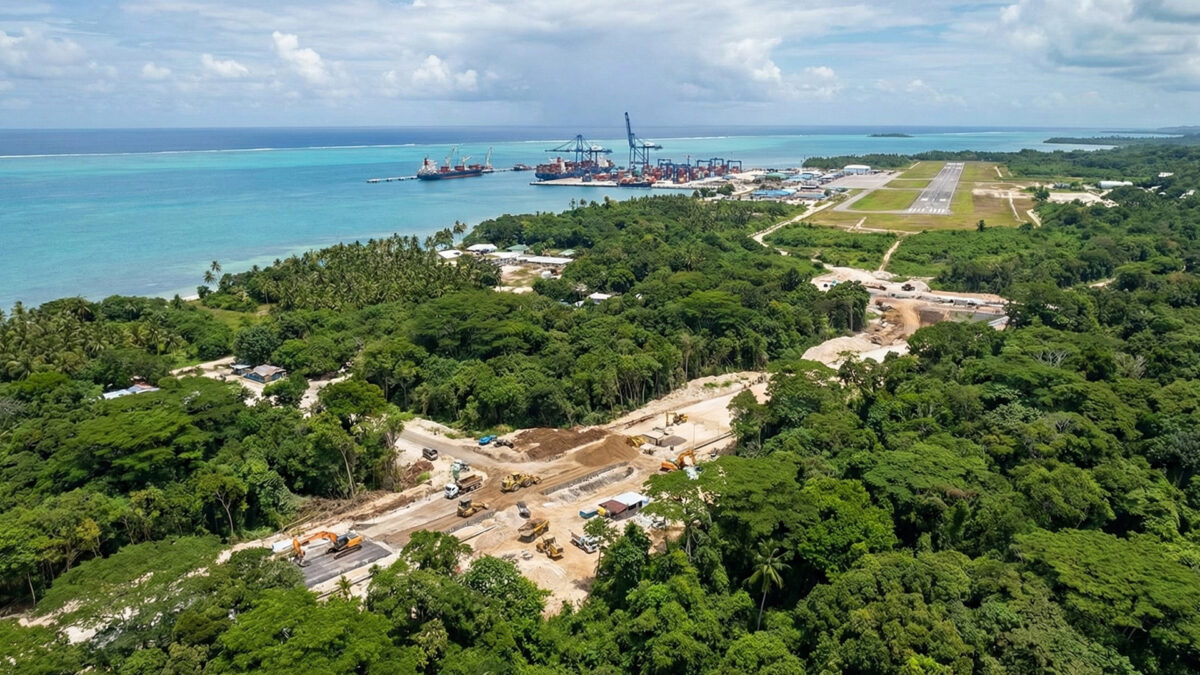
The project spans 166 sq km and involves the diversion of roughly 130 sq km of forest land. Key components include a container transshipment port, a dual-use airport, an integrated township, and a 450 MVA power plant using gas and solar energy.

The NGT emphasized that authorities must ensure full compliance with EC conditions, including conservation of coral habitats, protection of sandy beaches critical for marine species, and safeguarding key wildlife such as the leatherback sea turtle, Nicobar megapode, and Nicobar macaque.

While the tribunal recognized environmental concerns, it highlighted the project’s role in strengthening India’s strategic presence in the Indian Ocean region and near the Strait of Malacca, a major global shipping corridor.

Although the NGT ruling removes legal barriers at the tribunal level, activists may still approach higher courts.

Also Read: YouTube faces global outage, millions affected

Categories
Beyond

AI and biologics set to transform India’s pharma Industry

India’s pharmaceutical industry is turning to artificial intelligence (AI) and biologic drugs to make medicine development faster, cheaper and more innovative.

Major companies are now using AI to study huge amounts of medical and scientific data. This helps them find new drug targets quickly, design better clinical trials and reduce the long trial-and-error process in research. As a result, the time and money needed to develop a new medicine can come down significantly. The move is important as Indian firms try to go beyond their traditional focus on low-cost generic medicines and enter the high-value innovation space.

At the same time, biologics and biosimilars are becoming a key growth area. These are complex medicines used to treat diseases such as cancer and autoimmune disorders and are in high demand globally. Indian companies are investing in this segment so they can capture a larger share of the global market while continuing to supply affordable generics.

Hyderabad is emerging as a major centre for this change. The city is seeing new investments in research facilities, global capability centres and AI-based healthcare technology. This is helping create skilled jobs and strengthening India’s position in life-sciences innovation.

Experts say AI can improve not only drug discovery but also manufacturing, supply chain planning and demand forecasting. This will make the industry more efficient and competitive worldwide.

However, some challenges remain. The sector needs more funding for research, faster regulatory approvals and a stronger system that rewards companies for developing new drugs. Industry leaders believe India must move from a low-cost model to an innovation-driven model to stay ahead globally.

Also Read: PM Modi says India ready to lead global AI era

Categories
Beyond

PM Modi says India ready to lead global AI era

Prime Minister Narendra Modi has positioned India as a major force in the rapidly evolving global artificial intelligence landscape, describing AI as a “civilisational inflection point” that will reshape economies, governance and daily life.

Speaking at the India AI Impact Summit, he said India’s AI strategy is built on inclusion, innovation and technological self-reliance, with a focus on ensuring that the benefits of the technology reach all sections of society. He underlined that AI should not remain in the hands of a few countries or corporations but must serve humanity at large.

The Prime Minister highlighted that India’s digital public infrastructure has created a strong foundation for developing affordable and scalable AI solutions. This model, he said, can support not only domestic growth but also offer pathways for other developing nations.

Addressing concerns over job losses, Modi said the emphasis is on skilling and reskilling the workforce to prepare for new opportunities in an AI-driven economy. Rather than replacing human effort, he noted, AI will enhance productivity and improve outcomes in sectors such as healthcare, agriculture, education and public service delivery.

He also pointed to India’s young talent pool, vibrant startup ecosystem and expanding computing capacity as key strengths that will help the country transition from being a technology adopter to a global technology creator.

Calling for responsible innovation, the Prime Minister stressed the importance of ethical, transparent and bias-free AI systems. He urged greater international cooperation to develop frameworks that ensure safety, trust and equitable access.

The summit brought together policymakers, industry leaders and researchers from across the world, reflecting India’s ambition to shape the global AI agenda while using the technology as a tool for inclusive growth and social transformation.

Also Read: Adani Ports ties up with Marseille Fos for IMEC corridor

Categories
Beyond

Rupee gains 5 paise in early trade, hits 90.67 per dollar

The Indian rupee appreciated by 5 paise to 90.67 against the US dollar in early trading on Wednesday, helped by easing global crude oil prices and fresh buying by foreign institutional investors (FIIs).

The domestic currency opened stronger at the interbank foreign exchange market and briefly touched 90.60 per dollar before trimming some of its gains. It had ended the previous session 2 paise higher at 90.72.

Forex dealers said the fall in international oil prices supported the rupee as it reduces India’s import burden and lowers demand for the US currency. At the same time, renewed foreign fund inflows into Indian markets improved liquidity and boosted sentiment in the forex market.

Despite the early strength, the rupee could not hold on to its peak levels due to a stronger dollar overseas and a muted trend in domestic equities, which weighed on investor confidence. The dollar index remained firm against major global currencies, capping sharp gains in the local unit.

Market participants expect the rupee to trade in a narrow range in the near term, as global factors continue to drive currency movements. Fluctuations in crude oil prices, the direction of foreign capital flows and the performance of Indian stock markets are likely to remain key triggers.

Also Read: Gold at ₹1.51 lakh, silver at ₹2.34 lakh

Categories
Beyond

Gold at ₹1.51 lakh, silver at ₹2.34 lakh

Gold has declined about 16% to nearly ₹1.51 lakh per 10 grams from its recent highs, while silver has crashed around 38% from close to ₹3.8 lakh to about ₹2.34 lakh per kg. The correction, instead of triggering a rush to jewellery stores, has led to cautious sentiment as buyers expect prices to soften further before making purchases.

In the physical bullion market, gold in Delhi was quoted at around ₹1.57 lakh per 10 grams, down about 1.4%, while silver slipped over 2% to nearly ₹2.45 lakh per kg. Futures on the Multi Commodity Exchange (MCX) also mirrored the weak trend, reflecting subdued participation from both retail investors and traders.

Jewellers across major cities have reported low footfall despite the price drop. According to trade sources, customers are tracking the market closely but postponing purchases in the hope of a deeper correction. The sharp volatility seen after months of record-breaking rallies has made buyers cautious and more price-sensitive.

The fall in domestic prices follows weak global cues. A stronger US dollar, profit-booking after the earlier surge, easing geopolitical tensions and thin Asian market volumes have reduced the safe-haven demand for precious metals. These factors have collectively put pressure on bullion rates.

Analysts believe the current decline comes after an extraordinary rally through 2025 and early 2026, when both gold and silver scaled historic highs. The ongoing slide is being viewed as a phase of consolidation rather than a long-term reversal.

Also Read: Sensex drops 100 pts, Nifty slips below 25,700