The Securities and Exchange Board of India (SEBI) is taking steps to strengthen the country’s non‑agricultural commodity derivatives market. Chairman Tuhin Kanta Pandey said SEBI will soon set up a working group to review how these markets function and suggest improvements. The move is aimed at increasing market depth, participation, and efficiency, while keeping investor protection intact.
The panel will examine key aspects such as margin rules, position limits, settlement processes, and delivery mechanisms. Its goal is to identify ways to make trading smoother and more transparent, helping both businesses and investors manage risk better. Recommendations from the working group will guide SEBI’s future policy changes.
India already has expert committees studying agricultural commodity derivatives, which have been successful in suggesting measures to deepen participation and improve risk management. SEBI plans to apply similar insights to non-farm commodities, where trading has been growing but liquidity remains a challenge.
SEBI is also in talks with the Reserve Bank of India (RBI) and the Insurance Regulatory and Development Authority (IRDAI) to allow banks and insurance companies to trade in these markets. Greater institutional participation is expected to improve liquidity, enhance price discovery, and make hedging more efficient.
Another key focus is addressing GST-related hurdles that currently complicate delivery and settlement of commodities on exchanges. SEBI is working with the central government to resolve these issues, aiming to better connect derivative markets with physical trading.
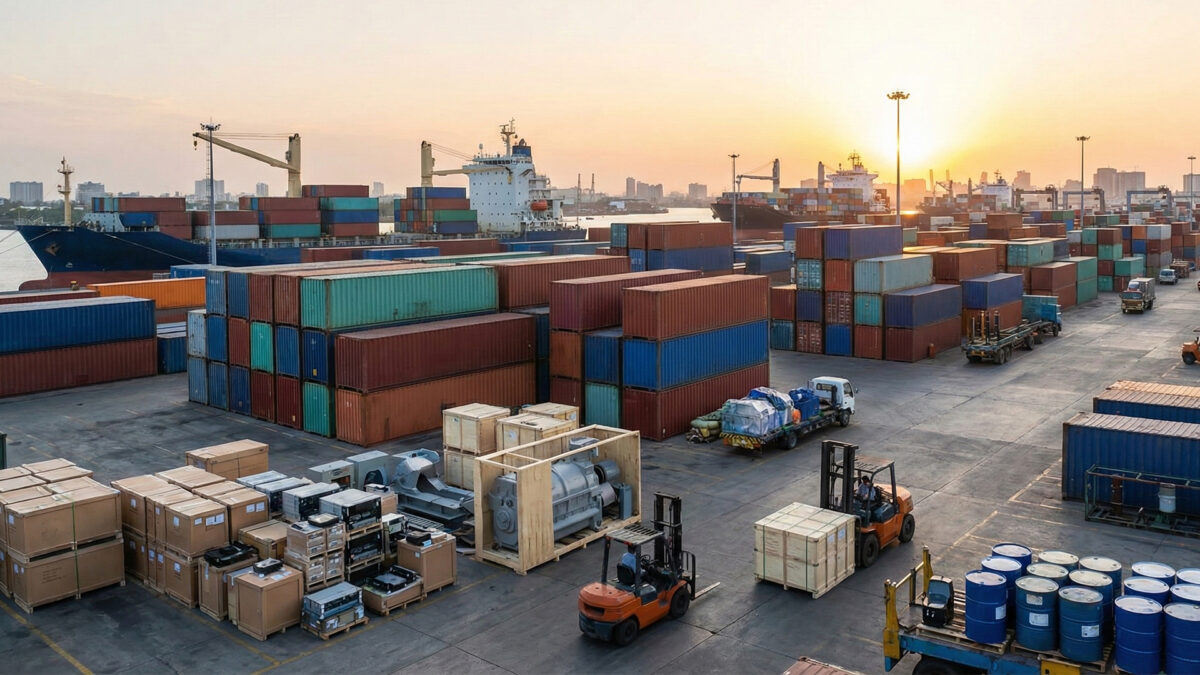
The regulator’s move comes at a time of rapid growth in India’s commodity derivatives space. SEBI now oversees over 100 notified commodities, with active trading in many contracts. As the market expands, the working group’s recommendations are expected to make trading easier, safer, and more attractive for investors and businesses alike.
Also Read: Elon Musk net worth nears $750 billion