Categories
Beyond

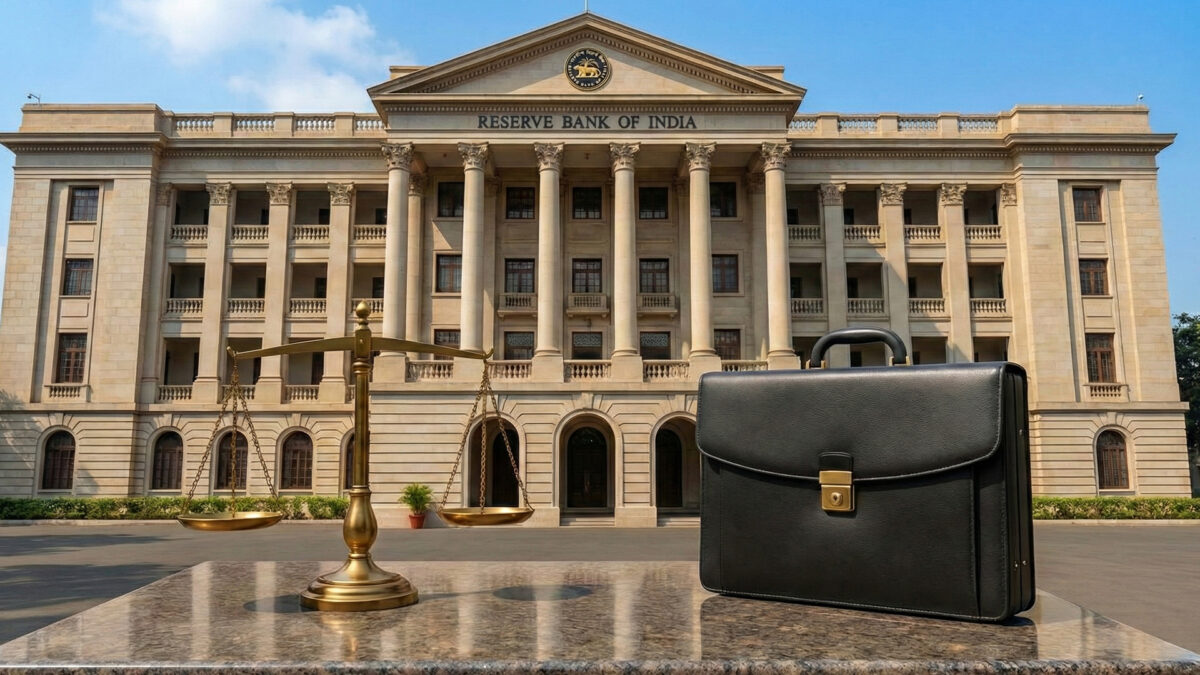
RBI keeps repo rate at 5.25%, stance neutral

The Reserve Bank of India (RBI) on February 6, 2026, decided to keep the key policy repo rate unchanged at 5.25%, maintaining a cautious approach as inflation remains under control and economic growth stays steady. The decision was taken by the Monetary Policy Committee (MPC) at the end of its bi-monthly review meeting.

Along with the rate pause, the MPC also chose to retain its ‘neutral’ policy stance, signalling that future interest rate decisions will be guided by incoming economic data rather than a fixed bias towards tightening or easing. This means the RBI is keeping its options open amid both domestic stability and global uncertainties.

RBI Governor Sanjay Malhotra said inflation has eased significantly from earlier highs and is now comfortably within the central bank’s target range. Lower food prices, improved supply conditions, and softer global commodity prices have helped contain price pressures. However, the RBI cautioned that risks from unpredictable weather, global energy prices, and geopolitical tensions still remain.

On the growth front, the central bank expressed confidence in India’s economic momentum. It noted that domestic demand remains strong, supported by healthy consumption, rising investment activity, and robust performance in the services sector. Manufacturing activity has also shown signs of improvement, aided by government capital expenditure and stable financial conditions.

The RBI slightly upgraded its growth outlook, reflecting optimism about India’s medium-term prospects, even as global economic conditions remain uneven. At the same time, the MPC stressed the need for vigilance, especially as global financial markets continue to react to policy signals from major central banks.

Also Read: US drops 25% tariff on Indian goods
Categories
Beyond

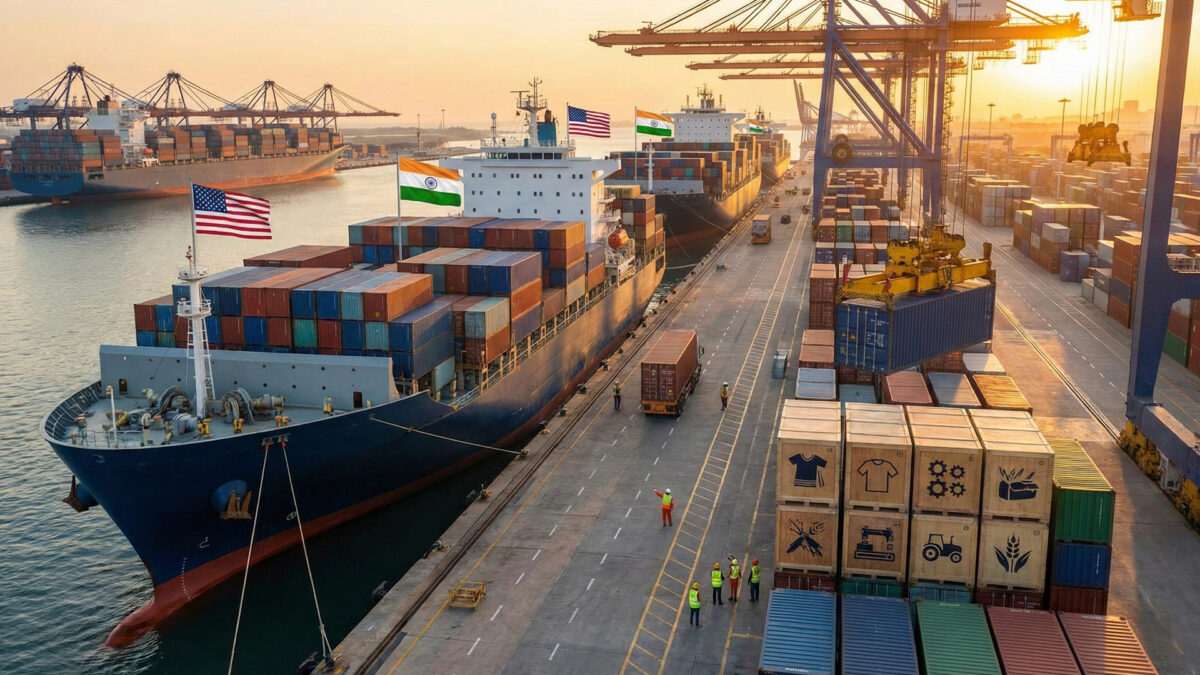
US drops 25% tariff on Indian goods

In a major relief for Indian exporters, the United States has lifted the extra 25% tariff on Indian goods that was imposed last year over India’s purchases of Russian oil. The tariff rollback, effective February 7, 2026, comes after India pledged to stop both direct and indirect imports of Russian crude, addressing a key US concern.

The decision is part of a new interim trade framework aimed at improving economic ties between the two countries. Under this agreement, the US will reduce general tariffs on Indian products to about 18%, while India will expand purchases of US goods, including energy, aircraft parts, and technology, worth up to $500 billion over the next five years.

Officials say the framework also sets the stage for closer cooperation in defence and supply chains, while easing barriers that had made it harder for Indian exports in sectors like textiles, pharmaceuticals, and machinery to compete in the US market.

This is seen as a boost for Indian businesses, as the removal of the extra levy will make exports more competitive and strengthen long-term trade relations. Both governments described the deal as a step toward a larger bilateral trade agreement, marking a new phase of economic and strategic partnership between the two nations.

Also Read: Reliance returns to Venezuelan oil, buys 2 mn barrels

Categories
Beyond

Reliance returns to Venezuelan oil, buys 2 mn barrels

Reliance Industries has bought 2 million barrels of crude oil from Venezuela, marking its first purchase from the country since mid‑2025. The deal is for delivery in April, and the crude was purchased through trading firm Vitol at a discount compared to global oil prices.

This move shows Reliance is taking advantage of cheaper Venezuelan oil, which is a heavy, sour grade that fits well with its large Jamnagar refinery in Gujarat. The refinery is equipped to process these kinds of crude, helping the company make better profits when refining it. Sources say the oil was bought at roughly $6–7 per barrel lower than Brent crude.

The purchase comes as the United States has eased sanctions on Venezuela, allowing some trading firms to handle its oil. This has made it easier for companies like Reliance to buy Venezuelan crude without running into legal or financial hurdles.

While the US has encouraged India to reduce purchases of Russian crude, India continues to make decisions based on price and energy needs, rather than politics. Officials say India will keep looking for reliable oil sources to meet its growing demand.

Analysts see this as a smart business move by Reliance. With global oil supplies changing due to geopolitical tensions and US‑Venezuela agreements, buying discounted Venezuelan crude can give Indian refiners an economic advantage.

The deal also highlights India’s strategy of diversifying its oil sources to secure steady supplies at competitive prices. By resuming trade with Venezuela, Reliance joins other Indian refiners in exploring alternative crude options while keeping costs under control.

Also Read: Bitcoin slumps to $60,000 as crypto market shakes

Categories
Beyond

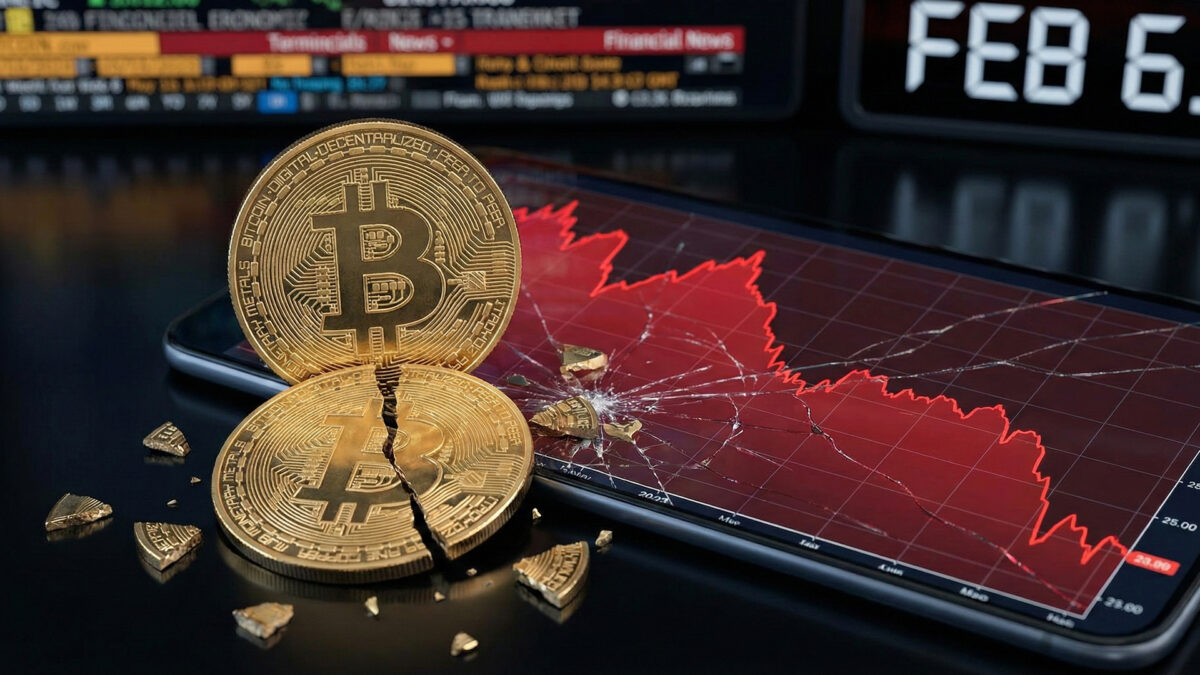
Bitcoin slumps to $60,000 as crypto market shakes

Bitcoin plunged sharply this week, falling to around $60,000, marking its lowest level in over a year and highlighting one of the steepest declines in the cryptocurrency’s history. The world’s largest digital asset has now lost more than 50% of its value from its record high of approximately $126,000 in October 2025.

The sudden drop sent shockwaves through the broader crypto market, with Ethereum and other major tokens also seeing steep declines, collectively erasing trillions of dollars in market value since late 2025. The sell-off accelerated Thursday and Friday as Bitcoin broke through several key technical levels. It first slipped below $70,000, then fell under $65,000, and eventually traded around $60,000 before briefly rebounding.

The sudden movement reflects growing investor caution, as many have retreated from risky assets, including cryptocurrencies and technology stocks, amid mounting market volatility. Institutional withdrawals from Bitcoin exchange-traded funds and the forced liquidation of large long positions have further intensified the decline, contributing to a sense of panic among traders.

This downturn comes after months of strong gains, fueled in part by regulatory optimism and increased institutional interest. However, recent developments, including heightened market uncertainty and investor nervousness, have undermined that momentum. Analysts warn that this slump could signal the start of a prolonged bear market, though some note that extreme volatility is a hallmark of cryptocurrency trading, and temporary rebounds remain possible.

Also Read: AI tools set to transform software jobs

Categories
Beyond

India plans $80 bn Boeing aircraft purchase

India is preparing to place one of its largest-ever aircraft orders with US aerospace giant Boeing, following a major trade agreement between the two countries. Commerce and Industry Minister Piyush Goyal said India’s planned purchase could be worth $70–80 billion, potentially exceeding $100 billion when engines, spare parts, and long-term support contracts are included.

The proposed Boeing order is part of a broader push by India to expand imports of American goods across key sectors, including aviation, energy, and advanced technology. Officials have described the demand as “ready,” signaling that negotiations with Boeing could move quickly once the trade deal is formally signed.

The US–India trade agreement is expected to be finalized in March 2026, with a joint statement likely in the coming days. As part of the deal, the United States has agreed to reduce tariffs on Indian exports, which currently average around 50%, while India will commit to purchasing roughly $500 billion worth of US products over five years, including aircraft, engines, and other high-tech equipment.

Analysts say the Boeing order could have a significant impact on both countries’ economies. For the US., it would represent one of the largest single-country sales in Boeing’s history, providing a boost to manufacturing and the aerospace supply chain. For India, the aircraft purchases will support the growth of its civil aviation sector, expand fleet capacity for airlines, and strengthen economic ties with a key trade partner.

While the deal signals a major step in bilateral trade, final details on the number of planes, delivery schedules, and pricing are still being finalized. Officials say discussions with Boeing and US authorities are ongoing to ensure that both countries maximize the benefits of the agreement.

Also Read: RBI says most ₹2,000 notes returned, still legal tender


Categories
Beyond

RBI projects 4.2% inflation in FY27

India’s inflation is expected to gradually rise toward more normal levels over the next year, but without causing stress to the economy, according to the Reserve Bank of India (RBI). The central bank’s latest projections show that consumer price inflation is likely to hover around 4% in FY2026–27, a level the RBI considers ideal for sustainable growth.

Speaking after the Monetary Policy Committee’s recent review, RBI Governor Sanjay Malhotra said the modest rise in inflation reflects improving economic activity rather than runaway price pressures. For the current financial year, inflation is expected to remain low at about 2.1% on average, before inching up to around 3.2% in the final quarter as demand strengthens.

Looking ahead, the RBI expects inflation to average about 4.0% in the first quarter of FY27 and 4.2% in the second quarter. This upward revision, the central bank explained, is driven by normalisation in food prices, steady domestic demand, and global commodity trends. Importantly, inflation is still projected to stay well within the RBI’s comfort band of 2% to 6%.

Against this backdrop, the RBI chose to keep the repo rate unchanged at 5.25% and maintain a neutral policy stance. This decision is aimed at supporting economic growth while remaining alert to any risks to price stability. Stable interest rates help keep borrowing costs predictable for households and businesses.

For consumers, this means prices of everyday essentials are likely to rise slowly and steadily, rather than sharply. For businesses, steady inflation and unchanged rates provide confidence to plan investments, expand operations, and hire more people. Economists say this environment supports sustained growth without overheating the economy.

The RBI also said it will closely monitor food prices, global oil markets, precious metals, and geopolitical developments that could affect inflation going forward.

Also Read: Gold above ₹1.50 lakh, Silver dips to ₹2.35 lakh

Categories
Beyond

Gold above ₹1.50 lakh, Silver dips to ₹2.35 lakh

Gold prices in India remained firm above ₹1.50 lakh per 10 grams on Friday despite early selling pressure triggered by weak global cues. On the Multi Commodity Exchange (MCX), gold futures slipped marginally but held key support levels, supported by steady domestic demand.

Silver prices, which fell sharply in early trade, rebounded to around ₹2.35 lakh per kilogram as investors stepped in to buy at lower levels following the initial slump caused by profit-booking.

City-wise prices reflected the overall firmness in bullion markets. 24-carat gold traded above ₹1.54 lakh per 10 grams in major cities such as Delhi, Mumbai, Bengaluru and Kolkata, while Chennai quoted slightly higher rates. 22-carat gold hovered between ₹1.41 lakh and ₹1.43 lakh per 10 grams across key urban centres. Silver prices were largely steady across metros, trading in the range of ₹2.46–2.47 lakh per kilogram in cities including Mumbai, Delhi, Chennai and Bengaluru.

Market sentiment remained cautious as traders tracked global economic indicators, particularly upcoming US jobs data and interest-rate cues, which could influence precious metal prices in the near term.

Also Read: Sensex slips 300+ points, Nifty dips below 25,550

Categories
Beyond

Rupee strengthens to 90.40 against dollar

Indian rupee strengthened slightly against the US dollar in early trade on Thursday, rising by 7 paise to 90.40 at the interbank foreign exchange market.

The rupee opened the session at 90.52 against the dollar and gradually moved higher as the morning progressed. Forex dealers said the modest rise was supported by a slightly positive tone in domestic equity markets and easing pressure from the US currency in early Asian trade.

However, market participants remained cautious, limiting sharp gains in the rupee. Traders said investors are closely watching developments related to the India–US trade talks, with optimism tempered by the absence of detailed announcements or formal agreements so far. While statements from both sides have raised hopes of progress, markets are waiting for concrete clarity before taking stronger positions.

The rupee’s movement is also being influenced by expectations around the Reserve Bank of India’s monetary policy stance. Any signals from the central bank on interest rates, inflation outlook, or intervention in the foreign exchange market are likely to play a key role in determining the currency’s near-term direction.

Global factors continue to weigh on sentiment. The US dollar index, which measures the greenback’s strength against a basket of major currencies, remained firm, while crude oil prices stayed elevated. Higher oil prices are a concern for India, as the country depends heavily on imports to meet its energy needs. Rising crude prices tend to increase the country’s import bill and can put pressure on the rupee.

Forex experts said that while the rupee’s early gain is a positive sign, volatility is expected to continue in the coming days due to global economic uncertainty, geopolitical developments, and shifting expectations around interest rates in major economies.

Overall, the rupee’s rise to 90.40 reflects cautious optimism in the market, supported by domestic factors but restrained by global risks.

Also Read: Gold at ₹1,59,450, Silver trades above ₹3.20 lakh

Categories
Beyond

Gold at ₹1,59,450, Silver trades above ₹3.20 lakh

Gold and silver prices in India showed marginal gains on Thursday, offering some relief to buyers after sharp swings seen earlier this week. Retail bullion rates in major cities moved up slightly, while futures prices on the Multi Commodity Exchange (MCX) continued to reflect market volatility.

According to market data, the price of 24-carat gold rose by ₹10 to ₹1,59,450 per 10 grams, while 22-carat gold also gained ₹10, trading at around ₹1,46,160 per 10 grams. Silver prices increased by ₹100, with one kilogram priced at approximately ₹3,20,100 in key markets such as Delhi, Mumbai and Chennai.

City-wise prices remained largely stable across the country. In Chennai, 24-carat gold was quoted higher due to local taxes, while prices in Mumbai and Delhi stayed close to national averages. Traders said buying interest was seen at lower levels following recent corrections.

In contrast, MCX futures told a different story. Gold futures were trading well below recent highs, hovering around ₹1.51 lakh per 10 grams, while silver futures slipped sharply to nearly ₹2.44 lakh per kilogram. The decline in futures prices reflects continued nervousness among traders after a historic sell-off earlier in the week.

Market experts said the recent volatility was driven by global factors, including a stronger US dollar, changing expectations around interest rates, and profit-booking by investors after bullion touched record levels. Silver, which is more sensitive to industrial demand, has been especially volatile compared to gold.

Despite the small rise in today’s retail prices, analysts cautioned that the move appears to be technical and short-term, rather than a clear trend reversal. They added that precious metal prices are likely to remain sensitive to global economic data, currency movements and geopolitical developments in the near term.

For now, buyers and investors are advised to track international cues closely, as gold and silver markets continue to witness sharp intraday swings and uncertain direction.

Also Read: Sensex drops 400+, Nifty dips below 25,650

Categories
Beyond

SEBI rules out immediate futures and options curbs

The Securities and Exchange Board of India (SEBI) has said it will not make any immediate changes to the futures and options (F&O) market, despite the recent increase in Securities Transaction Tax (STT) on derivatives. SEBI Chairman Tuhin Kanta Pandey clarified that the regulator is not planning any new restrictions or banning weekly F&O contracts at this time.

The 2026 Union Budget had raised the STT on futures from 0.02% to 0.05% and increased the tax on options premiums to 0.15%. The move was aimed at reducing speculative trading and protecting small investors. Some in the market had expected SEBI to take further action following the hike.

Pandey reassured investors that SEBI prefers a careful and data-driven approach. He specifically said there is no plan to ban weekly expiry F&O contracts, and the current rules will remain in place for now.

Following SEBI’s statement, market sentiment improved. The Nifty Capital Markets index and shares of firms like MCX and Angel One went up, while the broader market also recovered from earlier losses.

SEBI’s position shows its focus on market stability. Instead of acting immediately, the regulator plans to study market trends and consult stakeholders before considering any changes. This approach is aimed at protecting investors while maintaining a healthy derivatives market.

Investors welcomed SEBI’s cautious stance, as it ensures no sudden restrictions will disrupt trading. The regulator appears committed to balancing investor protection with market growth, taking decisions only after thorough review.

Also Read: Aditya Birla housing finance raises ₹2,750 cr from Advent International