Categories
Corporate

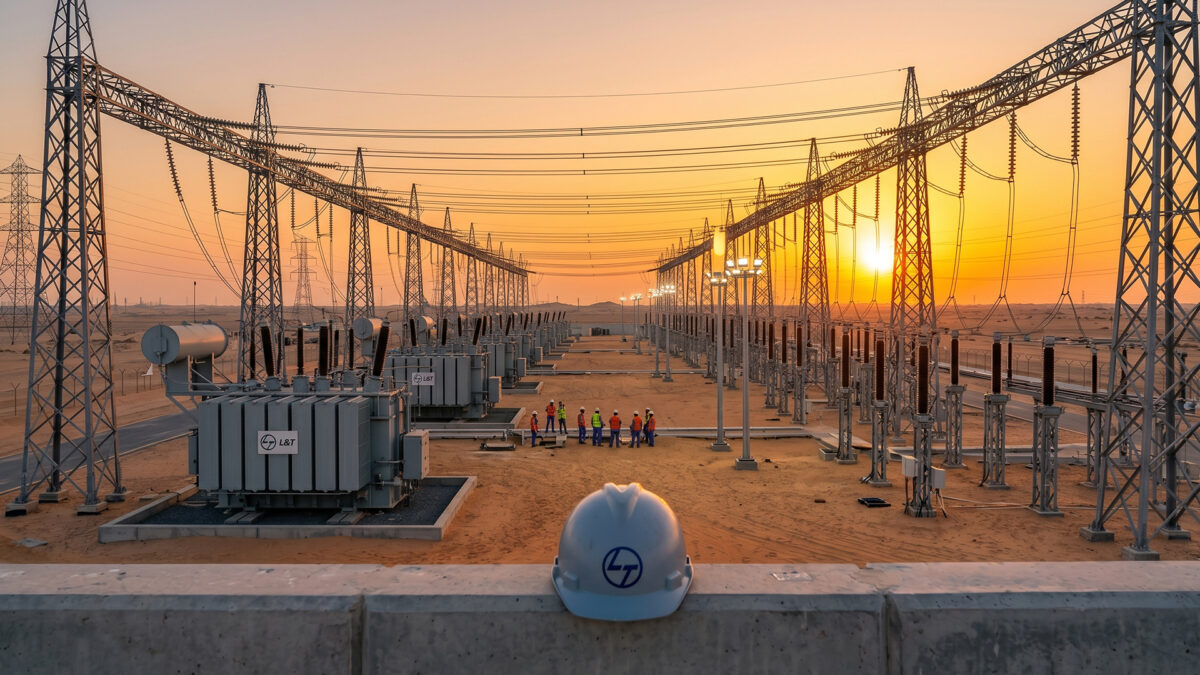
L&T bags ₹1,000-2,500 cr middle east power orders

Larsen & Toubro (L&T) has secured major power transmission projects in the Middle East, strengthening the company’s presence in one of the world’s fastest-growing infrastructure markets.

The projects, valued between ₹1,000 crore and ₹2,500 crore, were awarded to L&T’s Power Transmission & Distribution business. The work mainly involves building high-voltage substations and related power infrastructure to improve electricity networks in the region.

The company said the contracts include engineering, procurement and construction work for advanced transmission systems designed to support rising energy demand and improve grid stability.

Although L&T did not officially reveal the countries involved, the projects are believed to be part of large-scale infrastructure expansion plans underway across Gulf nations. Several countries in the Middle East are investing heavily in power networks, urban development and industrial growth as they prepare for increasing energy needs in the coming years.

Industry experts say the Gulf region is focusing not only on expanding electricity supply but also on modernising power infrastructure to support renewable energy and smarter grid systems.

For L&T, the latest order win is seen as another important boost to its international business. The company has built a strong reputation in executing large infrastructure and energy projects across India and overseas markets.

The announcement also reflects the growing global presence of Indian engineering companies, especially in sectors like energy, transport and construction.

Also Read: Anduril valuation jumps to $61 bn after funding

Categories
Corporate

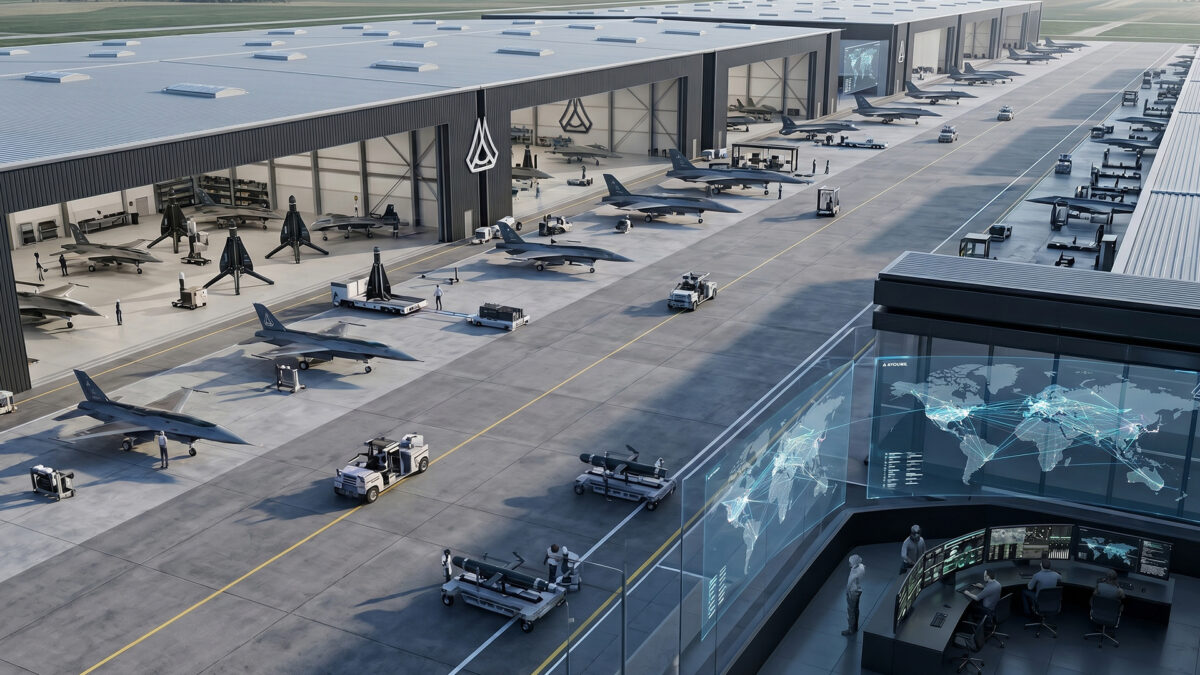
Anduril valuation jumps to $61 bn after funding

US defence technology company Anduril Industries has raised $5 billion in fresh funding, pushing its valuation to $61 billion and making it one of the world’s most valuable private tech firms.

The company, founded in 2017, builds advanced defence systems including drones, surveillance platforms and AI-powered military software used by the US and allied governments. The latest investment reflects growing global interest in defence technology as countries increase spending on security and military modernisation.

The funding round was led by major venture capital firms including Thrive Capital and Andreessen Horowitz. Anduril said the money will be used to expand manufacturing, develop new technologies and strengthen its AI-based defence systems.

The company has grown rapidly in recent years as governments focus more on autonomous weapons, border surveillance and artificial intelligence in military operations. Industry experts say global conflicts and rising geopolitical tensions have increased demand for advanced defence technology, attracting strong investor interest in companies like Anduril.

Anduril has also secured several contracts with the US government and defence agencies, helping boost its revenue and market value. Reports suggest the company’s revenue has doubled over the past year.

The rise of Anduril reflects a larger shift in the technology industry, where defence startups are now receiving strong support from investors after years of limited interest in military-focused businesses.

Also Read: Uber, Adani join hands for India data centre

Categories
Corporate

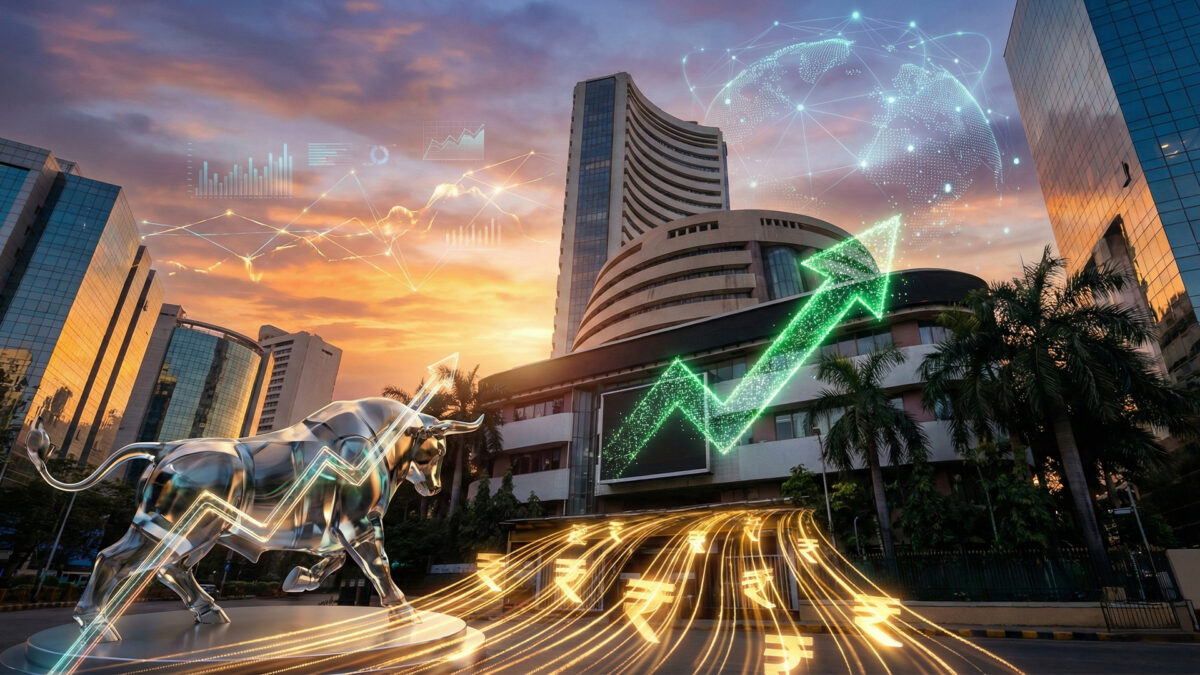
Sensex shoots up 812 points, Nifty crosses 23,650

Stock markets ended sharply higher on Thursday, with the Sensex surging 812 points and the Nifty closing above the 23,650 mark as investors returned to buying after recent volatility.

The BSE Sensex closed at around 75,400, while the NSE Nifty settled above 23,650, supported by strong gains in banking, financial and technology stocks. Market sentiment improved as investors looked past global uncertainties and focused on bargain buying and positive corporate earnings.

Among the top gainers were Infosys, HDFC Bank, Reliance Industries, ICICI Bank and Bharti Airtel, which saw strong buying throughout the session. On the losing side, stocks like ITC and Nestlé India witnessed mild profit booking.

Global markets also remained supportive, with investors closely tracking developments in US-China talks and hopes of easing international economic tensions. Positive trends in Asian and European markets added to the upbeat mood on Dalal Street.

Another factor supporting the rally was optimism around possible policy measures to attract foreign investment and stabilise the rupee. Reports suggesting potential tax relief on foreign bond investments helped improve investor sentiment.

Analysts said the rally was driven by a combination of positive global cues, easing market volatility and renewed investor confidence. Strong buying was seen in stocks that had declined sharply in recent sessions amid worries over rising crude oil prices and geopolitical tensions linked to the Iran conflict.

Market experts also pointed to better-than-expected quarterly earnings from several major companies, which boosted confidence in India’s economic outlook despite global uncertainties.

Also Read: Uber, Adani join hands for India data centre

Categories
1 Minute-Read

Uber, Adani join hands for India data centre

Uber will build its first data centre in India in partnership with the Adani Group, marking a major expansion move for the ride-hailing company. The development was discussed during Uber CEO Dara Khosrowshahi’s recent meeting with Adani Group chairman Gautam Adani in India.

The data centre is expected to improve Uber’s local digital infrastructure, support AI-driven services and help manage customer data within the country. The move also aligns with India’s growing push for data localisation.

The partnership highlights India’s increasing importance in global technology and digital infrastructure investments. It also strengthens Adani Group’s presence in the growing data centre business.

Categories
Beyond

Middle East tensions push up mango prices in London

The ongoing conflict in the Middle East is now being felt in an unexpected place, London’s mango markets.

Fruit sellers across the city say prices of popular South Asian mangoes have risen sharply this season because of disruptions linked to the regional conflict involving Iran. Importers are facing delays, higher transport costs and supply problems, making one of summer’s favourite fruits more expensive for customers.

Mangoes from countries such as India and Pakistan are highly popular in the UK, especially among South Asian communities. Every summer, fruit shops and supermarkets see strong demand for varieties known for their sweetness and flavour. But this year, traders say the situation has become difficult.

Many mango shipments arrive in the UK through air cargo routes connected to or passing near West Asia. With tensions rising in the region, airlines have changed routes, fuel prices have increased and freight costs have gone up significantly. Importers say this has made transporting fresh fruit slower and more expensive.

Shopkeepers in London say customers are shocked by the higher prices. Some premium mango varieties are now being sold at rates much higher than last year. In some stores, supplies are also running low because shipments are arriving late or in smaller quantities.

Since mangoes are highly perishable, even minor delays can affect quality and lead to losses for traders. Some sellers say they are struggling to maintain regular stock during what is usually the busiest mango season of the year.

Importers are now trying to find alternative transport routes, but they say costs remain high because of rising fuel prices and continued uncertainty in the region.

Despite the increase in prices, demand for mangoes has remained strong. For many families, especially within South Asian communities, mangoes are closely linked to summer traditions and seasonal celebrations.

Traders say the situation shows how international conflicts can affect everyday life far beyond the countries directly involved. A war thousands of kilometres away is now influencing food prices in local markets and changing shopping habits for consumers in London.

Also Read: Nokia names Emma Falck head of mobile infrastructure

Categories
Leaders

Nokia names Emma Falck mobile infra head

Nokia has appointed Emma Falck as the new President of its Mobile Infrastructure business, marking a major leadership change as the telecom giant pushes deeper into AI-powered network technology.

The company announced that Falck will also join Nokia’s Group Leadership Team. She will officially take charge from July 1, succeeding Tommi Uitto, who is stepping down after more than two decades with the company.

Falck currently serves as Nokia’s Chief Financial Officer for Mobile Networks and has held several senior leadership roles within the company over the years. Nokia said her appointment reflects the company’s focus on strengthening next-generation mobile infrastructure and accelerating the shift towards AI-native networks.

The Mobile Infrastructure division is one of Nokia’s core businesses and handles technologies related to radio networks, cloud infrastructure and broadband systems used by telecom operators around the world. The unit has become increasingly important as global telecom companies invest in 5G expansion, automation and artificial intelligence.

In its official statement, Nokia described Falck as a leader with strong experience in strategy, finance and business transformation. The company said her leadership would help drive innovation as the telecom industry moves towards more intelligent and automated network systems.

The leadership change comes at a time when telecom companies worldwide are facing pressure to improve network efficiency, reduce operational costs and prepare infrastructure for future AI-driven applications. Nokia has been positioning itself as a key player in this transition, especially in areas linked to cloud-based and AI-enabled mobile networks.

Falck said she was honoured to take up the new role and highlighted the growing importance of intelligent network technologies in the future of telecommunications. She also thanked her predecessor Tommi Uitto for his contribution to the company over the years.

Also Read: India stops sugar exports till Sept 2026

Categories
Beyond

Gold hits ₹1,62,010, silver rises ₹3,10,100

Gold and silver prices in India surged sharply after the government increased import duties on precious metals. The move raised the total duty to about 15%, making imported gold and silver more expensive in the domestic market.

Following the change, gold prices jumped to around ₹1,62,010, while silver rose to about ₹3,10,100. The sharp increase reflects higher landed costs as India imports most of its gold and silver demand.

The duty hike is aimed at reducing imports and helping control pressure on the current account deficit. India is one of the world’s largest consumers of gold, and changes in import taxes quickly impact domestic prices.

Market experts said the rise in prices is mainly policy-driven rather than due to global demand changes. Jewellers reported weaker short-term buying as higher prices reduced retail demand, especially in the jewellery segment.

However, investment demand for gold is expected to remain steady as it is seen as a safe asset during uncertain global conditions. Silver demand is also expected to stay supported due to its industrial use in electronics and clean energy sectors.

Also Read: Sensex rose 150 points, Nifty stayed above 23,500

Categories
Beyond

Rupee extends fall, hits all-time low at 95.80

The Indian rupee slipped to a fresh record intraday low near 95.80 against the US dollar on Thursday, extending its recent losing streak in the foreign exchange market. The currency touched the psychological level early in the session before seeing limited recovery, according to market participants.

The decline reflects sustained pressure from multiple global and domestic factors. Importer demand for US dollars remained strong, while foreign portfolio investor (FPI) outflows continued, adding to the strain on the rupee. Traders said these combined flows have consistently tilted the balance toward dollar demand.

Rising crude oil prices were another key driver. Brent crude continues to trade at elevated levels due to geopolitical tensions in West Asia, increasing India’s import bill and worsening the trade deficit outlook. Since India imports most of its oil, higher crude prices typically translate into higher demand for dollars, weakening the rupee.

A strong US dollar index in global markets has also weighed on emerging market currencies. Investors are shifting toward safer assets amid global uncertainty, which has further supported dollar strength.

Forex market analysts noted that the rupee has been under continuous downward pressure, repeatedly breaking previous lows over the past sessions. They said the current trend reflects both external shocks and persistent capital outflows from domestic markets.

Despite the currency weakness, equity markets remained relatively stable in earlier trading sessions, though analysts caution that prolonged rupee depreciation could eventually feed into higher inflation and import costs.

Categories
Corporate

Sensex rose 150 points, Nifty stayed above 23,500

Indian equity benchmark indices opened higher on Thursday, supported by positive global cues and buying in select heavyweight stocks. The BSE Sensex gained around 150 points to hover near the 75,100 mark, while the NSE Nifty traded above 23,500 during early deals.

Market sentiment improved after strong overnight gains in US technology stocks and positive trends across Asian markets. GIFT Nifty had also indicated a firm start for Dalal Street ahead of the opening bell.

Among the top gainers on the Sensex were Bharti Airtel, Tata Steel, JSW Steel, Mahindra & Mahindra and Larsen & Toubro, driven by buying interest in telecom, metal and infrastructure shares. On the losing side, Infosys, HCLTech, Nestle India and Titan witnessed selling pressure.

Investors also tracked quarterly earnings announcements and company-specific developments. Bharti Airtel remained in focus after reporting strong earnings, while metal stocks benefited from improving global commodity sentiment.

Despite the positive momentum, analysts said concerns over rising crude oil prices and weakness in the Indian rupee continued to limit gains. Brent crude remained above $107 per barrel amid geopolitical tensions in West Asia, while the rupee stayed under pressure against the US dollar due to foreign institutional investor outflows.

Also Read: India’s CPI inflation rises to 3.48% in April

Categories
1 Minute-Read

General Motors lays off 600 IT employees

General Motors (GM) has laid off around 600 employees from its IT division as part of a major restructuring aimed at strengthening its focus on artificial intelligence and advanced technology.

The layoffs mainly affected salaried employees working in software and information technology roles in the United States. Reports said the company is shifting towards newer digital and AI-driven operations as the automobile industry becomes more dependent on software and automation.

While many employees lost their jobs, GM said it will continue hiring people with skills in areas such as artificial intelligence, cloud computing and data engineering.

The move reflects a growing trend among global companies, many of which are reducing traditional technology roles while investing more in AI-related jobs and automation systems.