Categories
1 Minute-Read

GE Vernova T&D India shares up by 10%

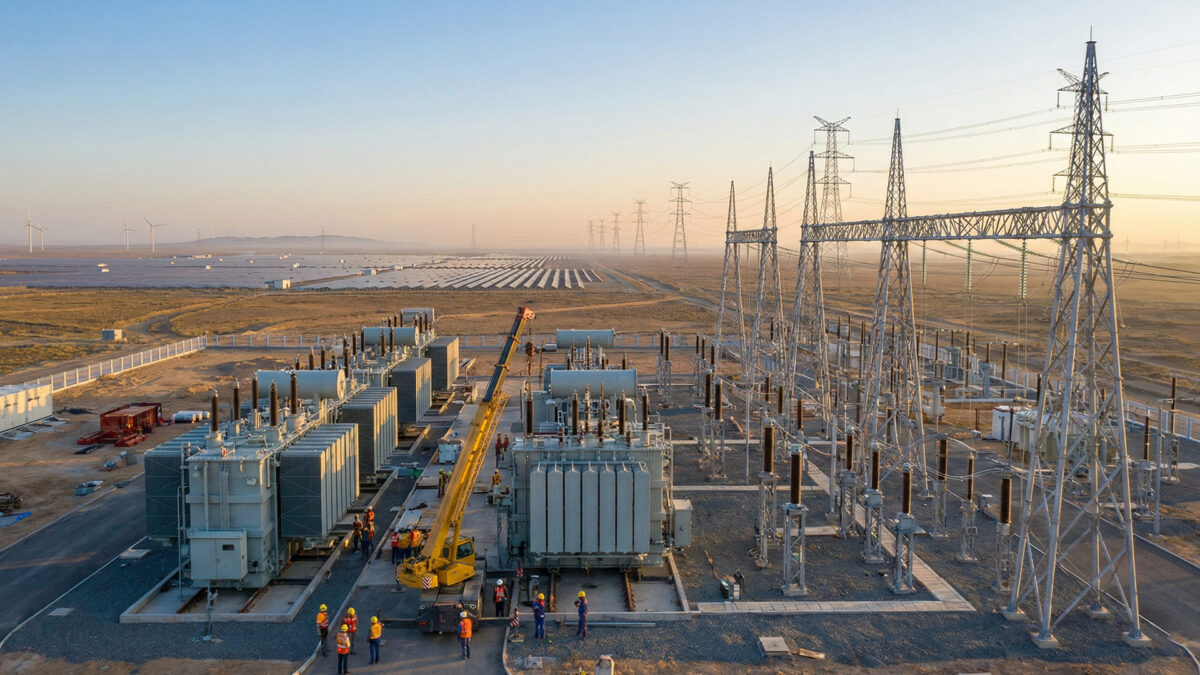
Shares of GE Vernova T&D India surged more than 10 percent after the company announced it had won a major High Voltage Direct Current (HVDC) transmission contract from AESL Projects Limited.

The order involves the design, supply and execution of a 2,500 MW, ±500 kV HVDC Voltage Source Converter terminal station to carry renewable energy from Khavda in Gujarat to South Olpad.

The multi-year project significantly boosts the company’s order book and revenue visibility. The contract also highlights GE Vernova T&D India’s expertise in advanced transmission technology, prompting strong investor interest in early trade.

Categories
Corporate

ICICI Bank revises credit card charges, benefits from 2026

ICICI Bank has announced a series of changes to its credit card charges and benefits, which will come into effect in phases starting January and February 2026. The revised structure will apply to all retail credit card customers and is expected to impact spending on gaming, wallets, travel, entertainment and premium card services .

One of the key changes is the introduction of a 2 per cent charge on online gaming transactions. This fee will apply to deposits, in-game purchases and other payments made on gaming platforms using ICICI Bank credit cards.

The bank has also revised rules around transportation-related spending. For certain merchant categories, transactions exceeding ₹50,000 will attract a 1 per cent charge. In addition, reward points earned on such spends will now be capped. Premium cards like Emeralde and Sapphiro will have a monthly reward cap of ₹20,000 on transportation spends, while mid-range cards will be capped at ₹10,000.

Digital wallet loading will become costlier as well. ICICI Bank will levy a 1 per cent fee on wallet top-ups of ₹5,000 or more, including payments made to popular platforms such as Paytm, Amazon Pay and MobiKwik.

Entertainment benefits are also being tightened. The popular BookMyShow Buy-One-Get-One movie ticket offer will now be available only to customers who spend at least ₹25,000 in the previous calendar quarter. The Instant Platinum credit card will no longer offer this benefit from February 2026.

For premium cardholders, the bank has announced higher charges on Dynamic Currency Conversion (DCC), which applies when international transactions are converted into Indian rupees at the point of sale. Additionally, one-time add-on card fees will be introduced for select high-end credit cards.

Other changes include revised charges on branch cash payments, updates to Instant EMI cancellation fees, and modifications to certain service-related charges.

ICICI Bank has advised customers to carefully review the updated fee structure and benefit conditions. With new charges on specific spending categories and tighter reward limits, cardholders may need to reassess how they use their credit cards to avoid higher costs and maximise benefits under the new rules .

Also Read: SEBI to strengthen non‑farm commodity derivatives

Categories
Beyond

SEBI to strengthen non‑farm commodity derivatives
The Securities and Exchange Board of India (SEBI) is taking steps to strengthen the country’s non‑agricultural commodity derivatives market. Chairman Tuhin Kanta Pandey said SEBI will soon set up a working group to review how these markets function and suggest improvements. The move is aimed at increasing market depth, participation, and efficiency, while keeping investor protection intact.

The panel will examine key aspects such as margin rules, position limits, settlement processes, and delivery mechanisms. Its goal is to identify ways to make trading smoother and more transparent, helping both businesses and investors manage risk better. Recommendations from the working group will guide SEBI’s future policy changes.

India already has expert committees studying agricultural commodity derivatives, which have been successful in suggesting measures to deepen participation and improve risk management. SEBI plans to apply similar insights to non-farm commodities, where trading has been growing but liquidity remains a challenge.

SEBI is also in talks with the Reserve Bank of India (RBI) and the Insurance Regulatory and Development Authority (IRDAI) to allow banks and insurance companies to trade in these markets. Greater institutional participation is expected to improve liquidity, enhance price discovery, and make hedging more efficient.

Another key focus is addressing GST-related hurdles that currently complicate delivery and settlement of commodities on exchanges. SEBI is working with the central government to resolve these issues, aiming to better connect derivative markets with physical trading.

The regulator’s move comes at a time of rapid growth in India’s commodity derivatives space. SEBI now oversees over 100 notified commodities, with active trading in many contracts. As the market expands, the working group’s recommendations are expected to make trading easier, safer, and more attractive for investors and businesses alike.

Also Read: Elon Musk net worth nears $750 billion

Categories
Corporate

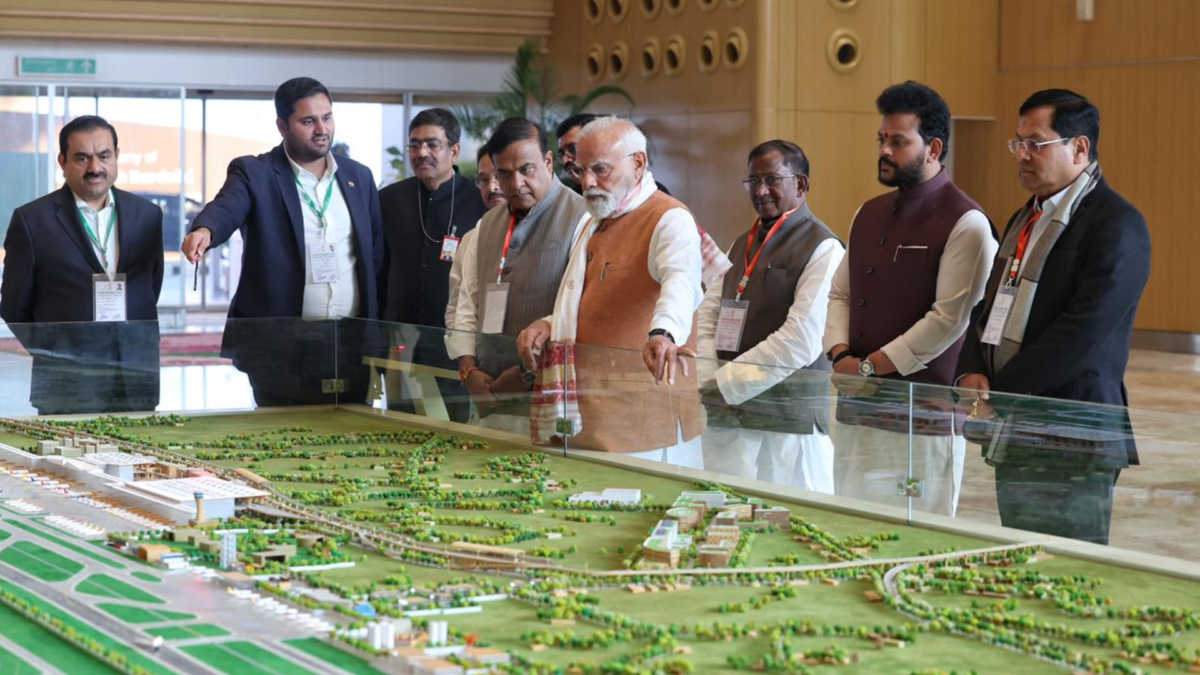
PM Modi inaugurates Adani-operated new terminal at Guwahati Airport

Prime Minister Narendra Modi inaugurated the newly built terminal at Lokapriya Gopinath Bordoloi International Airport in Guwahati, on 19 December, marking a major milestone in Assam’s aviation infrastructure.

Developed by Guwahati International Airport Limited and operated by Adani Airport Holdings Limited, the terminal strengthens Adani’s growing airport portfolio while enhancing Assam’s role in regional and national connectivity.

The project has been completed in less than a year, from design unveiling to inauguration, highlighting the speed and scale of airport infrastructure delivery in India. It features DigiYatra-enabled passenger processing, smart check-in facilities and spacious waiting areas aimed at improving travel experience. Commercial operations are expected to begin by the end of February after final operational readiness checks.

Designed as a blend of modern architecture and regional identity, the terminal named “The Bamboo Orchids”, draws inspiration from Assam’s kopou phool (foxtail orchid) and indigenous bamboo varieties from the Northeast. About 140 metric tonnes of locally sourced bamboo have been used in its construction, highlighting sustainable and culturally rooted design.

Once fully operational, the terminal will be able to handle 13.1 million passengers annually by 2032. Currently, Guwahati Airport serves over 6.5 million passengers a year and ranks among the top 10 busiest airports in India, acting as a key hub for all eight Northeastern states.

Addressing the gathering, the Prime Minister said the new terminal reflects Assam’s growing importance as India’s eastern gateway under the Act East policy, supporting economic growth and regional connectivity.

The airport’s overall expansion involves an investment of around ₹5,000 crore, including plans for cargo facilities and maintenance, repair and overhaul (MRO) services. These developments are expected to boost trade, tourism and employment across the region.

Also Read: Adani banks on ‘group of airports’ policy to boost NMIA

Categories
Corporate

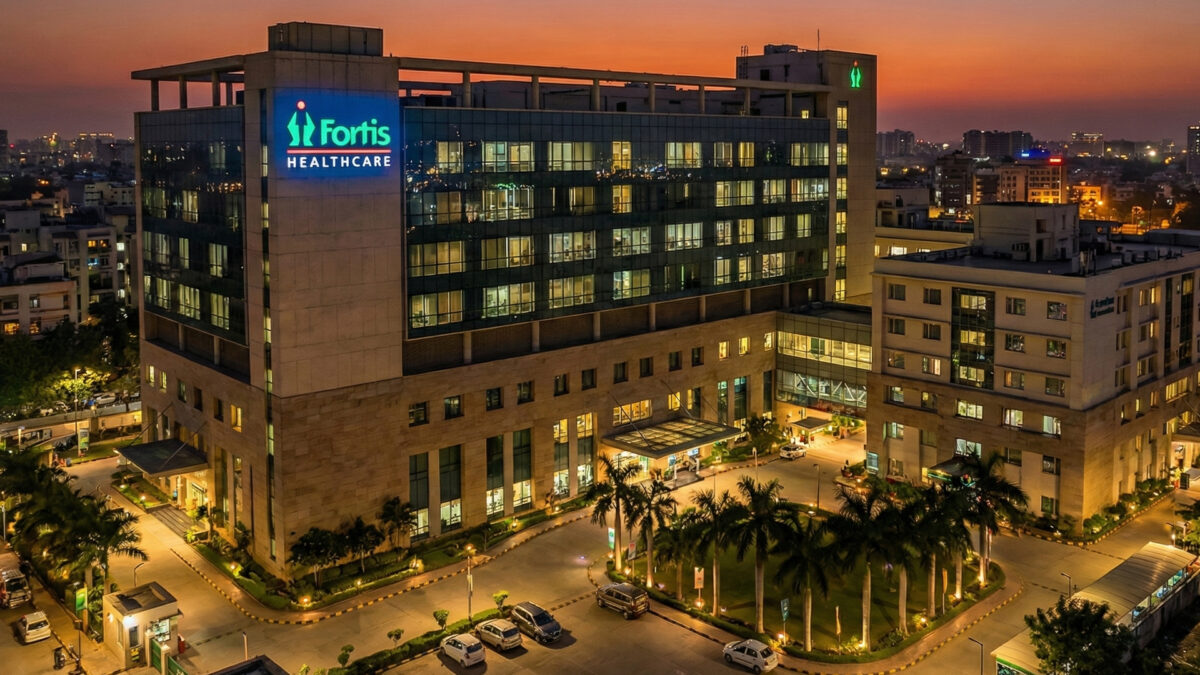
Fortis Healthcare to acquire Bengaluru’s People Tree Hospital for ₹430 cr

Fortis Healthcare has announced that it will acquire People Tree Hospital in Bengaluru for ₹430 crore. The purchase will be made through its wholly owned subsidiary, International Hospital Limited, which will take full ownership of TMI Healthcare Private Limited, the company that runs the hospital.

People Tree Hospital is a 125-bed, multi-specialty hospital located in Yeshwanthpur, Bengaluru. It is accredited by the National Accreditation Board for Hospitals (NABH) and offers treatment in areas such as heart care, orthopaedics, brain and nerve care, kidney treatment, gastroenterology and critical care. The hospital reported revenue of about ₹74 crore in the last financial year.

The deal includes the hospital building, the land on which it stands and an additional nearby land parcel. This extra land will allow Fortis to expand the hospital in the future. Fortis plans to invest around ₹410 crore over the next three years to upgrade the facility. This money will be used to add more beds, improve medical equipment and introduce new services, including radiation therapy for cancer care. After expansion, the hospital is expected to have more than 300 beds.

Fortis said the acquisition is part of its plan to strengthen its presence in key cities. Bengaluru is an important market for the company. At present, Fortis operates seven hospitals in the city, with around 900 beds across owned and managed facilities. With the addition of People Tree Hospital and future investments, Fortis aims to increase its total bed capacity in Bengaluru to over 1,500 beds.

The company believes the deal will help improve patient care by sharing medical expertise and resources across its hospitals in the city. The transaction is expected to be completed by the end of January 2026, after receiving required approvals.

The acquisition highlights Fortis Healthcare’s focus on growing its hospital network and improving access to quality healthcare in fast-growing urban centres.

Also Read: Piramal exits Shriram Life as Sanlam raises stake for ₹600 cr

Categories
Technology

Google launches Pixel upgrade program in India

Google has launched the Pixel Upgrade Program in India, making it easier for people to buy and upgrade Pixel smartphones. The program is available until 30 June 2026 through selected stores and online partners. Customers can buy eligible Pixel phones on a 24-month no-cost EMI plan, starting at just ₹3,333 per month.

The program covers Pixel 10 series models, including Pixel 10, Pixel 10 Pro, Pixel 10 Pro XL, and Pixel 10 Pro Fold. Payments and upgrades are handled through partners like Bajaj Finance, HDFC Bank, and Cashify, which also takes care of buybacks.

Once enrolled within 30 days of purchase, customers can upgrade to a newer Pixel device after paying at least nine monthly instalments and before completing the fifteenth. When upgrading, Cashify buys back the old phone, and the remaining EMI balance is cleared, letting the customer start a new 24-month EMI plan for the new device without extra charges.

The program also gives exchange bonuses up to ₹7,000, depending on the old phone’s value. New Pixel buyers get free trials of Google services. For example, Pixel 10 Pro users receive one year of Google AI Pro, six months of Fitbit Premium, and three months of YouTube Premium, while Pixel 10 users get trials for Google One Premium (2TB), Fitbit Premium, and YouTube Premium.

Google says this program is designed to make premium phones more affordable and provide an easy way to upgrade every year. By spreading the cost over time and offering buyback and bonus services, the program gives customers more flexibility and convenience.

This initiative is part of a growing trend of subscription-style phone access in India, allowing people to enjoy the latest devices without paying the full price upfront. It also encourages users to stay in the Pixel ecosystem with perks and yearly upgrades, making high-end smartphones more accessible to a wider audience.

Also Read: Nike struggles in China as sales slide persists

Categories
Corporate

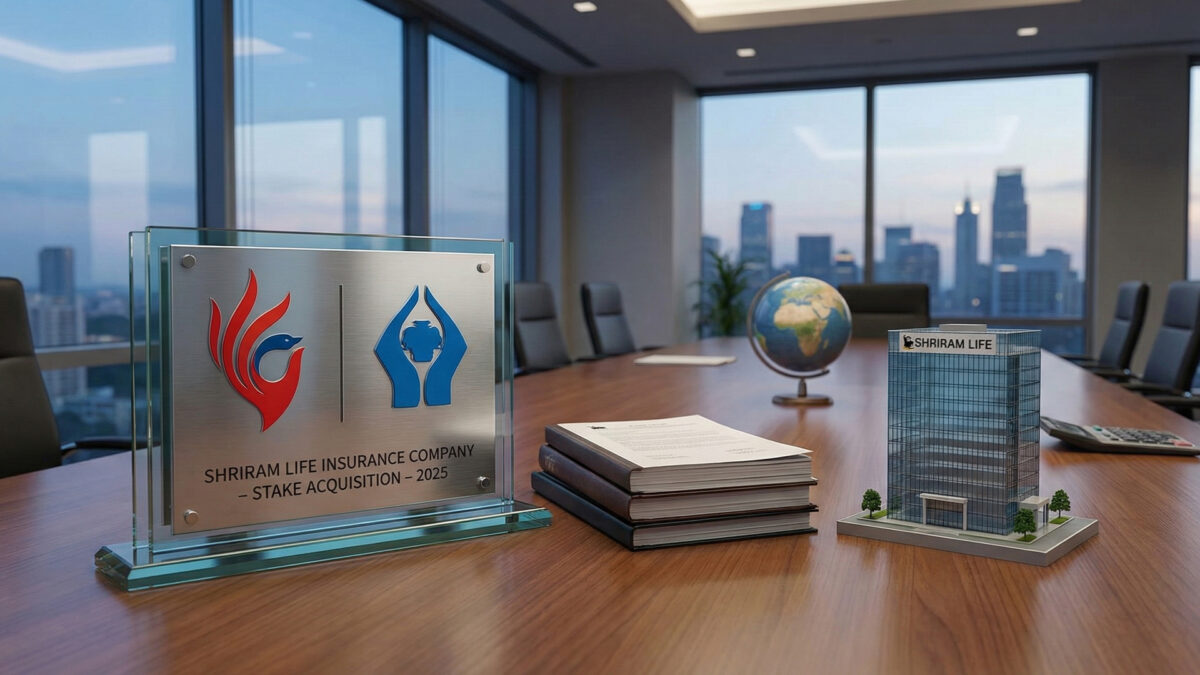
Piramal exits Shriram Life as Sanlam raises stake for ₹600 cr

Piramal Finance Ltd has decided to exit the life insurance business by selling its entire 14.72 per cent stake in Shriram Life Insurance Company to Sanlam Emerging Markets (Mauritius) Ltd for ₹600 crore. The transaction marks a clear strategic shift by Piramal Finance to monetise non-core assets and concentrate on its core lending and financial services operations.

The deal has been signed through a share purchase agreement and is expected to be completed by the quarter ending March 31, 2026, subject to approvals from regulators, including the Insurance Regulatory and Development Authority of India (IRDAI) and other statutory bodies.

Shriram Life Insurance is a joint venture between the Shriram Group and Sanlam, the South Africa-based financial services major. Prior to the transaction, Shriram Capital was the largest shareholder with about 47 per cent stake, while Sanlam Emerging Markets held nearly 23 per cent. With the acquisition of Piramal Finance’s holding, Sanlam’s stake in Shriram Life will increase to around 38 per cent, strengthening its position as a long-term partner in the venture.

Piramal Finance said the divestment is in line with its ongoing efforts to streamline its portfolio and redeploy capital into businesses that offer higher strategic and financial returns. The company has been steadily reducing exposure to investments that are not directly aligned with its primary focus areas.

The insurance venture contributed only marginally to Piramal Finance’s earnings. In the last financial year, dividend income from Shriram Life Insurance accounted for a very small fraction of the company’s overall revenue, reinforcing the decision to exit the business.

For Sanlam, the transaction underlines its confidence in India’s fast-growing life insurance market. With an increased stake, the group is expected to play a more active role in supporting Shriram Life’s growth plans, especially in semi-urban and rural markets where the insurer has a strong distribution network and customer base.

The deal also comes amid rising foreign interest in India’s insurance sector, following regulatory reforms that allow higher foreign direct investment. Analysts say such transactions reflect a broader trend of consolidation and capital realignment in financial services, as companies sharpen their strategic priorities.

Also Read: SAT grants interim relief to Avadhut Sathe Trading Academy

Categories
Leaders

British Petroleum appoints Meg O’Neill as CEO

British Petroleum has appointed Meg O’Neill, current CEO of Australia’s Woodside Energy, as its next chief executive officer, effective April 1, 2026. She succeeds Murray Auchincloss, who stepped down on December 18, 2025, and will remain as an adviser until the end of next year to ensure a smooth transition. O’Neill’s appointment is historic: she is both BP’s first external CEO hire and its first woman to lead one of the world’s top five oil majors.

O’Neill brings over 23 years of experience at ExxonMobil, where she held various leadership roles, and has been Woodside’s CEO since 2021. At Woodside, she expanded the company’s global presence and oversaw major transactions, including the acquisition of BHP Petroleum International. BP’s board highlighted her “proven track record of driving transformation, growth, and disciplined capital allocation” as a key reason for her selection. Until O’Neill takes over, Carol Howle, BP’s Executive Vice President for Supply, Trading and Shipping, will serve as interim CEO.

The leadership change comes at a critical time as BP repositions itself toward traditional oil and gas, scaling back earlier renewable energy investments. The company plans to divest around $20 billion in non-core assets by 2027 and increase oil and gas production to improve profitability. The strategic shift is in part a response to shareholder pressure, particularly from activist investors such as Elliott Investment Management, who have pushed for stronger financial performance.

The market responded positively to the announcement. BP shares saw modest gains, while Woodside’s stock dipped following news of O’Neill’s departure. Analysts note that her operational expertise and deep knowledge of the oil and gas sector are expected to help BP navigate the competitive global energy market, where demand for fossil fuels remains strong despite the ongoing energy transition.

O’Neill’s appointment showcases BP’s intent to combine experienced leadership with financial discipline. The move signals a pragmatic approach, focusing on profitability and shareholder value, while balancing the company’s long-term energy transition goals. Observers see this as a significant step in shaping BP’s future amid a dynamic energy landscape, with O’Neill poised to lead the company into a new era of growth and operational focus.

Also Read: India–China trade gap to hit $106 billion

Categories
Corporate

SAT grants interim relief to Avadhut Sathe Trading Academy

The Securities Appellate Tribunal (SAT) has granted interim relief to Avadhut Sathe Trading Academy Private Limited and its promoters, Avadhut Sathe and Gauri Avadhut Sathe, in a case challenging an interim order passed by the Securities and Exchange Board of India (SEBI). The tribunal has allowed the academy to withdraw limited funds for essential expenses and fixed the next hearing for January 9, 2026.

SEBI, in its interim order issued earlier this month, had impounded ₹546 crore and barred the academy and its promoters from accessing the securities market. The market regulator alleged that the academy was effectively providing unregistered investment advisory and research analyst services while presenting itself as a stock market education and training platform. SEBI also directed banks to freeze the accounts of the academy and its promoters.

Challenging the order before SAT, the academy argued that the action was passed without giving it a prior hearing and had severely disrupted its operations. During the hearing, the tribunal considered the academy’s request to release funds to meet routine operational costs, including salaries, rent, and other basic expenses.

SAT allowed the withdrawal of up to ₹2.25 crore from the frozen accounts for one month to meet essential expenses. The tribunal, however, did not accept the academy’s higher request for funds, noting objections raised over expenses such as advertising and large seminar-related costs, which were not considered critical at this stage.

The tribunal has asked SEBI to file its detailed response to the appeal within six weeks. Until the next hearing, the interim directions of SEBI will continue to remain in force, except for the limited relief granted for operational expenses.

SEBI has maintained that its order was based on evidence gathered during investigations, including searches conducted earlier this year. The regulator has claimed that the academy made misleading claims about trading success and engaged in activities that fall under regulated investment advisory services without proper registration.

The case has drawn attention to the regulatory scrutiny of stock market training platforms and the fine line between education and investment advice. The outcome of the January hearing is expected to be closely watched, as it could have wider implications for similar entities operating in the financial education space.

Also Read: TikTok US joint venture limits ByteDance stake

Categories
1 Minute-Read

HCLTech buys HPE Telco unit for $160 million

HCLTech will acquire Hewlett Packard Enterprise’s Telco Solutions business for $160 million, including performance-linked incentives. The deal is expected to close within six months.

Nearly 1,500 engineers from 39 countries will join HCLTech’s global team. The acquisition strengthens HCLTech’s telecom portfolio, including 5G, AI network automation, operations support, and subscriber data management.

The business supports over a billion devices worldwide. This follows HCLTech’s earlier HPE asset acquisition. The move aims to accelerate network transformation and offer advanced services to global communication providers, boosting innovation and engineering capabilities.