Categories
1 Minute-Read

Gates Foundation announces $9 billion spending plan

The Bill & Melinda Gates Foundation has announced a record $9 billion budget for 2026, marking its highest-ever annual spending to support global health, disease prevention, women’s health, education, and technology-driven solutions such as artificial intelligence.

Alongside the expanded funding, the foundation said it will gradually reduce its workforce, cutting up to 500 jobs by 2030 to control administrative expenses. Operating costs will be capped at about 14 per cent of total spending.

The decision aligns with co-founder Bill Gates’s long-term plan to wind down the foundation by 2045 after distributing most of his wealth to philanthropic causes worldwide.

Categories
Corporate

Sensex surges over 700 points, Nifty tops 25,850

On Thursday, the BSE Sensex surged more than 700 points, while the Nifty50 moved above the 25,850 mark, reflecting improved investor sentiment in early trade.

IT stocks led the gains after upbeat quarterly earnings and guidance from Infosys, which sparked a rally across the sector. Shares of Wipro also traded higher, while buying interest was seen in metal and PSU stocks, with Hindalco and NTPC among the notable gainers. Banking and financial stocks provided additional support to the broader market.

In contrast, healthcare stocks underperformed. Cipla and Apollo Hospitals Enterprise were among the top losers, facing selling pressure amid stock-specific concerns. Some defensive stocks also lagged the broader market trend.

Overall market breadth remained positive, with advances outnumbering declines on the BSE. Analysts said the rally was driven by earnings optimism, steady foreign fund inflows, and expectations of policy continuity, though they cautioned that volatility could persist as investors track global developments and upcoming corporate results.

Also Read: Shadowfax technologies IPO to raise ₹1,907 crore

Categories
Beyond

China’s trade surplus soars to $1.2 trillion in 2025

China closed 2025 with a record trade surplus of nearly $1.2 trillion, showing strong exports even amid U.S. tariffs and global tensions, official data released on January 14 revealed.

For the year, exports grew about 5.5 percent to $3.77 trillion, while imports remained nearly flat at $2.58 trillion. This created China’s largest trade gap ever, surpassing last year’s surplus of $992 billion.

December trade data was particularly strong. Exports in December rose 6.6 percent year-on-year, the fastest increase in months. Imports grew 5.7 percent, indicating continued demand for foreign goods and raw materials.

A major factor behind China’s trade performance was diversification of export markets. While exports to the United States dropped around 20 percent due to tariffs, shipments to other regions surged. Exports to Africa rose 26 percent, while sales to Southeast Asia, the EU, and Latin America grew by 13 percent, 8 percent, and 7 percent respectively.

Analysts say China’s strong export growth reflects global demand for electronics, machinery, and automobiles, as well as exporters’ efforts to reduce reliance on the U.S. market. Jacqueline Rong, chief China economist at BNP Paribas, noted, “Exports will continue to be a major growth driver in 2026.”

However, domestic challenges remain. Consumer demand is weak, and the property market is struggling. The International Monetary Fund has urged China to boost internal consumption to rely less on exports.

The strong trade numbers lifted Chinese markets, but experts cautioned that geopolitical tensions and future tariffs could affect growth. Despite this, China’s ability to expand trade with other regions helped it achieve record figures for 2025, showing resilience in a challenging global environment.

Also Read: Bajaj Housing raises ₹509 cr via bonds

Categories
Corporate

Bajaj Housing raises ₹509 cr via bonds

Bajaj Housing Finance Limited has raised ₹509 crore through the issuance of non‑convertible debentures (NCDs) at a 7.10 per cent annual coupon rate. The bonds were offered via private placement to select institutional and high‑net‑worth investors, and they will mature on October 16, 2028. This step provides Bajaj Housing with long-term funding to support its lending operations and expansion plans.

The successful fundraising reflects investor confidence in Bajaj Housing’s strong business performance. The company has seen steady growth in its assets under management (AUM), which reached ₹1.33 lakh crore as of December 31, 2025,  a 23 per cent increase from the previous year. This growth highlights the company’s expanding housing loan portfolio and deepening market presence.

During the third quarter of the current fiscal year, Bajaj Housing disbursed approximately ₹16,500 crore in loans, up from ₹12,600 crore in the same period last year. This increase demonstrates the company’s ability to scale its lending operations even in a competitive market.

Analysts view this capital raising positively, noting that it strengthens the company’s balance sheet and enhances its capacity to meet growing demand for housing finance in India. The NCD proceeds will be used to support ongoing loan disbursements and fuel future growth, ensuring the company maintains financial flexibility.

The privately placed NCDs offer fixed returns to investors over a medium-to-long-term period. With a 7.10 per cent coupon rate, the bonds provide predictable interest income, while the company benefits from diversifying its funding sources and reducing reliance on short-term borrowings.

Also Read: Rupee slips 5 Paise to 90.22 against US dollar

Categories
Corporate

$200 mn Shriram‑MUFG non‑compete fee under review

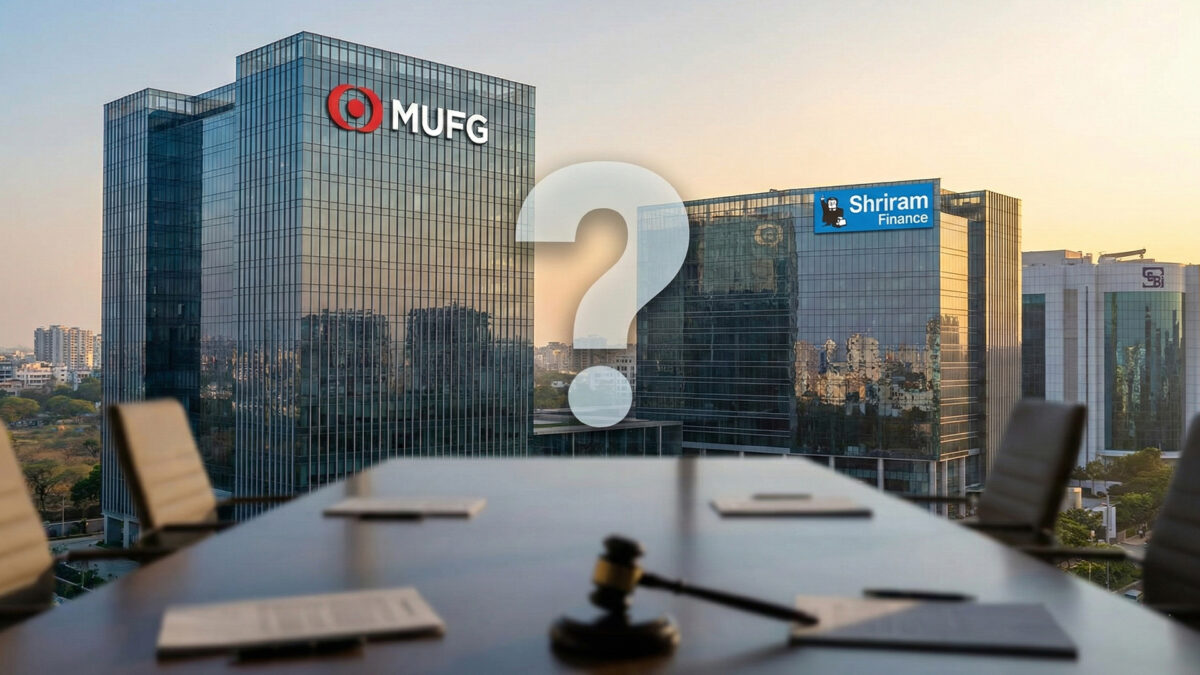
Japan’s Mitsubishi UFJ Financial Group (MUFG) Bank is set to invest $4.4 billion in Chennai‑based non‑bank lender Shriram Finance Ltd (SFL), acquiring a 20 per cent stake. While the deal is one of the largest inbound investments in India’s financial sector, a separate $200 million non‑compete fee for the Shriram promoter trust has sparked debate among regulators, shareholders, and advisory firms.

The non‑compete fee is intended to prevent the Shriram Ownership Trust (SOT), the promoter entity, from starting a competing business under the Shriram brand or any other name. Typically, non‑compete fees are paid when promoters exit a company, but in this case, SOT will remain a major shareholder and retain management control even after receiving the payment.

India’s market regulator, the Securities and Exchange Board of India (Sebi), requires fair treatment for all shareholders. Sebi rules say promoters cannot get extra compensation in securities transactions without board and shareholder approval. If such a fee is paid, it usually needs to be included in the open offer price for public shareholders. Here, however, MUFG is acquiring its stake through new share issuance, not a direct share purchase, making the rules less clear.

Investor advisory firms are split on the deal. Some, like IiAS and SES, have advised shareholders to reject the non‑compete payment, citing fairness concerns. Others, including InGovern and ISS, have supported it, highlighting different interpretations of the arrangement’s purpose.

The non‑compete period is also unusually long, lasting until MUFG’s stake drops below 10 per cent, which could effectively be permanent since MUFG is a long-term strategic investor. Experts say this raises questions about whether the fee is meant to secure promoter agreement rather than a genuine business need.

The Shriram‑MUFG case could set a precedent for how promoter non‑compete fees are treated under Indian law, influencing future large investments and corporate governance practices.

Also Read: India’s retail inflation hits 1.33% in December

Categories
Technology

Google launches AI shopping protocol

Google has introduced the Universal Commerce Protocol (UCP), an open-source standard designed to let AI agents manage online shopping for users. This protocol allows AI systems to discover products, compare prices, handle checkout, and manage orders without needing custom integrations for each retailer.

The protocol was developed in collaboration with major retail and payment partners including Shopify, Wayfair, Target, Walmart, Visa, Mastercard, and Stripe. It is designed to work across multiple platforms, making it easier for developers to build AI agents that can interact with different merchants and payment systems seamlessly.

UCP also integrates with complementary standards like the Agent Payments Protocol (AP2) for secure payments, Agent2Agent (A2A) for agent communication, and Model Context Protocol (MCP) for sharing context between AI systems. This makes the ecosystem more secure and interoperable.

Industry experts see UCP as a key step toward AI-driven commerce, where smart assistants could become the main interface for online shopping, similar to how mobile apps transformed e-commerce in the past decade.

For users, this means AI assistants like Google’s Gemini app or AI Mode in Search could soon handle the full shopping process, from finding products to completing payments, without leaving Google’s interface. Google Pay will handle transactions initially, with other payment systems planned in the future. Retailers remain the merchant of record, retaining control over data and order management.

Also Read: Trump plans 10% credit card interest cap

Categories
Beyond

Rupee slips 5 Paise to 90.22 against US dollar

The Indian rupee slipped by 5 paise to close at 90.22 against the US dollar on Tuesday, continuing its weak trend as global and domestic factors weighed on the currency. A stronger US dollar, firm crude oil prices and sustained selling by foreign investors kept the local unit under pressure.

The rupee opened on a cautious note in early trade and failed to recover during the session. Currency dealers said demand for the dollar remained high, while the supply of foreign funds stayed limited. The US dollar index moved higher, reflecting renewed strength in the American currency against major global peers.

Rising crude oil prices added to the rupee’s challenges. As India depends heavily on imported oil, higher prices increase the country’s import bill and push up dollar demand. This trend often weakens the rupee and raises concerns about inflation and the current account balance.

Another key factor impacting the rupee was continued foreign portfolio investor (FPI) outflows. Overseas investors have been trimming their exposure to Indian equities, leading to capital outflows and increased demand for dollars. Traders said this selling pressure has limited any meaningful recovery in the currency.

Market sentiment was also cautious ahead of global economic developments, particularly signals on US monetary policy. Expectations that interest rates in the US may remain elevated have strengthened the dollar and reduced risk appetite for emerging market assets.

However, the rupee’s losses were partly capped by suspected intervention from the Reserve Bank of India, which is believed to be active in smoothing sharp currency movements. Analysts said the central bank’s presence has helped prevent excessive volatility in the foreign exchange market.

Looking ahead, the rupee is expected to remain sensitive to global cues, oil price movements and foreign investment trends. Any improvement in risk sentiment or moderation in crude prices could provide some support to the currency in the near term.

Also Read: Germany eases air transit rules for Indians

Categories
Beyond

Gold at ₹1,42,160, Silver up ₹100 per kg

Gold and silver prices recorded a mild rise in the domestic market on Tuesday, reflecting steady demand for precious metals. According to market data, the price of 24-carat gold increased by ₹10 per ten grams and was trading at ₹1,42,160. The marginal uptick indicates continued interest in gold from investors seeking stability in uncertain economic conditions.

Gold prices remained largely uniform across major Indian cities. In Mumbai and Kolkata, 24-carat gold was priced at ₹1,42,160 per ten grams. Delhi saw slightly higher rates at ₹1,42,310, while Chennai quoted the highest among metros at ₹1,43,140 per ten grams. The price of 22-carat gold also rose by ₹10, with ten grams trading at ₹1,30,310 in most key markets, while Chennai again reported marginally higher prices.

Silver prices also moved higher during early trade. The metal gained ₹100 per kilogram and was trading at ₹2,70,100 per kg in Delhi, Mumbai, and Kolkata. Chennai continued to quote a premium for silver, with prices reaching ₹2,87,100 per kg, reflecting regional differences in demand and local market factors.

The rise in domestic bullion prices comes amid mixed cues from the global market. International gold prices have eased slightly after touching record highs in recent sessions, as investors booked profits. Despite the short-term correction, gold continues to trade at elevated levels, supported by geopolitical tensions, economic uncertainty, and expectations around future interest rate movements. Silver, too, has remained volatile but firm, backed by both investment demand and industrial usage.

Market experts say persistent global uncertainties, including inflation worries and currency fluctuations, are pushing investors towards precious metals. Gold and silver are traditionally seen as safe-haven assets, helping protect wealth during periods of market volatility and economic stress.

Looking ahead, bullion prices in India are expected to remain sensitive to international trends, movements in the rupee against the dollar, and policy signals from major central banks. Traders and investors are likely to closely track global developments, as these factors will play a crucial role in shaping the near-term direction of gold and silver prices in the domestic market.

Also Read: Sensex volatile as Nifty hovers near 25,800

Categories
Technology

Smartphone security rules under review in India

Center is planning new rules to make smartphones safer for users across the country. The proposed measures aim to protect people from online fraud, hacking, and misuse of personal data, as India now has nearly 750 million smartphone users.

Reports say the government has shared a draft of 83 security standards with major phone makers, including Apple, Samsung, Google, and Xiaomi, as part of ongoing consultations. These rules are still under discussion.

One of the most debated proposals is that smartphone makers may need to share their source code, the programming behind operating systems and apps. Government-approved labs could then review the code to identify security weaknesses before phones or software updates are released.

The draft also includes other user-focused measures, such as letting people delete pre-installed apps, preventing apps from secretly using cameras or microphones in the background, running automatic malware scans, and keeping security logs for at least a year to track threats. Companies may also need to inform the government before major software updates, helping authorities respond quickly to potential risks.

Global tech firms and industry groups have raised concerns, saying that sharing source code could expose trade secrets, slow software updates, and affect device performance or battery life.

The government’s Press Information Bureau (PIB) has clarified that reports suggesting companies will be forced to hand over source code are misleading. Officials stressed that no final rule has been approved and that consultations are still in an early stage. They said the aim is to improve smartphone security while also taking industry concerns into account, with any final decisions to be made only after proper discussions with all stakeholders.

Also Read: Mukesh Ambani commits Rs 7 Lakh cr to Gujarat for 5 years

Categories
Leaders

Mukesh Ambani commits Rs 7 Lakh cr to Gujarat for 5 years

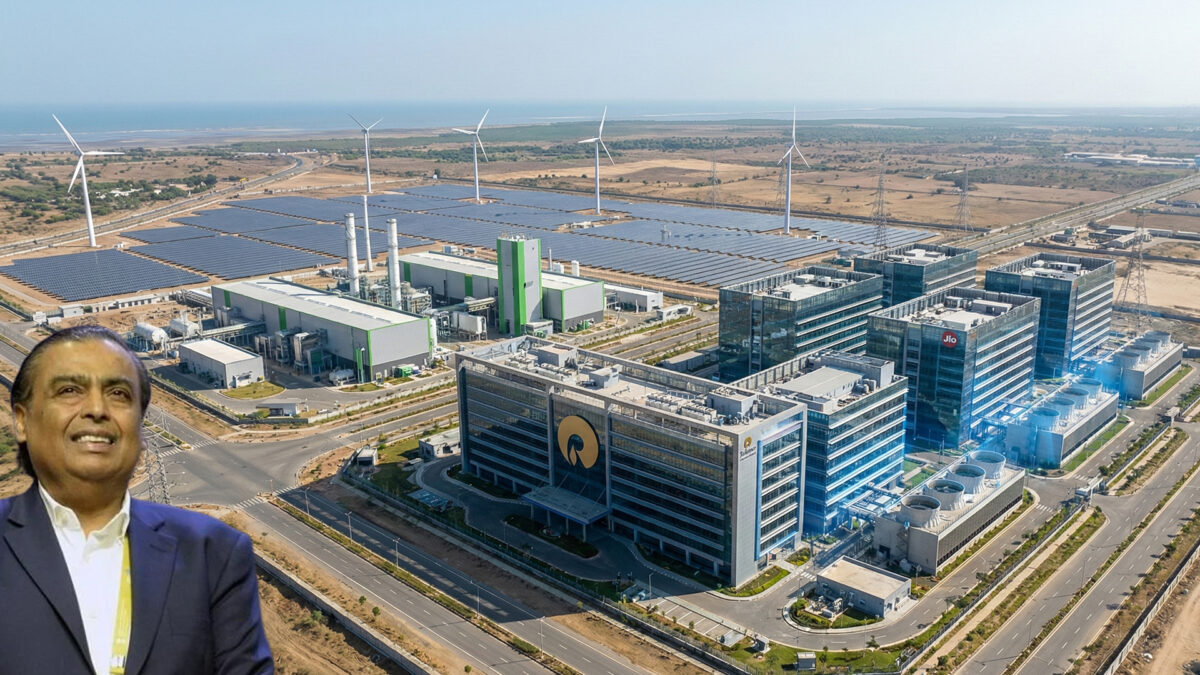
Reliance Industries Chairman Mukesh Ambani on Sunday announced an investment of Rs 7 lakh crore in Gujarat over the next five years, reaffirming the group’s long-term commitment to the state. The announcement was made at the Vibrant Gujarat Regional Conference held in Rajkot, which focused on development in the Kutch and Saurashtra regions.

Ambani said the proposed investment is nearly double what Reliance invested in Gujarat over the previous five years. He described the commitment as a strategic push to strengthen Gujarat’s role in India’s growth story, while creating large-scale employment and boosting industrial capacity.

A major share of the investment will go into transforming Jamnagar into a global clean energy hub. Reliance plans to expand projects related to solar power, green hydrogen, energy storage and advanced materials. The Jamnagar complex, already a key refining and petrochemicals centre, is expected to evolve into a major exporter of clean energy solutions.

Reliance also plans to set up one of India’s largest AI-ready data centres in Gujarat and roll out an India-specific artificial intelligence platform through Jio. The platform is aimed at making AI accessible in Indian languages and supporting digital services across sectors.

In addition to energy and technology, the investment roadmap includes healthcare, education and sports infrastructure. Ambani said Reliance would support Gujarat’s preparations for hosting the 2036 Olympic Games, if India’s bid succeeds.

At the same event, Adani Ports and SEZ Managing Director Karan Adani announced a Rs 1.5 lakh crore investment plan for Mundra, including port expansion and a large renewable energy park. Together, the announcements underscored Gujarat’s position as a major destination for private investment.

Also Read: Adani plans ₹1.5 lakh cr investment in Kutch