Categories
Leaders

Sandeep Bakhshi gets reappointed as ICICI Bank CEO

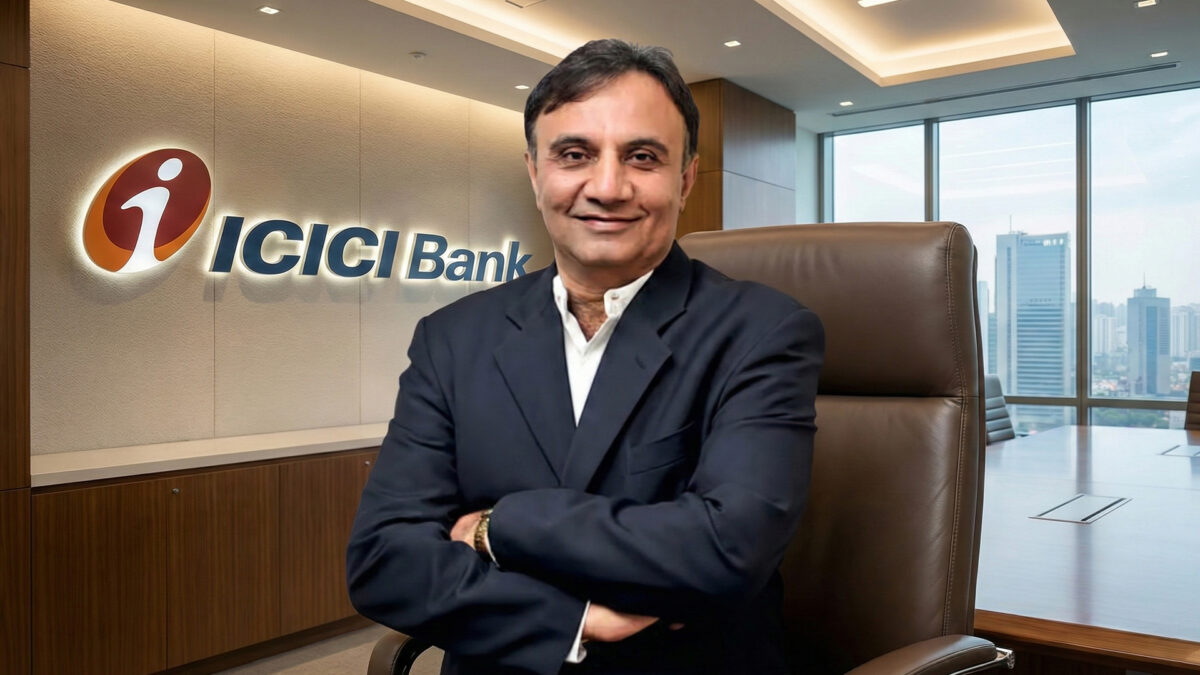
ICICI Bank has reappointed Sandeep Bakhshi as its Managing Director and Chief Executive Officer for an additional two years, keeping him at the helm until October 3, 2028.

The decision was made at a board meeting on January 17, 2026, and disclosed through a regulatory filing. Bakhshi has been leading ICICI Bank since October 2018 and has over 30 years of experience across the ICICI Group, including roles at ICICI Bank, ICICI Prudential Life Insurance, ICICI Lombard, and ICICI Limited.

In addition to Bakhshi, the board also approved the two-year extension of Executive Director Ajay Kumar Gupta, effective from November 27, 2026, to November 26, 2028. Both appointments are subject to approvals from the Reserve Bank of India, shareholders, and other statutory authorities.

Bakhshi’s reappointment comes as ICICI Bank continues to show steady operational performance. While the bank reported a slight decline in net profit for the quarter ended December 31, 2025, due to higher provisions following a regulatory review of agricultural loans, key metrics such as net interest income, asset quality, and loan growth remained robust. Analysts say that extending Bakhshi’s tenure ensures leadership continuity, which is crucial for maintaining strategic stability and investor confidence.

The board’s decision highlights the bank’s strategy of balancing performance, governance, and regulatory compliance, ensuring confidence among shareholders, customers, and stakeholders.

Under Bakhshi’s leadership, ICICI Bank has strengthened its presence in both retail and corporate banking, focusing on disciplined growth, technological innovation, and risk management. The bank’s board emphasized that these extensions reflect a commitment to strong corporate governance while providing stability in management during a period of evolving market conditions.

Also Read: EIL wins $350 million Dangote refinery deal
Categories
Corporate

EIL wins $350 million Dangote refinery deal
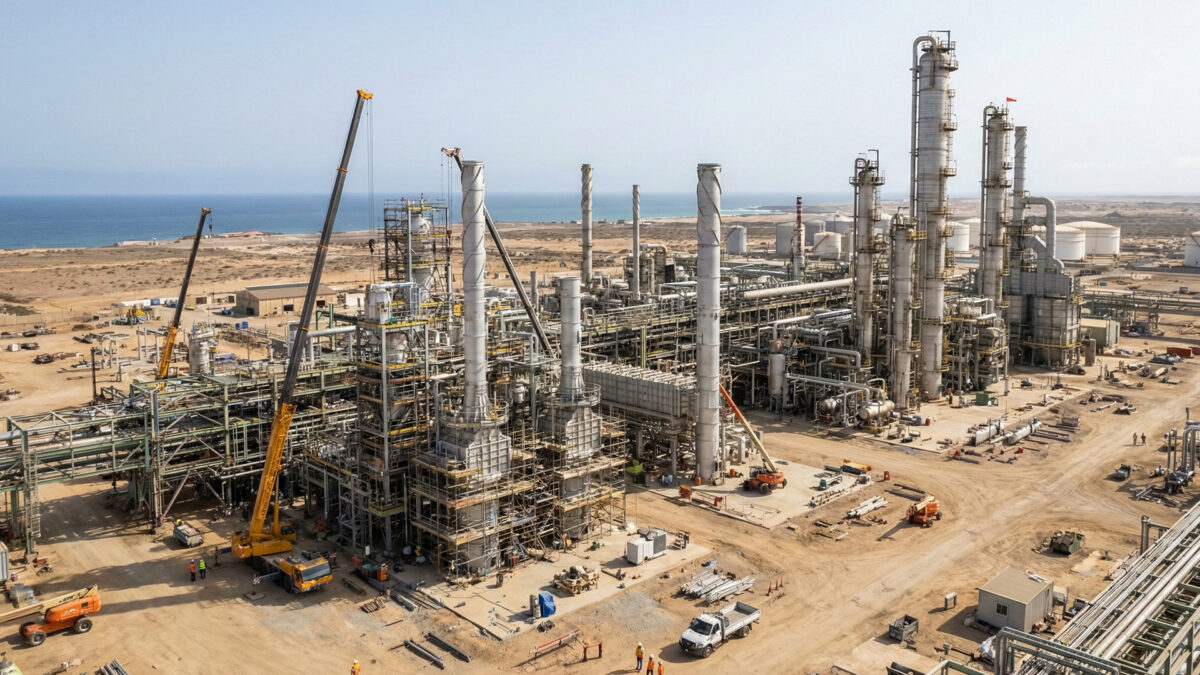
Engineers India Limited (EIL), a government-owned engineering and consultancy company, has won a major overseas contract worth more than $350 million from Nigeria’s Dangote Group. The contract is for the expansion of the Dangote Refinery and Petrochemical Complex, which is already the largest oil refinery in Africa.

Under this deal, EIL will work as a Project Management Consultant (PMC) and Engineering, Procurement and Construction Management (EPCM) consultant. This means the Indian firm will help plan, design, manage and supervise the expansion work to ensure it is completed on time and meets qualityերից.

The Dangote refinery is currently operating at a capacity of 650,000 barrels of crude oil per day. With the new expansion, the capacity will be increased to 1.4 million barrels per day, making it the largest single-location refinery in the world. The expansion will also allow the refinery to produce cleaner, Euro VI-grade fuels, which meet stricter global environmental standards.

Apart from fuel, the project will significantly boost petrochemical production, especially polypropylene, which is widely used in plastics and packaging. Annual polypropylene output will rise from 830,000 tonnes to 2.4 million tonnes. This increase will be achieved by upgrading existing units and adding new large-scale facilities, including a new propylene production unit.

EIL had earlier played a key role in building the first phase of the Dangote refinery, which was commissioned in 2024 at the Lekki Free Zone in Nigeria. The successful completion of that phase helped establish trust between the two companies, leading to this new and larger contract.

The expanded refinery is expected to reduce Africa’s heavy dependence on imported refined fuels, improve energy security, and support industrial growth across the region. For Nigeria, the project is a major step towards becoming a key supplier of refined petroleum products and petrochemicals.

Also Read: CG Power wins ₹900 cr US Data Centre order

Categories
Corporate

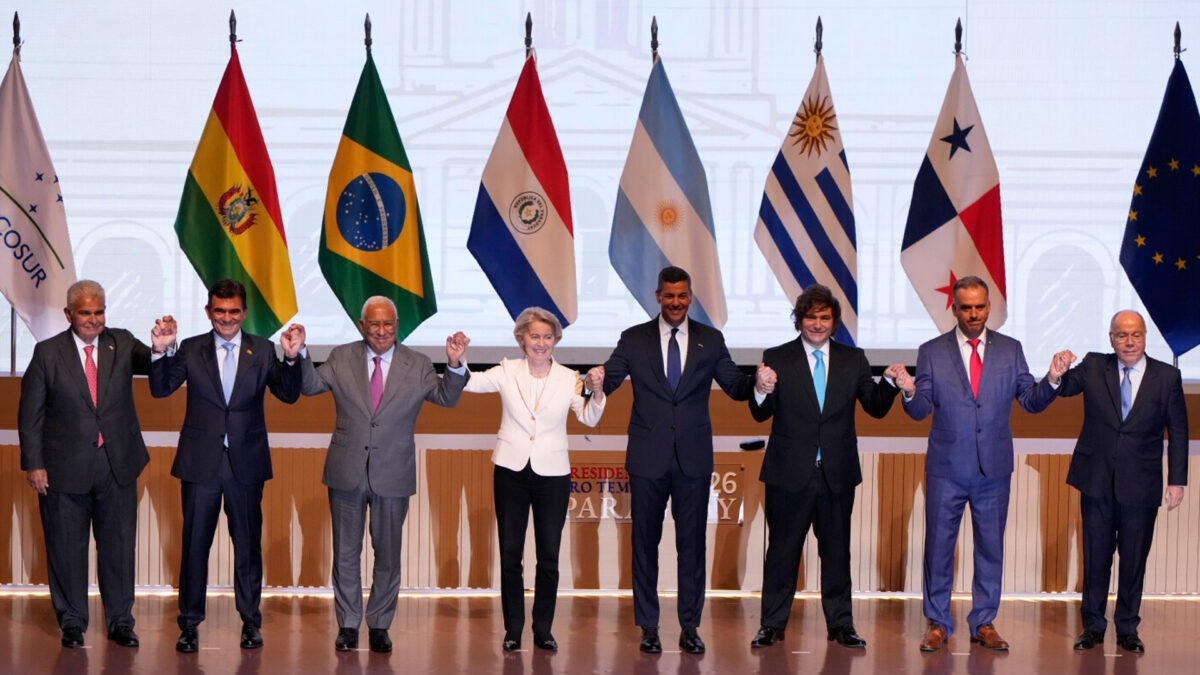
EU and Mercosur seal major trade deal

The European Union (EU) and the Mercosur bloc of South American countries have signed a historic free trade agreement, ending more than 25 years of negotiations. The deal, signed on January 17, 2026, in Paraguay, is expected to create one of the world’s largest trade zones, connecting over 700 million people and boosting economic ties between the two regions.

Mercosur includes Argentina, Brazil, Paraguay, and Uruguay. Bolivia is not part of the deal yet, and Venezuela remains suspended from the bloc. The agreement aims to gradually remove most tariffs on goods traded between the EU and Mercosur, including cars, machinery, and chemicals. This is expected to save businesses billions in customs fees and make products cheaper for consumers.

European Commission President Ursula von der Leyen called the deal a choice for “fair trade over tariffs,” highlighting its importance for Europe’s global trade strategy. Argentina’s President Javier Milei also welcomed the pact, viewing it as a boost for free trade and economic growth.

The agreement still needs approval from the European Parliament and the national parliaments of Mercosur countries before it comes into effect. Some European farmers and environmental groups have expressed concerns, fearing that cheaper imports could hurt local agriculture and worsen environmental issues, like deforestation. To address this, the deal includes quotas and safeguards, and the EU has promised support for its farming sector.

Supporters say the pact is not just about trade—it also strengthens political and economic ties between Europe and South America. Analysts note it could serve as a model for other large trade agreements in a time of rising global protectionism and supply chain challenges.

Once fully implemented, the EU-Mercosur deal is expected to increase exports, lower costs for consumers, and encourage investment in industries across both regions.

Also Read: Tata Motors pushes for budget relief for entry-level EVs

Categories
Beyond

Gold at ₹1,43,770, Silver slips below ₹2.95 lakh

Gold and silver prices saw a marginal decline in the domestic bullion market on Monday, January 19, 2026, after holding near record highs in recent sessions. According to market data, the price of 24-carat gold slipped by ₹10 to ₹1,43,770 per 10 grams, while silver fell by ₹100 to trade at ₹2,94,900 per kilogram .

The price of 22-carat gold also edged lower by ₹10 and was quoted at ₹1,31,790 per 10 grams. Despite the dip, gold prices continue to remain elevated, reflecting strong investor demand and sustained interest in safe-haven assets.

Across major cities, gold prices showed minor variations. In Mumbai and Kolkata, 24-carat gold was priced at ₹1,43,770 per 10 grams, while Delhi recorded a slightly higher rate of ₹1,43,920. Chennai continued to see higher prices, with gold trading at ₹1,44,860 per 10 grams. Silver prices also differed by location, with Chennai quoting silver at a higher ₹3,09,900 per kilogram, compared with ₹2,94,900 in most other markets .

Market experts said the slight correction comes after a strong rally in precious metals over the past few weeks. Gold and silver prices have surged recently due to global economic uncertainty, geopolitical tensions, and expectations around interest rate movements in major economies. These factors have increased the appeal of bullion as a hedge against inflation and financial market volatility.

Internationally, spot gold and silver prices are hovering close to their recent peaks, lending continued support to domestic prices.

Jewellery demand, investment buying, and safe-haven interest are expected to keep gold and silver prices supported in the coming weeks.

Analysts believe that while short-term fluctuations are likely, the broader outlook for precious metals remains firm due to sustained global demand and cautious investor sentiment.

Also Read: Sensex slumps 500+ points, Nifty slips below 25,550

Categories
1 Minute-Read

Cipla falls 3% on Lanreotide supply halt

Shares of Cipla Ltd dropped over 3% after a temporary halt in production of its key US drug, Lanreotide, due to quality issues at its European supplier.

Lanreotide is one of Cipla’s top three US revenue-generating products, and the disruption has raised investor concerns. Brokerages including Morgan Stanley and Nuvama cut target prices, citing risks to FY27 earnings from the supply pause, rising competition, and loss of exclusivity on other drugs.

Cipla expects resupply in the first half of FY27, creating near-term uncertainty for its financial outlook.

Categories
Technology

X faced second global outage in 3 days

Social media platform X, formerly known as Twitter, went down on Friday, affecting users in India and other countries. This is the second major outage in just three days, causing frustration among users who rely on the platform for news, updates, and communication.

The outage started around 8 pm IST in India, with users reporting that timelines were not loading, posts could not be uploaded, and direct messages were not working. On the outage tracking website Downdetector, more than 4,500 reports appeared within an hour, showing the scale of the disruption.

The problem was not limited to India. Users in the United States, the UK, Canada, and several European and Asian countries also reported issues. Most complaints involved the core functionality of X, including posting tweets, refreshing feeds, and accessing the app or website.

Earlier this week, X had a similar outage, and the back-to-back issues highlight ongoing technical problems. Users have expressed concern about the platform’s reliability, especially since X is widely used for both personal communication and professional updates.

As of now, X has not provided a detailed explanation for the outage or given a timeline for when all issues will be fully resolved. Many users are turning to other social media platforms to stay connected while X experiences intermittent problems.

Tech experts say that repeated outages could affect user confidence, as platform stability and uptime are critical for social media services. Continuous disruptions can lead users to explore alternatives and put pressure on the company to improve its infrastructure.

Also Read: India’s first $10bn green ammonia venture in Andhra

Categories
Technology

India steps up antitrust heat on Apple

India’s competition watchdog has intensified its scrutiny of Apple Inc. after rejecting the company’s request to temporarily halt an ongoing antitrust investigation into its App Store policies. The Competition Commission of India (CCI) has made it clear that the probe will continue, warning Apple that repeated delays and non-compliance will no longer be tolerated.

The case originates from complaints filed by Tinder owner Match Group and several Indian start-ups, who allege that Apple abused its dominant position in the iOS ecosystem. They claim Apple forces app developers to use its in-app payment system and restricts them from informing users about alternative payment options. Such practices, the complainants argue, increase costs for developers and limit consumer choice.

A CCI investigation report prepared last year found prima facie evidence suggesting Apple engaged in anti-competitive conduct. Apple has strongly contested these findings, maintaining that its App Store rules are designed to ensure user security, privacy, and a consistent digital experience.

In recent months, Apple sought to pause the antitrust proceedings, citing a separate legal challenge in the Delhi High Court. The company is questioning amendments to India’s Competition Act and new penalty guidelines that allow regulators to calculate fines based on a firm’s global turnover. Apple argues that this could expose it to disproportionately large penalties for alleged violations linked only to the Indian market.

However, in a confidential order issued late December, the CCI rejected Apple’s request. The regulator noted that Apple had already been granted multiple extensions to submit financial data and responses, and that further delays would undermine the investigation process. The CCI warned that it could proceed with the case even without Apple’s cooperation if deadlines are missed.

The standoff highlights India’s increasingly assertive approach to regulating large technology companies. Authorities have signalled that global tech giants will be held to the same competitive standards as domestic firms.

Also Read: ICICI Bank Q3 profit seen up 7.5%

Categories
1 Minute-Read

ICICI Bank Q3 profit seen up 7.5%

ICICI Bank is expected to report a steady performance in the December quarter, with analysts forecasting up to 7.5 percent year-on-year growth in profit after tax.

The growth is likely to be driven by healthy loan expansion, especially in retail and small business segments. Net interest income is estimated to rise around 6–8 percent, supported by strong credit demand.

Net interest margins are expected to remain largely stable despite pressure from funding costs. Market participants will closely track asset quality, fee income and provisioning trends when the bank announces its Q3 results.

Categories
Corporate

Sensex gains 187 points, Nifty crosses 25,650

Indian equity markets closed higher on Friday, with the BSE Sensex rising 187 points and the Nifty 50 climbing past 25,650, as investors reacted positively to quarterly earnings and sectoral gains. The rally was led by strong performances in IT and banking stocks, which supported the broader market uptrend.

The session began with a positive momentum, and the Sensex touched early gains of over 300 points. Investor sentiment was boosted by robust results from major companies, particularly in the technology sector. Infosys shares jumped after the company raised its full-year revenue forecast, prompting buying across IT stocks. Wipro also saw a strong intraday rally ahead of its Q3 results.

Banking stocks contributed significantly to the gains, with HDFC Bank, ICICI Bank, and South Indian Bank leading the pack. Analysts highlighted expectations of solid profit growth for the upcoming quarterly announcements, attracting investor interest. The Bank Nifty crossed the 60,000 mark during the session, reflecting sectoral strength.

While domestic markets were upbeat, external factors added some volatility. The Indian rupee weakened past 90.80 against the U.S. dollar, marking its largest single-day drop in almost two months. Commodity prices were mixed, with gold softening on stronger U.S. economic data that reduced near-term rate cut expectations.

Globally, Asian markets showed uneven trends as investors weighed regional economic data and geopolitical developments. Despite this, the positive earnings momentum in India helped sustain domestic market gains.

Overall, Friday’s trading highlighted investor focus on corporate earnings and sectoral leadership, especially in IT and banking. Market analysts expect these sectors to continue influencing near-term market direction as quarterly results unfold.

Also Read: Sensex surges over 700 points, Nifty tops 25,850

Categories
Leaders

Soumith Chintala named CTO of Thinking Machines Lab

Soumith Chintala, an Indian-origin artificial intelligence expert and one of the key creators of the popular deep-learning framework PyTorch, has been appointed Chief Technology Officer (CTO) of Thinking Machines Lab, an AI research company co-founded by former OpenAI executive Mira Murati. The appointment comes after the departure of the company’s previous CTO, Barret Zoph, and marks a major leadership move for the fast-growing AI startup.

Murati welcomed Chintala’s appointment, describing him as a highly respected technologist who has played a crucial role in shaping modern AI research over the past decade. Chintala had joined Thinking Machines Lab in November 2025 as a senior technical member and has now been promoted to lead the company’s overall technology and research direction. As CTO, he will be responsible for strengthening the firm’s engineering team and guiding the development of advanced AI systems.

Soumith Chintala was born and raised in Hyderabad. He completed his schooling at Hyderabad Public School and later earned a Bachelor of Technology degree in Information Technology from the Vellore Institute of Technology (VIT), Tamil Nadu, in 2009. After moving to the United States, he pursued a Master’s degree in Computer Science at New York University, where he worked under renowned AI scientist Yann LeCun and focused on deep learning research.

Chintala spent more than a decade at Meta (formerly Facebook), where he rose to senior leadership positions, including Vice President and Distinguished Engineer. During his time at Meta AI Research, he co-created PyTorch, an open-source machine learning framework that is now widely used by researchers, startups, and large technology companies across the world. PyTorch is considered one of the most influential tools in the rapid growth of artificial intelligence in recent years.

Despite his success, Chintala’s journey was not without challenges. He has previously spoken about facing several job rejections early in his career, highlighting the persistence and resilience that shaped his professional path.

His appointment as CTO of Thinking Machines Lab is seen as a significant step for the company as it aims to build cutting-edge, responsible AI technologies. It also stands as an inspiring milestone for Indian students and engineers aspiring to make a global impact in the field of artificial intelligence.

Also Read: Moody’s improves outlook for 3 key Adani firms