Categories
Technology

Ubisoft restructures, cancels six games

French gaming giant Ubisoft is making major changes to its operations to boost creativity and focus on quality. The company will now operate through five “Creative Houses,” each responsible for its own games, finances, and publishing decisions.

One division, Vantage Studios, backed by a €1.16 billion investment from Tencent, will manage big franchises like Assassin’s Creed, Far Cry, and Rainbow Six. The other four will focus on competitive shooters, live-service games, story-driven adventures, and family-friendly titles.

As part of the overhaul, Ubisoft is cancelling six games, including the highly anticipated Prince of Persia: The Sands of Time remake, and delaying at least seven others. Some projects will now launch later than originally planned.

The restructuring also affects several studios worldwide, including locations in Halifax and Stockholm, as the company adjusts its workforce and reduces costs. Employees will also return to a five-day in-office workweek.

Financially, Ubisoft expects around €1.5 billion in net bookings for 2026 but a €1 billion operating loss due to cancellations and delays. The company has already cut €100 million in costs and aims for an additional €200 million in savings over the next two years, with potential asset sales.

Ubisoft’s leadership says the changes will strengthen creativity, improve game quality, and ensure long-term sustainability while keeping players engaged with a more focused portfolio.

Also Read: Trump ends Europe tariff threat after Arctic deal
Categories
Beyond

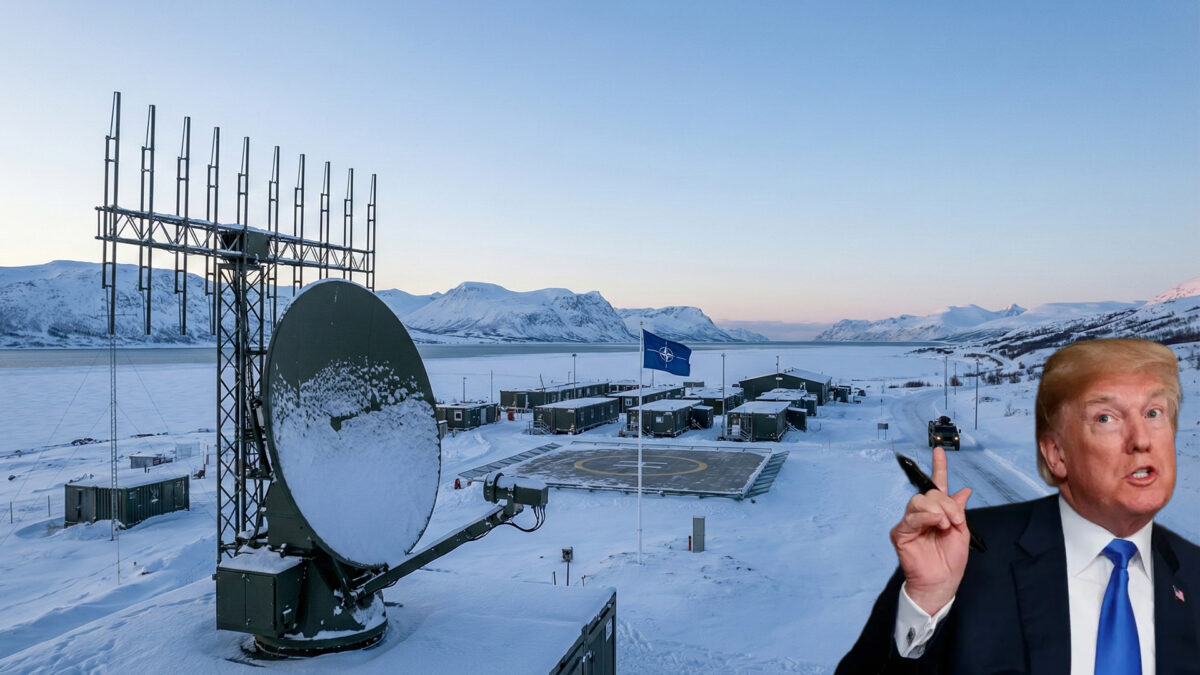
Trump ends Europe tariff threat after Arctic deal

President Donald Trump announced on Wednesday that he is dropping planned tariffs on several European countries, following what he described as reaching a “framework of a future deal” with NATO on Greenland and Arctic security. Trump made the announcement at the World Economic Forum in Davos, Switzerland, where he has been attending discussions with world leaders.

Trump said the framework, agreed with NATO Secretary-General Mark Rutte, establishes a plan for cooperation on Arctic security and makes the previously threatened tariffs unnecessary. He framed the agreement as a major achievement for the US, describing it as a “very productive meeting” that could benefit both the US and its NATO allies.

Earlier, Trump had threatened tariffs on eight European countries to pressure them into accepting US influence over Greenland, a semi-autonomous territory of Denmark. While his earlier comments included unusual suggestions about acquiring Greenland, he emphasized in Davos that the US would not use military force and that the framework is focused on security cooperation, not sovereignty.

The announcement had a positive effect on global markets, with US stock indices rising after news of the tariff cancellation. Analysts said it eased fears of a trade confrontation between the US and European nations.

However, Denmark’s leadership rejected Trump’s interpretation of the agreement. Danish Prime Minister Mette Frederiksen stated that Greenland’s sovereignty is not negotiable and that any cooperation with the US would strictly focus on security in the Arctic. Greenland’s government also reinforced that the island is not for sale, reflecting long-standing European concerns over Trump’s earlier remarks.

Also Read: Coursera cofounder urges India to boost AI skills

Categories
Beyond

Gold trades at ₹1.56 lakh, silver strengthens by ₹100

Gold and silver prices in India posted marginal gains on Thursday, reflecting cautious buying interest amid mixed signals from global markets. According to market data, gold prices increased by ₹10 per 10 grams, while silver prices rose by ₹100 per kilogram in early trade.

In the domestic bullion market, 24-carat gold was priced at ₹1,56,610 per 10 grams. The yellow metal traded at the same level in major cities such as Mumbai and Kolkata. In Delhi, gold was slightly higher at ₹1,56,760 per 10 grams, while Chennai saw prices at ₹1,57,270. The small uptick indicates a stable trend, with prices holding near record-high levels seen in recent weeks.

Prices of 22-carat gold also moved up marginally. The metal was quoted at ₹1,43,560 per 10 grams in Mumbai, Kolkata, Bengaluru and Hyderabad. In Delhi, the 22-carat gold rate stood at ₹1,43,710, while Chennai recorded a slightly higher price of ₹1,44,160 per 10 grams. Jewellers noted that retail demand remains selective, as elevated prices have kept many buyers cautious.

Silver prices, meanwhile, continued to stay firm. The white metal was trading at ₹3,30,100 per kilogram in Delhi, Mumbai and Kolkata, marking a ₹100 increase from the previous session. Chennai continued to quote silver at a premium, with prices at ₹3,45,100 per kilogram, reflecting higher local demand and logistics costs.

Market experts said domestic bullion prices are being influenced by a combination of international trends, currency movements and investor sentiment. Globally, gold and silver prices have shown some softness due to a stronger US dollar and reduced immediate geopolitical concerns. However, ongoing economic uncertainty and expectations around interest rate decisions have helped limit sharp declines.

Silver, in particular, has seen strong interest in recent months, supported by both investment demand and its growing use in industrial applications such as electronics and renewable energy. Gold, traditionally seen as a safe-haven asset, continues to attract investors looking to hedge against inflation and market volatility.

Also Read: Sensex jumps 300 points, Nifty reclaims 25,250

Categories
Technology

Amazon launches new Echo Show 11, Echo Show 8

Amazon has expanded its smart home portfolio in India with the launch of the Echo Show 11 and the new Echo Show 8, offering consumers larger displays, improved audio and more intelligent home control features. The new devices are aimed at users who want a central screen for entertainment, communication and smart home management.

The Echo Show 11 comes with an 11-inch full-HD touchscreen, while the Echo Show 8 features an 8.7-inch HD display with slimmer bezels. Both devices are designed to be used hands-free with Alexa or through touch controls, making them suitable for kitchens, living rooms and workspaces. Users can watch videos, check calendars, follow recipes, make video calls or control connected devices from a single screen.

A key highlight is Amazon’s Omnisense technology, which combines motion detection, presence sensing and temperature monitoring. This allows the Echo Show devices to automate tasks such as switching on lights when someone enters the room or adjusting settings based on activity. The built-in 13-megapixel camera supports auto-framing and noise reduction, ensuring clearer video calls and easier monitoring of compatible security cameras.

Audio performance has also been upgraded. Both models feature front-firing stereo speakers and a custom woofer, delivering louder, clearer sound with deeper bass. Users can stream music from services such as Amazon Music, Spotify, Apple Music, JioSaavn and Audible. Video streaming is supported through Prime Video, Netflix and web access to platforms like YouTube.

Privacy remains a focus, with physical buttons to turn off the microphone and camera, along with settings that allow users to review and delete voice recordings.

In India, the Echo Show 11 is priced at ₹26,999, while the Echo Show 8 costs ₹23,999. Both models are available in Graphite and Glacier White colours through Amazon.in and select retail partners. Amazon has also confirmed that the devices will be compatible with its upcoming Alexa+ AI assistant, promising more natural conversations and smarter assistance in the future.

Also Read: IMF raises India’s FY26 growth forecast to 7.3%

Categories
Leaders

Coursera cofounder urges India to boost AI skills

India faces a pressing need to train its workforce in artificial intelligence (AI) to avoid job disruption, particularly in its large IT services industry, says Andrew Ng, cofounder of Coursera and founder of DeepLearning.AI. Speaking at the World Economic Forum, Ng said the $280 billion IT sector could lose ground if professionals fail to adopt AI tools quickly.

Ng explained that AI is increasingly capable of handling tasks once done by humans, including coding and software development. “Today, I would not hire a software engineer who isn’t skilled in AI tools,” he said. He also highlighted that AI skills are becoming essential beyond technical roles—marketers, HR professionals, and others now need to use AI to remain productive.

The situation presents both a challenge and an opportunity for India. Rapid upskilling could help the country maintain its global competitiveness, while lagging behind may lead to job losses. Ng emphasised that structured training programs are crucial to prepare workers for these changes.

Ng also addressed the hype around artificial general intelligence (AGI), warning that current AI models, while powerful, are far from human-level reasoning. Overstating their capabilities could mislead students and business leaders.

He added that CEOs and other leaders should also learn about AI to make informed decisions and drive effective projects. Ng’s advice is clear: India must focus on practical AI skills to secure its workforce and future growth.

Also Read: Adani Power’s Vidarbha takeover gets final nod

Categories
Beyond

India exports first guided Pinaka rockets abroad

India has taken a significant step in expanding its defence exports with the flagging off of the first batch of guided Pinaka rockets from Nagpur, Maharashtra, by Defence Minister Rajnath Singh. The export marks a major milestone for India’s defence manufacturing sector, highlighting the country’s growing footprint in the global defence market.

The shipment is part of a Rs 2,000 crore contract signed in September 2022 with Armenia, which will receive four batteries of the Pinaka multi-barrel rocket launcher system, along with ammunition and support equipment. This is the first international sale of the guided variant, which offers improved accuracy and extended strike range, positioning India as a competitive player in advanced missile systems.

Developed by the Defence Research and Development Organisation (DRDO) and produced in collaboration with Solar Defence & Aerospace Limited (SDAL), the Pinaka system incorporates advanced navigation and guidance technology, enhancing battlefield precision. Analysts note that the system’s performance has drawn interest from multiple global markets, reflecting growing confidence in India’s defence manufacturing capabilities.

Earlier deliveries of unguided and extended-range variants to Armenia were completed by late 2024. The current guided variant export strengthens India’s strategic partnership with Armenia and demonstrates the country’s ability to deliver high-technology systems internationally.

Rajnath Singh emphasised at the flag-off event that India is transitioning from a defence importer to a reliable global exporter, leveraging domestic manufacturing and innovation. The event also highlights increasing private sector participation, a key government focus under the Atmanirbhar Bharat initiative to boost defence exports and self-reliance.

The launch of guided Pinaka rockets underlines India’s emerging role as a strategic defence supplier, supporting both its economic and geopolitical objectives while boosting investor confidence in the country’s defence manufacturing sector.

Also Read: S4Capital chief praises India at WEF 2026, Davos

Categories
1 Minute-Read

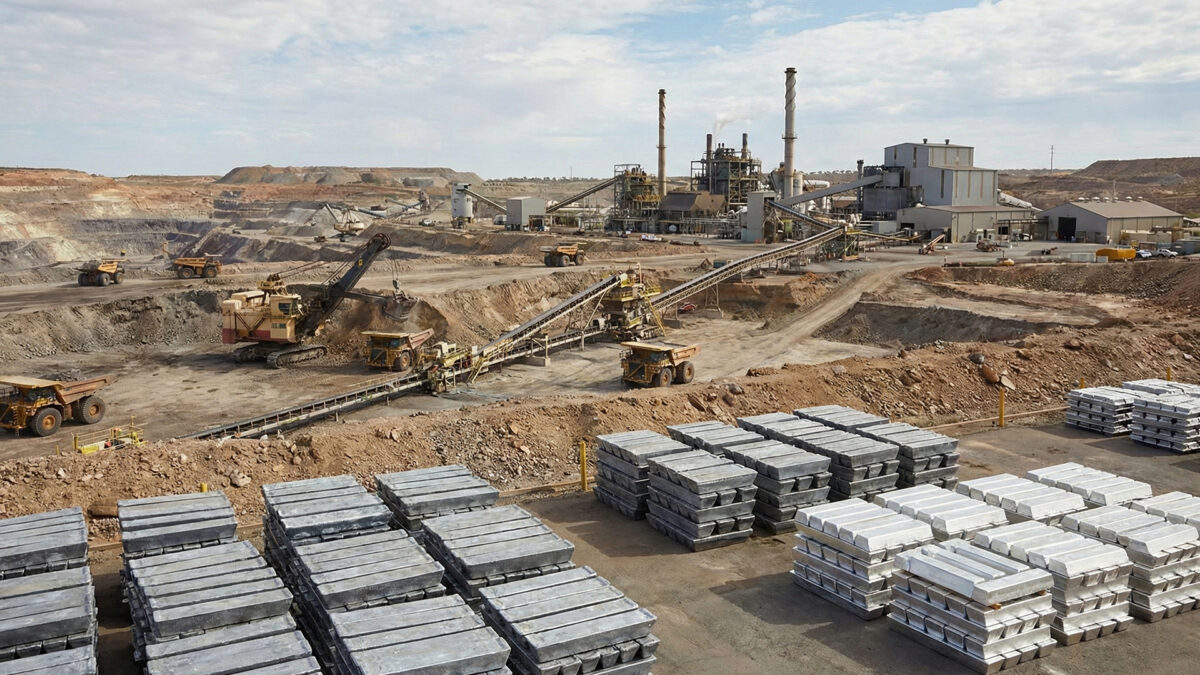
Hindustan Zinc gains 2% on Q3 boost

Hindustan Zinc shares rose nearly 2 percent after the company posted strong third-quarter results, helped by a sharp rise in silver prices.

Net profit jumped around 46 percent year-on-year to about ₹3,900 crore, while revenue increased nearly 28 percent, supported by higher metal prices and steady production. Silver emerged as a key earnings driver during the quarter, benefiting from record global prices.

Following the results, several brokerages maintained a positive outlook and raised target prices, citing strong cash flows. However, some analysts advised caution, pointing to rich valuations despite the solid performance.

Categories
Leaders

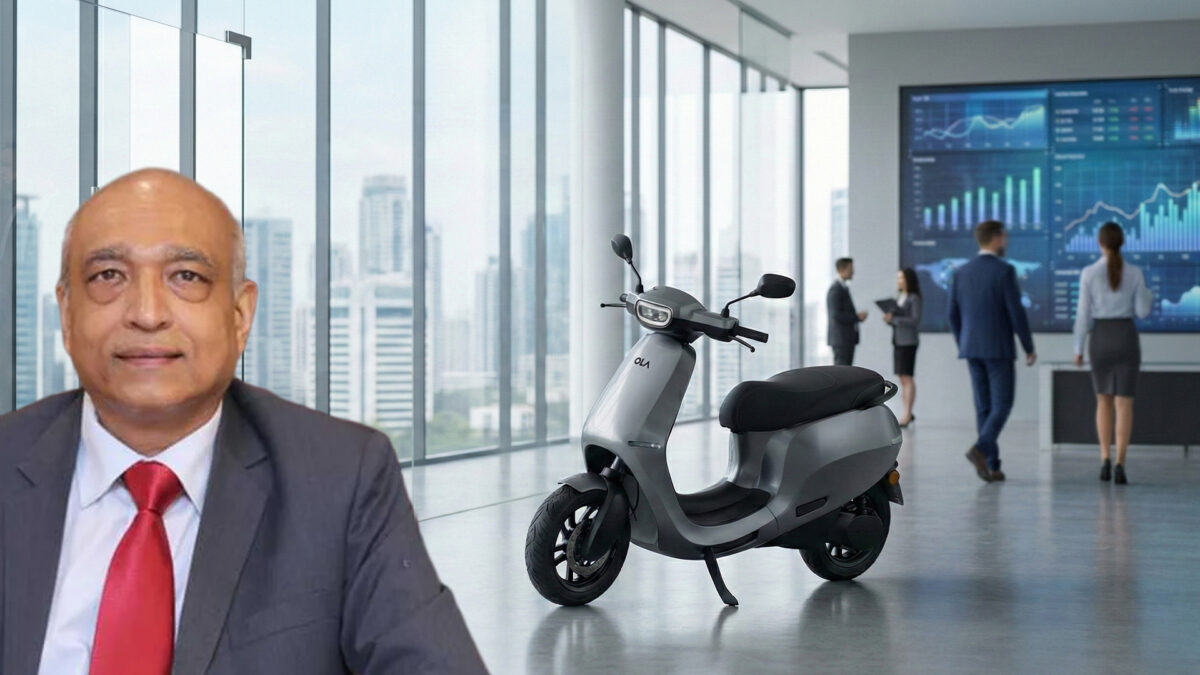
Ola Electric CFO quits, Deepak Rastogi takes over

Ola Electric, the Indian electric two‑wheeler maker, announced a key leadership change as Chief Financial Officer (CFO) Harish Abichandani resigned, and Deepak Rastogi was appointed as his successor, effective January 20, 2026. The company informed stock exchanges of the development through an official filing on Monday.

Abichandani, who joined Ola Electric in late 2023, stepped down citing personal reasons. In his resignation letter to CEO Bhavish Aggarwal, he thanked the leadership and board for their support and described his tenure at Ola as a “wonderful experience.”

The board of Ola Electric approved Deepak Rastogi as the new CFO on January 19. Rastogi, a chartered accountant with over 30 years of experience, has held senior finance positions in companies like Tata AutoComp Systems, The Timken Company, DuPont, Castrol, Alcatel, and Raymond. His expertise spans capital markets, strategic planning, governance, IPOs, and cross-border mergers and acquisitions.

This leadership change comes amid a period of executive turnover at Ola Electric, with several senior leaders leaving over the past months, including heads of marketing, technology, and cell operations.

Since its public launch in 2024, Ola Electric has faced increased competition in India’s electric two‑wheeler market. Sales growth has slowed, and rivals have expanded their offerings, prompting the company to revise its revenue outlook and strengthen its operations.

Rastogi’s appointment is expected to bring stability to the company’s financial leadership and support Ola Electric as it navigates operational and market challenges. The company hopes that his extensive experience in strategy and finance will help it sustain growth and maintain investor confidence.

Also Read: Global markets fall on US Greenland tariff threats

Categories
Corporate

Sensex falls 350 points, Nifty slips below 25,500

Indian equities extended losses for a second session on Tuesday, January 20, with the BSE Sensex shedding over 350 points and the Nifty 50 breaching the 25,500 level. Weak global cues, including US tariff tensions reigniting trade-war fears, combined with mixed Q3 earnings and a depreciating rupee, fueled investor caution and sustained foreign selling pressure.

Markets opened flat despite ambivalent GIFT Nifty signals but quickly faced broad-based selling, led by heavyweights in financials and IT sectors. Sideline positioning dominated as participants navigated earnings volatility and fragile international sentiment.

Bright spots emerged in renewables and select industrials. Tata Capital rallied on robust quarterly profit growth before profit-taking curbed gains. ACME Solar climbed after commissioning a Gujarat wind project, underscoring momentum in India’s green energy push. Bajaj Electricals also drew buyers on positive wires and cables updates.

Countering these, LTIMindtree plunged on an 11% net profit drop for the December quarter, blamed on one-off costs. Asian Paints and Bajaj Finance lagged sharply, capping any rebound and amplifying benchmark declines.

Broader markets stayed muted, with buying confined to news-driven names. Safe-haven gold and silver hit record highs amid risk-off flows globally. Eyes remain on crude oil, forex swings, and geopolitics for near-term direction.

Also Read: Steel prices rise on safeguard duty and exports

Categories
Corporate

Sensex drops 324 Points, Nifty slides below 25,600

Markets ended sharply lower on Monday as the BSE Sensex fell 324.17 points to settle at 83,246.18, while the NSE Nifty 50 dropped 108.85 points to close at 25,585.50.

Key sectors, including banking, IT, and energy, saw the most significant losses. Reliance Industries, HDFC Bank, and Infosys were among the major drags on the indices, pulling the overall market lower. Traders noted that profit-booking in heavyweight stocks and cautious positioning ahead of upcoming corporate results contributed to the selling pressure. Defensive sectors, including FMCG and healthcare, showed relative resilience amid the broader decline.

Global market sentiment also weighed on investor confidence. Asian markets closed mixed, while European and US markets remain under pressure due to concerns over global trade tensions, rising interest rates, and slowing economic growth. These factors collectively added to the risk-off mood in domestic markets.

Trading activity remained moderate, with investors keeping an eye on both global developments and domestic corporate earnings for guidance. Analysts suggested that the current market movement reflects a phase of consolidation, as investors digest recent gains and adjust portfolios ahead of further cues from the corporate earnings season.

Despite the decline, some mid-cap and small-cap stocks managed to hold their ground, offering selective buying opportunities. Analysts advise investors to remain cautious, diversify portfolios, and focus on fundamentally strong stocks in sectors likely to benefit from domestic economic growth.

Also Read: ChatGPT adds ads, Google’s Gemini stays clean