Categories
Corporate

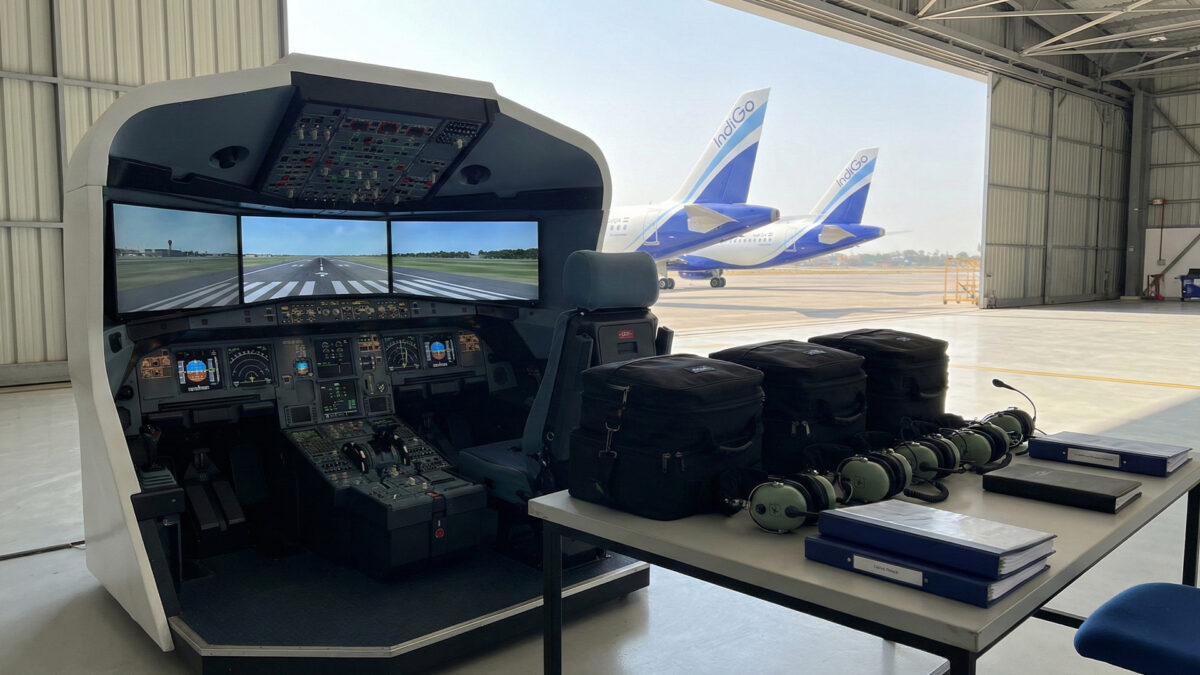
IndiGo to hire over 1,000 pilots

India’s largest airline, IndiGo, has announced plans to hire more than 1,000 pilots after facing a major crew shortage in December last year.

In December 2025, the airline had to cancel thousands of flights within a week after new pilot duty and rest rules came into force. The stricter regulations reduced the number of hours pilots could fly, leading to an unexpected shortage of available crew. Many passengers were affected as flights were delayed or cancelled.

Following the disruption, the Directorate General of Civil Aviation (DGCA) reviewed the situation. The regulator found that IndiGo had not fully prepared for the impact of the new rules. The airline’s tight scheduling and limited standby crew left little room to manage sudden changes.

To prevent such issues in the future, IndiGo has decided to significantly increase its pilot strength. The hiring drive will include trainee first officers, experienced first officers, and captains. The airline is also accepting applications from pilots who may not yet have experience flying its Airbus A320 aircraft, expanding the pool of eligible candidates.

In addition to hiring, IndiGo has made changes to its operations. It has increased the number of standby pilots and added extra buffer time to its flight schedules. These steps are meant to ensure smoother operations even if unexpected challenges arise.

Pilot training takes time. New trainee pilots may need several months before they are ready to operate regular flights. At the same time, IndiGo continues to add new aircraft to its fleet, increasing the demand for trained cockpit crew.

Also Read: Indian Hotels reports ₹954 cr Q3 profit, ₹2,842 cr revenue
Categories
1 Minute-Read

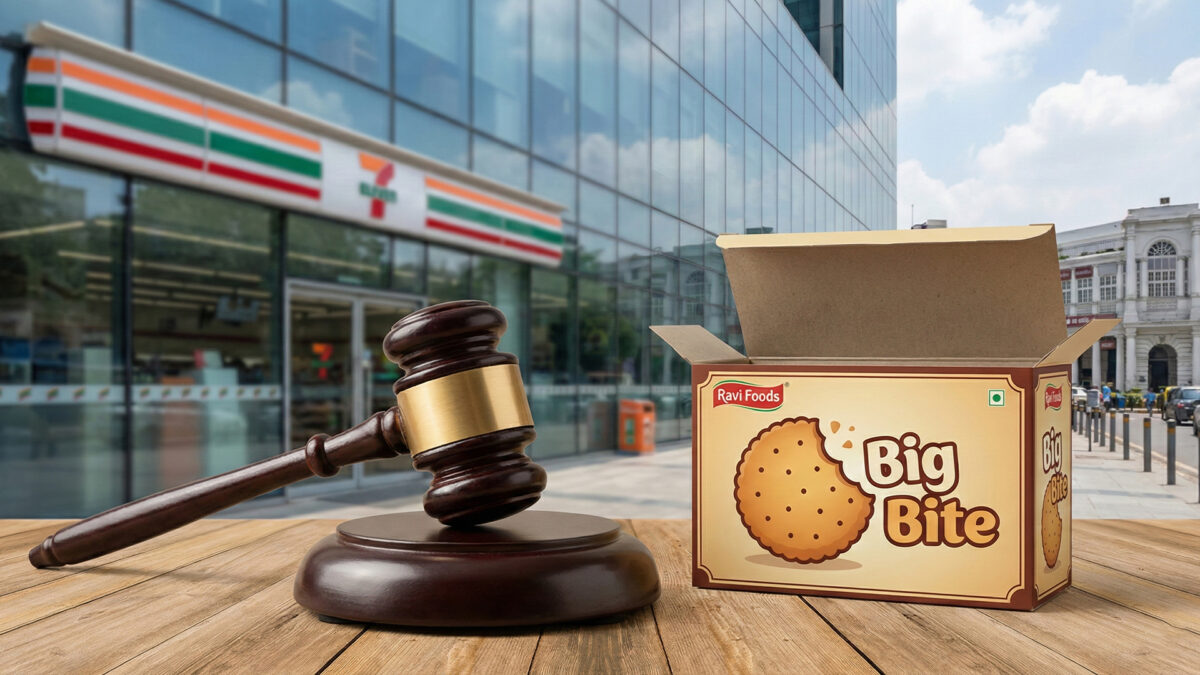
Madras HC upholds ‘Big Bite’ trademark for Ravi Foods

The Madras High Court has upheld Hyderabad-based Ravi Foods’ trademark for “Big Bite”, rejecting appeals by US retailer 7‑Eleven.

The dispute, lasting over a decade, involved Class 30 food products, including chocolates and snacks. Ravi Foods has used the brand in India since 2004, building strong goodwill and consumer recognition. 7‑Eleven argued its international use since 1988 gave it rights, but the court ruled global reputation alone doesn’t secure Indian trademark rights without actual local presence or sales.

The judgment reinforces that trademark protection in India is based on use and recognition within the country, not just international status.

Categories
Corporate

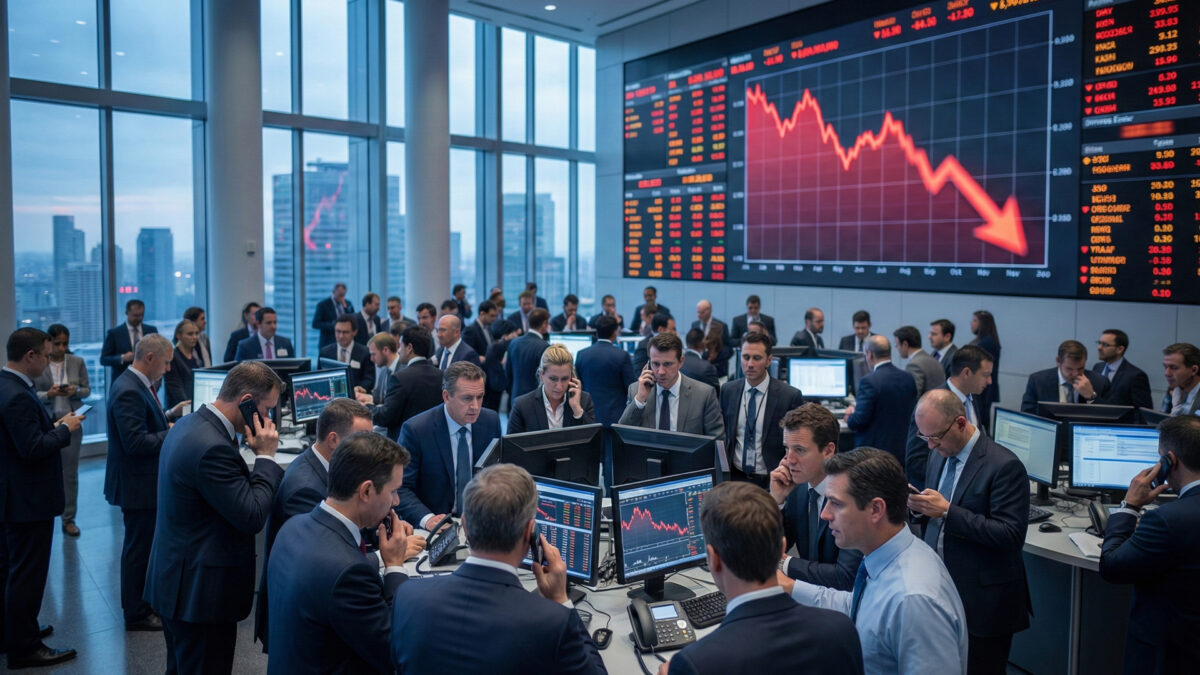
Sensex falls 1,048 points, Nifty dips below 25,500

The markets ended sharply lower on Friday, with benchmark indices seeing broad-based selling. The BSE Sensex tumbled 1,048 points to 82,627, while the Nifty 50 dropped below 25,500 to close at 25,471.

Major losers included Hindustan Unilever, Eternal, Tata Steel, Titan, Adani Ports, Reliance, Infosys, TCS, HCL Tech, and Wipro, which fell up to 4–5%. On the other hand, select pharma and FMCG stocks saw gains, partially cushioning the market decline.

Investors cited weak global cues, pressure on IT and metal stocks, and cautious sentiment in overseas markets as reasons for the fall. The drop erased substantial market capitalization, reflecting investor risk aversion amid volatile conditions.

The Indian rupee ended slightly lower against the dollar, while commodities had mixed movements during the session. Market participants continue to watch global trends and sector-specific earnings for guidance in the coming weeks.

Also Read: India’s January retail inflation at 2.75%

Categories
Corporate

Muthoot Q3 profit jumps 95%, stock slides 10%

Muthoot Finance reported a strong set of numbers for the third quarter of FY26, with net profit rising about 95% year-on-year to nearly ₹2,650 crore. The jump in earnings was driven by sharp growth in its gold loan business and higher interest income.

The company’s gold loan assets under management (AUM) rose significantly compared to last year, supported by high gold prices and steady demand for secured loans. Total income also grew strongly, reflecting expansion in its core lending operations. Management has indicated healthy growth momentum and expects gold loan expansion to remain strong for the rest of the financial year.

However, despite the robust earnings, the stock saw selling pressure and fell around 10% after the results. Investors appeared cautious about certain underlying trends. Analysts pointed out that while the value of gold loans increased due to higher gold prices, the actual volume of gold pledged (in tonnage terms) showed some moderation sequentially. There were also concerns about whether such high profit growth can be sustained in coming quarters.

Brokerages remain largely positive on the company’s long-term prospects. They cite its strong franchise in the gold loan segment, improving margins, and disciplined cost management as key strengths.

Also Read: Hindalco Q3 profit slumps 45% on one-time hit

Categories
Technology

Global tech leaders gather for India AI Summit

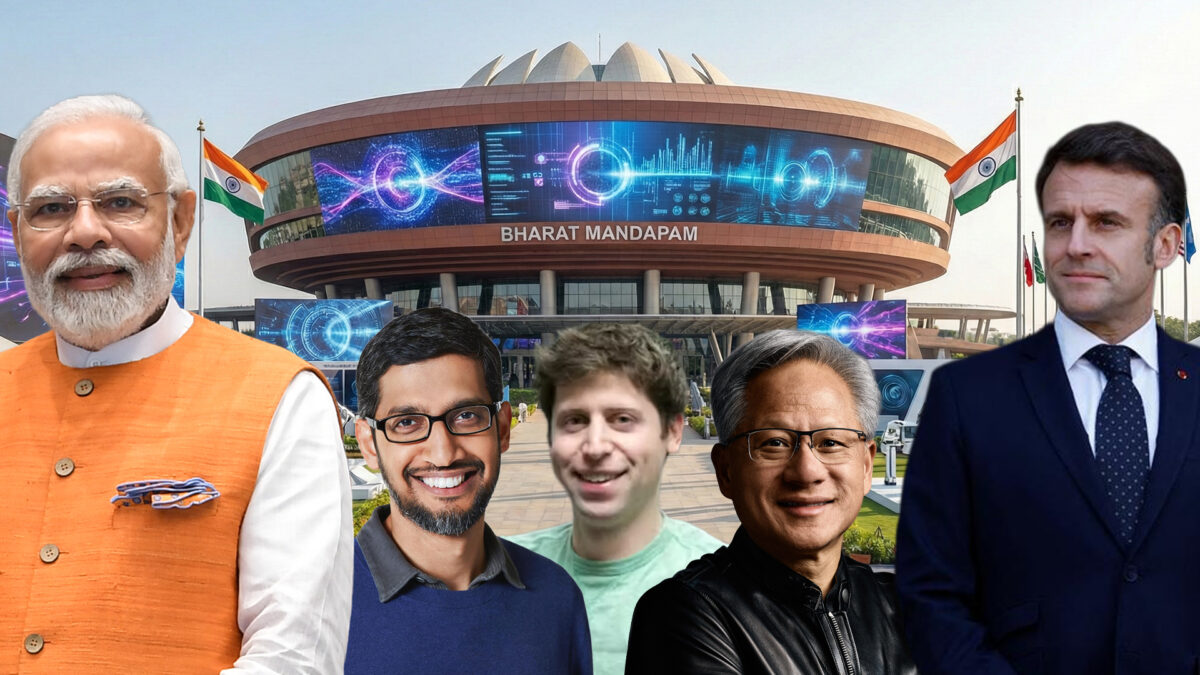
India is set to host one of its biggest technology events yet — the India AI Impact Summit 2026,  in New Delhi from February 16 to 20. The summit is attracting some of the most powerful names in the global artificial intelligence industry, highlighting India’s growing importance in the AI world.

Top leaders expected to attend include Google CEO Sundar Pichai, OpenAI CEO Sam Altman, Anthropic CEO Dario Amodei, Nvidia CEO Jensen Huang, DeepMind’s Demis Hassabis, and senior executives from Microsoft and Meta. French President Emmanuel Macron is also likely to be present. Prime Minister Narendra Modi will deliver a keynote address during the event.

The summit will take place at Bharat Mandapam and is being described as one of the largest AI gatherings hosted in the Global South. The event will bring together policymakers, industry leaders, researchers, startups and students to discuss how AI can be used responsibly and effectively.

The focus of the summit is not just technology, but also business and real-world impact. India is seen as a major growth market for AI. It produces a huge amount of global data and has one of the world’s largest pools of skilled tech talent. For global companies, this represents strong business potential.

The event will include panel discussions, exhibitions, and AI competitions. Organisers have planned special programs to encourage youth and women innovators, with prize money for winning ideas. Topics will cover AI safety, economic growth, sustainability, healthcare, agriculture and education.

India wants to position itself as a key player in shaping global AI policies and innovation. By hosting such a large summit, the country aims to show that it is ready to lead conversations around responsible AI development while also creating business opportunities.

Also Read: Two xAI co-founders step down

Categories
Corporate

JSW Motors’ first car launch may be delayed

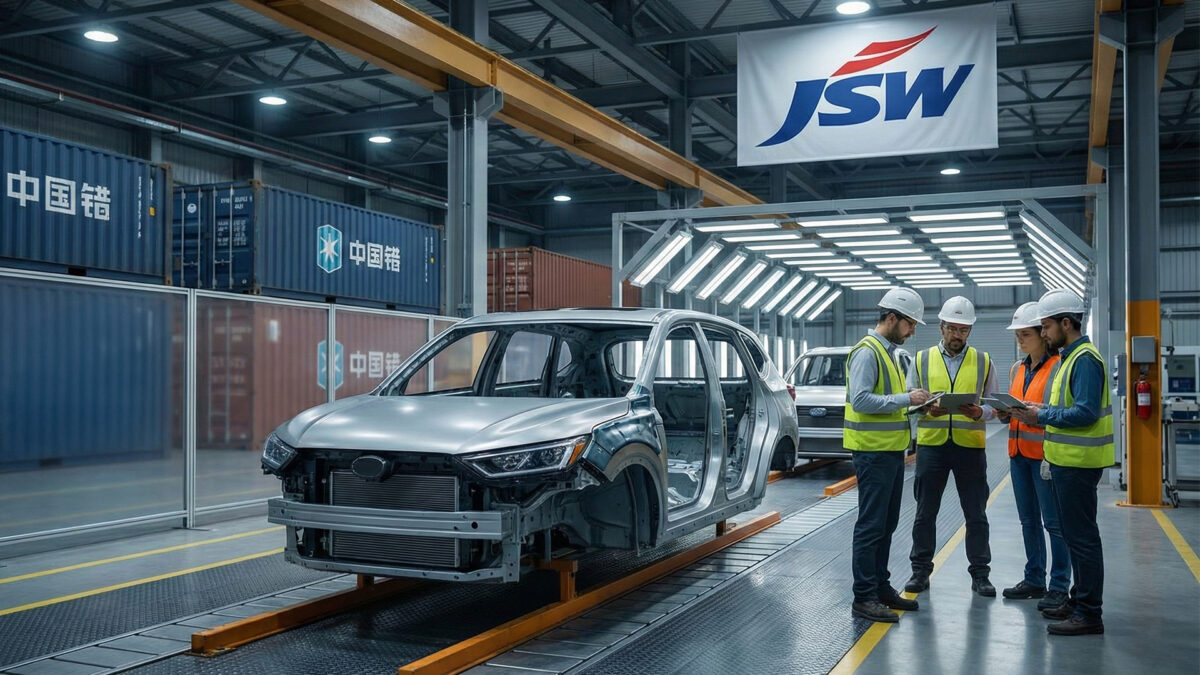
JSW Motors has indicated that the launch of its first passenger vehicle in India could be delayed due to regulatory hurdles related to importing key components from China. The company is preparing to enter the Indian automobile market with hybrid and electric vehicles, with its first model expected in the second half of 2026. However, approvals required for certain imported parts are still pending.

The issue relates to India’s quality control regulations, introduced in recent years to ensure that imported products meet prescribed standards. Under these rules, foreign suppliers must obtain certification before their components can be shipped to India for manufacturing use. Some of JSW Motors’ selected Chinese vendors are still awaiting these clearances, creating uncertainty around supply timelines.

According to reports, the company has written to the government seeking faster processing of licences for critical components, including specialised automotive glass used in windshields and sunroofs. JSW has said that it explored domestic sourcing options but could not find suitable alternatives for certain high-specification parts. The firm is also assessing suppliers from other countries, but shifting sourcing may increase production costs.

JSW Group, led by Sajjan Jindal, has committed significant investment to build its automotive business, including setting up manufacturing operations in Maharashtra. The company aims to compete in India’s fast-growing electric and hybrid vehicle segment, where global and domestic players are expanding aggressively.

Industry observers say the delay highlights broader challenges faced by companies dependent on imported components, particularly from China. While India is encouraging local manufacturing, the supplier ecosystem for some advanced automotive parts is still developing.

If approvals are not granted in time, JSW Motors’ planned launch schedule may need to be revised. The company, however, remains committed to its long-term strategy of establishing a strong presence in India’s new-energy vehicle market.

Also Read: Sattva Group enters Mumbai with ₹11,000 cr projects

Categories
Beyond

Gold near ₹2 lakh, Silver above ₹4 lakh

Gold and silver prices witnessed volatility in recent sessions after scaling record highs in the domestic market. Gold futures on the Multi Commodity Exchange (MCX) recently approached ₹2 lakh per 10 grams, while silver surged past ₹4 lakh per kilogram before witnessing profit-booking.

The pullback comes amid a firmer US dollar and shifting expectations around the US Federal Reserve’s rate trajectory. Stronger economic data from the US reduced immediate hopes of aggressive rate cuts, leading to some pressure on bullion prices. Market participants also trimmed positions after the sharp rally seen over the past few weeks.

Despite near-term fluctuations, analysts maintain a constructive outlook on precious metals. According to market experts, gold and silver could be entering a 3–5 year structural bull cycle supported by macroeconomic and sectoral fundamentals.

Central bank buying remains a key pillar for gold. Several global central banks continue to add to their gold reserves as part of diversification strategies, reinforcing long-term demand. Additionally, persistent geopolitical tensions and inflationary risks are sustaining gold’s appeal as a safe-haven asset.

Silver is benefiting from a dual demand dynamic. Alongside its role as a store of value, silver demand is being driven by industrial applications, particularly in renewable energy, electric vehicles, and electronics manufacturing. The expansion of clean energy infrastructure is expected to support medium- to long-term consumption trends.

Investment advisors recommend a disciplined approach. Rather than chasing elevated levels, investors are advised to accumulate on corrections. A strategic allocation of 5–10% of portfolio assets in precious metals is broadly considered prudent for diversification. Portfolios with disproportionately high exposure may warrant rebalancing.

Also Read: Sensex falls 400+ points, Nifty below 25,850

Categories
Corporate

Sattva Group enters Mumbai with ₹11,000 cr projects

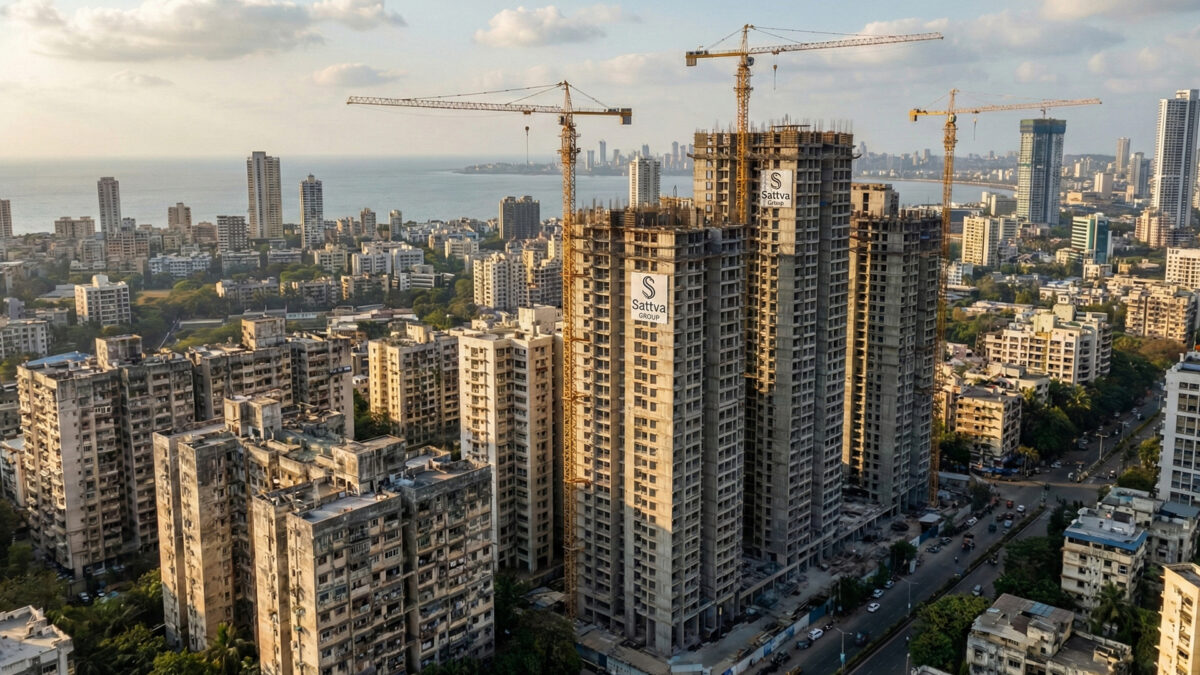
Bengaluru-based real estate developer Sattva Group has announced its entry into the Mumbai real estate market with six major redevelopment projects. Together, these projects cover more than 8 million sq ft and are valued at around ₹11,000 crore.

The projects are located in key Mumbai areas including Parel (Sewri), Prabhadevi, Goregaon East, Vile Parle West, Powai and near BKC. The company plans to start construction in 2026 and expects phased completion by 2032, with the first homes delivered around 2028.

Sattva will follow a rehabilitation-led redevelopment model, meaning they will provide upgraded homes for existing residents while also building new housing. The plan includes more than 2,500 homes for current residents and over 2,000 additional new units.

This move is a big step for Sattva, which already has a strong presence in southern cities like Bengaluru and Hyderabad. The company has completed around 78 million sq ft of projects and has 71 million sq ft under construction across India.

Bijay Agarwal, Managing Director of Sattva Group, said Mumbai is at a critical stage of urban renewal, with many old buildings needing replacement. He stressed that redevelopment in the city requires careful planning and long-term commitment, which Sattva aims to bring.

Sattva’s projects aim to modernize housing while keeping existing residents in mind, combining safety, sustainability, and better infrastructure. The company hopes its Mumbai portfolio will set an example for structured and responsible urban redevelopment in the city.

Experts say redevelopment is gaining importance in Mumbai due to limited land and high housing demand. New regulations under the DCPR 2034 are expected to make projects more feasible and attractive for developers.

Also Read: Cisco launches AI networking chip

Categories
Leaders

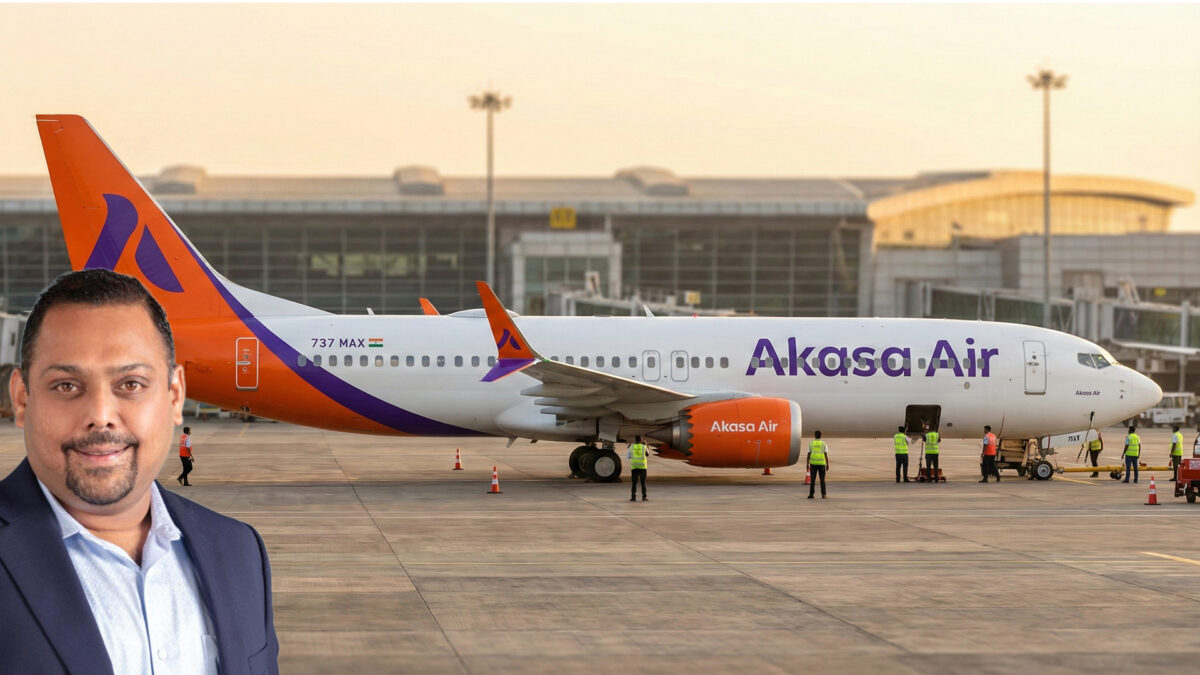
Akasa Air co-founder Praveen Iyer quits

Akasa Air Co-Founder Praveen Iyer Resigns Amid Leadership Changes

Akasa Air is witnessing another senior-level exit with co-founder and Chief Commercial Officer Praveen Iyer stepping down from his role. His departure marks the second major leadership change at the airline in recent months, raising attention in India’s fast-growing aviation sector.

Iyer has been part of Akasa Air’s journey since its launch in August 2022. As Chief Commercial Officer, he played a key role in shaping the airline’s commercial strategy — from route planning and pricing to sales and revenue growth. During his tenure, Akasa rapidly expanded its domestic network and began building its international presence.

Following his resignation, the airline has appointed Anand Srinivasan, currently Chief Information Officer, to lead the commercial function. The company has not publicly shared reasons for Iyer’s exit.

This leadership transition comes after another co-founder, Neelu Khatri, who oversaw international operations, resigned last year. Despite these exits, Akasa has maintained that its expansion strategy remains firmly on track.

Backed by the family of late investor Rakesh Jhunjhunwala, Akasa Air has also strengthened its financial position with fresh investments from prominent institutional backers. The airline has been adding new Boeing 737 MAX aircraft to its fleet and expanding routes to compete with established players in India’s highly competitive aviation market.

Like many young carriers, Akasa has faced industry challenges, including aircraft delivery delays and rising operational costs. However, it has continued to grow steadily, focusing on efficiency, customer experience and network expansion.

Also Read: Alphabet raises $32 billion via bonds for AI push

Categories
Technology

Alphabet raises $32 billion via bonds for AI push

Alphabet Inc., the parent company of Google, has raised nearly $32 billion through a series of global bond sales, marking one of the largest corporate debt offerings in recent years. The funds will primarily support the company’s aggressive expansion in artificial intelligence (AI), cloud infrastructure and data centres.

The fundraising was completed in less than 24 hours and included bonds issued in multiple currencies, such as US dollars, British pounds and Swiss francs. A notable highlight was the issuance of a rare 100-year sterling bond, a maturity that is uncommon for technology companies. The long-dated bond reportedly drew strong investor interest, reflecting confidence in Alphabet’s long-term business outlook.

The bond sale builds on a $20 billion US dollar issuance earlier and forms part of Alphabet’s broader financing strategy to meet rising capital expenditure needs. The company has significantly increased its investments in AI infrastructure as competition intensifies among global technology giants.

Investor appetite for high-quality corporate debt remains strong, particularly for companies with solid balance sheets like Alphabet. Market participants view the company as financially stable, with robust cash flows from its core advertising and cloud businesses. This strength enabled Alphabet to attract heavy demand across different maturities.

Several major tech firms are increasing spending to stay competitive in generative AI and advanced computing, leading to higher capital requirements.

Also Read: US edits India trade deal factsheet