
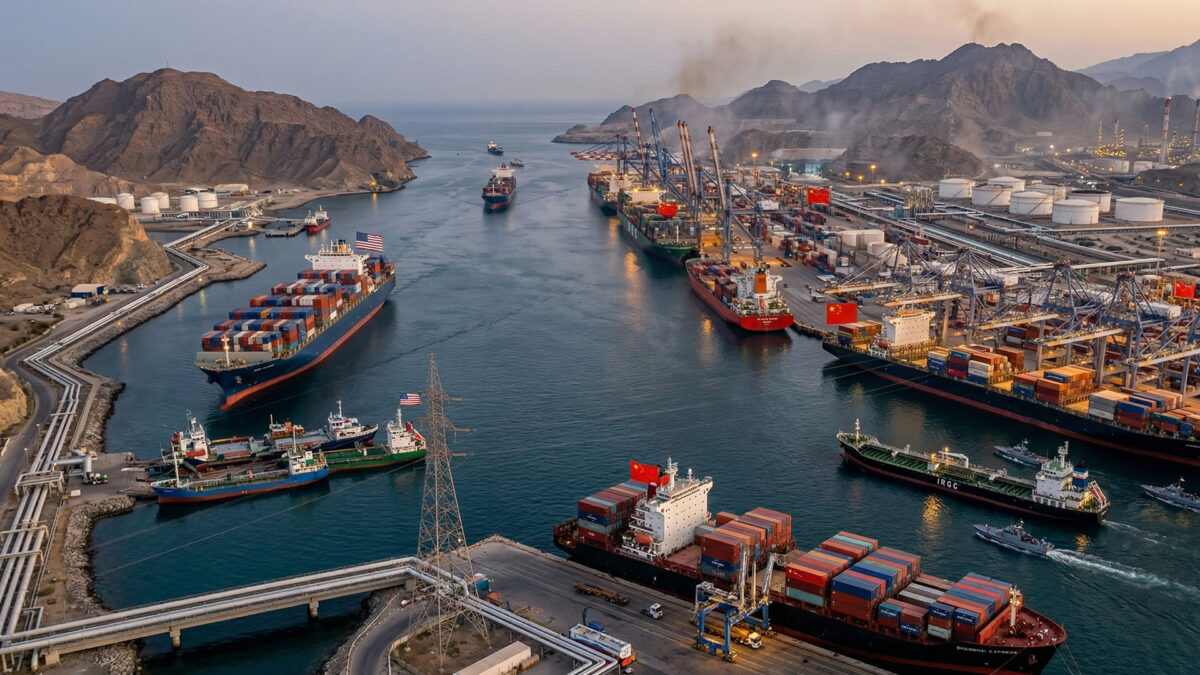
A new report highlights how China and Iran are increasingly using the global economy itself as a tool to counter US influence, showing how modern geopolitical tensions are moving beyond traditional warfare.
Instead of direct military confrontation, both countries are reportedly using trade, energy supplies, and critical resources to apply pressure on the United States and its allies. This approach reflects a growing trend where economic systems are being used as instruments of power.
China, for example, holds a strong position in the global supply of rare earth minerals, which are essential for electronics, electric vehicles, and defence equipment. By controlling or restricting access to these materials, it can influence global supply chains and affect industries that depend heavily on them.
Iran, on the other hand, has used its strategic location near the Strait of Hormuz, one of the world’s most important oil routes, to create uncertainty in global energy markets. Even the threat of disruption in this narrow waterway has previously led to sharp rises in oil prices and global concern.
The report suggests that these strategies mark a shift from conventional conflict to what experts describe as “economic warfare,” where financial systems, trade routes, and commodities become tools of influence.
The United States, which has long used sanctions and its financial system as a source of global leverage, is now facing similar tactics being used against it. This growing balance of economic pressure is reshaping how countries compete and respond to each other.
The effects are already being felt worldwide. Energy prices have become more volatile, supply chains are under strain, and businesses are facing rising costs. These pressures are eventually passed on to consumers, affecting everyday prices.