
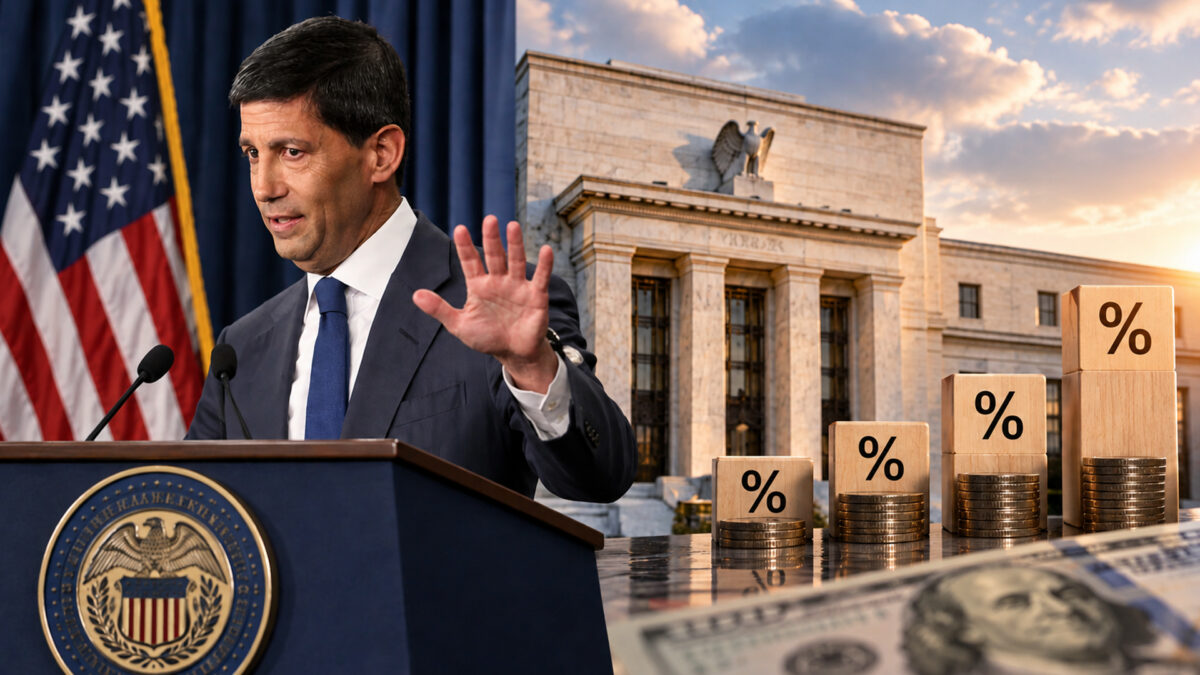
The US Federal Reserve has raised interest rates for the first time in more than three years, moving to contain inflation as higher energy costs and geopolitical tensions add fresh pressure to the US economy.
The Federal Open Market Committee (FOMC) voted unanimously on Wednesday, September 16, to increase the federal funds rate by 25 basis points to a target range of 3.75% to 4%. It was the first rate increase since July 2023.
The decision came as inflation remains well above the Fed’s 2% target. Consumer prices increased 0.4% in August, while annual inflation stood at 3.4%, unchanged from July. Higher fuel prices have added to the pressure, with diesel prices reaching record levels in the US amid disruptions linked to the conflict involving Iran.
Fed Chair Kevin Warsh said inflation remains too high and stressed the central bank’s focus on bringing price growth back towards its 2% goal. The Fed’s statement said economic activity was continuing to expand at a solid pace, while domestic spending remained resilient.
The decision also reflects a difficult economic backdrop. The US labour market has remained relatively strong, with the unemployment rate showing little change. Productivity growth and business investment have also remained firm, giving policymakers room to focus on inflation without responding to an immediate economic contraction.
The latest rate increase means borrowing costs are moving higher again after a period of stability. Higher interest rates can increase the cost of mortgages, car loans, credit cards and business borrowing. They can also slow demand by making consumers and companies more cautious about spending and investment.
Energy prices have become an important part of the inflation story. Brent crude was trading close to $109 a barrel on Tuesday, according to Al Jazeera, while the average US petrol price had risen to $4.36 a gallon. Diesel was around $6.31 a gallon, its highest recorded average, adding to transportation and distribution costs across the economy.
The Fed’s latest projections also indicate that interest rates could rise again this year. Officials’ median forecast points to one additional 25-basis-point increase in 2026, although the central bank has not committed to a particular month or meeting. Policymakers will continue to assess inflation, employment, economic activity and financial conditions before making further decisions.
The outlook has changed considerably from earlier expectations. Markets had initially expected the Fed to keep rates steady, but stronger inflation data and rising energy costs shifted expectations towards a hike. The September decision has now confirmed that policy is moving in the opposite direction after the prolonged period of rate stability.
Financial markets reacted to the decision as investors assessed the possibility of higher rates lasting longer. US Treasury yields have remained elevated, with the 10-year Treasury yield recently moving above 5%, a level that matters because it influences borrowing costs across the wider economy.
The Fed’s decision is also important for global markets. Higher US interest rates can support the dollar as investors seek relatively higher returns from US assets. A stronger dollar can put pressure on emerging-market currencies and influence foreign investment flows.
India is among the markets that can feel these effects. Higher US rates can make dollar assets more attractive and potentially affect foreign portfolio investment in Indian equities and bonds. Currency movements can also influence India’s import bill, particularly when crude oil prices are elevated.
Gold prices can also respond to changes in US monetary policy. Since gold does not generate interest income, higher rates can make interest-bearing assets relatively more attractive. The dollar’s movement after the Fed decision is another important factor for bullion prices.
The latest move has also drawn attention because it comes ahead of the US midterm elections. President Donald Trump has repeatedly called for lower interest rates, while the Federal Reserve has maintained that monetary policy decisions are based on economic conditions. Warsh did not directly respond to Trump’s latest demands and reiterated the importance of the central bank’s independence.
The Fed’s challenge now is to balance inflation control with economic growth. Keeping rates higher can help reduce demand and contain price pressures, but prolonged tightening can also increase borrowing costs and weigh on investment and consumer spending.
The central bank’s next decisions will therefore depend heavily on incoming data. Inflation readings, energy prices, employment figures, consumer spending and developments in global markets will all shape the outlook.
The September rate hike marks a significant change in the US monetary policy cycle. After more than three years without an increase, the federal funds rate is once again moving higher, while the possibility of another hike keeps investors, businesses and households focused on what comes next.