Categories
Corporate

Tata Steel clears ₹33,870 cr NINL expansion plan

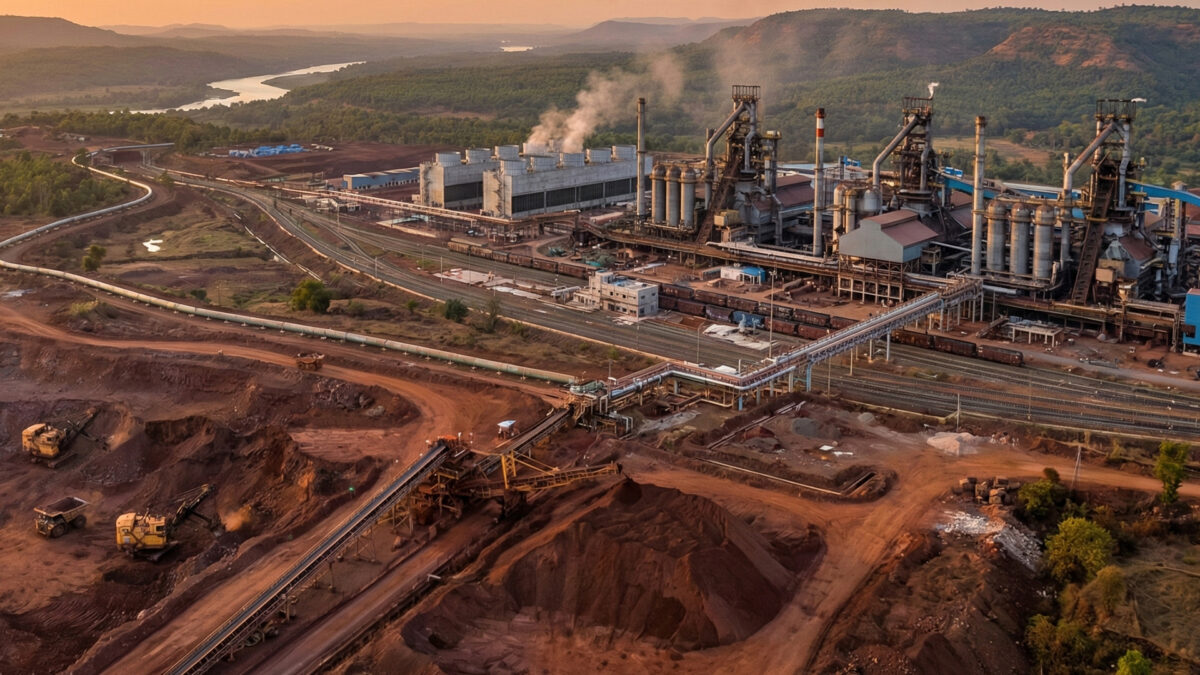
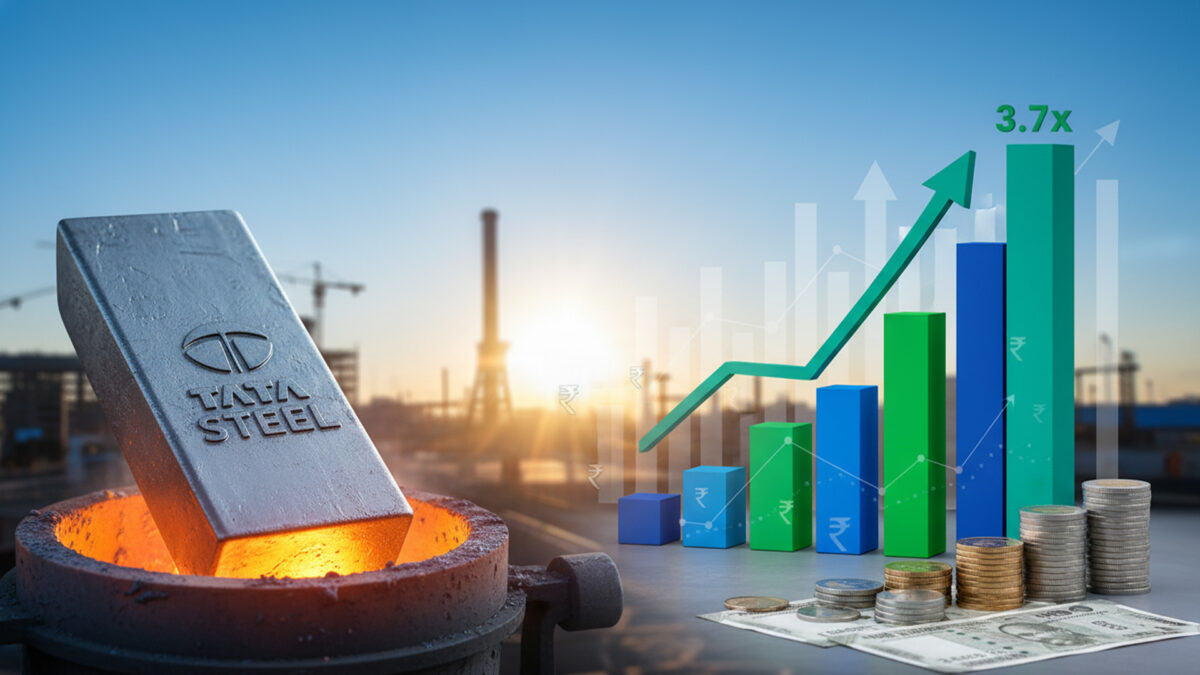
Tata Steel has approved a major ₹33,873-crore expansion of Neelachal Ispat Nigam Limited (NINL), marking one of its biggest bets on India’s long-term steel demand and strengthening its domestic growth strategy.

The company’s board has cleared the first phase of the NINL expansion, which will add 4.8 million tonnes per annum (MTPA) of steelmaking capacity. Once completed, the Odisha-based facility will have a total capacity of 6.2 MTPA. Tata Steel said the project has already completed its engineering phase and is at an advanced stage of readiness for execution.

The investment is aimed particularly at expanding Tata Steel’s long-products business, including branded steel products used extensively in construction, infrastructure and retail markets. The company sees NINL as an important platform for increasing its presence in higher-margin and value-added steel products.

The decision comes after a significant turnaround at NINL. Tata Steel acquired the Odisha-based company in 2022 for ₹12,100 crore, when the plant was facing financial and operational difficulties. Since then, the facility has been brought back to stable operations and has been running at its rated capacity for the past two years, according to the company.

NINL’s recent performance has strengthened the case for further investment. In FY26, the plant produced around 0.95 million tonnes of crude steel and delivered 0.91 million tonnes. While revenue moderated to ₹5,282 crore amid softer steel prices, its EBITDA improved to ₹1,236 crore from ₹1,067 crore a year earlier. The facility reported an EBITDA margin of about 23%.

During the June quarter of FY27, NINL generated EBITDA of ₹498 crore, giving it a margin of 29%. Tata Steel said the performance provides confidence in the proposed expansion.

NINL is strategically located in Odisha, close to Tata Steel’s Kalinganagar operations. The company also has access to a captive iron ore mine, giving the facility an important raw-material advantage as it expands.

The expansion is expected to play a central role in Tata Steel’s strategy to grow its long-products portfolio. These products include steel used in housing, construction, infrastructure and other applications.

Tata Steel said demand for its branded products remains strong, particularly in the retail market. Brands such as Tata Tiscon have continued to see strong growth, supporting the company’s decision to increase domestic long-product capacity.

The company has also pointed to the sizeable land bank available around NINL. According to Fortune India, the site has the potential to support capacity of up to 10 MTPA over the longer term. This gives Tata Steel room to develop NINL into a much larger steel hub over time.

The proposed expansion is therefore more than a simple capacity addition. It is intended to create a larger integrated manufacturing base for Tata Steel’s India operations and strengthen its position in value-added steel.

The NINL investment comes at a time when Tata Steel’s Indian operations are providing a strong cushion against difficulties in its overseas businesses.

For the April-June quarter of FY27, Tata Steel reported consolidated revenue of ₹60,794 crore and EBITDA of ₹9,370 crore. EBITDA increased 25% year-on-year despite a challenging global operating environment.

India remained the strongest part of the business. The India segment reported revenue of ₹36,989 crore and EBITDA of ₹9,908 crore, with an EBITDA margin of 27%. Domestic deliveries also grew strongly, with Tata Steel reporting an 11% year-on-year increase to 4.85 million tonnes.

The company’s consolidated profit after tax stood at ₹2,385 crore in the June quarter, compared with ₹2,007 crore a year earlier. Tata Steel’s India business helped offset pressure from its European operations, where operational disruptions and restructuring challenges continued.

Tata Steel is moving ahead with the NINL project while maintaining a close watch on its balance sheet.

The company spent ₹3,579 crore on capital expenditure during the June quarter. Its net debt stood at ₹84,173 crore at the end of the quarter, while net debt-to-EBITDA was 2.3 times. Group liquidity remained strong at ₹45,950 crore, including ₹13,221 crore in cash and cash equivalents.

The numbers indicate that Tata Steel has financial headroom to continue investing in India even as it manages restructuring and operational challenges in Europe.

The company has also been pursuing other domestic projects, including the ramp-up of its 0.75 MTPA electric arc furnace at Ludhiana and expansion of downstream facilities.

Tata Steel expects the proposed NINL expansion to be the first phase of a broader growth programme. The company has indicated that the facility’s location, land availability and raw-material access could support further expansion in the future.

The company also expects the merger of NINL with Tata Steel to be completed during FY27. The integration is expected to simplify the corporate structure and create operational synergies.

For Tata Steel, the ₹33,873-crore investment signals a clear strategic preference: expand where India’s steel demand is expected to remain strong, build scale in domestic manufacturing and move further into value-added products.

With NINL set to increase its capacity from its current level to 6.2 MTPA, the Odisha facility is poised to become an increasingly important part of Tata Steel’s India growth story. The project also underlines the company’s broader ambition to strengthen its domestic steelmaking footprint while building a more competitive and integrated portfolio for the years ahead.

Categories
1 Minute-Read

IMFA acquires Tata Steel’s Ferro‑Chrome plant for ₹707 cr

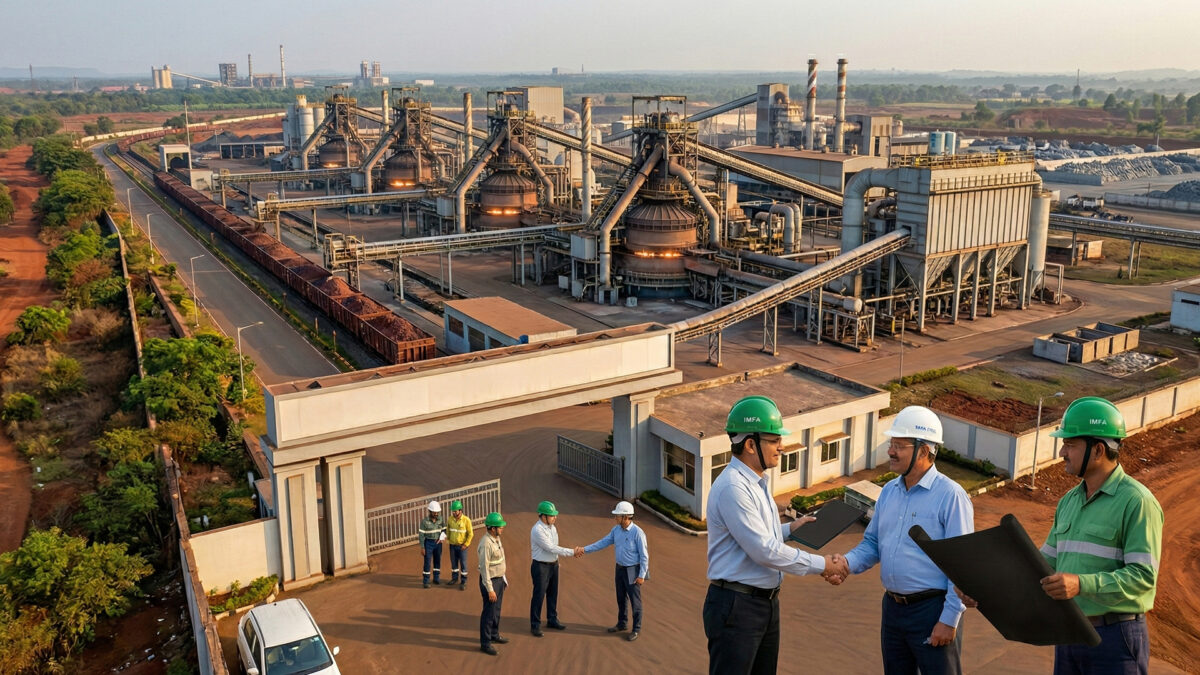
Indian Metals & Ferro Alloys Ltd (IMFA) has completed the acquisition of Tata Steel’s ferro‑chrome plant in Kalinganagar, Odisha for ₹707.26 crore, including GST and working capital adjustments.

The plant spans 115 acres and currently has four furnaces producing 100,000 tonnes annually, with a fifth under construction expected to increase capacity to 150,000 tonnes per year within a year.

Funded entirely from IMFA’s internal accruals, the deal strengthens the company’s position as a leading ferro‑chrome producer in India, expanding production and improving operational efficiency in the ferro‑alloys sector.

Categories
Corporate

Tata Steel Q3 profit soars to ₹2,700 cr on Dutch boost

Tata Steel reported a huge increase in its net profit for the third quarter (October–December 2025), reaching around ₹2,690–₹2,730 crore, up more than nine times from roughly ₹300 crore a year ago.

The company’s revenue grew about 6% year-on-year, reaching nearly ₹57,000 crore, helped by strong sales in India and higher steel deliveries. Domestic deliveries crossed 6 million tonnes, marking a record for the company.

A major reason for the profit surge was the turnaround at Tata Steel’s Netherlands unit, which moved from a loss last year to a healthy profit. However, the UK business continued to face challenges due to weak demand.

Tata Steel’s EBITDA rose nearly 39%, reaching over ₹8,300 crore, thanks to cost-cutting measures and better efficiency. The company saved around ₹3,000 crore in the quarter and ₹8,600 crore in the first nine months of the year.

Despite tough global steel markets, including competition from China and trade uncertainties, Tata Steel maintained strong performance. The company also reduced its net debt to about ₹81,834 crore, strengthening its financial position.

In India, while steel prices were slightly lower, higher production and deliveries kept profits steady. Overall, the results reflect robust domestic demand, improved margins, and operational efficiency across key units.

Also Read: AI stethoscopes boost early health screening

Categories
Corporate

Tata Steel’s west India expansion sparks mixed views from brokers

Tata Steel Ltd has announced big plans to grow its business in India,  including increasing production, setting up new plants, buying stakes in raw-material units, and partnering with other companies. However, brokerages have different opinions on how these plans will affect the company’s stock in the near term.

The company plans to raise production at Neelachal Ispat Nigam Ltd in Odisha by 4.8 million tonnes and set up a low-carbon steel demonstration plant in Jamshedpur. New facilities in Odisha and Maharashtra will make higher-value steel products for construction and automotive industries.

To secure raw materials, Tata Steel will buy a 50.01% stake in Thriveni Pellets Private Ltd for around ₹636 crore. Thriveni owns a 4-million-tonne pellet plant and a long slurry pipeline in Odisha, which will help Tata Steel ensure steady iron ore supply.

Tata Steel also signed a non-binding deal with Lloyds Metals & Energy to explore mining and steel projects in Gadchiroli, Maharashtra. This could include building a greenfield steel plant with a capacity of six million tonnes, marking Tata Steel’s first major presence in western India.

Brokerages have different views on the impact of these moves. Motilal Oswal and JM Financial recommend buying the stock, citing growth potential and stronger demand. Elara Capital suggests accumulating the stock, noting profits may be lower in the short term due to soft steel prices. Nuvama Institutional Equities rates it as “hold,” pointing to possible margin pressure and uncertainty about capital spending timelines.

Analysts say the expansion will strengthen Tata Steel in the long run by adding capacity, downstream products, and sustainable technology. However, steel price swings and execution risks could affect short-term results.

Tata Steel’s expansion shows a focus on long-term growth, integrating raw materials, and reaching new regions, while investors balance optimism about growth with caution over market conditions and project execution.

Also Read: Microsoft CEO builds AI Cricket App at leisure time

Categories
Corporate

Tata Steel Q2 profit soars 272% to ₹3,102 crore

Tata Steel Ltd reported a sharp rise in earnings for the second quarter of FY 2026, backed by solid domestic demand, cost efficiencies, and a recovery in its European operations.

The steelmaker’s consolidated net profit surged 272% year-on-year to ₹3,102 crore, compared with ₹833 crore in the same quarter last year. Revenue from operations rose 9% to ₹58,689 crore, against ₹53,905 crore a year earlier, supported by higher deliveries and better realisations.

Operating profit (EBITDA) climbed 46% to ₹9,106 crore, reflecting improved spreads and a favourable product mix. The company said its India operations remained the key growth driver, with deliveries rising to 7.91 million tonnes from 7.52 million tonnes last year. Production also edged up to 7.69 million tonnes.

Tata Steel’s European business posted a core profit of €92 million, up sharply from €22 million a year ago, aided by efficiency measures and better operating conditions in the Netherlands.

The company said strong domestic consumption, particularly from infrastructure and manufacturing sectors, cushioned the impact of fluctuating global steel prices. It continues to focus on value-added products, cost optimisation, and deleveraging to strengthen its balance sheet.

Following the announcement, Tata Steel shares gained over 3% in early trading on Thursday.

 Analysts remain positive on the stock, citing stable demand and improved profitability, though they caution that global steel price movements and input costs will influence future performance.

Tata Steel said it remains committed to sustainable growth and operational excellence, as it continues to invest in technology and capacity expansion to meet rising demand across key markets.

Also Read: Trump signs bill to end 43-day US shutdown