
Categories
Beyond

US grants India 30-day Russian crude oil import

The United States has granted India a 30-day waiver to continue importing Russian crude oil that is currently stranded at sea, providing crucial short-term relief for Indian refiners. The waiver, effective until early April 2026, allows India to legally receive shipments already loaded onto vessels, helping to maintain uninterrupted fuel supplies amid rising global uncertainty.

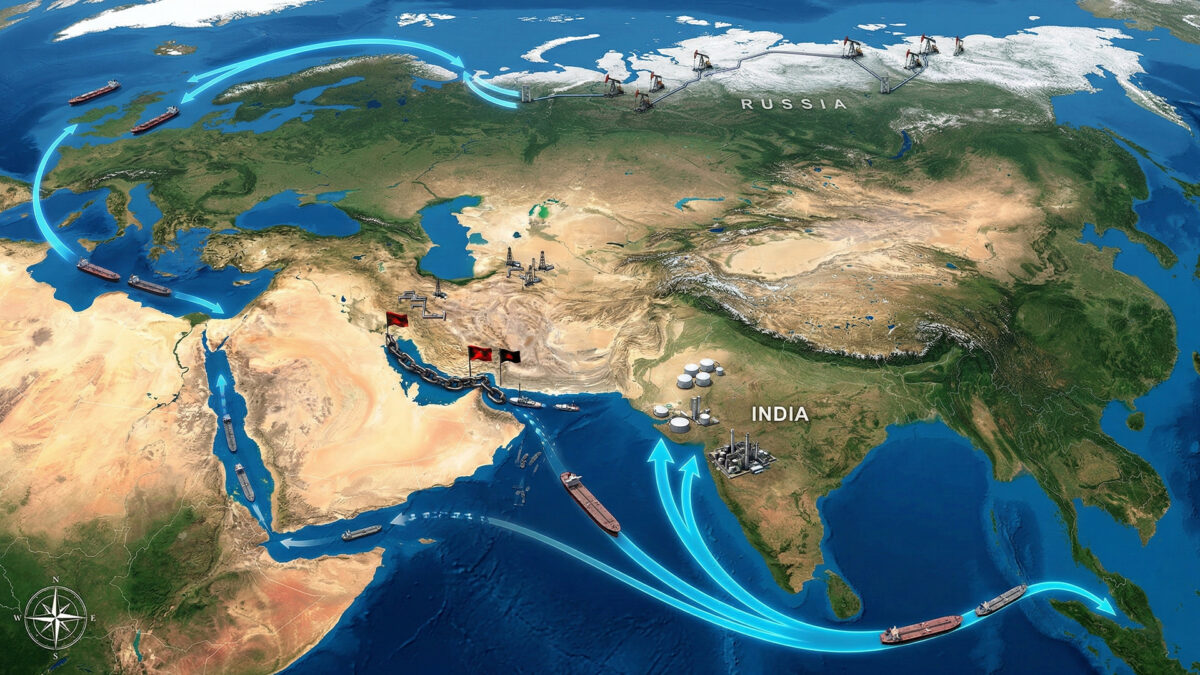
The move comes against the backdrop of tensions in the Middle East, particularly around the Strait of Hormuz, a key route for international oil shipments. Disruptions in this region have created anxiety in global energy markets, with the potential to affect oil availability and pricing worldwide. By temporarily permitting these imports, the waiver gives Indian refiners time to adjust supply chains and manage domestic fuel demand.

US officials emphasized that the waiver is strictly short-term and limited to oil already in transit. It does not signal a broader relaxation of sanctions on Russian energy exports. At the same time, the waiver shows India’s role as a significant partner in global energy trade and highlights the delicate balance between meeting immediate domestic needs and navigating international regulations.

The decision also reflects India’s careful approach to energy security, ensuring that nearly 40% of its crude imports, which typically pass through the Hormuz route, are not disrupted. By securing a short-term supply while exploring alternative options, India is able to maintain stability in its domestic energy markets even amid geopolitical volatility.

Indian refiners have reportedly already begun arranging delivery of millions of barrels of Russian crude that had been awaiting clearance, ensuring that domestic fuel production remains unaffected. Analysts say the waiver provides logistical relief but does not change India’s longer-term energy strategy, which continues to focus on diversification of oil sources, including increasing imports from the United States.

Also Read: US to raise global tariff to 15%, says Scott Bessent
Categories
Beyond

India secures Russian oil than Hormuz supply

With the escalating conflict in the Middle East, India has increased crude imports from Russia to reduce reliance on shipments through the Strait of Hormuz, a key oil chokepoint threatened by tensions involving Iran, the US, and Israel.

Global oil prices have surged due to fears of disruptions, prompting India to seek safer alternative routes. Russian crude, transported via non-Hormuz paths, provides a more secure and predictable supply.

Officials say the shift also helps India manage potential economic impacts, such as higher import bills and inflation. Additional measures, including using strategic reserves and fuel conservation, are being considered.

While challenges like shipping logistics and sanctions exist, Indian refiners continue to diversify supplies to maintain fuel availability and safeguard the economy.

Also Read: Polymarket bets on Iran strike hit $529mn, raise insider fears

Categories
Corporate

Reliance halts Russian oil for Jamnagar export refinery

Reliance Industries Ltd (RIL) has stopped importing Russian crude oil into its special export-oriented refinery in Jamnagar, Gujarat, from November 20, 2025. The move is aimed at ensuring full compliance with European Union sanctions, which will prohibit the import of fuels made from Russian crude starting January 21, 2026.

According to Reliance, all products exported from the Jamnagar SEZ refinery will be made entirely from non-Russian oil from December 1. Existing shipments booked before October 22, 2025, will continue as planned. The last Russian crude shipment for the SEZ refinery was loaded on November 12, 2025.

Any Russian crude arriving after November 20 will be routed to Reliance’s domestic-market refinery, rather than the export-oriented unit. The company said this shift, or “recalibration” of Russian oil imports, has been completed ahead of schedule.

This decision also reflects compliance with US sanctions, which required companies to wind down trade with major Russian oil producers, including Rosneft and Lukoil, by November 21, 2025.

Reliance’s Jamnagar refinery complex is one of the largest single-location refineries in the world, with a capacity of 1.24 million barrels per day. The export-focused SEZ refinery plays a key role in supplying fuel and petrochemical products to global markets.

By halting Russian crude at its SEZ unit, Reliance not only aligns with international regulations but also ensures uninterrupted exports and strengthens its global supply chain. Analysts note this move may also help the company avoid potential penalties and maintain its credibility with European and US buyers.

Also Read: Reliance up 2% on O2C rebound, new-energy push