Categories
Technology

OpenAI buyvoice AI startup weights.gg

OpenAI has acquired voice artificial intelligence startup Weights.gg, a company known for building advanced tools that can replicate human voices with high realism. The deal is part of OpenAI’s wider push to strengthen its capabilities in voice-based AI and improve real-time speech interaction systems.

Reports say the acquisition was completed earlier in 2026, although neither OpenAI nor Weights.gg has officially confirmed the transaction. The deal reportedly includes the startup’s technology, intellectual property and engineering team. The financial details of the acquisition have not been made public.

Weights.gg gained attention for its consumer-focused platform called Replay, which allowed users to generate and share AI-cloned voices using short audio samples. The tool became popular for its high-quality voice replication but also raised concerns about potential misuse. The platform was shut down earlier this year, close to the time of the acquisition.

The startup focused on voice synthesis and cloning technology, a rapidly growing segment of artificial intelligence. These systems can convert text into natural-sounding speech and replicate human voices with high accuracy, opening up use cases in entertainment, customer service, education and accessibility tools.

OpenAI has been steadily expanding its work in audio and speech AI, including real-time voice features in its products. The addition of Weights.gg is expected to help improve voice quality, responsiveness and natural conversation experiences across its systems.

At the same time, voice cloning technology has raised ethical and regulatory concerns globally. Experts warn that it can be misused for impersonation, deepfake audio and misinformation, prompting companies to develop safeguards and detection tools.

Also Read: Delhi CNG price crosses ₹80 after fresh hike
Categories
Technology

OpenAI brings codex to ChatGPT mobile app

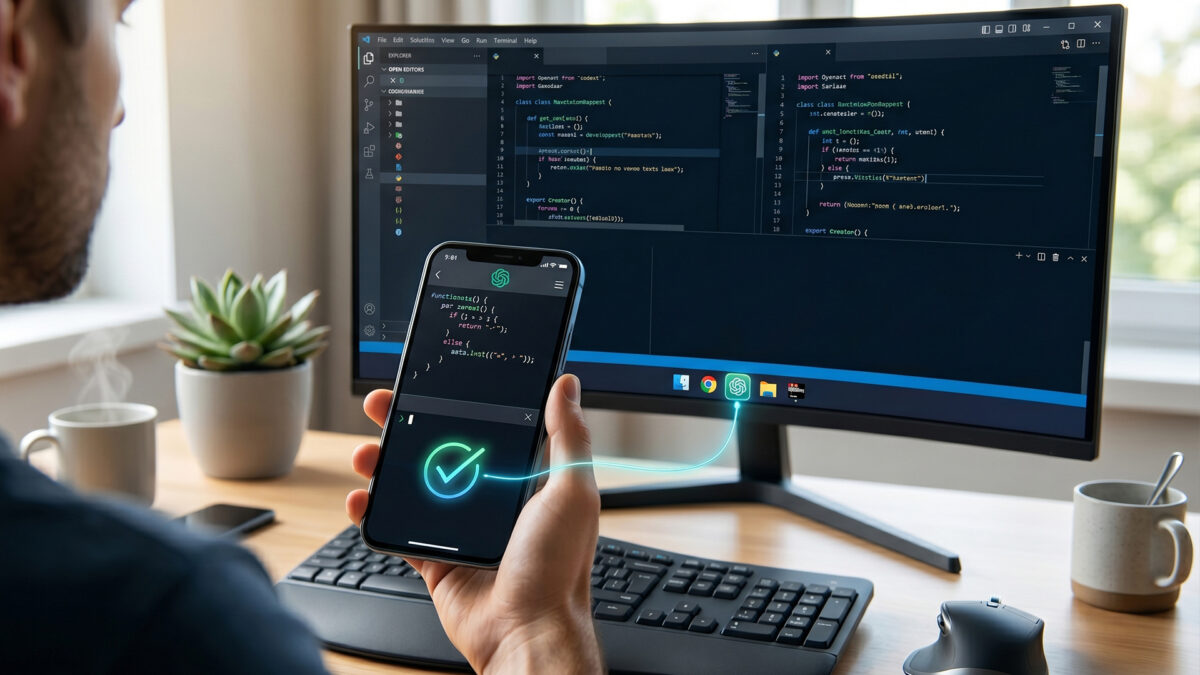
OpenAI has integrated its coding assistant Codex into the ChatGPT mobile app, allowing users to handle programming tasks remotely from their smartphones.

Codex is an AI-powered tool that helps developers generate code, fix errors, review changes and improve software projects. Earlier, it was mainly available on desktop platforms, but the new update extends its use to mobile devices.

With this rollout, developers can monitor ongoing coding tasks, approve changes, and track progress directly from the ChatGPT app. However, the actual processing and execution of code still takes place on connected systems such as cloud servers or computers, while the phone serves as a control interface.

The feature is being introduced in a phased manner for both Android and iOS users. It is aimed at making software development more flexible by allowing engineers to stay connected to their projects even when away from their workstations.

OpenAI said the update is part of its effort to improve productivity tools for developers as demand for AI-assisted coding continues to grow globally. The company is competing in a fast-expanding market for AI developer platforms.

Codex was initially launched as a desktop-focused tool to support coding assistance and automation. The mobile integration now allows users to interact with AI coding workflows in real time while on the move.

Also Read: Roche introduces 7-minute lung cancer shot in India

Categories
Beyond

Musk–Altman OpenAI trial intensifies in court

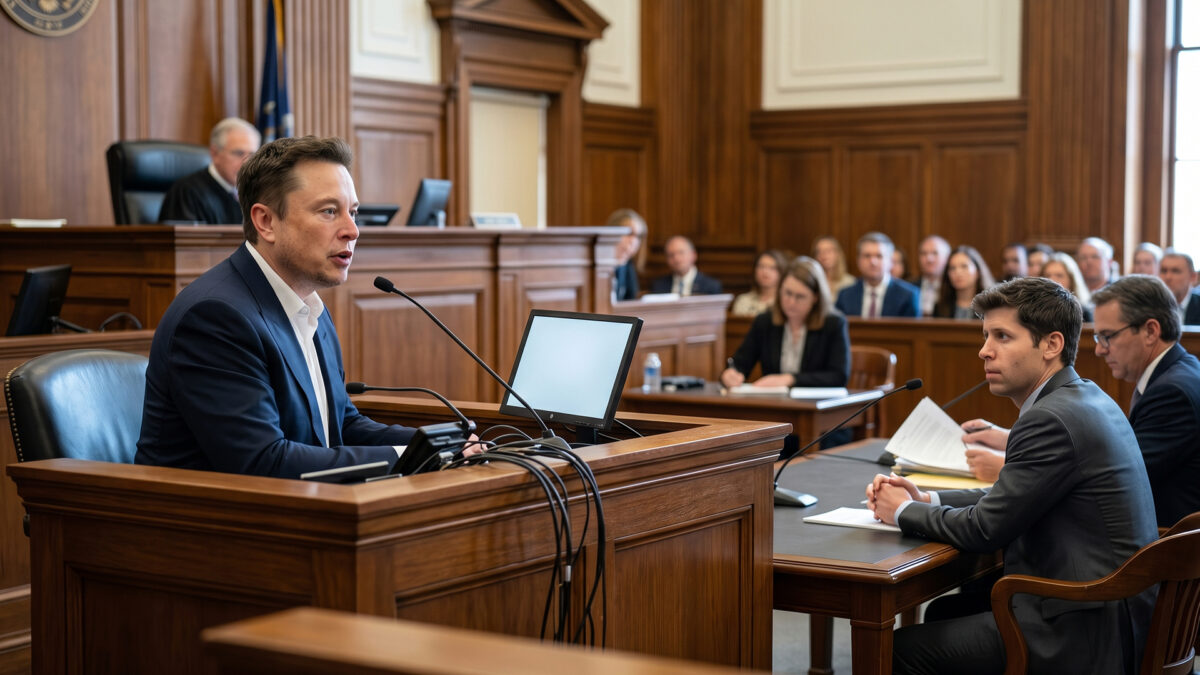
The legal fight between Elon Musk and OpenAI CEO Sam Altman has escalated as Musk appeared in court and gave testimony in a closely watched trial over the future of the AI company.

Musk, who helped found OpenAI in 2015, told the court that the organisation was originally created to develop artificial intelligence for the benefit of humanity. He claims that over time, it moved away from that goal and became more focused on profit and commercial growth.

He also argued that OpenAI’s shift, especially after receiving major investment from Microsoft, went against its founding principles. Musk is now asking the court to remove Sam Altman and other top executives, reverse the company’s current structure, and award damages.

OpenAI has strongly denied these allegations. The company says its transition to a more commercial model was necessary to fund large-scale AI development. It also points out that Musk himself had considered similar directions before leaving the organisation.

The case has attracted global attention because it involves some of the biggest names in artificial intelligence. It also raises important questions about how AI companies should be structured and who should control advanced technologies.

During his testimony, Musk said his main concern was ensuring that AI remains safe and accessible, rather than being controlled by a few powerful companies or driven mainly by profit.

OpenAI, on the other hand, maintains that its current model allows it to raise the resources needed to compete in a rapidly evolving industry. The company says it remains committed to responsible AI development.

The trial is expected to continue for several more weeks, with both sides presenting evidence, including emails and internal discussions.

Also Read: EPFO rolls out E-PRAAPTI as PF account tracker

Categories
Corporate

OpenAI, Microsoft reset partnership terms

OpenAI and Microsoft have updated the terms of their high-profile partnership, signalling a new chapter in one of the most influential relationships in the artificial intelligence industry.

The revised agreement gives both companies greater flexibility at a time when the global AI race is accelerating and demand for computing power is rising sharply.

Microsoft will continue as a major cloud partner for OpenAI, but it will no longer be the exclusive provider of infrastructure. That means OpenAI can now work with other cloud companies when needed, helping it secure more capacity to train and run advanced AI systems.

For OpenAI, this is an important shift. Since the success of ChatGPT, the company has grown rapidly and needs huge amounts of computing resources to support users, developers and businesses around the world.

The new structure may help OpenAI expand faster while reducing dependence on a single partner.

For Microsoft, the reset allows it to maintain close ties with OpenAI while also creating more room to develop its own AI strategy.

Microsoft has already integrated OpenAI technology into products such as Copilot, Azure services and workplace software, making the partnership central to its recent AI push.

The companies have also reportedly adjusted financial arrangements and removed earlier clauses tied to future advanced AI scenarios, simplifying what had become a complex long-term relationship.

Also Read: Samsung launches EMI plans from ₹33 a day

Categories
Technology

OpenAI launches $100 ChatGPT Pro

OpenAI has launched a new ChatGPT Pro plan priced at $100 per month, designed for users who need more power than the standard Plus subscription but do not require the top-end tier. The plan mainly targets developers and heavy users who rely on OpenAI’s Codex tool for coding tasks.

The Pro tier offers significantly higher usage limits, around five times more than the Plus plan, allowing longer and more complex coding sessions without interruptions. This makes it more suitable for professional and intensive workflows.

In India, the plan costs approximately ₹10,699 per month. It is part of a broader pricing structure that now includes a free tier, a low-cost “Go” plan, Plus, and Pro, giving users more flexibility based on usage needs.

Alongside the launch, OpenAI has also adjusted usage limits for Plus subscribers, indicating a reshuffling of resources as demand for AI tools continues to grow. The company appears to be balancing system load while expanding access to higher-performance options.

The move comes amid increasing competition in the AI coding space, with rivals also offering premium developer-focused tools. OpenAI’s new pricing strategy aims to retain advanced users while capturing a wider segment of the market.

Also Read: Unilever builds 300,000-strong Influencer network


Categories
Leaders

Firebomb thrown at Sam Altman’s home

A man has been arrested after allegedly throwing a Molotov cocktail at the home of Sam Altman in San Francisco, sparking concerns about the safety of prominent tech leaders.

The incident happened early on April 10, when the device was thrown at the property’s entrance, causing a small fire near the gate. Emergency services responded quickly and managed to put out the flames before they could spread. No one inside the house was hurt.

Police said the suspect, a 20-year-old man, was tracked down and arrested within about an hour of the attack. Authorities later found him near the office of OpenAI, where he is believed to have made additional threats, including warnings about setting the building on fire.

Officials have not yet confirmed what motivated the attack. The investigation is ongoing, and police are looking into the suspect’s background and whether he acted alone.

In a statement, OpenAI said it is cooperating with law enforcement and thanked emergency responders for their quick action. The company also reassured employees that there is no immediate threat, though security has been tightened as a precaution.

The incident comes at a time when artificial intelligence companies are facing growing public attention and debate. Experts say tensions around the rapid development of AI technologies have increased in recent months, though it is still unclear if this played any role in the attack.

Also Read: Coal India shares slip by 5% on rising costs

Categories
Corporate

Musk moves to oust OpenAI CEO Altman

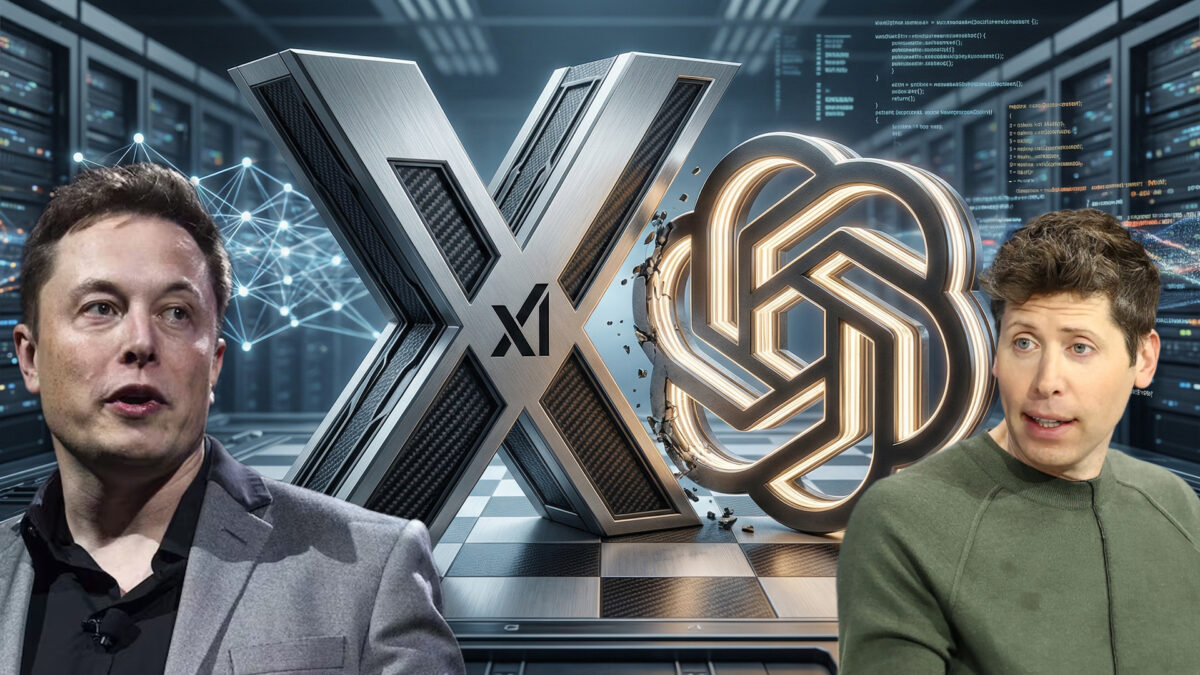
Elon Musk has stepped up his legal battle with OpenAI, now asking the court to remove CEO Sam Altman from his position. He is also seeking the removal of OpenAI president Greg Brockman as part of the case.

Musk, who helped start OpenAI in 2015, has been critical of how the company has changed over time. In his lawsuit, he claims OpenAI has moved away from its original goal of working as a non-profit focused on public benefit and has instead become more profit-driven.

According to Musk, he supported the organisation in its early days based on the idea that it would remain non-commercial. He now argues that the company’s current structure and partnerships go against that vision.

As part of the updated lawsuit, Musk is also seeking huge financial damages, reportedly over $100 billion. However, he has said that any money awarded should go to OpenAI’s non-profit arm, not to him personally.

OpenAI has strongly denied these claims. The company says Musk’s accusations are unfounded and has pushed back against his demands, calling them disruptive. It has also suggested that Musk’s actions may be influenced by competition, as he now runs his own AI company, xAI.

The dispute highlights the growing tension between Musk and OpenAI, especially as both are now competing in the fast-moving artificial intelligence space.

Also Read: Policybazaar CEO Tarun Mathur resigns

Categories
Corporate

OpenAI acquires popular tech show TBPN

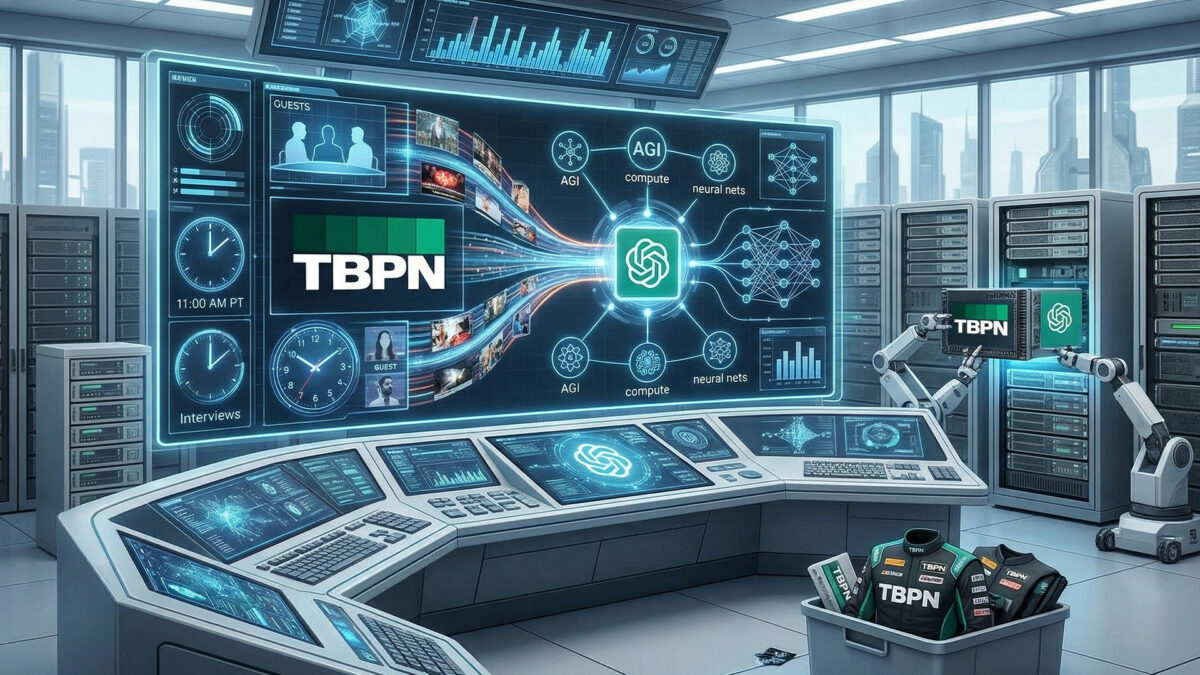
OpenAI, the company behind ChatGPT, has made an unexpected move into media by acquiring Technology Business Programming Network (TBPN), a widely followed tech and business talk show. The acquisition marks OpenAI’s first venture into content production, signaling its interest in shaping conversations around technology, artificial intelligence, and business trends.

TBPN, founded by John Coogan and Jordi Hays, began as a niche Silicon Valley show but quickly attracted a global audience. The program streams daily on platforms like YouTube and X (formerly Twitter), with episodes featuring interviews with top tech executives, including Meta’s Mark Zuckerberg and Microsoft’s Satya Nadella. Before the acquisition, the show drew around 70,000 viewers per episode and was generating modest revenue, estimated to be in the tens of millions annually.

OpenAI has assured that TBPN will retain editorial independence, meaning the hosts and production team will continue to select topics and guests without interference. However, the show will now report to Chris Lehane, OpenAI’s chief global affairs officer, and will support the company’s broader communications and marketing efforts.

Industry analysts say the acquisition is unusual because tech firms typically buy software, infrastructure, or AI startups, not media outlets. By owning a platform that regularly hosts voices from across the tech sector, OpenAI gains a continuous forum to engage with the public on AI and technology, going beyond traditional press releases or interviews.

The move also comes as OpenAI prepares for a potential IPO, highlighting its desire to communicate directly with a wider audience about the impact of AI on society, business, and culture. While financial terms were not disclosed, reports suggest the deal could be worth hundreds of millions of dollars.

Some critics, however, have raised concerns about whether true editorial independence can be maintained when a major industry player owns the outlet it covers. OpenAI maintains that TBPN will continue to operate with autonomy, aiming to foster constructive discussions on technology rather than promotional content.

Also Read: US proposes $1.5 trillion defence budget

Categories
Corporate

OpenAI raises $122 billion for AI expansion

In a landmark moment for the tech world, OpenAI has raised an unprecedented $122 billion in new funding, highlighting just how central artificial intelligence has become to the future of technology. The deal values the company at around $850 billion, placing it among the most valuable private firms globally.

The funding round drew support from some of the biggest names in tech and finance, reflecting strong confidence in OpenAI’s vision. With this fresh capital, the company plans to significantly expand its computing infrastructure and continue developing more advanced AI systems.

At its core, OpenAI says the goal is simple: make AI more useful and accessible for everyone. Whether it’s individuals using tools like ChatGPT for everyday tasks, developers building applications, or businesses integrating AI into their operations, the company wants its technology to be widely adopted and easy to use.

This new phase will also see OpenAI doubling down on its most successful products. Instead of spreading resources across too many experimental ideas, the company is focusing on refining what people already use the most, like conversational AI and coding assistants. The aim is to create a more seamless, all-in-one experience where different AI capabilities work together smoothly.

Despite its rapid rise, challenges remain. Building and running advanced AI systems requires enormous investment, especially in data centers and computing power. While OpenAI is already generating substantial revenue, turning consistent profits will take time.

Competition is also heating up, with other tech giants racing to develop their own AI platforms. At the same time, questions around the ethical use and long-term impact of AI continue to grow.

Also Read: India waives import duty on 40+ petrochemicals

Categories
Technology

OpenAI shuts Sora, drops $1 bn Disney deal

OpenAI has decided to shut down its AI video tool Sora, stepping back from one of its most ambitious projects and ending a reported $1 billion partnership with Disney. The move reflects a change in priorities as the company focuses on more sustainable and widely used AI products.

Sora, introduced as a cutting-edge tool, allowed users to create short, realistic videos using simple text prompts. It quickly caught global attention for its ability to generate detailed scenes and creative visuals. However, despite the excitement, the platform struggled to overcome several challenges.

One of the biggest issues was the cost. Video-generating AI models require far more computing power than text or image tools, making them expensive to run and difficult to scale. As demand grew, so did the pressure on resources.

There were also concerns around misuse. Experts and critics warned about the risks of deepfakes, copyright violations, and the unauthorised use of people’s likenesses. These concerns made it harder for the platform to expand without stricter controls and safeguards.

The shutdown has also affected OpenAI’s collaboration with Disney, which had planned to explore AI-generated content using its popular characters. With Sora now discontinued, that deal is no longer moving forward.

OpenAI says it is now shifting its focus to core areas such as improving ChatGPT, building enterprise tools, and advancing research in artificial intelligence. The company appears to be concentrating on products that are more practical, scalable, and aligned with long-term growth.

The decision highlights a broader reality in the AI industry. While new tools can generate excitement, turning them into sustainable, safe, and widely usable products remains a challenge.

Also Read: India sets 47% cut, 60% clean power by 2035