
Categories
Corporate

India’s GAIL buys Oman LNG cargo

India’s state-run gas giant GAIL (India) Ltd has taken decisive action to ensure the country’s gas needs are met by purchasing a cargo of liquefied natural gas (LNG) from Oman. The move comes as supply disruptions from its usual sources in the Middle East have created uncertainty for households, industries, and transport sectors that rely heavily on gas.

The cargo was secured through a European trader at a price estimated between $17 and $20 per million British thermal units (mmBtu). Shipping data shows the LNG, aboard the vessel Orion Hugo chartered by Shell, is expected to reach Indian shores by mid-March, offering a timely boost to supplies.

India imports nearly half of its 195 million standard cubic metres per day gas consumption, making it highly dependent on global suppliers. Recent disruptions were triggered by geopolitical tensions in the Middle East, including temporary closures near the Strait of Hormuz and a force majeure declared by QatarEnergy, one of India’s key LNG providers.

By securing the Oman cargo, GAIL aims to stabilize domestic supply, particularly for essential users. Authorities have also begun prioritizing gas distribution, ensuring households, transport (CNG), and critical industrial sectors receive uninterrupted service, while non-essential consumption is temporarily scaled back.

Experts note that this step underscores India’s reliance on Middle Eastern LNG and highlights the need for diversified sources to maintain energy security. “This purchase is not just about meeting demand; it’s about keeping homes warm, vehicles running, and factories operational during a turbulent period,” a senior industry analyst said.

While GAIL has not issued a formal statement, industry observers view the procurement as a pragmatic, quick-response measure in a challenging global energy landscape.

Also Read: Volkswagen plans 50,000 job cuts by 2030
Categories
Beyond

India and Oman ink historic CEPA trade deal

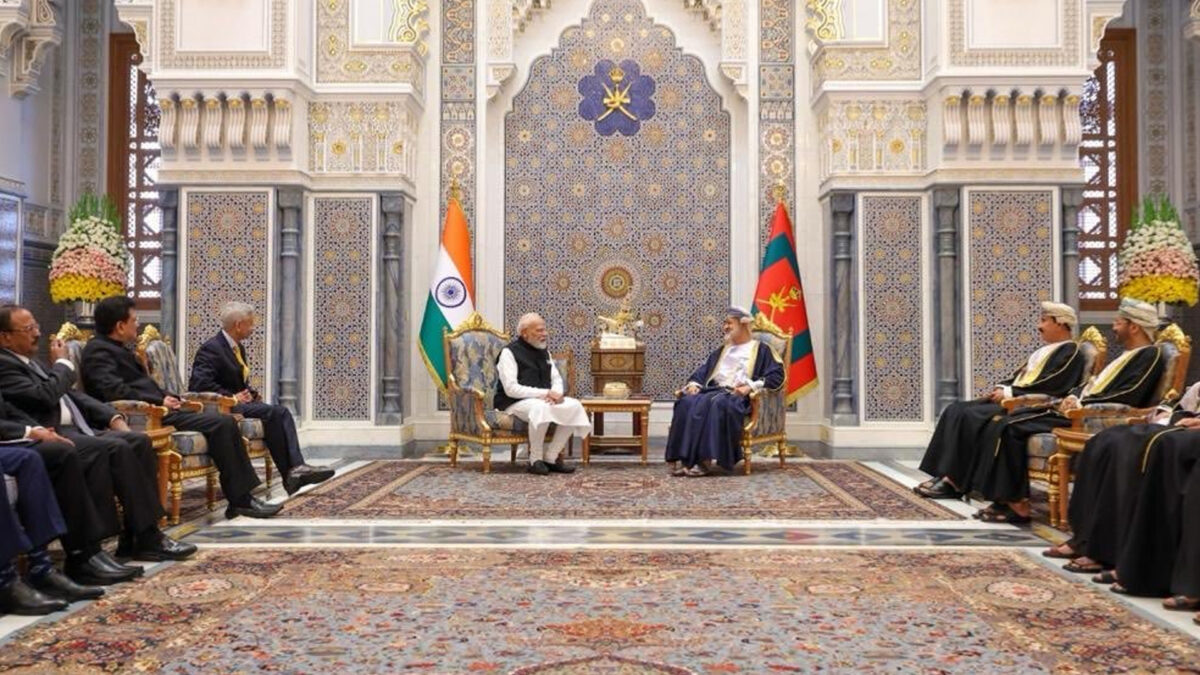
India and Oman have officially strengthened their economic partnership with the signing of a Comprehensive Economic Partnership Agreement (CEPA) on December 18, 2025, in Muscat, coinciding with Prime Minister Narendra Modi’s visit. This is Oman’s first major free trade deal in nearly two decades and represents a significant milestone in bilateral relations.

The agreement aims to make trade easier and more cost-effective for companies across both nations. By reducing or eliminating customs duties on a wide range of goods, including textiles, automobiles, food products, and jewellery, CEPA is expected to unlock new business opportunities and lower operational costs. This move benefits not only large corporations but also small and medium enterprises looking to expand into each other’s markets.

Beyond trade in goods, the pact also promotes investment, collaboration in services, and cooperation in emerging sectors like renewable energy, logistics, and professional services. Experts believe this will encourage long-term projects and partnerships, strengthening the overall business ecosystem between the two countries.

Bilateral trade between India and Oman currently stands at around USD 10–11 billion annually. With the new agreement in place, trade volumes are expected to rise further, creating opportunities for businesses to innovate and grow.

Officials from both countries described CEPA as a historic step in deepening economic ties. A senior Indian trade official said that beyond tariffs, this pact is about building a stronger, more integrated economic relationship that benefits businesses and consumers alike.

The CEPA signals a new era of economic cooperation, providing companies with a framework to explore joint ventures, investments, and new markets. Analysts view it as a strategic move that strengthens India-Oman relations while offering a model for future international trade partnerships.

Also Read: Israel approves record gas export deal with Egypt