Categories
Beyond

Reliance steps up LPG output to support domestic supply

Reliance Industries plans to increase the production of liquefied petroleum gas (LPG) and divert natural gas from its KG-D6 fields to priority sectors in order to support India’s fuel supply. The move comes as global energy markets remain uncertain due to tensions in West Asia.

The company said it is working to maximise LPG output at its large refinery complex in Jamnagar, Gujarat. By optimising operations at the refinery, the company aims to ensure that adequate LPG is available for domestic use, especially for cooking gas supplies across the country.

At the same time, natural gas produced from the KG-D6 basin in the Bay of Bengal will be redirected to sectors that are considered essential. These include household LPG supply, compressed natural gas (CNG) used in vehicles, and piped natural gas connections for homes and businesses.

The decision follows government guidelines that prioritise these sectors when domestic gas supplies are tight. Authorities have been taking steps to ensure that households and critical services continue receiving fuel without disruption.

Energy markets have become volatile in recent weeks because of the ongoing conflict in West Asia, which has affected global fuel supplies and shipping routes. As India imports a significant amount of energy, any disruption in international markets can influence domestic availability.

Reliance said the steps are part of its efforts to support India’s energy security during a period of uncertainty.

Also Read: Gold at ₹1,62,390, Silver at ₹2,90,100


Categories
Beyond

Iran crisis affects LPG supply in major Indian cities

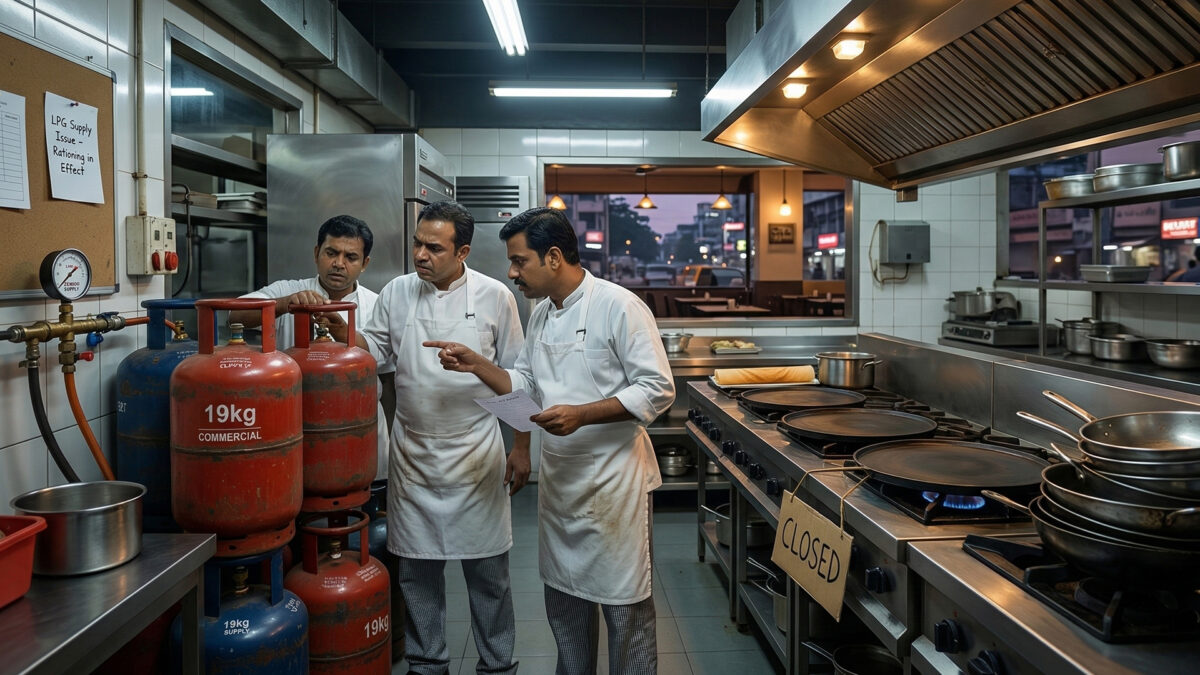
Rising geopolitical tensions in West Asia have begun to affect liquefied petroleum gas (LPG) supply in several Indian cities, disrupting availability of commercial cylinders used by restaurants, hotels and small food businesses.

Cities such as Bengaluru, Mumbai and Kolkata have reported delays in the supply of commercial LPG cylinders, raising concerns among the hospitality sector. Industry representatives said prolonged supply disruptions could affect operations of eateries and food outlets that rely heavily on LPG for daily cooking.

The supply pressure comes as global energy markets remain volatile due to the ongoing conflict in West Asia. India imports a significant portion of its LPG requirements from the Gulf region, making domestic supply vulnerable to disruptions in the international market.

To manage the situation, the central government has taken steps to ensure adequate availability of cooking gas in the country. The Ministry of Petroleum and Natural Gas has directed oil refineries to increase LPG production for domestic consumption.

Officials said the move is aimed at stabilising supply and preventing shortages in the domestic market. The government has also instructed oil marketing companies to prioritise household LPG supply over commercial demand to ensure that domestic consumers do not face any major disruptions.

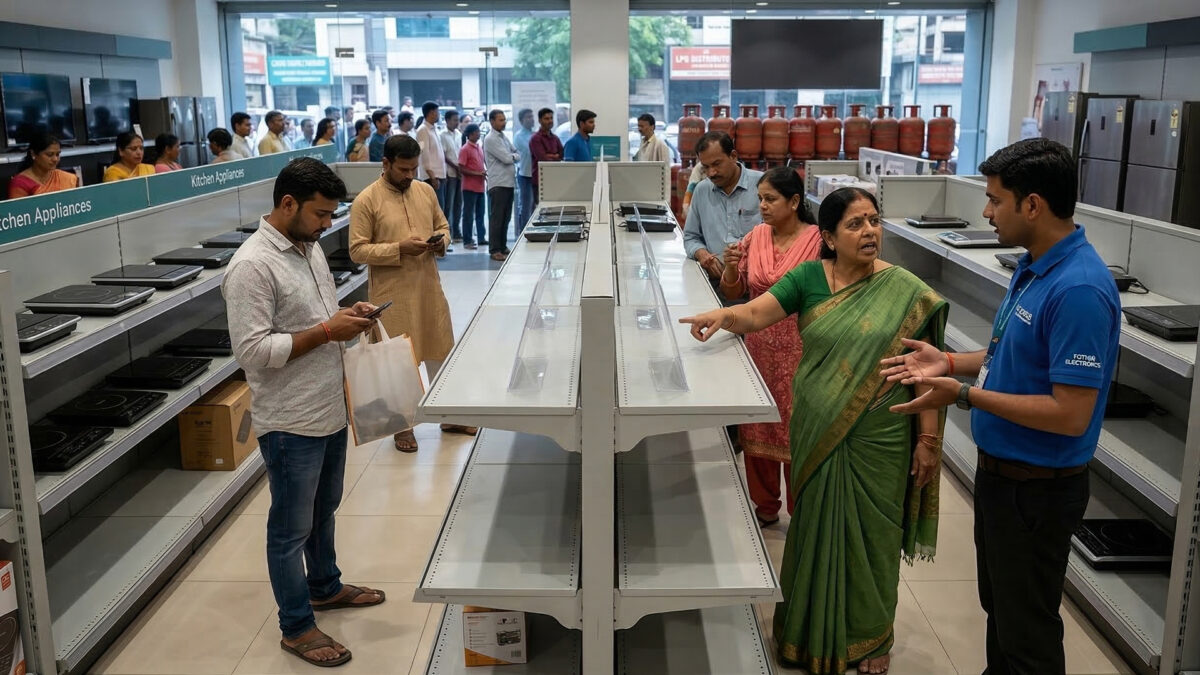
In addition, authorities have extended the minimum waiting period for booking an LPG refill from 21 days to 25 days. The measure has been introduced to prevent panic buying and hoarding of cylinders during the current period of supply pressure.

Industry experts said commercial establishments are more likely to face short-term supply challenges as available LPG is redirected toward domestic consumption. However, the additional production ordered by the government is expected to ease the situation in the coming weeks.

The government is also exploring alternative import options to maintain steady LPG supplies. Officials said the situation is being closely monitored and further steps may be taken if required.

Also Read: Oil prices drop below $90, airline stocks rally

Categories
Beyond

Domestic LPG up ₹60, commercial cylinders now ₹115

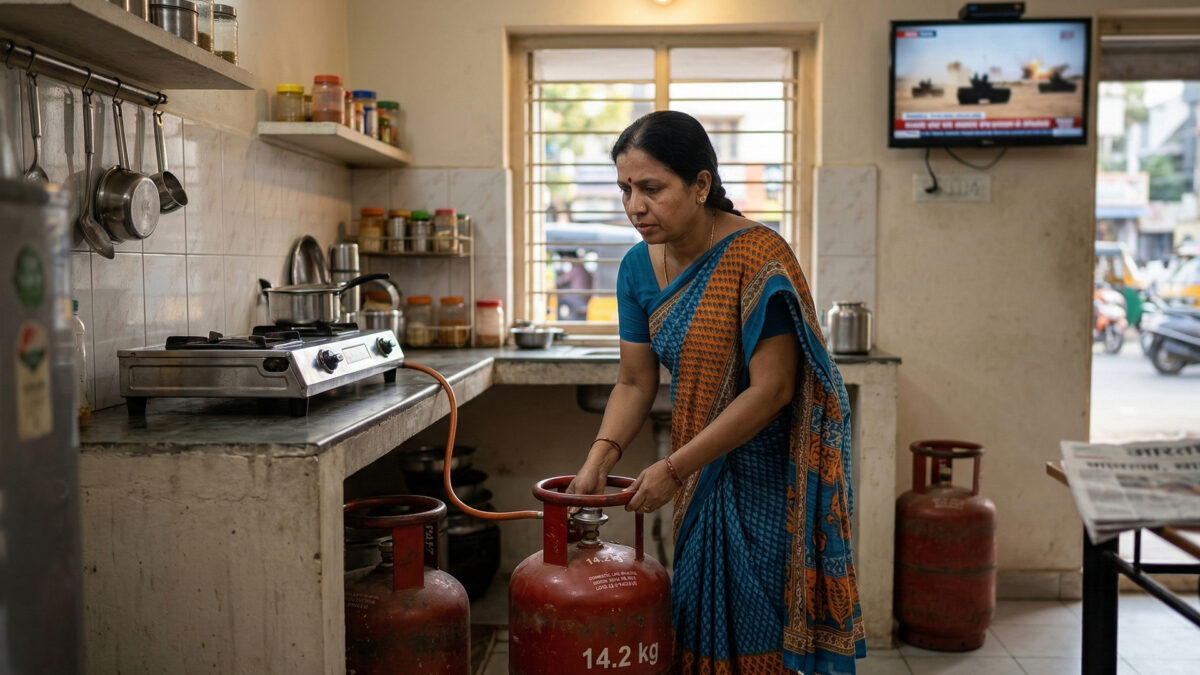
Cooking gas prices in India have increased after oil marketing companies raised the rates of domestic and commercial LPG cylinders. The price of a 14.2-kg domestic LPG cylinder has been increased by ₹60, while the cost of a 19-kg commercial cylinder has gone up by ₹115. The revised prices came into effect on March 7.

With the latest hike, the price of a domestic LPG cylinder in Delhi has risen to around ₹913 from ₹853 earlier. Similar increases have been reported in other major cities. In Mumbai, the price has gone up to about ₹912.50, while in Kolkata it has increased to around ₹939. In Chennai, a domestic LPG cylinder now costs roughly ₹928.50.

Commercial LPG cylinders, widely used by hotels, restaurants and small businesses, have also become costlier by ₹115. The increase is expected to push up operating costs for the hospitality sector and other businesses that depend heavily on LPG.

The price revision comes amid rising global energy costs linked to tensions in West Asia. Ongoing geopolitical developments in the region have disrupted energy supply chains and pushed up international fuel prices. As India imports a significant portion of its energy needs, global price movements often influence domestic fuel prices.

This is the first major LPG price revision in several months. Cooking gas prices were last revised in April last year, when domestic LPG cylinders were increased by ₹50. Since then, prices had remained largely stable.

India has more than 33 crore LPG consumers, making cooking gas one of the most widely used household fuels in the country. As a result, any change in LPG prices directly affects household budgets as well as the cost structure of several businesses.

While the latest hike may add to the financial burden on consumers, officials say supply of LPG across the country remains stable and there are no immediate concerns about shortages. The government and oil companies are closely monitoring the global situation to ensure adequate availability of cooking gas in the domestic market.

Also Read: US grants India 30-day Russian crude oil import

Categories
Beyond

India signs first LPG deal with US

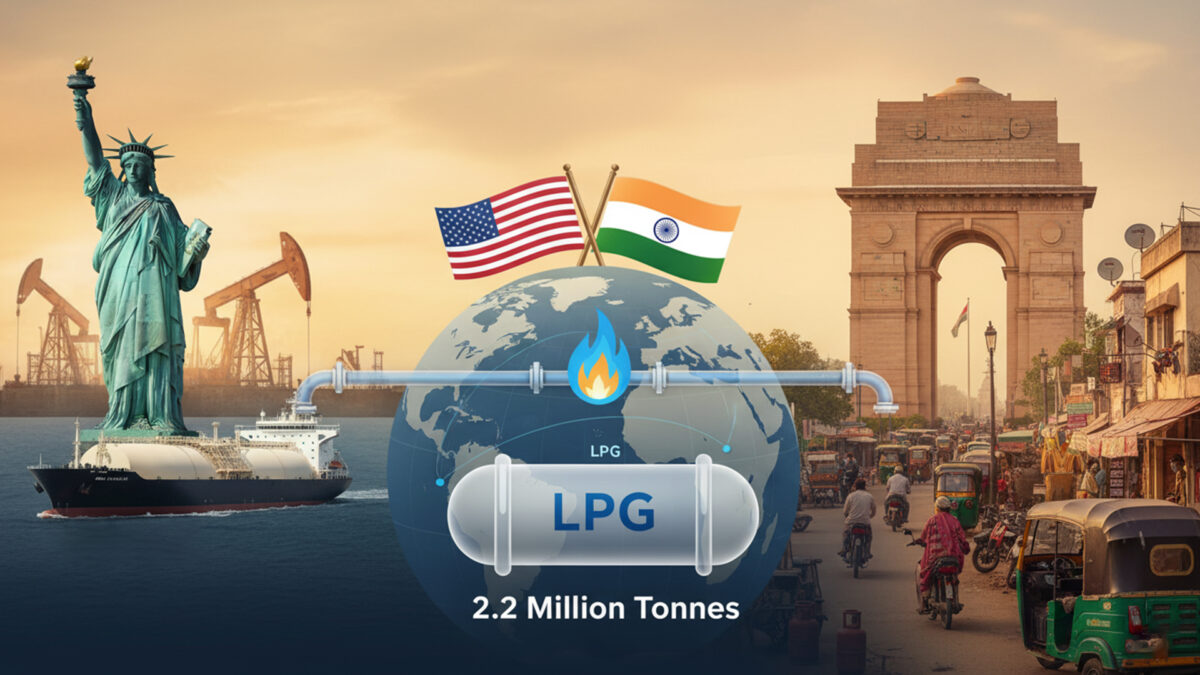
India has signed its first-ever structured deal to import liquefied petroleum gas (LPG) from the United States, marking a major step in diversifying the country’s energy supply. The one-year agreement will see state-owned oil companies bring in 2.2 million tonnes of LPG from the U.S. Gulf Coast during the 2026 contract year, which accounts for nearly 10% of India’s total annual LPG imports.

Union Petroleum Minister Hardeep Singh Puri described the deal as “historic,” emphasizing that it ensures a secure and affordable supply of LPG for Indian households. The agreement was negotiated after Indian Oil Corporation (IOC), Bharat Petroleum (BPCL), and Hindustan Petroleum (HPCL) delegations met with US producers to finalize terms.

The contract will use the Mont Belvieu price benchmark, a standard reference point in the global LPG market, helping India manage costs effectively. Analysts say this move also reduces India’s dependence on traditional suppliers from the Middle East, enhancing energy security.

India’s domestic LPG demand is growing rapidly, partly due to the Pradhan Mantri Ujjwala Yojana, which provides subsidized gas connections to low-income families. Even with global LPG prices surging by more than 60% last year, Ujjwala beneficiaries continued to pay much lower rates per cylinder, while the government absorbed the difference to shield households from price shocks.

This deal could also strengthen long-term energy cooperation between India and the U.S., and pave the way for more structured agreements in the future. By securing a significant portion of its LPG needs from a reliable source, India aims to stabilize supply and prices amid global market fluctuations, ensuring continued access to clean cooking fuel for millions of families.

Also Read: External Affairs minister meets Qatar leaders