Categories
Leaders

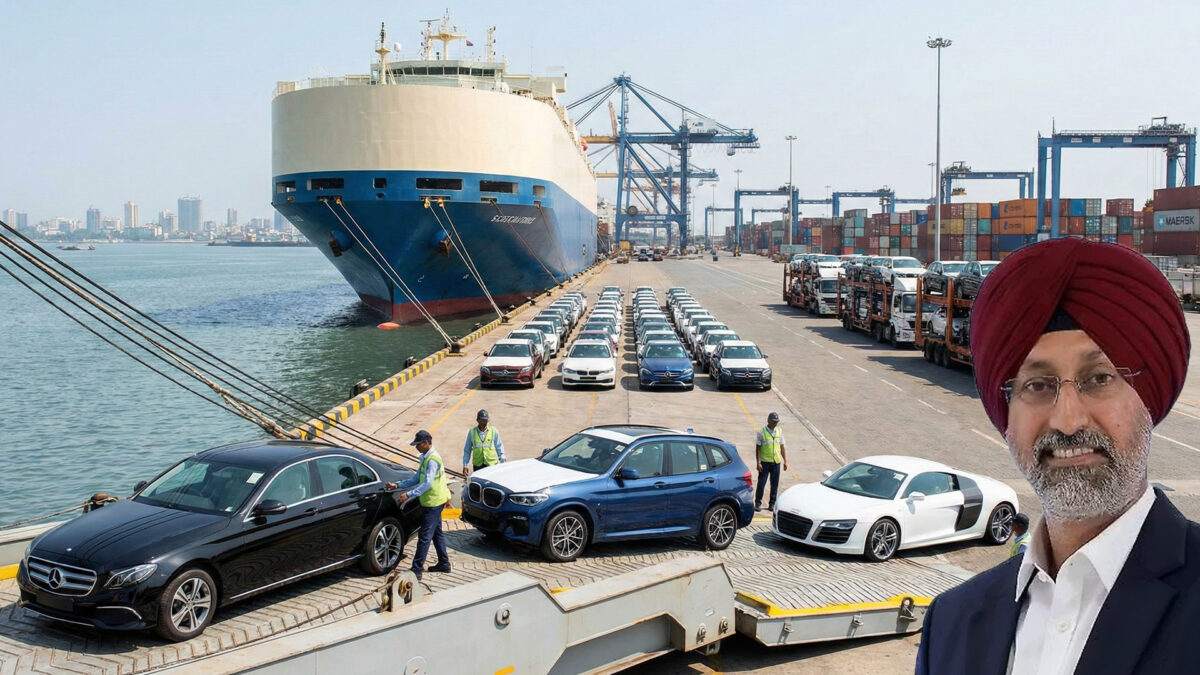
FTA to lift luxury cars, says BMW CEO

BMW Group India CEO Hardeep Singh Brar has said the proposed India–European Union Free Trade Agreement (FTA) could help grow India’s small luxury car market by making imported premium vehicles more accessible. He noted that lower import duties would allow global automakers to introduce a wider range of models and gradually expand the segment, which currently accounts for barely one per cent of India’s total passenger vehicle sales.

According to Brar, reduced tariffs on completely built units (CBUs) could help brands test new products and respond better to evolving consumer preferences. However, he cautioned that growth would be steady rather than sudden, as India remains a highly price-sensitive market.

The comments come as India and the EU move closer to finalising a long-pending trade pact that is expected to sharply cut import duties on European cars. At present, imported vehicles attract customs duties ranging from 70 per cent to over 100 per cent, significantly pushing up prices and limiting volumes. Under the FTA, tariffs are likely to be reduced in phases, with duties potentially dropping to as low as 10 per cent for a fixed annual quota of imported vehicles.

Industry experts say the proposed changes could benefit European brands such as BMW, Mercedes-Benz, Audi and Volkswagen, which have struggled to scale up sales in India due to high costs. Lower duties could make some luxury models more competitively priced and broaden customer choice, particularly in the premium end of the market.

However, analysts also warn that the impact of the FTA may be limited largely to the luxury segment. Mass-market cars are mostly manufactured locally and remain extremely price sensitive. Even with tariff cuts, imported vehicles may still face challenges such as high logistics costs, regulatory compliance requirements and currency volatility.

The agreement is expected to include safeguards like import quotas to prevent a sudden surge of foreign vehicles and protect domestic manufacturers. This balance is seen as critical, given India’s strong focus on local manufacturing and employment generation.

Beyond pricing, auto industry leaders believe the India-EU FTA could encourage deeper collaboration in areas such as advanced automotive technology, electric mobility and safety standards. While the deal may not immediately transform the market, it is widely viewed as a long-term opportunity to strengthen India’s integration with global auto supply chains.

Also Read: Adani shares jump 6% after legal clarity
Categories
Beyond

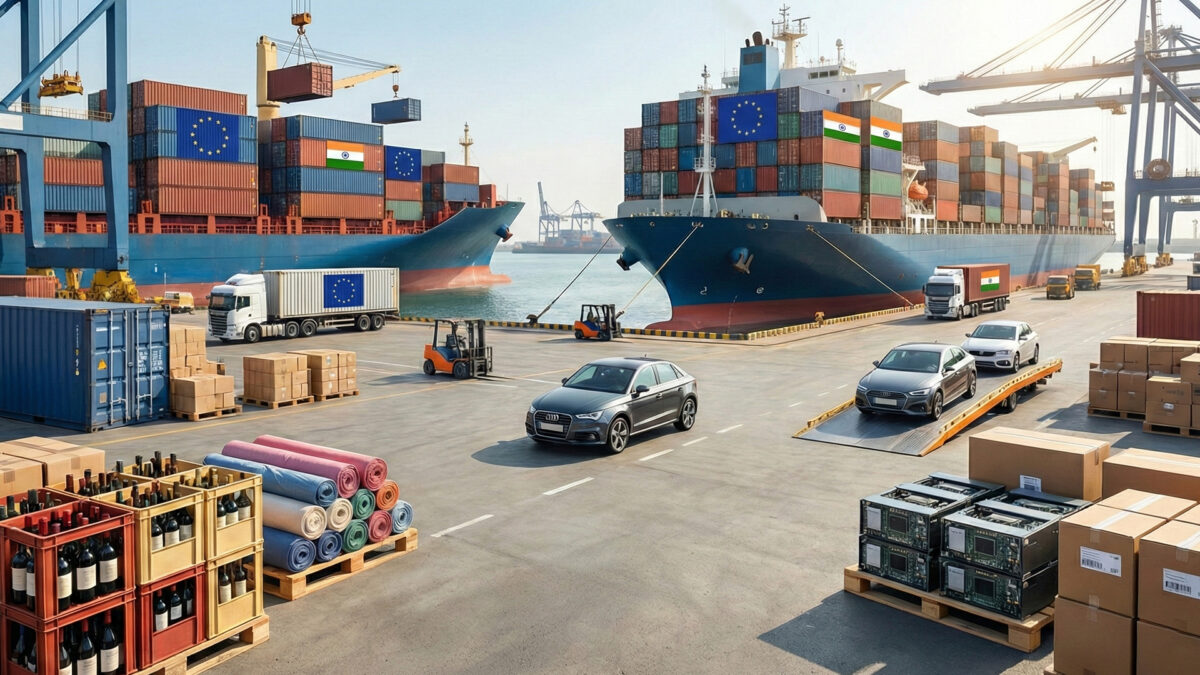
India-EU FTA sealed after 20 years

India and the European Union have finally signed a Free Trade Agreement (FTA) on January 27, 2026, ending nearly 20 years of negotiations. The agreement was announced at the India-EU Summit in New Delhi by Prime Minister Narendra Modi and European Commission President Ursula von der Leyen, and is being seen as a major step forward in strengthening ties between the two sides.

The deal brings together two huge markets, India and the EU together account for about 2 billion people, nearly a quarter of the world’s economy, and around one-third of global trade. At a time when global trade is facing uncertainty and higher tariffs in many countries, the agreement is expected to create new opportunities for businesses and workers on both sides.

Under the FTA, import duties will be removed or sharply reduced on about 96–97% of goods traded between India and the EU over the coming years. This is expected to help Indian exporters, especially in sectors such as textiles, leather, gems and jewellery, chemicals, engineering goods, and marine products, by making it easier and cheaper to sell their products in Europe.

European companies will also benefit. The EU is expected to save around €4 billion every year as tariffs come down. One of the most talked-about decisions is India’s agreement to cut car import duties from as high as 110% to about 10%, in phases and within a fixed annual limit. Taxes on wines and spirits from Europe will also be reduced gradually.

At the same time, both sides have been careful to protect sensitive areas. Dairy products, cereals, and small cars have been kept out of full tariff cuts to protect local producers, especially in India.

Beyond goods, the agreement opens the door to closer cooperation in services, investment, supply chains, standards, and regulations. It also allows room for future discussions on professional mobility and people-to-people exchanges, which could benefit students, professionals, and businesses.

The agreement now needs to go through legal checks and approvals in India and the EU. Once cleared, it is expected to take effect in late 2026 or early 2027, setting the stage for closer economic cooperation and stronger trade ties between India and the European Union.

Also Read: China’s Anta Sports invests in Puma for $1.8 bn

Categories
Beyond

India-EU trade mega deal inches closer

India and the European Union are close to concluding a comprehensive free trade agreement (FTA), marking a major milestone in bilateral economic relations after years of negotiations. The deal is expected to be announced around the upcoming India-EU Summit on January 27, 2026, subject to formal approvals on both sides, including ratification by the European Parliament.

The proposed pact is among the most ambitious trade agreements pursued by India, covering goods, services, investment, and regulatory cooperation. Bilateral trade between India and the EU stood at an estimated $136–$190 billion in 2024–25, and the agreement is expected to provide a significant boost by lowering tariffs and easing market access for businesses on both sides.

India has taken a cautious approach during the talks, drawing clear red lines around sensitive sectors such as agriculture and dairy to protect domestic producers and rural livelihoods. It has also sought gradual tariff reductions in manufacturing to prevent sudden pressure on local industries, while aiming to attract European investment and strengthen India’s role in global supply chains.

The EU has pushed for wider access for its industrial goods, including automobiles and auto components, as well as greater opportunities in services. Climate-related trade measures have emerged as a key area of negotiation, particularly the EU’s Carbon Border Adjustment Mechanism (CBAM) and sustainability standards linked to its Green Deal. India has raised concerns that these measures could function as non-tariff barriers for energy-intensive exports, while the EU maintains they are essential to ensure fair competition and meet climate goals.

If finalised, the agreement is expected to improve export prospects for Indian sectors such as textiles, apparel, leather, engineering goods, and services, while offering European firms a larger and more predictable market in India. The deal also carries strategic weight, coming at a time when global trade is increasingly fragmented and economies are looking to diversify partnerships.

Also Read: Infosys to recruit 20,000 freshers in FY27