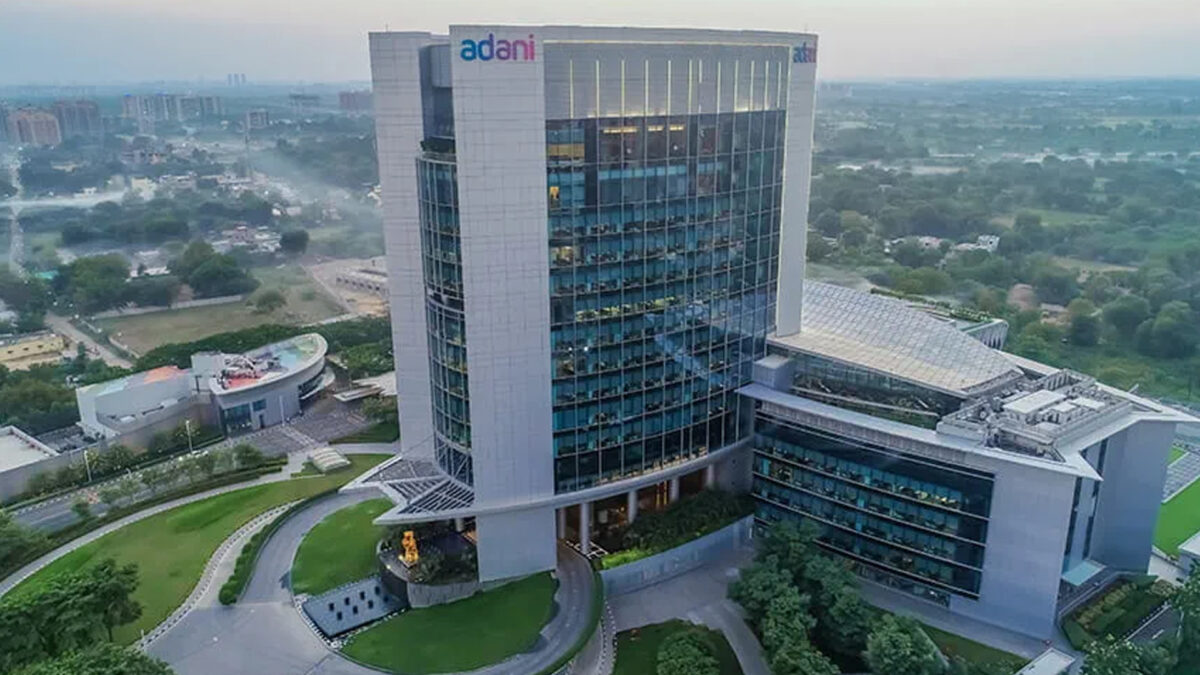
Adani Enterprises Ltd (AEL), the flagship of the Adani Group, reported consolidated EBITDA of ₹7,688 crore and profit before tax (PBT) of ₹2,281 crore for the first half of FY26, driven by strong growth in infrastructure and energy ventures.
The company’s Board also approved a ₹25,000 crore rights issue, marking one of the largest fundraises by the group in recent years. The capital infusion is expected to strengthen AEL’s balance sheet and support expansion in high-growth areas such as airports, data centers, green energy, and roads.
The first half of FY26 was marked by key milestones, including the inauguration of the greenfield Navi Mumbai International Airport and the completion of the company’s seventh road project. These achievements highlight its ability to execute complex, large-scale infrastructure projects on schedule, AEL said.
It added that the emerging core infrastructure portfolio spanning airports, data centers, and roads delivered an EBITDA of ₹5,470 crore during the half year, up 5% year-on-year. This segment now contributes 71% of the company’s consolidated EBITDA, underlining its growing importance within the overall portfolio.
“With disciplined execution and strategic diversification, Adani Enterprises continues to strengthen its position as India’s leading incubator of transformative infrastructure and energy businesses,” said Gautam Adani, Chairman of the Adani Group. “The inauguration of the Navi Mumbai International Airport marks a defining moment in India’s infrastructure story and reinforces AEL’s role as a national growth catalyst.”
AEL’s collaboration with Google on India’s largest AI data centre and its progress in green energy place the company at the forefront of the country’s tech-driven sustainability push. He added that AEL aims to build globally competitive businesses that deliver enduring value and strengthen India’s self-reliance.
Over the years, AEL has successfully incubated and scaled several businesses that are now independently listed entities, including Adani Ports & SEZ, Adani Energy Solutions, Adani Power, Adani Green Energy, Adani Total Gas, and Adani Wilmar. The company’s current portfolio of next-generation businesses, including the green hydrogen ecosystem, airports, data centers, roads, copper, and petrochemicals, is seen as the next phase of value creation for the group.
With a diversified portfolio and a proven record of project execution, AEL said it remains well-positioned to deliver sustainable growth while contributing to India’s infrastructure and energy transformation.
Also Read: Adani Ports Q2 Profit Up 29% as Logistics, Marine Shine