
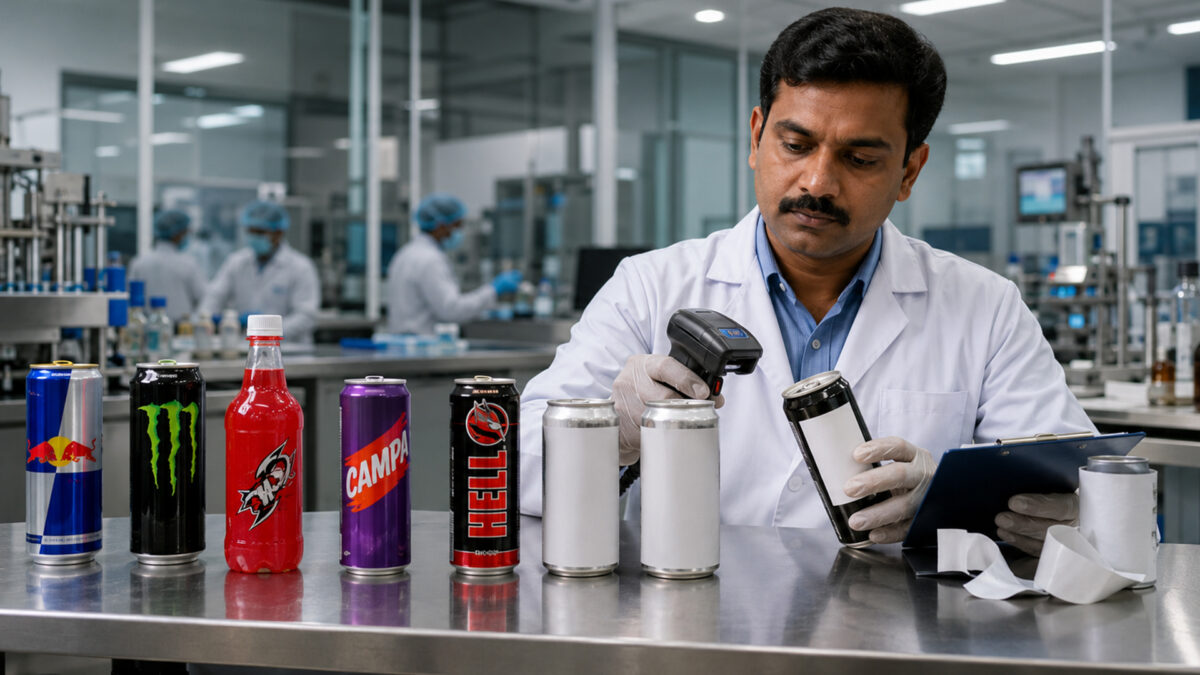
India’s food safety regulator has directed beverage manufacturers to stop using the term “energy drink” on product labels, packaging and promotional material within the next 90 days. The order, issued by the Food Safety and Standards Authority of India (FSSAI), impacts several popular brands including Red Bull, Sting, Monster, Campa Energy and Adrenaline Rush. The move is aimed at ensuring food labels accurately reflect recognised product categories under Indian regulations.
FSSAI said there is currently no approved food standard in India that recognises “energy drink” as an official product category. Since the category does not exist under the Food Safety and Standards Regulations, companies have been instructed to remove the description from all labels and marketing material. The regulator has clarified that while these beverages can continue to be sold, they cannot be marketed under a category that is not officially recognised.
The directive follows notices issued earlier this month to leading beverage companies over alleged misbranding. According to FSSAI, products containing caffeine are permitted for sale, but manufacturers must describe them using terms that comply with existing food safety standards. The regulator believes consumers should receive clear and accurate information instead of labels that may create a misleading impression about a product’s purpose or benefits.
The order has triggered concern across the beverage industry, where the term energy drink has been used for years as a widely recognised product category. Manufacturers reportedly requested additional time to comply, arguing that changing labels, redesigning packaging and updating advertising campaigns across the country would involve significant costs. However, FSSAI has decided to retain the 90-day deadline.
During discussions with industry representatives, FSSAI officials reportedly maintained that the decision would not be reconsidered. Companies were informed that they could challenge the order through legal channels if they disagreed with the regulator’s interpretation. Despite their objections, manufacturers have indicated they will begin preparing to comply while continuing discussions with the government.
The regulator’s concerns extend beyond the product name itself. FSSAI has also questioned marketing claims commonly associated with these beverages, including phrases suggesting they improve energy levels, reduce fatigue or enhance physical and mental performance. Officials believe such descriptions may give consumers an exaggerated impression of the products unless they are supported by recognised scientific standards and regulatory approval.
For consumers, the change is unlikely to affect product availability. Popular caffeinated beverages will continue to be sold across retail stores and online platforms. The biggest difference will be on the packaging, where familiar terms such as “energy drink” may disappear and be replaced with descriptions like “caffeinated beverage” or other regulator-approved classifications.
The decision comes at a time when India’s energy drinks market is witnessing strong growth, fuelled by rising urbanisation, changing lifestyles and increasing demand among young consumers. International brands have expanded their presence in the country, while domestic companies have also entered the fast-growing segment with affordable offerings. The sector has become one of the most competitive categories in the beverage industry.
Health experts have long urged consumers to consume high-caffeine beverages in moderation, particularly children, teenagers and people with certain medical conditions. Although FSSAI‘s latest order is focused on product labelling rather than health restrictions, it reflects a broader push towards transparent food labelling and responsible marketing practices.
The move also follows recent action by state food safety authorities, which have increased scrutiny of beverages marketed as energy drinks. Regulators have also reportedly advised online marketplaces to avoid listing products under the disputed category until labelling complies with national food safety norms.
Over the next three months, beverage manufacturers will need to redesign packaging, update labels and revise promotional campaigns to meet the new requirements. While the drinks themselves will remain on store shelves, the branding consumers have become familiar with is set to change. FSSAI says the objective is simple, ensure that product labels are transparent, scientifically accurate and fully aligned with India’s food safety regulations, helping consumers make informed choices while strengthening confidence in food labelling standards.