Categories
Technology

ChatGPT cites Elon Musk’s Grokipedia in responses

OpenAI’s latest AI language model, GPT‑5.2, has begun sourcing information from Grokipedia, the AI-generated encyclopedia developed by Elon Musk’s xAI, according to industry reports. Grokipedia, unlike traditional Wikipedia, relies entirely on AI for content creation and updates. While the platform aims to offer a fast, alternative knowledge base, experts caution that it may introduce factual inaccuracies and bias into AI outputs.

The move highlights how AI models are increasingly integrating proprietary or niche sources into their knowledge base. Tests have shown GPT‑5.2 referencing Grokipedia when responding to less widely known topics, including technical subjects and certain geopolitical histories. This reliance on a single, AI-authored source has drawn attention from analysts concerned about reliability, particularly in corporate and professional settings where data accuracy is critical.

Interestingly, GPT‑5.2 appears to avoid citing Grokipedia for high-profile or widely debated subjects, suggesting the model prioritizes perceived source credibility on mainstream topics. This selective integration indicates a strategic approach to information sourcing but underscores risks for business users relying on AI-generated insights for decision-making.

Industry observers note that while integrating multiple sources can enhance AI capabilities, including content from unverified AI platforms may impact trust and brand perception. OpenAI maintains that GPT‑5.2 draws from a broad range of publicly available sources and includes safety filters to mitigate misinformation. However, analysts say this development could influence competitive dynamics in AI knowledge services, particularly as other companies explore proprietary encyclopedias or curated datasets.

For enterprises and professionals leveraging AI, this development serves as a reminder to assess both the breadth and credibility of AI-sourced information. As AI increasingly shapes business research, communication, and decision-making, source transparency and verification will be crucial for maintaining reliability and trust.

Also Read: Canada rejects China deal after 100% tariff threat
Categories
Technology

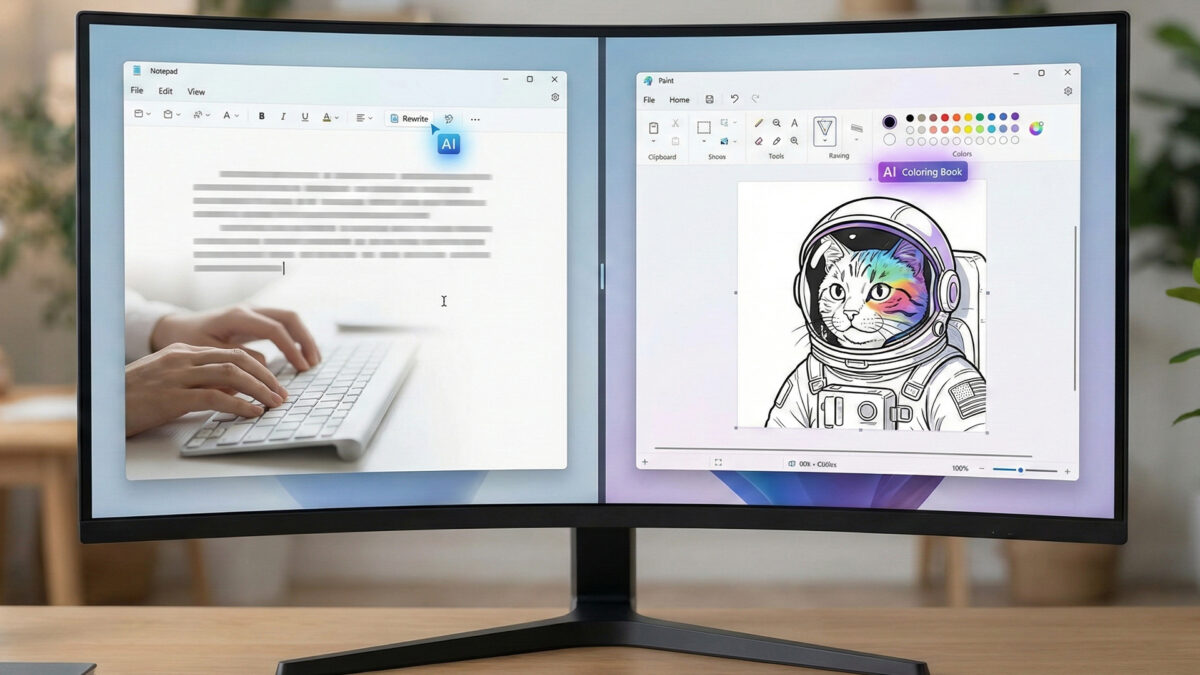
Windows 11 updates paint and notepad with AI

Microsoft adds creative AI tools to Paint and smarter writing features to Notepad for a more modern Windows 11 experience.

Microsoft is refreshing two of its most familiar Windows apps, Paint and Notepad, with new AI-driven features and usability upgrades in Windows 11. The updates are currently being rolled out to users enrolled in the Windows Insider programme, giving them early access before a wider public release.

In Paint, the standout addition is an AI-powered colouring book feature. Users can simply type a description, such as an animal, object or scene, and Paint will generate a clean outline that can be coloured digitally or printed. The tool is aimed at making creativity more accessible, especially for children, casual users and educators. It is available through the Copilot menu and works on Copilot+ PCs with a Microsoft account.

Paint has also become more precise with the introduction of a fill tolerance control. This allows users to decide how much area the Fill tool should cover, making it easier to colour detailed images accurately or experiment with artistic effects.

Notepad, traditionally known for plain text editing, is also seeing meaningful improvements. Microsoft has expanded Markdown support, adding features like strikethrough text and nested lists. These options can be used through shortcuts, a toolbar or Markdown syntax, helping users format content quickly without switching to heavier applications.

In addition, Notepad’s AI writing tools, including Write, Rewrite and Summarise, now respond faster by showing text as it is being generated. Microsoft says these updates reflect its effort to modernise core Windows apps while keeping them simple and lightweight. The features are expected to reach all Windows 11 users in the coming weeks through app updates.

Also Read: Adani Group fully acquires IANS

Categories
Technology

TikTok strikes US deal to stay online

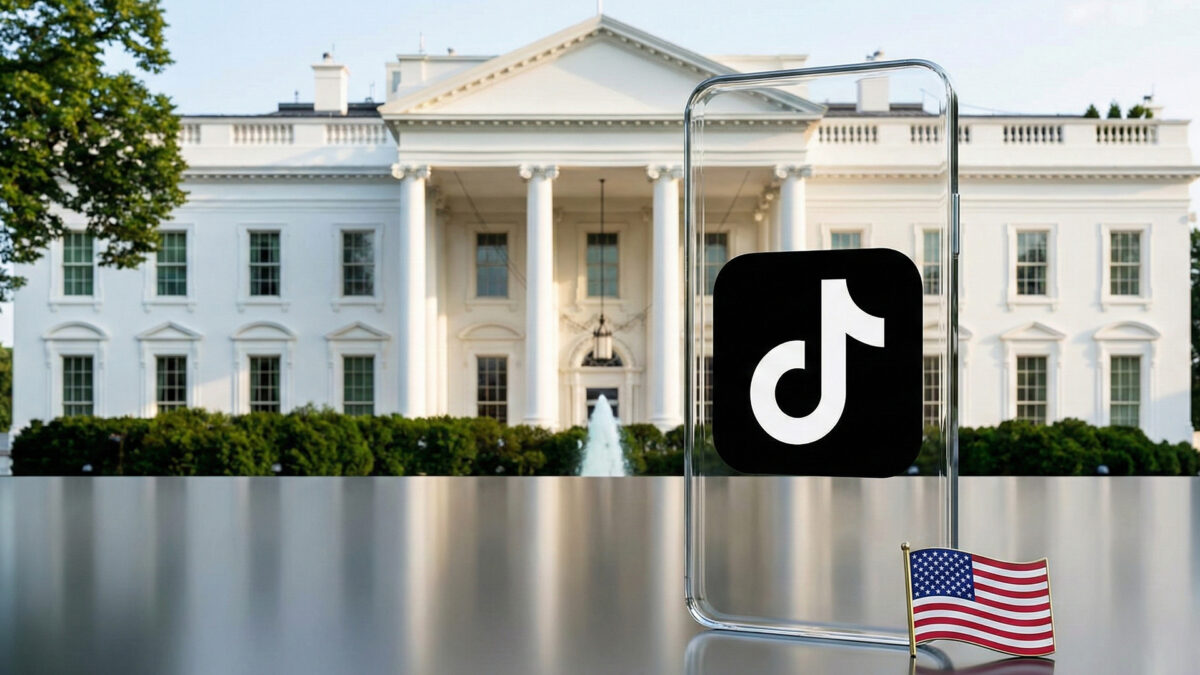
TikTok has reached an agreement that allows it to continue operating in the United States, avoiding a potential nationwide ban. ByteDance, the Chinese parent company, will retain a minority stake in a newly formed US entity, while American and international investors hold the majority share.

The new company, TikTok USDS Joint Venture LLC, will oversee the platform’s U.S. operations for over 200 million users. About 80 percent of the venture is owned by U.S. and global investors, while ByteDance retains 19.9 percent. Key stakeholders include Oracle, Silver Lake, Abu Dhabi’s MGX, and Michael Dell’s investment firm.

Leadership changes include Adam Presser as CEO of the US operations, with Will Farrell as chief security officer. TikTok’s global CEO, Shou Chew, will join the board.

The deal introduces stricter data and security measures. US user data will be stored on domestic servers, and the recommendation algorithm will be retrained using US data, addressing long-standing concerns over Chinese access.

This arrangement satisfies US legal requirements set in 2024, which demanded TikTok divest from ByteDance or face a ban. Both US and Chinese regulators have approved the plan, bringing an end to years of uncertainty over TikTok’s future in America.

The agreement ensures the popular short-video app can continue serving its US audience while meeting security and privacy standards demanded by lawmakers.

Also Read: Micron’s Gujarat chip plant to start operations next month

Categories
Technology

Snapchat introduces smarter family safety tools

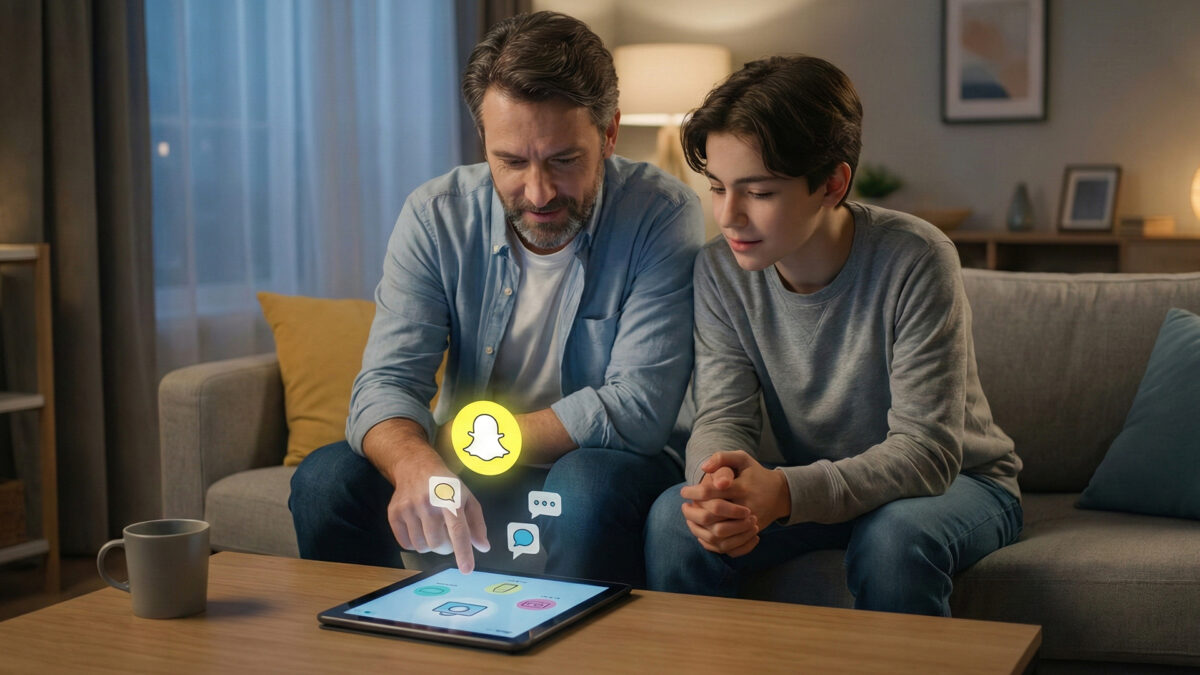
Snapchat has expanded its Family Center with new tools designed to help parents keep tabs on their teens’ app use, without ever seeing private messages. The updates aim to give families a clearer understanding of digital habits while promoting open conversations about online safety.

Originally launched in 2022, Family Center was Snapchat’s first effort to give caregivers insight into how their children navigate the platform. Now, the platform is adding deeper insights and smarter features to make those insights more useful.

One of the most notable changes is detailed screen-time tracking. Parents can now see how much time their teen spends on Snapchat each day over the past week, broken down by activities. This includes chatting with friends, sharing Snaps, browsing Spotlight, watching Stories, or exploring Snap Map. The idea is not to police teens but to provide context for healthy discussions around screen time.

The second major addition is the friend connection context. In the past, Family Center simply showed a teen’s friends and recent additions. Now, it provides “trust signals” for new connections, for instance, whether the friend shares mutual contacts, appears in the teen’s address book, or is part of the same community. This helps parents feel more informed about who their teen is interacting with, without reading private messages.

Snapchat has also added educational resources, including short videos and guides, to help families navigate the new features and understand online safety better.

Importantly, Snapchat emphasizes that privacy remains central. Parents can see patterns, usage trends, and connection context, but the content of messages stays private. Existing Family Center tools, like content controls, location sharing, and reporting suspicious accounts, continue to be available, making this update a more complete safety hub for families.

Snapchat says the aim is to balance safety with trust, allowing parents to guide teens while respecting their autonomy online.

Categories
Technology

Ubisoft restructures, cancels six games

French gaming giant Ubisoft is making major changes to its operations to boost creativity and focus on quality. The company will now operate through five “Creative Houses,” each responsible for its own games, finances, and publishing decisions.

One division, Vantage Studios, backed by a €1.16 billion investment from Tencent, will manage big franchises like Assassin’s Creed, Far Cry, and Rainbow Six. The other four will focus on competitive shooters, live-service games, story-driven adventures, and family-friendly titles.

As part of the overhaul, Ubisoft is cancelling six games, including the highly anticipated Prince of Persia: The Sands of Time remake, and delaying at least seven others. Some projects will now launch later than originally planned.

The restructuring also affects several studios worldwide, including locations in Halifax and Stockholm, as the company adjusts its workforce and reduces costs. Employees will also return to a five-day in-office workweek.

Financially, Ubisoft expects around €1.5 billion in net bookings for 2026 but a €1 billion operating loss due to cancellations and delays. The company has already cut €100 million in costs and aims for an additional €200 million in savings over the next two years, with potential asset sales.

Ubisoft’s leadership says the changes will strengthen creativity, improve game quality, and ensure long-term sustainability while keeping players engaged with a more focused portfolio.

Also Read: Trump ends Europe tariff threat after Arctic deal

Categories
Technology

Amazon launches new Echo Show 11, Echo Show 8

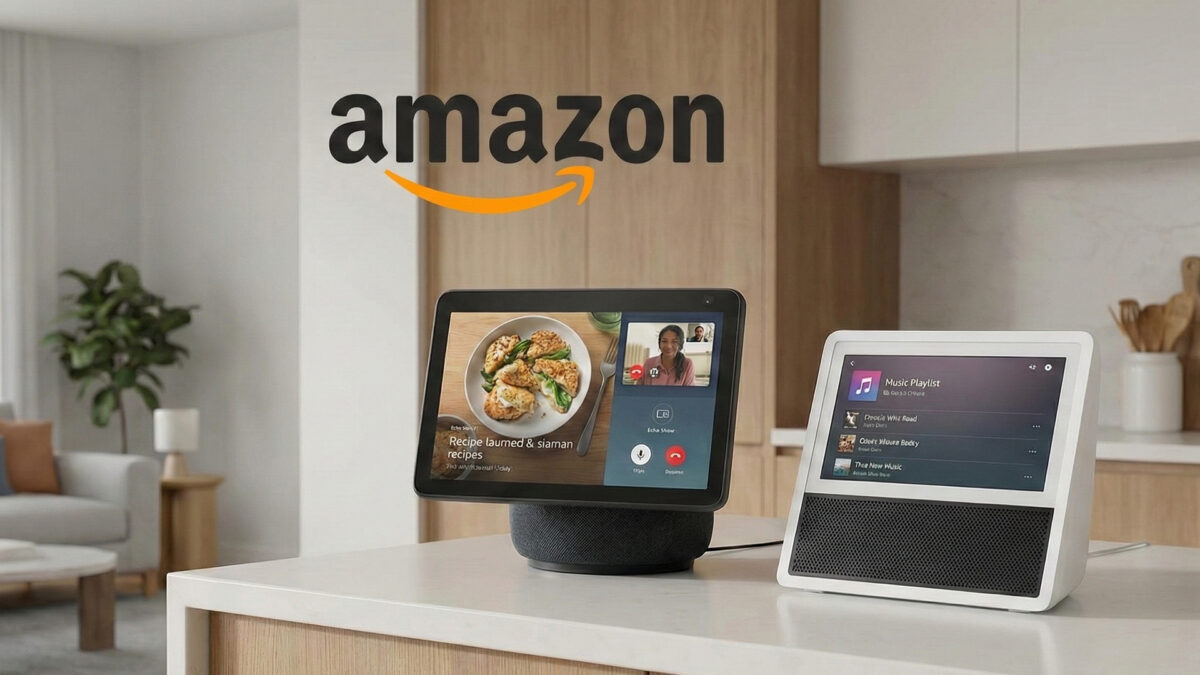
Amazon has expanded its smart home portfolio in India with the launch of the Echo Show 11 and the new Echo Show 8, offering consumers larger displays, improved audio and more intelligent home control features. The new devices are aimed at users who want a central screen for entertainment, communication and smart home management.

The Echo Show 11 comes with an 11-inch full-HD touchscreen, while the Echo Show 8 features an 8.7-inch HD display with slimmer bezels. Both devices are designed to be used hands-free with Alexa or through touch controls, making them suitable for kitchens, living rooms and workspaces. Users can watch videos, check calendars, follow recipes, make video calls or control connected devices from a single screen.

A key highlight is Amazon’s Omnisense technology, which combines motion detection, presence sensing and temperature monitoring. This allows the Echo Show devices to automate tasks such as switching on lights when someone enters the room or adjusting settings based on activity. The built-in 13-megapixel camera supports auto-framing and noise reduction, ensuring clearer video calls and easier monitoring of compatible security cameras.

Audio performance has also been upgraded. Both models feature front-firing stereo speakers and a custom woofer, delivering louder, clearer sound with deeper bass. Users can stream music from services such as Amazon Music, Spotify, Apple Music, JioSaavn and Audible. Video streaming is supported through Prime Video, Netflix and web access to platforms like YouTube.

Privacy remains a focus, with physical buttons to turn off the microphone and camera, along with settings that allow users to review and delete voice recordings.

In India, the Echo Show 11 is priced at ₹26,999, while the Echo Show 8 costs ₹23,999. Both models are available in Graphite and Glacier White colours through Amazon.in and select retail partners. Amazon has also confirmed that the devices will be compatible with its upcoming Alexa+ AI assistant, promising more natural conversations and smarter assistance in the future.

Also Read: IMF raises India’s FY26 growth forecast to 7.3%

Categories
Technology

JioHotstar introduces monthly plans from Rs. 79

JioHotstar has rolled out monthly subscription plans across all its service tiers, giving users the option to pay on a month-to-month basis instead of committing to longer durations. The new plans will be available to new subscribers from January 28, 2026, while existing users will continue on their current plans as long as auto-renewal remains active.

Under the revised structure, the Mobile plan is priced at Rs. 79 per month. It allows streaming on a single mobile device and is ad-supported. Hollywood content is not included by default but can be added for an extra Rs. 49 per month. Quarterly and annual options for this tier remain unchanged.

The Super plan, priced at Rs. 149 per month, supports streaming on up to two devices simultaneously. It offers full access to JioHotstar’s content library, including Hollywood titles, but continues to carry advertisements. Users can also choose quarterly or annual subscriptions at higher discounts.

For viewers looking for a premium experience, the Premium plan is now available at Rs. 299 per month. This tier supports up to four devices, offers 4K streaming quality, and provides an ad-free experience, except during live sports and live events. Quarterly and annual plans continue to be available for this category as well.

JioHotstar said the introduction of monthly plans is aimed at meeting changing viewer preferences, especially the growing demand for flexible payments and large-screen viewing through connected TVs. The move is expected to attract more users who prefer short-term subscriptions and greater control over their spending.

Also Read: China’s economy grows 5% in 2025

Categories
Technology

ChatGPT adds ads, Google’s Gemini stays clean

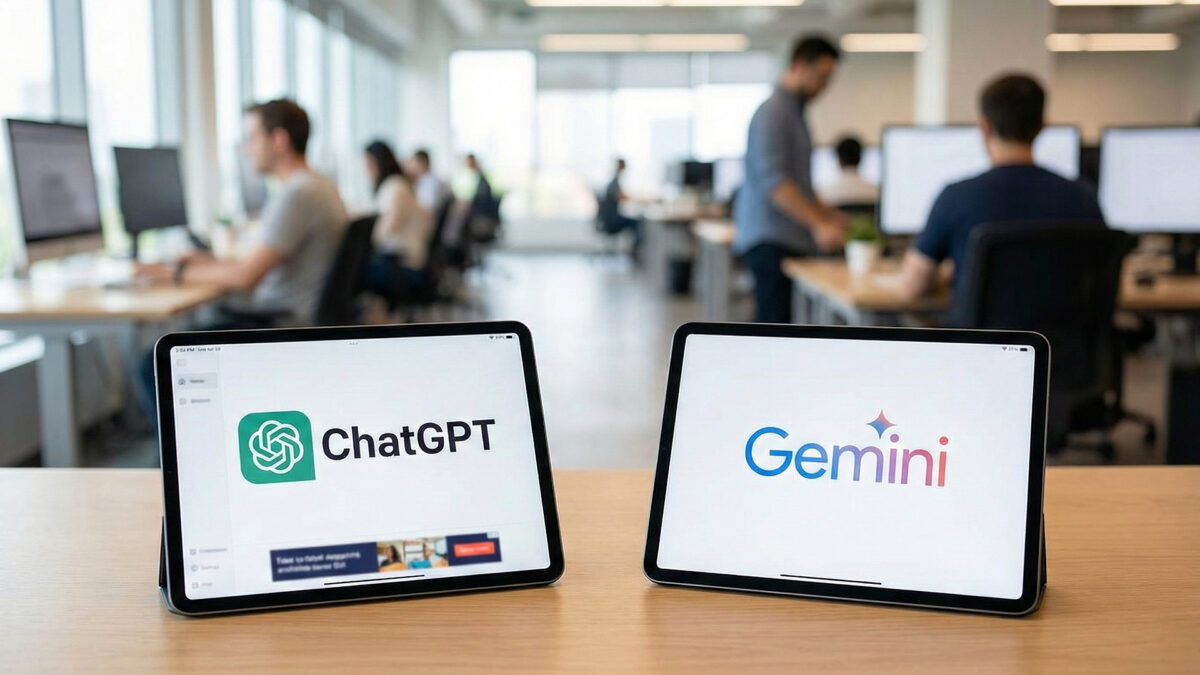
OpenAI has started testing advertisements in its ChatGPT chatbot, marking a key shift in how generative AI is monetised. Ads will appear at the bottom of responses for free-tier users and those on the lower-cost ChatGPT Go plan, while paid subscribers,  including Plus, Pro, Business, and Enterprise,  will remain ad-free. OpenAI assures that ads will be clearly labeled, won’t influence responses, and user conversations won’t be shared with advertisers.

The move is aimed at generating additional revenue from ChatGPT’s large user base, currently estimated at around 800 million weekly active users, without forcing subscription fees on everyone. This step reflects OpenAI’s push to balance monetisation with user trust, especially as AI infrastructure costs continue to rise.

In contrast, Google has no plans to introduce ads into its Gemini AI assistant. Dan Taylor, Google VP of Global Ads, said inserting ads could undermine the assistant’s purpose, which is to help users analyse, create, and complete tasks. Instead, Google focuses on integrating AI-powered ad surfaces in products like AI Overviews in search results, where ads can coexist without affecting the core AI assistant experience.

Also Read: India’s power utilities make ₹2,701 cr profit after

Categories
Technology

X faced second global outage in 3 days

Social media platform X, formerly known as Twitter, went down on Friday, affecting users in India and other countries. This is the second major outage in just three days, causing frustration among users who rely on the platform for news, updates, and communication.

The outage started around 8 pm IST in India, with users reporting that timelines were not loading, posts could not be uploaded, and direct messages were not working. On the outage tracking website Downdetector, more than 4,500 reports appeared within an hour, showing the scale of the disruption.

The problem was not limited to India. Users in the United States, the UK, Canada, and several European and Asian countries also reported issues. Most complaints involved the core functionality of X, including posting tweets, refreshing feeds, and accessing the app or website.

Earlier this week, X had a similar outage, and the back-to-back issues highlight ongoing technical problems. Users have expressed concern about the platform’s reliability, especially since X is widely used for both personal communication and professional updates.

As of now, X has not provided a detailed explanation for the outage or given a timeline for when all issues will be fully resolved. Many users are turning to other social media platforms to stay connected while X experiences intermittent problems.

Tech experts say that repeated outages could affect user confidence, as platform stability and uptime are critical for social media services. Continuous disruptions can lead users to explore alternatives and put pressure on the company to improve its infrastructure.

Also Read: India’s first $10bn green ammonia venture in Andhra

Categories
Technology

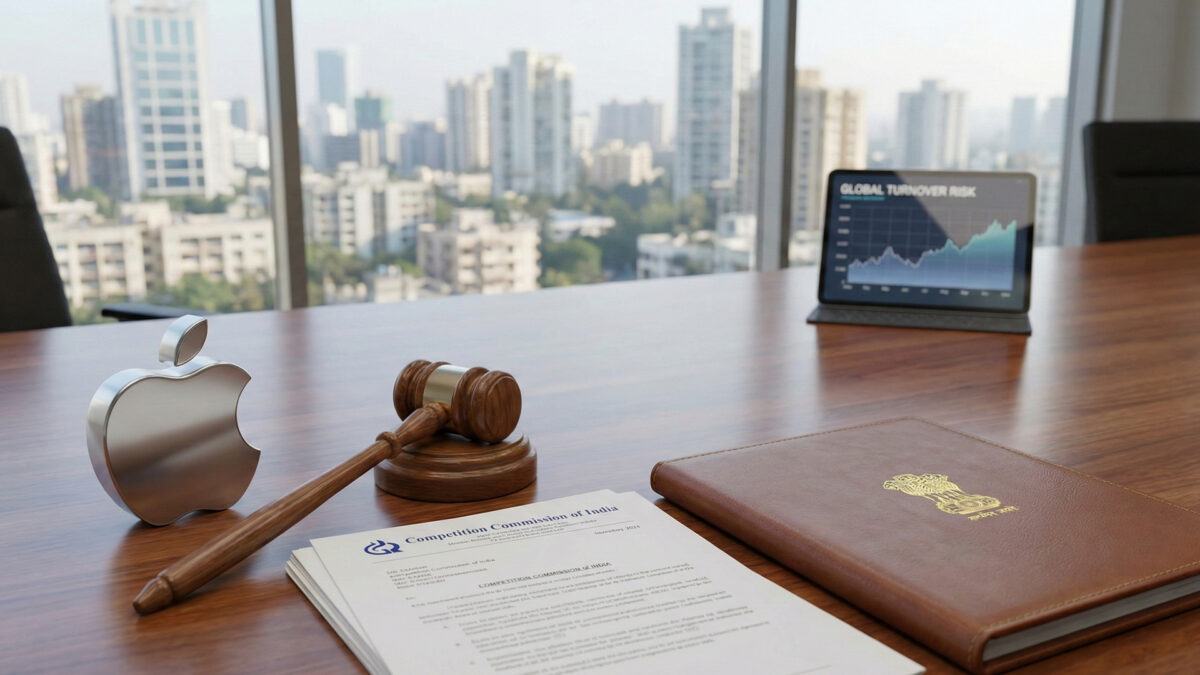
India steps up antitrust heat on Apple

India’s competition watchdog has intensified its scrutiny of Apple Inc. after rejecting the company’s request to temporarily halt an ongoing antitrust investigation into its App Store policies. The Competition Commission of India (CCI) has made it clear that the probe will continue, warning Apple that repeated delays and non-compliance will no longer be tolerated.

The case originates from complaints filed by Tinder owner Match Group and several Indian start-ups, who allege that Apple abused its dominant position in the iOS ecosystem. They claim Apple forces app developers to use its in-app payment system and restricts them from informing users about alternative payment options. Such practices, the complainants argue, increase costs for developers and limit consumer choice.

A CCI investigation report prepared last year found prima facie evidence suggesting Apple engaged in anti-competitive conduct. Apple has strongly contested these findings, maintaining that its App Store rules are designed to ensure user security, privacy, and a consistent digital experience.

In recent months, Apple sought to pause the antitrust proceedings, citing a separate legal challenge in the Delhi High Court. The company is questioning amendments to India’s Competition Act and new penalty guidelines that allow regulators to calculate fines based on a firm’s global turnover. Apple argues that this could expose it to disproportionately large penalties for alleged violations linked only to the Indian market.

However, in a confidential order issued late December, the CCI rejected Apple’s request. The regulator noted that Apple had already been granted multiple extensions to submit financial data and responses, and that further delays would undermine the investigation process. The CCI warned that it could proceed with the case even without Apple’s cooperation if deadlines are missed.

The standoff highlights India’s increasingly assertive approach to regulating large technology companies. Authorities have signalled that global tech giants will be held to the same competitive standards as domestic firms.

Also Read: ICICI Bank Q3 profit seen up 7.5%