Categories
Corporate

MakeMyTrip Partners with Google Cloud to Enhance AI Travel Assistant ‘Myra’

NASDAQ-listed MakeMyTrip announced a strategic partnership with Google Cloud to enhance its AI-powered travel planning assistant, Myra. This collaboration aims to make personalized travel planning and booking more intuitive and accessible to a broader range of travelers.

Myra, which stands for “MakeMyTrip’s AI-Driven Recommendation Assistant,” is designed to assist users throughout their travel journey—from destination discovery to booking and post-travel support.

The assistant leverages generative AI (GenAI) technology to provide real-time, personalized recommendations based on user preferences and requirements.

By integrating Google Cloud’s advanced AI capabilities, Myra can process and analyze large volumes of data, including reviews, maps, and other grounded sources of information, to create and refine personalized itineraries with greater accuracy and efficiency than current chatbot-based planners.

The partnership with Google Cloud enables Myra to support multimodal inputs, including voice, text, and eventually images and videos.

This functionality allows users to interact naturally in their preferred language, making the travel planning process more conversational and inclusive.

Currently, Myra supports both English and Hindi, with plans to expand to other Indian languages based on user feedback.

Rajesh Magow, Co-Founder and Group CEO of MakeMyTrip, emphasized that the collaboration with Google Cloud will enhance Myra’s capabilities, enabling it to deliver more accurate and personalized travel recommendations.

He noted that this advancement aligns with MakeMyTrip’s commitment to leveraging cutting-edge technology to improve the user experience and make travel planning more accessible to all travelers.

The integration of Google Cloud’s AI technology into Myra is expected to streamline the travel planning process, reducing the time and effort required for users to plan and book their trips.

By providing personalized and contextually relevant recommendations, Myra aims to enhance user satisfaction and engagement, ultimately driving growth for MakeMyTrip in the competitive online travel market.

This partnership reflects a broader trend in the travel industry, where companies are increasingly adopting AI and machine learning technologies to enhance customer experiences and operational efficiency. As AI continues to evolve, platforms like Myra are poised to play a significant role in shaping the future of travel planning and booking.

MakeMyTrip’s collaboration with Google Cloud represents a significant step forward in the integration of AI into the travel industry, offering travelers a more personalized and efficient way to plan and book their journeys.

As the partnership progresses, further enhancements to Myra’s capabilities are anticipated, promising an even more seamless and intuitive travel planning experience for users.

Also Read: Adani Defence Unit Under Probe for $9 Million Import Tax Evasion?

Categories
Corporate

SoftBank to Acquire ABB Robotics for $5.4 Billion

SoftBank Group has announced its agreement to acquire the robotics division of Swiss engineering firm ABB for approximately $5.4 billion.

This strategic move underscores SoftBank founder Masayoshi Son’s commitment to expanding the company’s footprint in artificial intelligence (AI) and automation technologies.

The acquisition will be executed through a newly established holding company, Robo Holdings, which will consolidate SoftBank’s existing robotics investments, including SoftBank Robotics Group, Berkshire Grey, and AutoStore.

The deal is subject to regulatory approvals in the European Union, the United States, and China, with an expected closing date between mid- and late-2026.

ABB’s robotics division, employing approximately 7,000 individuals, generated $2.3 billion in revenue in 2024, accounting for about 7% of ABB’s total revenue.

The division produces industrial robots utilized in sectors such as automotive and electronics manufacturing. ABB had previously considered spinning off this unit but decided to sell it to SoftBank to focus on its core businesses of electrification and automation.

Morten Wierod, CEO of ABB, stated that the merger would combine ABB’s leading technology and industry expertise with SoftBank’s advanced capabilities in AI and robotics, positioning both companies to shape the future of AI-based robotics.

For SoftBank, this acquisition aligns with its vision of “physical AI,” referring to AI-powered machines capable of perceiving, interpreting, and interacting with the physical world.

Masayoshi Son emphasized that the integration of ABB’s robotics division would unite world-class technology and talent under a shared vision to drive a groundbreaking evolution in AI and robotics.

The transaction also reflects a strategic shift for ABB, which plans to utilize the proceeds from the sale to invest in organic growth, pursue acquisitions, and return capital to shareholders through dividends and share buybacks.

This acquisition marks a significant step in SoftBank’s ongoing efforts to lead in the AI and robotics sectors, reinforcing its position as a major player in the global technology landscape.

Also Read: Why Did Tata Group Leaders Meet Amit Shah And Nirmala Sitharaman?

Categories
Corporate

MG Commercial Unveils All-Electric iEV12 City Bus at Busworld 2025

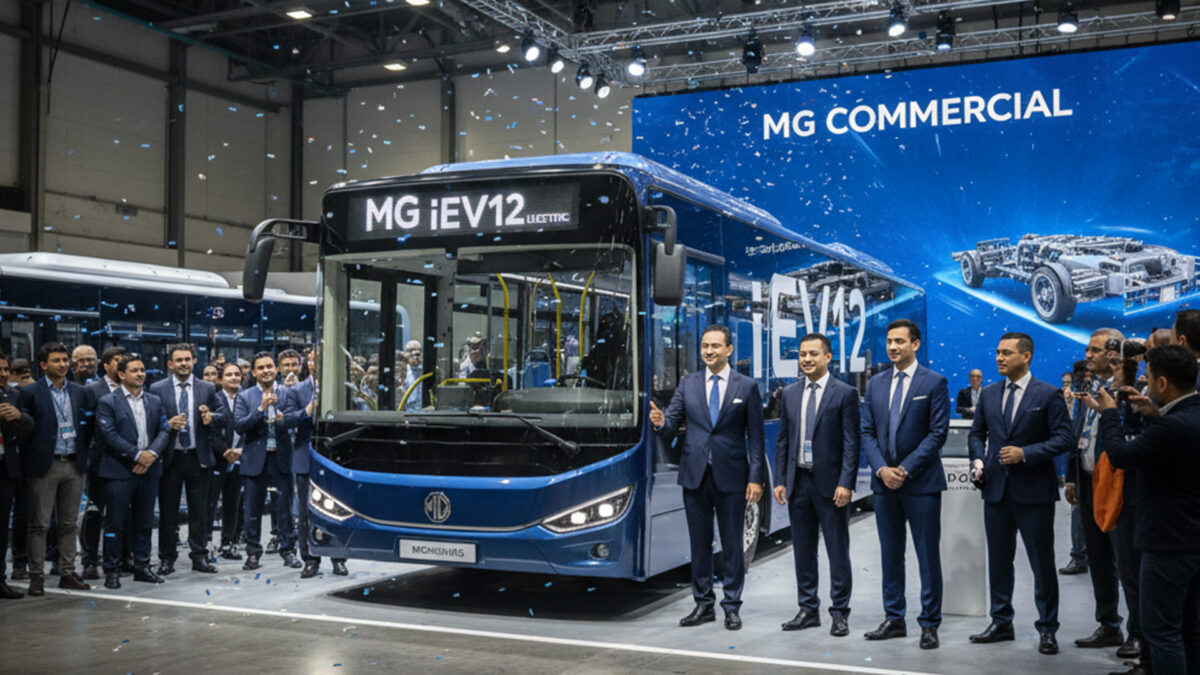
MG, the renowned British automotive brand, has officially entered the commercial vehicle sector with the launch of MG Commercial. At the Busworld Brussels 2025 event, the company introduced its first all-electric city bus, the iEV12, alongside the B12E electric chassis, signaling a significant move into sustainable public transportation.

MG Commercial: A New Chapter

MG Commercial is a new division dedicated to developing medium- and large-sized electric buses. This strategic move aligns with MG’s commitment to sustainable mobility and innovation in the evolving commercial vehicle market.

Introducing the iEV12

The iEV12 is a 12-meter Class I all-electric city bus designed to meet the growing demand for eco-friendly urban transportation solutions. Developed in collaboration with the Shanghai Sunwin Bus Company, a subsidiary of the SAIC Motor Group, the iEV12 combines European design aesthetics with Chinese manufacturing expertise.

While specific technical details about the iEV12’s performance and features are yet to be disclosed, the unveiling marks a significant step in MG’s expansion into the electric commercial vehicle market.

The B12E Chassis

Accompanying the iEV12, MG also introduced the B12E electric chassis. This versatile platform is designed to support various body configurations, offering flexibility for different public transport needs. The B12E chassis is expected to play a crucial role in MG’s strategy to provide tailored electric mobility solutions for urban environments.

Future Outlook

Although the iEV12 and B12E are currently in the concept stage, MG’s entry into the electric bus market underscores its commitment to sustainable urban mobility. The company aims to integrate personal and public transportation into a seamless, green ecosystem, aligning with global trends towards electrification and environmental responsibility.

As MG Commercial continues to develop its electric vehicle offerings, the iEV12 and B12E represent the brand’s dedication to innovation and sustainability in the commercial transport sector. By focusing on eco-friendly solutions, MG hopes to contribute significantly to reducing urban pollution and promoting the adoption of zero-emission vehicles in cities worldwide.

The launch of MG Commercial and the iEV12 also reflects a broader trend in the automotive industry, where established car manufacturers are expanding into electric commercial vehicles. Urban authorities and transport operators are increasingly seeking sustainable alternatives to conventional diesel buses, creating opportunities for new players like MG Commercial to shape the future of city mobility.

With plans to further expand its electric bus lineup and invest in research and development, MG Commercial is positioning itself as a key contributor to the global shift toward clean and efficient public transportation. The company is expected to continue refining the iEV12 and the B12E chassis, incorporating feedback from pilot programs and industry stakeholders to ensure the vehicles meet the operational needs of modern urban environments.

By entering the electric commercial vehicle market, MG is not only broadening its product portfolio but also reinforcing its commitment to sustainable innovation. The iEV12 and B12E are poised to set new benchmarks for design, efficiency, and adaptability in electric city buses, providing a glimpse of the future of urban mobility.

Categories
Corporate

Why Did Tata Group Leaders Meet Amit Shah And Nirmala Sitharaman?

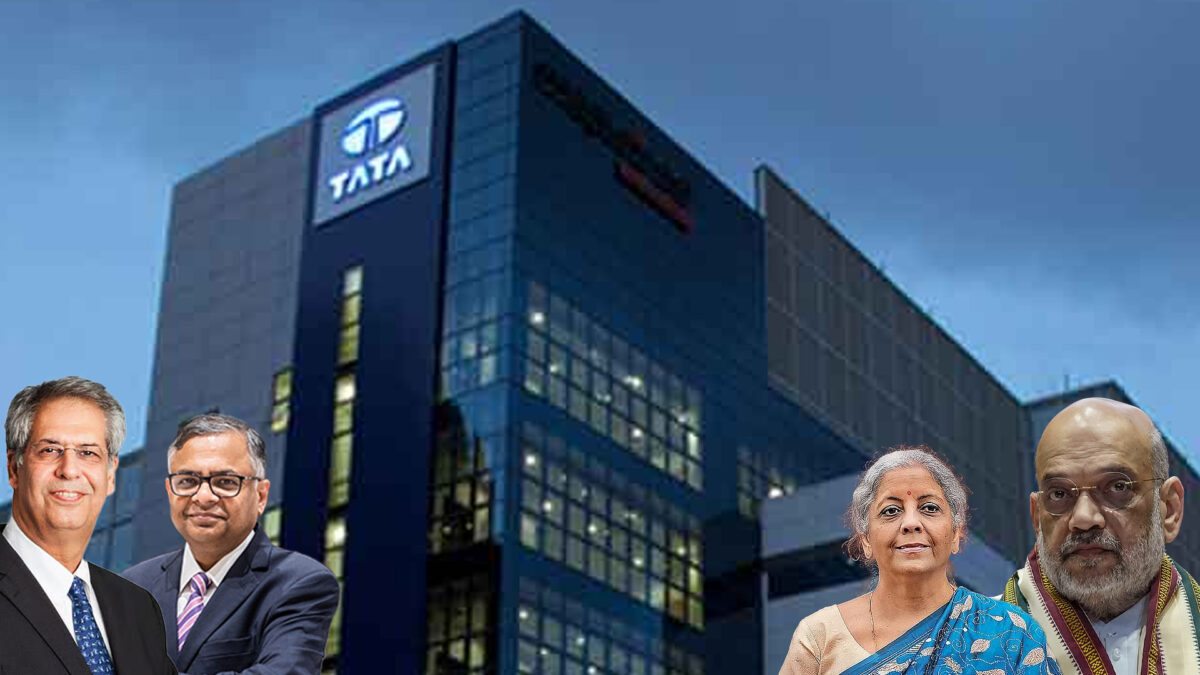
In a significant development, top executives of the Tata Group, including Tata Trusts Chairman Noel Tata and Tata Sons Chairman N. Chandrasekaran, met with Union Home Minister Amit Shah and Finance Minister Nirmala Sitharaman on Tuesday evening.

The meeting, held at Shah’s residence in New Delhi, comes amid growing concerns over internal governance issues within Tata Trusts, which holds a controlling stake in Tata Sons, the holding company of the $180 billion conglomerate.

Joining Noel Tata and Chandrasekaran at the meeting were Tata Trusts Vice-Chairman Venu Srinivasan and trustee Darius Khambata.

The discussions reportedly focused on the ongoing infighting among trustees over board appointments and governance policies, which have raised alarms about the potential impact on the broader Tata Group.

According to sources, the government emphasized the importance of restoring stability within Tata Trusts and ensuring that internal disputes do not affect the operations of Tata Sons. The ministers reportedly conveyed a firm message to the Tata leadership, urging them to take necessary actions to resolve the issues and maintain the integrity of the group.

The internal rift within Tata Trusts has reportedly been exacerbated by a faction of trustees acting as a “super board,” undermining Noel Tata’s authority.

This power struggle has led to tensions regarding board seats at Tata Sons, which oversees a vast portfolio of companies, including Tata Steel, Tata Motors, and TCS.

The government’s intervention underscores the strategic importance of the Tata Group to India’s economy and the need for effective governance to ensure its continued success. Observers note that the involvement of the Home and Finance Ministries signals the seriousness of the situation and the potential economic implications if the internal disputes are not resolved.

All eyes are now on the upcoming board meeting scheduled for October 10, which is expected to address key governance issues and determine the future course of action for Tata Trusts and Tata Sons.

The outcome of this meeting will be closely watched by investors, employees, and regulators, given the central role of Tata companies in India’s corporate and industrial landscape.

The Tata Group has yet to issue an official statement regarding the meeting or the ongoing governance issues. However, sources indicate that the discussions with the government were intended to provide clarity, reinforce leadership authority, and ensure that decision-making processes within Tata Trusts and Tata Sons remain stable and transparent.

The situation highlights the delicate balance required in managing large, diversified conglomerates in India, particularly those with significant influence over the economy.

With the government urging swift action, Tata Group leadership faces pressure to resolve internal differences while maintaining operational continuity across its global businesses.

The meeting represents a crucial step in reaffirming governance standards within one of India’s most influential corporate entities and signals the government’s interest in safeguarding the stability of the country’s major industrial groups.

Also Read: BioInvent Begins New Trial Testing Cancer Drug

Categories
Corporate

BioInvent Begins New Trial Testing Cancer Drug

BioInvent International AB has announced the initiation of a Phase 2a clinical trial evaluating its lead drug candidate BI-1206 in combination with Merck’s anti-PD-1 therapy KEYTRUDA® (pembrolizumab) for patients with advanced or metastatic non-small cell lung cancer (NSCLC) and uveal melanoma.

The Phase 2a study follows encouraging results from BioInvent’s Phase 1 trial, where BI-1206 was found to be safe, well-tolerated, and showed promising clinical activity in heavily pre-treated patients.

Out of 36 evaluable patients, one achieved a complete response, one had a long-lasting partial response, and 11 maintained stable disease, despite having progressed on prior anti-PD1/L1 therapies.

The subcutaneous formulation of BI-1206 was noted for slower systemic entry, prolonged time on target, and improved safety.

“We are very pleased to initiate Phase 2a studies, which marks a significant milestone in our mission to bring BI-1206 to patients,” said Martin Welschof, CEO of BioInvent.

“The early clinical signs of efficacy observed in Phase 1 provide a strong rationale for moving forward in the first-line setting for NSCLC and uveal melanoma. Since BI-1206 addresses a mechanism of resistance to anti-PD1, its potential extends to all indications where pembrolizumab is approved,” he added.

The trial, registered as NCT04219254, will enroll patients at sites across Georgia, Germany, Poland, Romania, Spain, Sweden, and the US, with initial data expected in the second half of 2026.

The study will be conducted in two parts: a signal-seeking phase including up to 30 NSCLC and 12 uveal melanoma patients receiving BI-1206 plus pembrolizumab every 21 days for up to two years, followed by a dose optimization phase. In this phase, patients will be randomized to higher or lower doses of BI-1206, with a third cohort receiving pembrolizumab alone.

NSCLC, the most common type of lung cancer, accounts for roughly 85 percent of all cases, but response rates to checkpoint inhibitors remain low, rarely exceeding 25 percent. Uveal melanoma, though rare, is the most frequent non-cutaneous melanoma in adults, with about 7,000 new cases globally each year.

BI-1206 is designed to counter resistance caused by FcγRIIB-mediated degradation of PD-1 antibodies, potentially enhancing responses to therapies like pembrolizumab.

BioInvent, a clinical-stage biotech company, focuses on discovering and developing first-in-class immune-modulatory antibodies for cancer immunotherapy.

Its proprietary F.I.R.S.T™ technology platform identifies new targets and antibodies, supporting both in-house development and licensing opportunities.

The Phase 2a trial represents a key step in assessing BI-1206’s potential to improve outcomes for patients with NSCLC and uveal melanoma while advancing BioInvent’s broader immuno-oncology pipeline.

Categories
Corporate

Infibeam Avenues Launches PayCentral: India’s First AI-Driven Payment Platform

Infibeam Avenues Ltd, through its AI subsidiary Phronetic AI, has introduced PayCentral, India’s first agentic payment platform.

This innovative system enables autonomous, AI-driven transactions between merchants and customers, eliminating the need for human intervention in payment processes.

Infibeam Avenues Ltd is an Indian multinational financial technology company that offers integrated and scalable digital platforms.

The company is a home-grown, listed fintech conglomerate with a comprehensive and profitable portfolio.

It provides digital payment solutions under the brand name CCAvenue and enterprise software solutions under the brand name BuildaBazaar.

Key Features of PayCentral

PayCentral operates on Google’s Agent Payment Protocol (AP2) and integrates seamlessly with multiple Merchant Control Panels (MCPs) of payment aggregators such as CCAvenue, Stripe, and PhonePe.

This integration allows AI agents to autonomously create dynamic payment links, process refunds, manage subscriptions, and reconcile accounts in real time.

The platform is designed for sectors with verified digital customer identities, including travel, over-the-top (OTT) streaming, insurance, and finance.

By leveraging these verified identities, PayCentral facilitates instant payment completions, leading to higher sales conversions and improved transaction success rates.

Implications for Indian Commerce

The launch of PayCentral marks a significant advancement in India’s digital payment landscape. By enabling AI agents to handle payment transactions autonomously, the platform addresses the need for faster and more efficient payment processes in various industries.

Real-time processing by AI agents is expected to boost transaction success rates, reduce delays, and improve the overall customer experience.

CCAvenue is set to use PayCentral to enable agent-to-agent payments for thousands of merchants, making seamless AI-to-AI transactions possible for the first time in Indian commerce.

The platform has the potential to enhance operational efficiency for businesses while providing consumers with a more streamlined and reliable payment experience.

With the launch of PayCentral, Infibeam Avenues aims to revolutionize the digital payment ecosystem in India.

The platform represents a major step toward intelligent, AI-driven automation in financial transactions, enabling businesses to handle payments with minimal customer intervention while increasing reliability and efficiency.

Also Read: MakeMyTrip Partners with Google Cloud to Enhance AI Travel Assistant ‘Myra’

Categories
Corporate

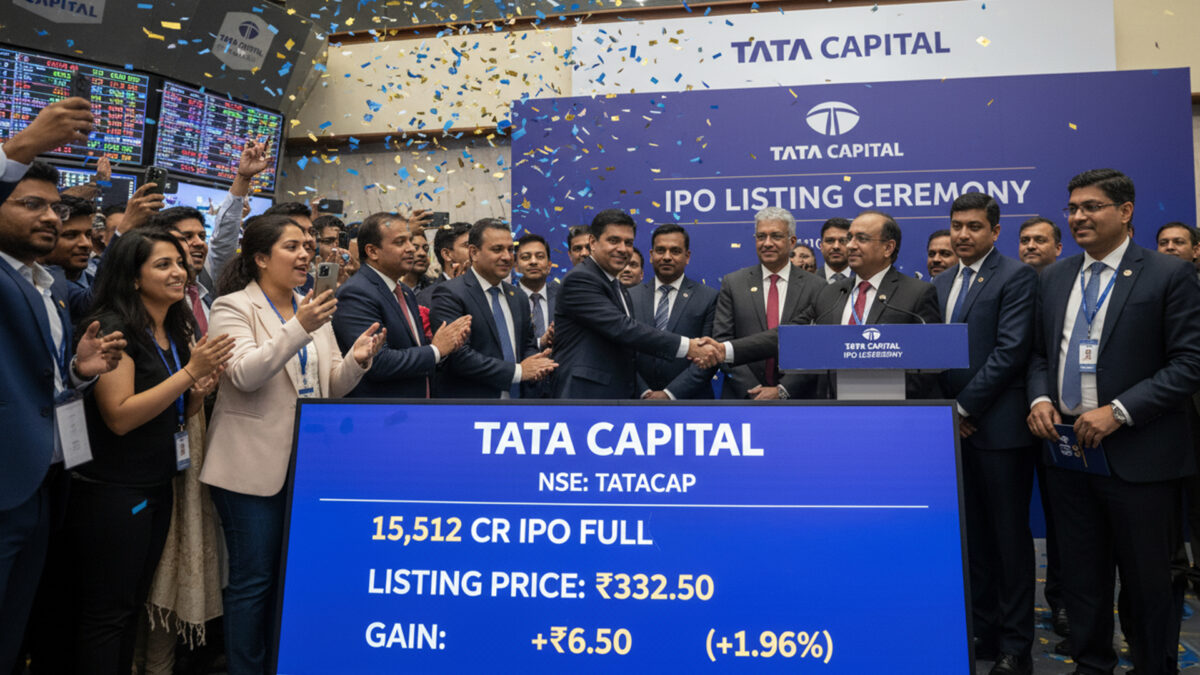
Tata Capital’s ₹15,512 Crore IPO Fully Subscribed on Final Day

Tata Capital’s ₹15,512 crore initial public offering (IPO) was fully subscribed on its final day, October 8, 2025, reflecting strong investor interest despite some concerns about valuation and market volatility.

The IPO, priced between ₹310 and ₹326 per share, attracted bids for 33.48 crore shares, surpassing the 33.34 crore shares on offer. Qualified Institutional Buyers (QIBs) led the demand, with their portion subscribed 1.18 times, followed by Non-Institutional Investors (NIIs) at 1.10 times.

Retail investors subscribed 0.84 times their reserved portion, while employees oversubscribed their segment by over 2 times,

The IPO comprises a fresh issue of up to 210 million shares and an offer-for-sale by existing shareholders Tata Sons and the International Finance Corporation amounting to 265.8 million shares. Proceeds from the fresh issue will be used to augment Tata Capital’s capital base and for general corporate purposes

Despite the full subscription, the Grey Market Premium (GMP) remained subdued, indicating cautious investor sentiment. The GMP, a gauge of expected listing gains, was around ₹6 per share, suggesting a modest premium listing. Analysts attribute this muted response to factors such as concerns over asset quality following Tata Capital’s merger with Tata MotorFinance Ltd., which led to an increase in non-performing assets and a dip in return on equity.

Leading brokerages, including Anand Rathi and Canara Bank Securities, have maintained a ‘Subscribe for long-term’ rating on the IPO, citing Tata Capital’s diversified lending portfolio and strong risk management practices. However, some analysts have expressed caution due to the company’s recent financial performance and integration challenges post-merger.

The IPO is expected to list on the Bombay Stock Exchange and the National Stock Exchange on October 13, 2025. This marks a significant milestone for Tata Capital, a leading non-banking financial company in India, as it enters the public market.

Also Read: Adani Defence Unit Under Probe for $9 Million Import Tax Evasion?
Categories
Corporate

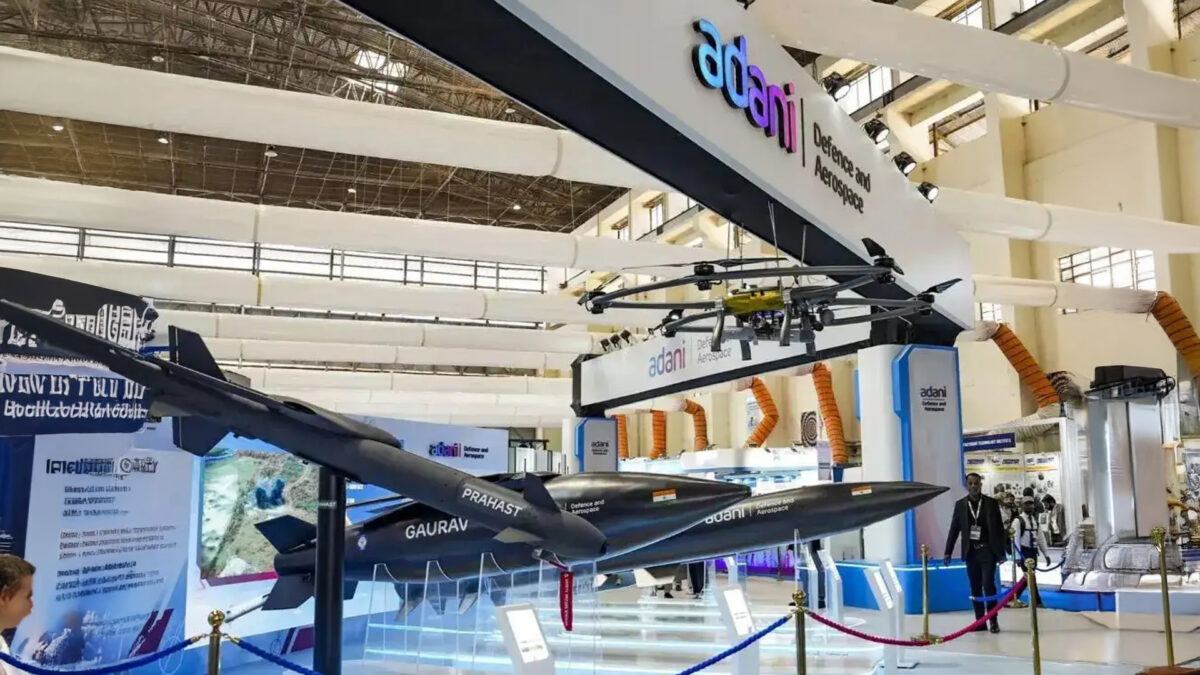
Adani Defence Unit Under Probe for $9 Million Import Tax Evasion?
Indian authorities are investigating Adani Enterprises’ defence arm for allegedly evading import duties on missile parts, according to an exclusive report by Reuters.

The probe marks the latest regulatory scrutiny of billionaire Gautam Adani’s business empire.

India’s Directorate of Revenue Intelligence (DRI) began investigating Adani Defence Systems and Technologies in March over suspicions that the company misclassified imported missile components to avoid paying tariffs, two government sources told Reuters. The alleged evasion amounts to 770 million rupees ($9 million).

Adani Defence, a relatively smaller unit of the group, manufactures drones, small arms and missile systems for Indian security forces.

The case centres on imports used to produce short-range surface-to-air missiles. Such parts normally attract a 10% import duty and an 18% local tax.

Investigators allege the company wrongly declared them as components for long-range missiles, which were exempt from tariffs under earlier rules.

One government source told Reuters that Adani executives admitted to the misclassification during the probe but gave no further details.

The company, however, has not responded to that claim. In a statement to Reuters, Adani Group said the DRI had only sought “clarifications” on the imports and that it had provided supporting documents.

“The issue stands closed from our end,” a spokesperson said, without confirming whether any payments were made to settle the matter.

The alleged evasion is notable, as $9 million represents more than 10% of Adani Defence’s 2024–25 revenue of $76 million and more than half its profit.

Under Indian rules, companies found guilty of misclassification can be asked to pay the unpaid duty along with a 100% penalty. If applied, this could raise Adani Defence’s liability to $18 million, Reuters reported.

The investigation, not previously disclosed, comes as Adani Group faces multiple regulatory challenges. India’s markets regulator recently cleared it in two stock manipulation cases but continues to examine over a dozen other alleged breaches of securities law.

The revenue department has also been investigating Adani since 2014 for alleged over-invoicing of coal imports, which the group denies.

Reuters also reported that the DRI has recently raised similar tariff misclassification issues with Samsung and Volkswagen, both of which are contesting the demands.

Customs data reviewed by Reuters show Adani Defence imported non-explosive missile parts worth $32 million from Russia since last year.

In total, the group has imported $70 million worth of defence components from Russia, Israel and Canada since January 2024.

Also Read: LTIMindtree Secures Mammoth $580 Million Deal

Categories
Corporate

LTIMindtree Secures Mammoth $580 Million Deal

Indian IT services company LTIMindtree has announced the acquisition of its largest-ever deal, valued at approximately $580 million, according to sources familiar with the matter.

The agreement is with a leading global media and entertainment company, although the client’s identity has not been disclosed.

This milestone surpasses the company’s previous record, a $450 million deal with U.S. agribusiness giant Archer-Daniels-Midland, secured earlier this year.

The new contract positions LTIMindtree as a significant player in the mid-cap IT services sector, especially in securing large, AI-driven, outcome-based deals.

Industry experts, such as Phil Fersht, CEO of HFS Research, note that mid-cap firms like LTIMindtree, Coforge, and Mphasis are gaining momentum in this area, outpacing larger, more legacy-focused competitors.

These companies are perceived as more agile and capable of shaping AI-led value propositions, whereas larger firms are still optimizing their legacy portfolios.

The deal comes at a time when India’s $283-billion IT sector faces macroeconomic uncertainties, including tariff-related risks and changes in U.S. immigration policy.

Despite these challenges, LTIMindtree’s shares rose 3% following the announcement, reflecting investor optimism. The company is set to assist the client in streamlining operations and modernizing delivery models through automation, process optimization, and vendor consolidation.

This development underscores the growing influence of mid-cap IT firms in the global market, particularly in the realm of AI and automation-driven services.

As LTIMindtree continues to secure significant contracts, it positions itself for sustained growth and increased competitiveness in the international IT services landscape.

Also Read: Tata Capital IPO Sees Muted Start; Day 2 Could Hold Key Signals

Categories
Corporate

U.S. Supreme Court Rules Against Google: Here’s What It Means

The U.S. Supreme Court has declined to block a lower court’s order mandating significant changes to Google’s Play Store, following a lawsuit filed by Epic Games, the developer of Fortnite.

This decision stems from a 2023 jury verdict that found Google had unlawfully maintained a monopoly over the distribution of Android apps and in-app payments.

The injunction issued by U.S. District Judge James Donato requires Google to allow users to download rival app stores within the Play Store and make its app catalog accessible to competitors.

Additionally, the injunction mandates that Google permit developers to include external links in their apps, enabling users to bypass Google’s billing system. The provision allowing external links is set to take effect on October 22, 2025, while the broader changes are scheduled for July 2026.

Despite Google’s concerns that the mandated changes could expose users to security risks and disrupt the Android ecosystem, the Ninth Circuit Court of Appeals upheld Judge Donato’s ruling in July 2025, affirming that Google’s practices violated antitrust laws. Following the appellate court’s decision, Google petitioned the Supreme Court to temporarily stay the injunction.

However, the justices declined to intervene, allowing the lower court’s order to stand. The Supreme Court’s refusal to block the injunction means that Google must comply with the mandated changes by the specified deadlines.

Epic Games welcomed the Supreme Court’s decision, viewing it as a victory for competition and consumer choice in the app marketplace.

The company plans to bring Fortnite and its Epic Games Store to the Google Play Store in the United States, offering users alternative avenues for app distribution and payment options.

This legal development marks a significant shift in the dynamics of the Android app ecosystem, potentially leading to increased competition among app stores and developers.

As the implementation deadlines approach, stakeholders across the tech industry are closely monitoring the situation to assess its impact on app distribution models and revenue structures.

Also Read: Why Is WeWork India’s ₹3,000 Crore IPO Facing Scrutiny