Categories
Corporate

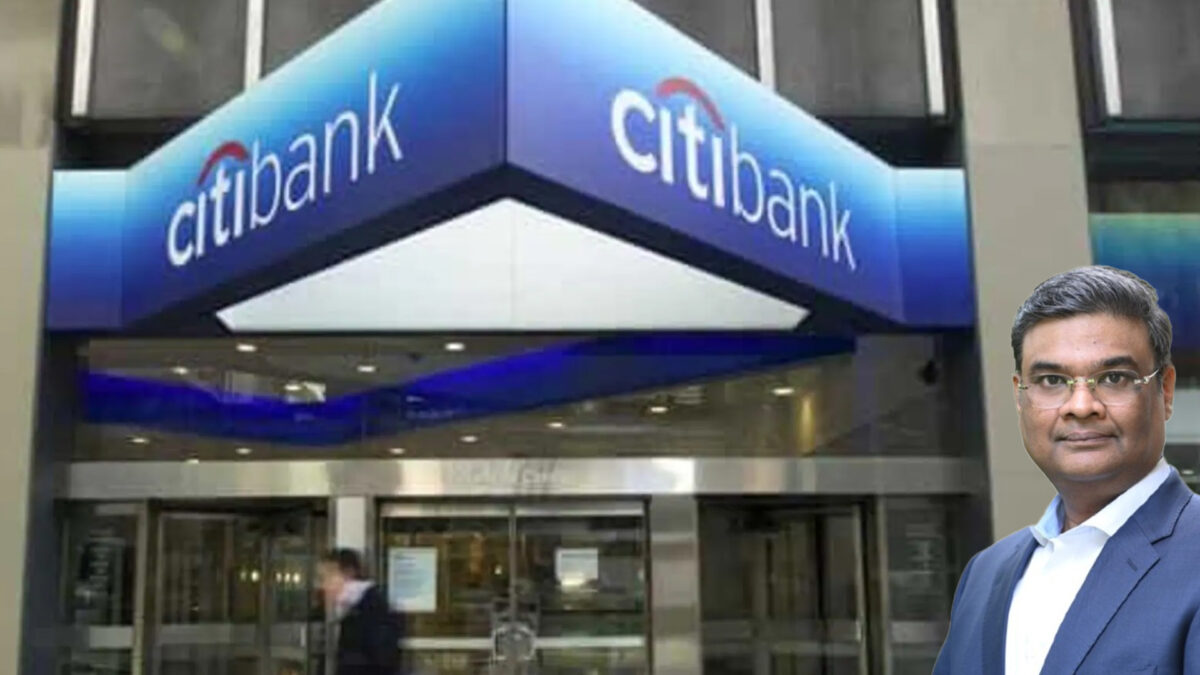
Citi India Appoints Srini Kannan to Lead Key Sectors at Commercial Bank

Citi India has appointed Srini Kannan as the Head of Digital, Technology, Communication, Business & Professional Services, and Industrials for Citi Commercial Bank (CCB) in India, effective from early December 2025.

In this role, Kannan will oversee CCB’s market presence across these sectors, leveraging Citi’s global network spanning over 94 countries. He will also serve as a strategic advisor to the bank’s clients in India, focusing on unlocking investment banking opportunities and supporting the execution of the bank’s industry coverage strategy to optimize wallet share and returns.

Kannan brings extensive experience in dealmaking across equity, debt, mergers and acquisitions, financing, risk management, and payments. Prior to joining Citi, he served as the Head of Innovation Economy and Venture Capital coverage in India at JPMorgan, leading a team focused on founder-led or venture capital-backed high-growth companies.

Earlier, Srini Kannan played a pivotal role in building JPMorgan’s mid-corporate business in South India, making it the largest market within the country.

Gunjan Kalra, Head of CCB Japan, Australia, and Asia North & South, expressed confidence in Kannan’s appointment, highlighting his track record in effectively covering high-growth companies in one of the most dynamic and largest markets globally.

K Balasubramanian, CEO of Citi India and Banking Head for the Indian Subcontinent, emphasized that Kannan’s experience in client service and full-spectrum banking solutions will contribute to the growth of CCB in India, which is among the largest across Citi globally.

This strategic appointment underscores Citi India’s commitment to strengthening its presence in key industries and enhancing its service offerings to mid-sized corporate clients in the country.

Also Read: OpenAI and Broadcom to Deploy 10 Gigawatts of Custom AI Accelerators

Categories
Corporate

OpenAI and Broadcom to Deploy 10 Gigawatts of Custom AI Accelerators

OpenAI and Broadcom have announced a major collaboration to develop and deploy 10 gigawatts of custom AI accelerators, a move aimed at scaling AI infrastructure globally.

The partnership combines OpenAI’s expertise in AI model development with Broadcom’s networking and connectivity solutions, reflecting a significant investment in the future of artificial intelligence.

Under the agreement, OpenAI will design the AI accelerators and systems, which Broadcom will help develop and deploy.

The racks will use Broadcom’s Ethernet, PCIe, and optical connectivity solutions for both scale-up and scale-out applications, enabling efficient and cost-optimized performance for AI workloads.

Deployment of these systems is expected to begin in the second half of 2026 and continue through the end of 2029.

The collaboration allows OpenAI to integrate insights from its frontier AI models directly into hardware design, unlocking new levels of capability and intelligence.

“Partnering with Broadcom is a critical step in building the infrastructure needed to unlock AI’s potential and deliver real benefits for people and businesses,” said Sam Altman, co-founder and CEO of OpenAI. “Developing our own accelerators adds to the broader ecosystem of partners all building the capacity required to push the frontier of AI to provide benefits to all humanity,” he added.

Broadcom’s CEO Hock Tan highlighted the strategic significance of the partnership, calling it “a pivotal moment in the pursuit of artificial general intelligence.”

He noted that OpenAI has been at the forefront of the AI revolution and emphasized Broadcom’s role in co-developing and deploying next-generation accelerators and network systems.

Greg Brockman, co-founder and President of OpenAI, said the collaboration would “power breakthroughs in AI and bring the technology’s full potential closer to reality.”

By designing its own chips, OpenAI can embed lessons learned from creating advanced models directly into hardware, enhancing AI performance while maintaining energy efficiency.

For Broadcom, the partnership reinforces the importance of custom accelerators and standards-based Ethernet as the technology for scalable AI data centers.

Charlie Kawwas, President of Broadcom’s Semiconductor Solutions Group, added that the collaboration sets new industry benchmarks for open, scalable, and power-efficient AI clusters. He explained that the integration of custom accelerators with Broadcom’s networking solutions provides an optimized infrastructure for performance and cost.

OpenAI, which now serves over 800 million weekly active users, continues to expand adoption across global enterprises, small businesses, and developers.

This collaboration is expected to significantly enhance OpenAI’s capabilities while supporting its mission to ensure that artificial general intelligence benefits all of humanity.

The combined effort demonstrates the increasing demand for AI infrastructure and represents one of the largest initiatives in custom AI hardware development to date.

Also Read: Mahindra Lifespace Acquires Land in Pune for ₹3,500 Crore Housing Project

Categories
Corporate

Google’s $10 Billion Bet Puts Visakhapatnam on Global Tech Map

Google will invest in a major data centre and artificial intelligence hub in Andhra Pradesh, marking one of the largest technology commitments in the state’s history.

The project, announced through a memorandum of understanding between the state government and Alphabet Inc., will see the establishment of a 1-gigawatt (GW) data-centre campus in Visakhapatnam.

The facility is expected to anchor large-scale AI computing infrastructure powered by renewable energy.

The initiative forms the core of a larger plan to develop Visakhapatnam as an “AI city.” The blueprint includes expanded fibre-optic networks, upgraded power transmission systems, and new subsea cable landing stations to enhance international connectivity.

State IT Minister Nara Lokesh said the partnership would transform Visakhapatnam into a digital gateway for South and Southeast Asia, while also building a strong local ecosystem for data and AI-related services.

Reports initially placed Google’s investment at around $6 billion, including $2 billion dedicated to renewable energy capacity for the project.

However, later official statements raised the figure to nearly $10 billion as the full scope of associated infrastructure, training, and ancillary developments became clearer.

Neither the company nor the state government has yet issued a comprehensive public document detailing the exact financial structure of the deal.

Andhra Pradesh, meanwhile, is targeting a total of 6GW in data-centre capacity over the next few years, using the Google investment as a catalyst. Lokesh has said that around 1.6GW worth of commitments are already in place and could come online within two years.

Analysts note that this would represent one of the fastest expansions of hyperscale infrastructure in India, which so far has been concentrated around Mumbai, Chennai, and Hyderabad.

The state government expects the project to generate large-scale employment and economic growth. Preliminary estimates suggest up to 188,000 direct and indirect jobs could be created through construction, operations, and related services.

Officials have also highlighted the introduction of tax incentives and simplified clearances to attract global data-centre investors to the region.

The deal aligns with Google’s broader global strategy to expand AI compute capacity and cloud services. With demand for high-performance computing soaring due to generative AI and data-heavy applications, India has become a key strategic location.

For Andhra Pradesh, the move is an opportunity to diversify its industrial base and strengthen its claim as a national technology hub.

However, experts caution that large data-centre projects bring significant challenges. They require vast amounts of power, water, and land—raising concerns about sustainability and environmental management.

Ensuring a balance between rapid industrialisation and ecological responsibility will be critical as construction begins.

A formal signing ceremony involving the Andhra Pradesh Chief Minister and central government officials is expected soon, after which detailed plans for land allocation, energy procurement, and regulatory approvals will be finalised.

Google representatives have confirmed the project is subject to standard clearances but reaffirmed the company’s commitment to long-term investment in India’s digital infrastructure.

As hyperscale and AI infrastructure becomes central to the global tech economy, Visakhapatnam’s transformation could mark a pivotal shift in how and where India hosts the next wave of data innovation.

Also Read: TCS Reduces H-1B Usage, Aligns with U.S. Push for Local and High-Skilled Hiring

Categories
Corporate

Tata Capital Makes Tepid Market Debut Despite Strong IPO Demand

Tata Capital made a muted entry to India’s equity markets on Monday, with its shares listing only marginally above the offer price and failing to match the strong investor interest seen during the bookbuild.

The non-bank lender’s shares were quoted at ₹330 on both the National Stock Exchange and the Bombay Stock Exchange against an issue price of ₹326, implying a listing premium of about 1.2–1.3%.

The opening translated into a market capitalisation in the region of $15.7–15.8 billion. 

The ₹15,512 crore public offering — one of the largest in India this year — had been fully subscribed at the close of the bidding period, with overall subscription reported at roughly 1.95 times.

Qualified institutional buyers accounted for the bulk of demand, while retail participation was more modest. The issue combined a fresh equity tranche and an offer-for-sale by existing shareholders; early anchor allocations included large institutional names.

Market commentators and analysts pointed to several factors behind the restrained debut.

Observers noted that, despite the IPO’s scale and the Tata brand, the company’s listing did not offer a significant valuation gap relative to listed peers in the financial-services and non-bank lending space — a dynamic that can dampen immediate aftermarket enthusiasm.

In addition, the timing of the listing coincided with other large issuances that captured investor attention, limiting incremental demand on listing day. 

Brokerage notes published after the listing offered measured assessments of the stock’s near-term outlook.

Some houses suggested that, while the initial market response was tepid, the company’s underlying fundamentals and Tata affiliation could support upside over a longer horizon — with a small number of brokerages issuing 12-month target gains in double-digit percentage points.

These views were framed as forecasts rather than recommendations, and brokerage estimates varied. The outcome on listing day drew attention because it contrasted with earlier instances in which major private-equity and strategic investments in Indian retail and consumer-facing businesses attracted brisk secondary-market interest.

For context, General Atlantic’s investment in Reliance Retail in 2020 — which involved a multibillion-dollar stake purchase and helped establish a high benchmark valuation for large retail deals — is often cited as an example of the strong appetite that such marquee transactions can generate among global investors.

Analysts contrasted that level of demand with the more measured price action in Tata Capital’s debut. 

Market participants will watch subsequent trading days for signs that the stock can build momentum beyond the opening session. Key metrics cited by analysts include Tata Capital’s earnings trajectory, asset quality and credit costs in the non-bank lending business, and how the company’s valuation compares with established peers over coming quarters.

Meanwhile, the issuance will remain a reference point in discussions about investor appetite for large-ticket IPOs in the current cycle and the premium, if any, investors are willing to pay for group-affiliated financial-services listings. 

Also Read: TCS Reduces H-1B Usage, Aligns with U.S. Push for Local and High-Skilled Hiring


Categories
Corporate

TCS Reduces H-1B Usage, Aligns with U.S. Push for Local and High-Skilled Hiring

Tata Consultancy Services (TCS), India’s largest IT services company, has announced a significant reduction in its reliance on H-1B visas, aligning with recent U.S. immigration policy changes and a broader industry trend toward local and high-skilled hiring.

As of October 2025, TCS reports that only about 500 of its approximately 33,000 U.S.-based employees are on new H-1B visas, a substantial decrease from previous years.

This strategic shift comes in response to the U.S. government’s introduction of a $100,000 application fee for new H-1B petitions, part of broader reforms aimed at prioritizing domestic employment and reducing foreign worker dependence.

TCS CEO K. Krithivasan emphasized that the company is not planning to hire new H-1B workers this financial year, opting instead to focus on recruiting talent locally within the U.S.

In addition to reducing H-1B usage, TCS is investing nearly $7 billion in artificial intelligence (AI) data centers, marking a significant pivot toward AI-led services.

This investment supports the company’s five-pillar strategy, which includes internal transformation, AI-driven service delivery, workforce reskilling, value-chain disruption, and ecosystem engagement.

The move reflects TCS’s commitment to adapting to changing market dynamics and technological advancements.

Despite these adjustments, TCS maintains a strong presence in the U.S. market, with a workforce of about 33,000 employees.

The company continues to explore alternative visa options, such as the L-1 visa for intra-company transfers, to meet specific project needs without relying heavily on H-1B visas.

This shift in TCS’s hiring strategy mirrors broader industry trends, as other Indian IT firms also reduce their dependence on H-1B visas in response to changing U.S. immigration policies.

By focusing on local recruitment and investing in AI-driven services, TCS aims to ensure sustainable growth and compliance within its largest market.

Also Read: BPCL, Reliance BP Mobility Partner to Expand CNG Network

Categories
Corporate

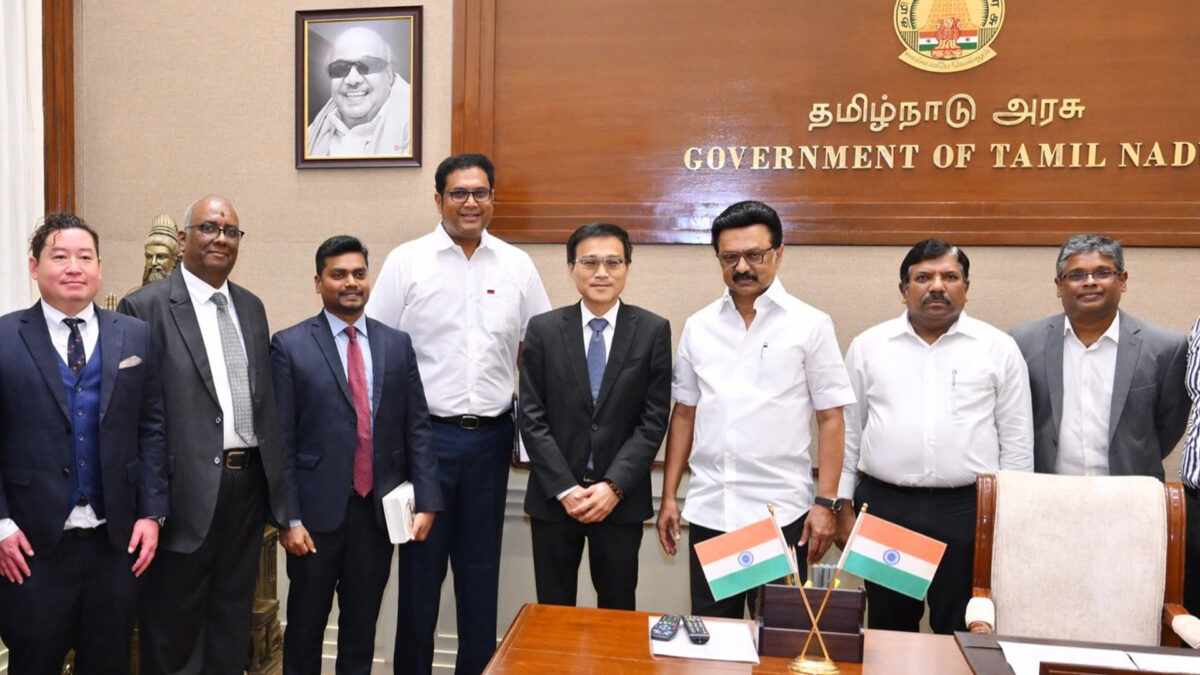
Foxconn Commits ₹15,000 Crore Investment in Tamil Nadu

Foxconn, the Taiwanese electronics manufacturing giant, has announced a significant investment of ₹15,000 crore in Tamil Nadu, aiming to establish a robust manufacturing and research ecosystem in the state.

This initiative is set to create 14,000 high-value engineering jobs, marking a substantial contribution to Tamil Nadu’s industrial landscape.

The announcement was made following a meeting between Tamil Nadu Chief Minister M.K. Stalin and Foxconn’s India representative, Robert Wu, in Chennai on October 13, 2025.

The discussions underscored the deepening partnership between the state and Foxconn, reaffirming Tamil Nadu’s position as a preferred destination for high-tech manufacturing investments.

As part of this expansion, Foxconn will focus on value-added manufacturing, research and development (R&D) integration, and the implementation of artificial intelligence (AI)-led advanced technology operations. The investment will be distributed across multiple locations in Tamil Nadu, enhancing the state’s capabilities in electronics and advanced manufacturing sectors.

In a bid to streamline operations and facilitate faster project execution, the state government, through its investment promotion agency, Guidance Tamil Nadu, will establish a dedicated “Foxconn Desk.”

This initiative aims to provide seamless coordination and mission-mode engagement for Foxconn’s projects, ensuring efficient regulatory approvals and support.

Chief Minister Stalin expressed the government’s commitment to supporting Foxconn’s expansion, highlighting the state’s proactive industrial policies, world-class talent pool, and infrastructure readiness.

He assured full support through the state’s single-window investment facilitation mechanism and talent development partnerships.

Industries Minister T.R.B. Rajaa emphasized that this investment is the largest-ever commitment for Tamil Nadu in terms of engineering job creation, aligning with the state’s “Jobs for TN” initiative.

He termed it a major boost for Tamil Nadu’s electronics and advanced manufacturing sector, signaling the state’s growing appeal as a hub for electronics manufacturing and foreign investment in India.

Robert Wu, Foxconn’s India representative, conveyed the company’s confidence in Tamil Nadu’s governance model and industrial policies.

He noted that the state’s infrastructure readiness and ease of doing business make it a preferred destination for Foxconn’s next phase of growth in India, including strategic verticals such as battery technologies and AI-led manufacturing systems.

This development underscores Tamil Nadu’s transformation from a manufacturing destination to a strategic innovation and engineering hub for the global supply chain.

The state’s commitment to fostering a conducive environment for high-tech industries is expected to attract further investments, positioning Tamil Nadu as a key player in the global electronics manufacturing landscape.

Also Read: Enforcement Directorate Offers Flipkart Settlement in FEMA Violation

Categories
Corporate

Mahindra Lifespace Acquires Land in Pune for ₹3,500 Crore Housing Project

Mahindra Lifespace Developers Ltd, a prominent real estate arm of the Mahindra Group, has acquired a 13.46-acre land parcel in Pune’s Nande-Mahalunge area.

The company estimates the development potential of this project to be approximately ₹3,500 crore. This acquisition aligns with Mahindra Lifespace’s strategy to expand its residential footprint in key growth corridors across India.

The Nande-Mahalunge area is strategically located, offering excellent connectivity to Pune’s IT and business hubs, including Hinjewadi and Baner-Balewadi.

The site is also in proximity to well-established social infrastructure, such as educational institutions and healthcare facilities.

The development is expected to cater to the growing demand for high-quality, modern residential spaces in this rapidly developing region.

Vimalendra Singh, Chief Business Officer – Residential at Mahindra Lifespace Developers, emphasized the strategic importance of the Nande-Mahalunge micro-market.

He noted that the area has witnessed strong absorption over the past few years, indicating a clear and growing demand for future-ready homes with modern amenities.

Singh further highlighted that the project’s location within the well-planned Mahalunge micro-market offers excellent connectivity through the proposed PMRDA Town Planning Scheme and the upcoming Inner Ring Road, next to Hinjewadi.

This acquisition reinforces Mahindra Lifespace’s commitment to Pune and aligns with its strategy to strengthen its presence across the city’s key growth corridors.

In addition to the Pune project, Mahindra Lifespace has been selected as the preferred partner for the redevelopment of four residential societies in the Malad (West) area of Mumbai.

The company anticipates a development potential of ₹800 crore from this project, which spans approximately 1.65 acres.

The Malad redevelopment project is situated 2.6 km from the Western Express Highway and provides connectivity to key areas of Mumbai via multiple transportation modes, including the Malad West Metro Station and Malad Railway Station.

Mahindra Lifespace’s development footprint now spans 49.26 million square feet of completed, ongoing, and forthcoming residential projects across seven Indian cities.

The company has over 5,000 acres of ongoing and forthcoming projects under development or management at its integrated developments and industrial clusters across four locations.

The acquisition of the Nande-Mahalunge land and the redevelopment projects in Mumbai signify Mahindra Lifespace’s continued commitment to expanding its presence in India’s key real estate markets.

These initiatives are expected to contribute to the company’s growth and reinforce its position as a leading developer of sustainable and customer-centric residential communities.

Also Read: Enforcement Directorate Offers Flipkart Settlement in FEMA Violation Case

Categories
Corporate

BPCL, Reliance BP Mobility Partner to Expand CNG Network

Bharat Petroleum Corporation Limited (BPCL) and Reliance BP Mobility Limited (RBML) have entered into a strategic partnership aimed at enhancing India’s City Gas Distribution (CGD) infrastructure and expanding the availability of Compressed Natural Gas (CNG) across urban regions.

This collaboration is part of BPCL’s broader initiative, Project Aspire, which seeks to promote a sustainable energy framework for the country.

The official agreement was signed by key executives from both organizations, including Rouf Khan, Chief General Manager – Projects & Marketing (Gas) at BPCL, and Sanjay Pandita, Head – Gaseous Fuels at RBML.

The partnership is expected to leverage the strengths of both companies to increase access to cleaner and more affordable fuel alternatives throughout India.

This collaboration aligns with the Government of India’s objective to raise the share of natural gas in the national energy mix from the current 6% to 15% by 2030.

By expanding the CNG network and CGD infrastructure, the partnership aims to contribute significantly to this goal, supporting the transition towards a gas-based economy.

The partnership is also expected to enhance the customer experience by providing convenient access to CNG and natural gas services, thereby promoting the adoption of cleaner fuels in the transportation and residential sectors.

Both BPCL and RBML are committed to ensuring the seamless integration of their networks and services to maximize the benefits of this collaboration.

This strategic alliance marks a significant step in India’s journey towards a more sustainable and diversified energy landscape, with BPCL and RBML playing pivotal roles in driving the adoption of natural gas as a key component of the nation’s energy mix.

Also Read: SBI Aims for 30% Women Workforce by 2030

Categories
Corporate

Natco Pharma Acquires 35.75% Stake in South Africa’s Adcock Ingram

India’s Natco Pharma has secured a significant foothold in the South African pharmaceutical market by acquiring a 35.75% stake in Adcock Ingram, valued at approximately R4.2 billion (₹2,000 crore).

This strategic move will transform the 135-year-old company into a privately held entity, co-owned by Natco and Bidvest, which will retain its position as the majority shareholder.

The acquisition was approved by over 98% of Adcock Ingram’s shareholders at a general meeting held on October 9, 2025.

The deal involves Natco Pharma South Africa purchasing all ordinary shares not already held by Natco, Bidvest, or Adcock Ingram’s treasury shares.

Following the completion of the transaction, Adcock Ingram will be delisted from the Johannesburg Securities Exchange (JSE), marking a significant shift in its corporate structure.

Natco’s offer, made in July 2025, was priced at R75 per share (approximately $4.27), which led to a 20% increase in Adcock Ingram’s share price at the time.

The transaction is expected to be finalized within four months, subject to regulatory approvals. Once completed, Natco will consolidate 35.75% of Adcock Ingram’s net profits in its financial results, aligning with its shareholding.

This acquisition enables Natco Pharma to expand its presence in the Southern African market, particularly in the generics and consumer healthcare sectors.

Adcock Ingram, with a revenue of R9.6 billion (approximately $536 million) for the fiscal year ending June 2024, operates a portfolio of well-established brands and has a strong distribution network across South Africa and other emerging markets.

The partnership with Bidvest, which has been involved with Adcock Ingram since 2019, is expected to enhance the company’s competitiveness and facilitate access to new markets.

Adcock Ingram’s General Manager, Dorette Neethling, highlighted that the collaboration with Natco Pharma would provide the company with the support of strong, globally recognized stakeholders, enabling it to explore new markets and expand its product offerings.

For Natco Pharma, this acquisition represents a significant step in its international expansion strategy, leveraging its research and development capabilities, regulatory expertise, and global marketing reach to strengthen its position in the global pharmaceutical industry.

The company’s CEO & Vice Chairman, Rajeev Nannapaneni, expressed confidence that the partnership would lead to wider access to affordable medicines in South Africa and other regions.

Last week, Natco Pharma won a legal battle in India that allowed it to sell a generic version of a key pharmaceutical drug, strengthening its domestic portfolio and enhancing its capacity to supply affordable medication.

The case, decided in Natco’s favor, demonstrated the company’s ability to navigate complex intellectual property and regulatory challenges, further boosting its credibility in global markets.

The deal has been structured to ensure business continuity, with no immediate changes to existing operations, partnerships, or supplier relationships.

Both companies are committed to maintaining uninterrupted business operations during the transition period.

As the transaction progresses, stakeholders are closely monitoring its impact on the pharmaceutical landscape in Southern Africa and the broader implications for Natco Pharma’s global strategy.

The successful completion of this acquisition is anticipated to enhance Natco’s competitive edge and contribute to the growth of the pharmaceutical sector in the region.

Categories
Corporate

Enforcement Directorate Offers Flipkart Settlement in FEMA Violation Case

The Enforcement Directorate (ED) has extended an opportunity to e-commerce giant Flipkart to settle an alleged violation of the Foreign Exchange Management Act (FEMA).

According to sources familiar with the matter, the ED has proposed that Flipkart admit to the contravention, pay a penalty, and dismantle certain seller networks associated with the company.

This offer was made under FEMA’s compounding provisions, which allow companies to resolve violations without undergoing prolonged legal proceedings.

The ED’s scrutiny of Flipkart dates back to July 2021, when a show-cause notice was issued concerning potential breaches of FEMA provisions between 2009 and 2015.

These alleged violations occurred prior to Walmart’s acquisition of a majority stake in Flipkart in 2018. Subsequent notices were served to the company, with the most recent one issued in April of this year, extending the investigation to activities post-2016.

The ED’s examination includes allegations that Flipkart’s platform may have facilitated deep discounting practices, potentially contravening foreign investment regulations.

In addition to the ED’s inquiry, Flipkart is also under investigation by the Competition Commission of India (CCI) for potential violations of competition laws.

A non-confidential version of the CCI Director General’s investigation report, received in September 2024, highlighted concerns regarding certain subsidiaries of Flipkart and their business practices.

While Flipkart has not publicly commented on the ED’s settlement offer, the company’s legal team is reportedly reviewing the proposal.

Industry observers note that the ED’s compounding option could serve as a strategic move to enhance India’s negotiating position in ongoing trade discussions with the United States.

The ED’s offer presents Flipkart with a pathway to resolve the FEMA violation case expediently.

Should the company choose to accept the settlement, it would involve acknowledging the alleged contravention, remitting the stipulated penalty, and taking corrective actions concerning the implicated seller networks.

This approach aligns with FEMA’s provisions designed to facilitate the resolution of foreign exchange violations without resorting to extended enforcement actions.

As the situation develops, stakeholders within the e-commerce and regulatory sectors are closely monitoring Flipkart’s response to the ED’s settlement offer.

The outcome may have implications for the company’s operational strategies and its standing in ongoing regulatory reviews.

Also Read: ACME to invest ₹5,000 crore in 1.2 Mt green iron plant