Categories
Corporate

Eli Lilly becomes first pharma company to reach $1 trillion value

Eli Lilly, the US based pharmaceutical company, has made history by becoming the first drugmaker to reach a market value of $1 trillion.

The company’s stock has climbed steadily this year, rising more than 35%, largely driven by strong demand for its diabetes and obesity treatments, including Mounjaro and Zepbound. These drugs have made Eli Lilly a leader in the growing global market for metabolic health treatments.

Analysts say this milestone reflects investor confidence in Eli Lilly’s focus on innovative therapies for diabetes and weight management, a market expected to grow significantly in the coming years.

This achievement also signals a shift in investor attention toward healthcare companies with strong growth potential, showing that pharma can deliver growth comparable to technology giants.

While the milestone is historic, maintaining such a high valuation will require continued innovation, regulatory approvals, and effective management of competition and pricing pressures.

Eli Lilly’s entry into the $1 trillion club marks a turning point for the pharmaceutical industry, highlighting the value of innovative treatments in reshaping healthcare growth.

Also Read: GE Aerospace to invest $14 million in Pune plant expansion

Categories
Corporate

Adani Group backs indology with ₹100 crore funding

Gautam Adani, Chairman of the Adani Group, announced a ₹100 crore contribution to support a new initiative aimed at preserving and promoting India’s ancient knowledge systems. The announcement was made at the inaugural Adani Global Indology Conclave, a three-day event held at the Adani Corporate House in Ahmedabad.

Organised in collaboration with the Ministry of Education’s Indian Knowledge Systems (IKS) division, the conclave focuses on reviving Indology—the academic study of India’s civilisation, languages, philosophies, sciences, and cultural heritage. The funding will be used to develop the Bharat Knowledge Graph, a first-of-its-kind digital framework designed to structure, preserve, and future-proof India’s knowledge in the era of Artificial Intelligence.

“This is the repayment of a civilisational debt,” Mr Adani said, highlighting that the initiative will also support scholars and technologists working on the project. He added that without proactive efforts to protect cultural frameworks, human behaviour risks being shaped by “the cold logic of machine algorithms.”

As part of the initiative, the Adani Group and IKS will run a five-year programme supporting 14 PhD scholars across leading institutions. Research will cover disciplines such as linguistics, computational linguistics, ancient astronomy, heritage studies, traditional sciences, indigenous healthcare, traditional engineering, sustainability, political thought, and classical literature. Scholars were selected through a rigorous national consultation involving IITs, IIMs, IKS-focused universities, and senior academics. The programme aims to integrate classical knowledge with modern tools such as data science, systems thinking, and multimodal archiving.

Swami Avimukteshwaranand Saraswati, Jagadguru Shankaracharya of Jyotir Math, who was the guest of honour, praised the initiative for supporting India’s vision of becoming a Vishwaguru (global teacher).

Aligned with the National Education Policy (NEP) 2020, the initiative seeks to bring ancient Indian wisdom into contemporary education and research, making traditional knowledge relevant in modern academic and technological contexts. Rooted in the ethos of Vasudhaiva Kutumbakam treating “the world as one family”, the project reflects the Adani Group’s commitment to nation-building, soft power, and civilisational leadership.

Also Read: Adani Enterprises wins Golden Peacock ESG Award

Categories
Corporate

₹895 crore Sudeep Pharma IPO fully subscribed on Day 1

Sudeep Pharma’s initial public offering opened to a solid start on November 21, with the issue getting fully subscribed on the first day itself. The Vadodara-based ingredient manufacturer is looking to raise ₹895 crore through the offer, which includes a fresh issue of ₹95 crore and an offer-for-sale of around ₹800 crore by existing shareholders.

Retail and non-institutional investors drove most of the early demand, helping the issue cross 100% subscription quickly. Participation from qualified institutional buyers was comparatively slower but is expected to build as the issue progresses until it closes on November 25.

The grey market premium remained steady at ₹110–₹130, indicating that the stock could list 18–20% above the upper price band of ₹593 if current sentiment holds. Market watchers estimate a possible listing range of ₹700–₹715 based on prevailing trends.

Sudeep Pharma manufactures excipients and mineral-based ingredients used across the pharmaceutical, food, nutraceutical and personal care industries. The company plans to use its fresh capital mainly for machinery purchases at its Gujarat facility and for general corporate requirements.

Analyst views remain mixed. Some brokerages highlight the company’s wide product portfolio, established client base and steady financial performance as positives. Others point out that the IPO’s valuation appears elevated compared to peers, making it more favorable for long-term investors rather than those focused on immediate gains.

With a strong Day-1 performance supported by retail enthusiasm and a healthy grey market premium, investors will now be watching how institutional interest shapes up as the issue continues through the remaining subscription period.

Also Read: Groww Q2 profit up 12% despite revenue dip

Categories
Corporate

NCLT clears ₹8,000-crore SeQuent–Viyash merger

The National Company Law Tribunal (NCLT) has approved the merger of SeQuent Scientific with Viyash Life Sciences in a deal valued at around ₹8,000 crore. The move brings together SeQuent’s animal-health business and Viyash’s pharmaceutical manufacturing capabilities under one larger platform.

As part of the merger, Viyash shareholders will receive 56 SeQuent shares for every 100 shares they hold. Viyash founder Hari Babu Bodepudi is expected to lead the combined entity as CEO once the integration is complete.

The merged company will have a wider global presence, operating across more than 150 countries. It will also benefit from a bigger research and development base and a significantly larger number of US FDA-approved manufacturing facilities.

The consolidation is aimed at improving profitability, strengthening the balance sheet, and unlocking cost efficiencies through shared procurement, operations and scaled-up production. The companies expect the integration to accelerate growth in both animal-health and human-health segments.

Also Read: NHAI opens public investment route for national highways

Categories
Corporate

GE Aerospace to invest $14 million in Pune plant expansion

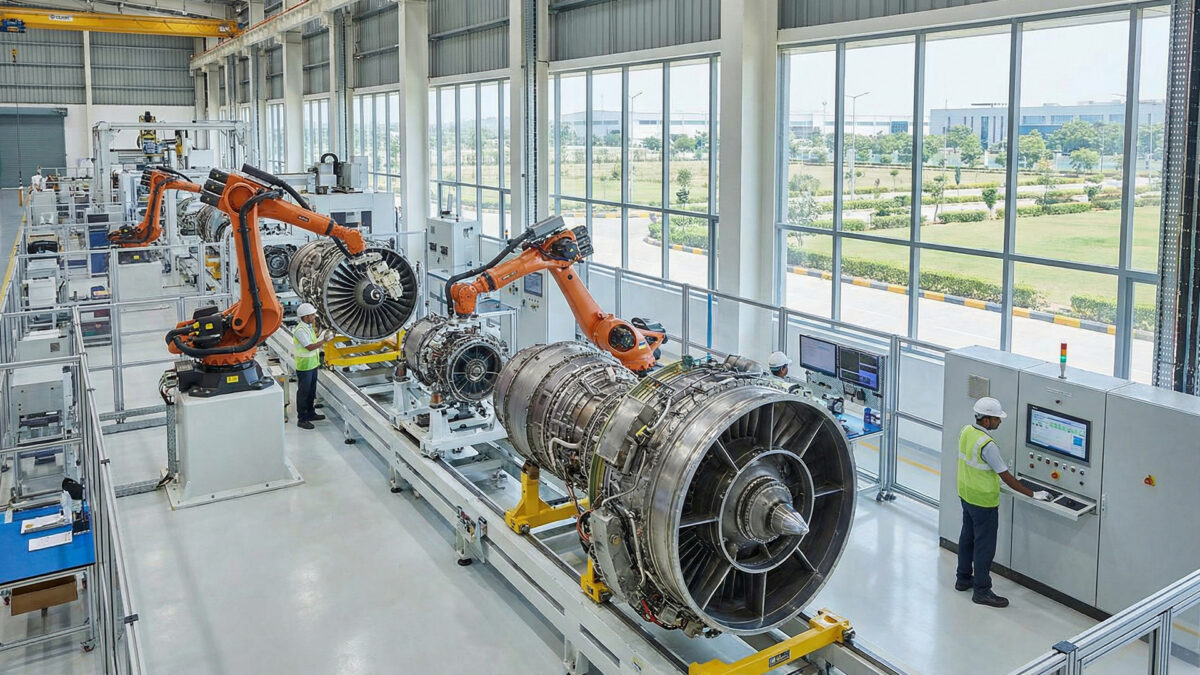
GE Aerospace has announced a fresh USD 14 million (around ₹124 crore) investment to expand its manufacturing facility in Pune, strengthening its production capabilities for advanced jet-engine components. The announcement comes as the plant celebrates 10 years of operations in India.

This new investment is in addition to the USD 30 million committed last year, taking GE Aerospace’s total investment in the Pune facility to USD 44 million within two years. The expansion aims to enhance automation, improve manufacturing processes, and increase output for high-precision parts used in some of the company’s most advanced engines, including the GE90, GEnx, GE9X, and LEAP families.

The Pune plant plays a key role in GE Aerospace’s global supply chain and is supported by a strong network of more than 300 local suppliers. Across India, the company works with over 2,200 suppliers, reflecting its deep manufacturing footprint in the country.

Over the past decade, the Pune facility has also emerged as a centre for skill development, having trained over 5,000 individuals in high-precision aerospace manufacturing. The plant follows GE’s FLIGHT DECK lean operations model, which focuses on safety, quality, waste reduction, and efficiency. As a result, the facility has achieved significant improvements in output, reduced production downtime, and strengthened overall operational performance.

The plant also holds ISO 14001 and ISO 45001 certifications, demonstrating GE Aerospace’s commitment to environmental standards and workplace safety.

According to Vishwajit Singh, Managing Director of the Pune facility, the latest investment highlights the company’s long-term commitment to India and aligns with the “Make in India” vision of boosting high-value manufacturing.

GE Aerospace has been present in India for over 40 years. Its commercial and military engines power major Indian airlines and aircraft, including the Indian Air Force’s Tejas programme. The company also runs a large engineering centre in Bengaluru, supporting global research and innovation.

Also Read: India aims to match US in chipmaking by 2032

Categories
Corporate

TCS, TPG join hands for $1 billion AI data centre investment

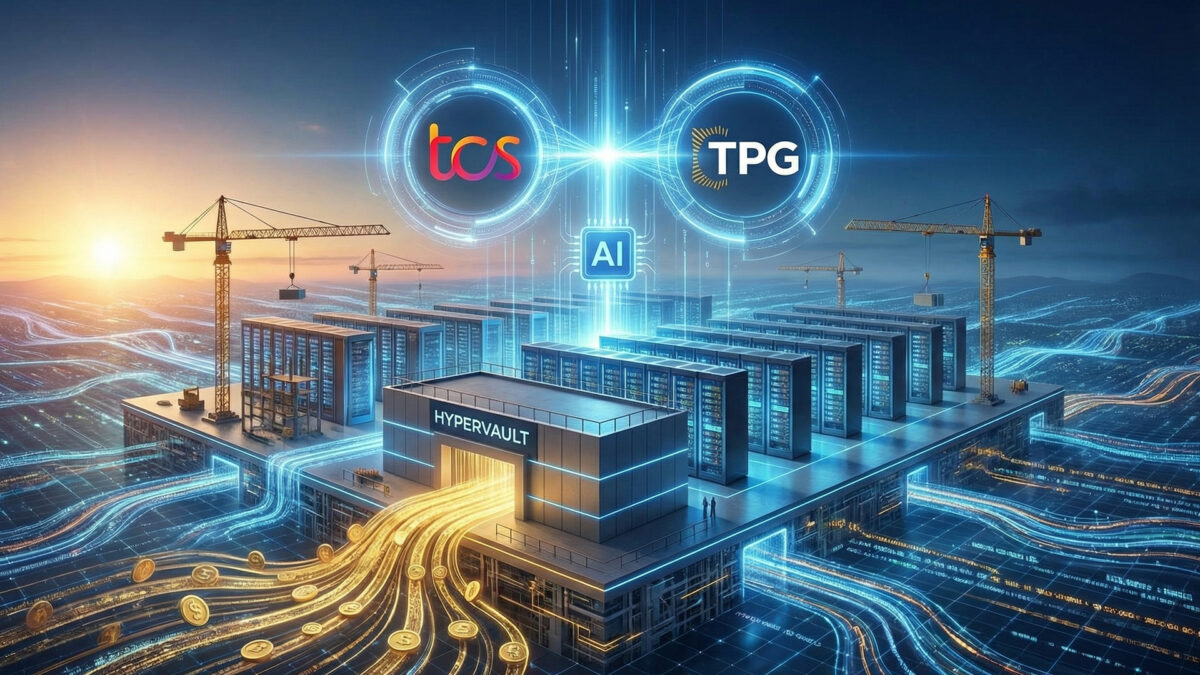
Tata Consultancy Services (TCS) has partnered with global private equity firm TPG, raising $1 billion to expand its AI-focused data centre business, HyperVault. The total investment in the venture could reach ₹18,000 crore over the coming years.

Under the deal, TPG may hold 27.5–49% of HyperVault. The funds will help TCS develop gigawatt-scale AI-ready data centres, equipped for high-performance computing, low-latency networking, and rapid data storage for AI applications.

India’s current data centre capacity is around 1.5 GW, but the demand for AI infrastructure is expected to push this figure to 10 GW by 2030, according to TCS.

HyperVault centres will feature energy-efficient designs, liquid cooling, and high-density racks, making them ideal for AI workloads. TCS Chairman N. Chandrasekaran said the partnership will strengthen the company’s ability to serve “hyperscalers and AI companies.”

TPG Executive Chairman Jim Coulter highlighted the venture as a “climate-positive” opportunity, sitting at the intersection of technology, real estate, and green energy.

This collaboration marks a major step for TCS in its ambition to become a leader in AI infrastructure and services, leveraging next-generation data centres to support emerging technologies.

Also Read: Capillary Technologies lists at ₹560, 3% below IPO price

Categories
Corporate

Capillary Technologies lists at ₹560, 3% below IPO price

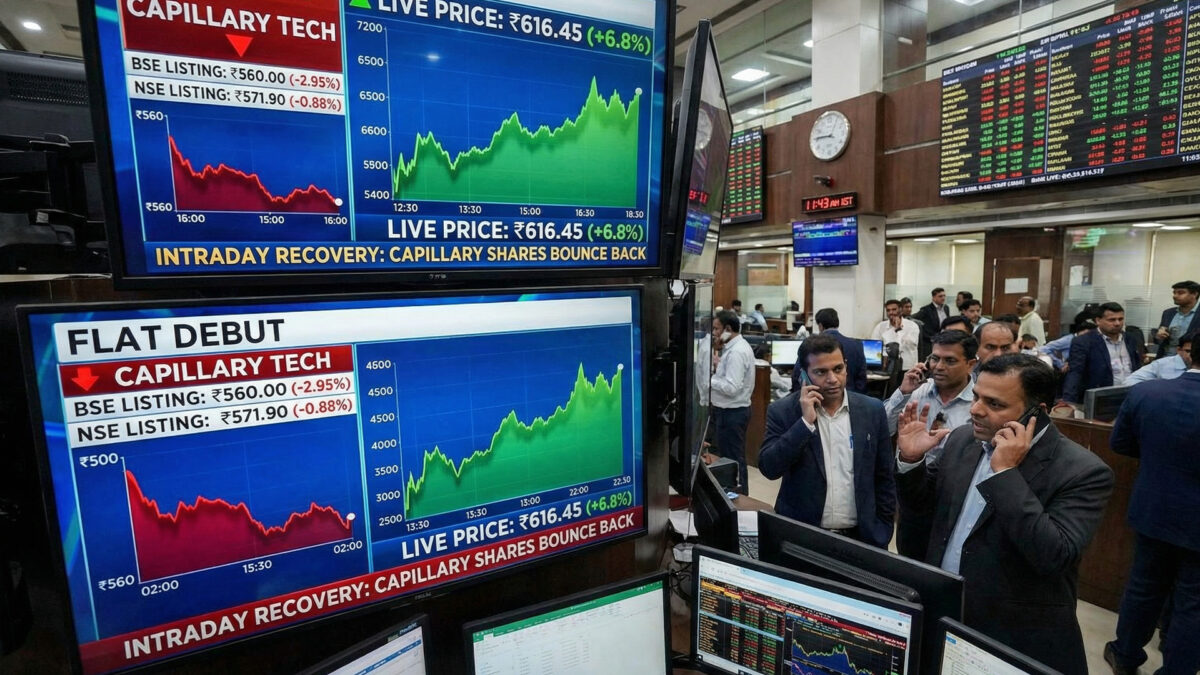
Capillary Technologies, a SaaS company in Bengaluru, specialising in customer engagement and loyalty solutions, made its stock market debut on Thursday. The shares opened at ₹560 on the BSE, about 3% lower than the IPO price of ₹577. On the NSE, the stock listed at ₹571.90, slightly below the issue price.

The IPO, which raised around ₹878 crore, was highly oversubscribed, attracting about 53 times more applications than shares on offer. The issue included a fresh share sale of ₹345 crore and an offer-for-sale worth ₹533 crore.

Although the listing started below the IPO price, the stock gained momentum in later trade, reflecting growing investor confidence. Market observers noted that the subdued listing could be due to cautious investor sentiment, despite strong demand during the IPO.

Capillary Technologies plans to use the IPO proceeds to fund growth initiatives, including technology development and expanding its SaaS offerings.

Also Read: Groww Q2 profit up 12% despite revenue dip

Categories
Corporate

Groww Q2 profit up 12% despite revenue dip

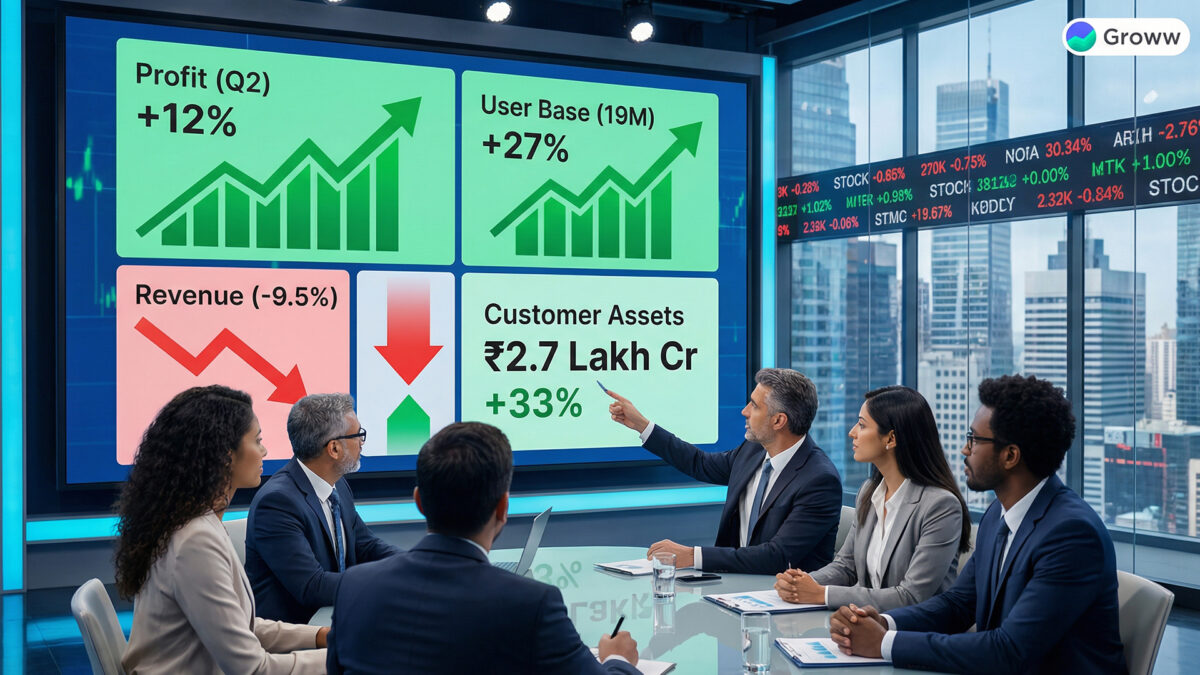
Groww  reported a 12% rise in net profit for the quarter ending September 30, 2025,  as Billionbrains Garage Ventures, the parent company behind Groww, posted a net profit of ₹471 crore compared to ₹420 crore in the same period last year. This growth comes despite a 9.5% drop in revenue, which fell to ₹1,018 crore from ₹1,125 crore a year ago.

The investment platform, attributed the profit growth to tighter cost control and operational efficiency. Total expenses fell significantly to  ₹432 crore, with employee benefits at ₹124 crore and other operating costs at ₹291 crore. EBITDA margins improved to 59.3%, up from 53.4% last year.

Groww’s user base continues to expand, with 19 million transacting users, up 27% year-on-year. Total customer assets rose 33% to ₹2.7 lakh crore, with mutual funds accounting for 53% of these assets. The company is also expanding into non-broking services, including wealth management and commodities trading, aiming to diversify revenue sources.

This quarter is particularly significant as it is Groww’s first full report after its public listing earlier this month. While revenue declined, the rising profit, growing user base, and increasing customer assets suggest a healthy underlying business.

Also Read: L&T to make all-terrain BvS10 Sindhu vehicles

Categories
Corporate

Reliance halts Russian oil for Jamnagar export refinery

Reliance Industries Ltd (RIL) has stopped importing Russian crude oil into its special export-oriented refinery in Jamnagar, Gujarat, from November 20, 2025. The move is aimed at ensuring full compliance with European Union sanctions, which will prohibit the import of fuels made from Russian crude starting January 21, 2026.

According to Reliance, all products exported from the Jamnagar SEZ refinery will be made entirely from non-Russian oil from December 1. Existing shipments booked before October 22, 2025, will continue as planned. The last Russian crude shipment for the SEZ refinery was loaded on November 12, 2025.

Any Russian crude arriving after November 20 will be routed to Reliance’s domestic-market refinery, rather than the export-oriented unit. The company said this shift, or “recalibration” of Russian oil imports, has been completed ahead of schedule.

This decision also reflects compliance with US sanctions, which required companies to wind down trade with major Russian oil producers, including Rosneft and Lukoil, by November 21, 2025.

Reliance’s Jamnagar refinery complex is one of the largest single-location refineries in the world, with a capacity of 1.24 million barrels per day. The export-focused SEZ refinery plays a key role in supplying fuel and petrochemical products to global markets.

By halting Russian crude at its SEZ unit, Reliance not only aligns with international regulations but also ensures uninterrupted exports and strengthens its global supply chain. Analysts note this move may also help the company avoid potential penalties and maintain its credibility with European and US buyers.

Also Read: Reliance up 2% on O2C rebound, new-energy push

Categories
Corporate

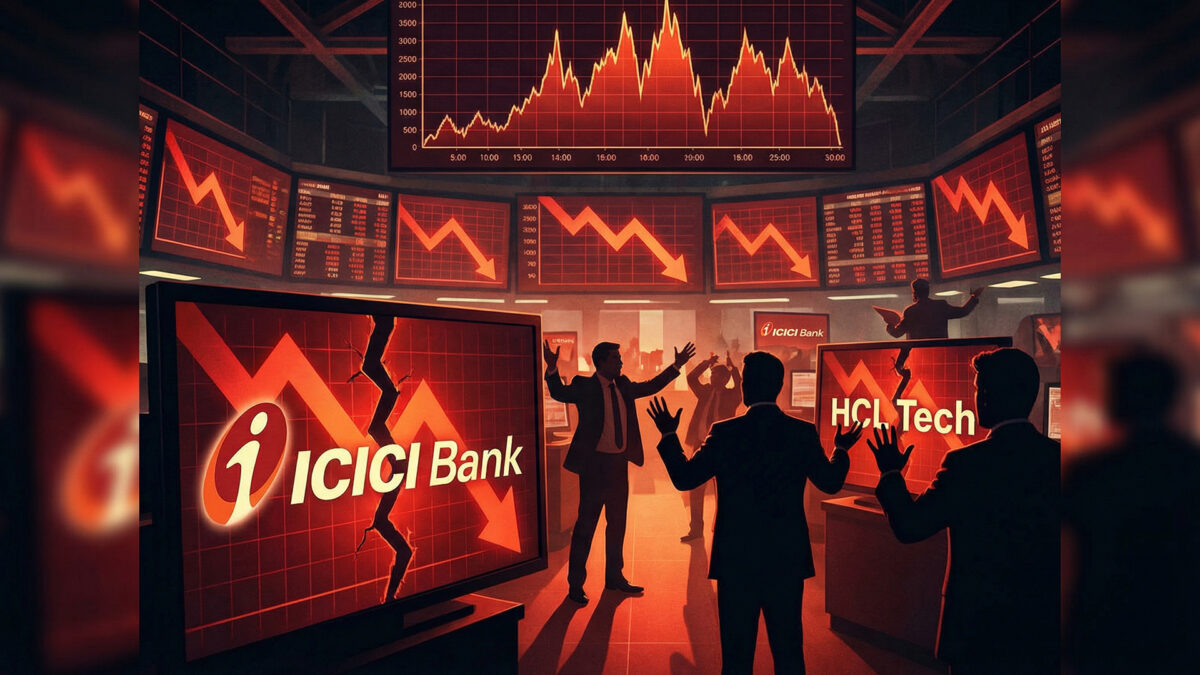
Sensex falls 300 points, Nifty slips below 26,100

Indian equity markets traded lower on Friday morning, halting a two-day rally, as investors reacted to global cues following inconclusive US jobs data. The uncertainty over the near-term path of interest rates weighed on sentiment, triggering a sell-off in key sectors.

The S&P BSE Sensex fell over 300 points, while the Nifty 50 slipped below the 26,100 mark, closing around 26,093. Despite the decline, domestic benchmarks remain close to record highs, reflecting resilient underlying fundamentals.

On thursday, Adani Group has completed its exit from Adani Wilmar, offloading its last shares through a block trade taken up by major domestic and global institutions.

Among the top losers, ICICI Bank and HCL Tech saw notable declines, while Mahindra & Mahindra, Eicher Motors, and HDFC Life were the day’s major gainers. The India VIX, a measure of market volatility, surged over 9%, indicating heightened investor caution.

Analysts said the dip was largely influenced by global factors rather than domestic weakness.

Also Read: Sensex rallies 446 pts, Nifty crosses 26,150