Categories
Corporate

Alphabet nears $4 trillion market on AI gains

Alphabet Inc., the parent company of Google, is racing toward a $4 trillion market valuation as investor enthusiasm grows around its artificial intelligence (AI) initiatives and cloud business. Shares of the company recently surged over 5% to $315.90, giving it a market capitalization of roughly $3.82 trillion, a record high for the company.

This year, Alphabet’s stock has risen nearly 70%, outperforming other major tech players, including Microsoft and Amazon. Analysts attribute the strong rally to the company’s renewed focus on AI, particularly the positive reception of its Gemini 3 AI model, which has reinforced confidence in Alphabet’s ability to lead in the fast-evolving AI sector.

The company has also seen improvements in its cloud division, which has boosted revenue growth and added to investor optimism. Further support came from prominent investors like Berkshire Hathaway, whose purchases of Alphabet shares signaled confidence in the company’s long-term potential.

If Alphabet crosses the $4 trillion mark, it will join a small group of tech giants,  including Apple, Microsoft, and Nvidia,  that have reached such a milestone. This surge reflects the growing impact of AI on global markets, highlighting how the technology is driving valuations and reshaping competition in the tech sector.

While the rally has excited investors, some experts caution that stock prices may be rising faster than earnings, echoing concerns seen in previous tech booms. Regulators are also closely watching the growth of Big Tech, but Alphabet’s latest performance demonstrates that innovation and market confidence remain strong drivers of company value.

Also Read: Ola founder Bhavish Aggarwal bets on home batteries
Categories
Corporate

Premier Energies sees 32% upside, Nuvama turns bullish

Premier Energies has received a “Buy” rating from Nuvama Institutional Equities, with a target price of ₹1,270 per share,  suggesting a potential 32% rise from current levels.

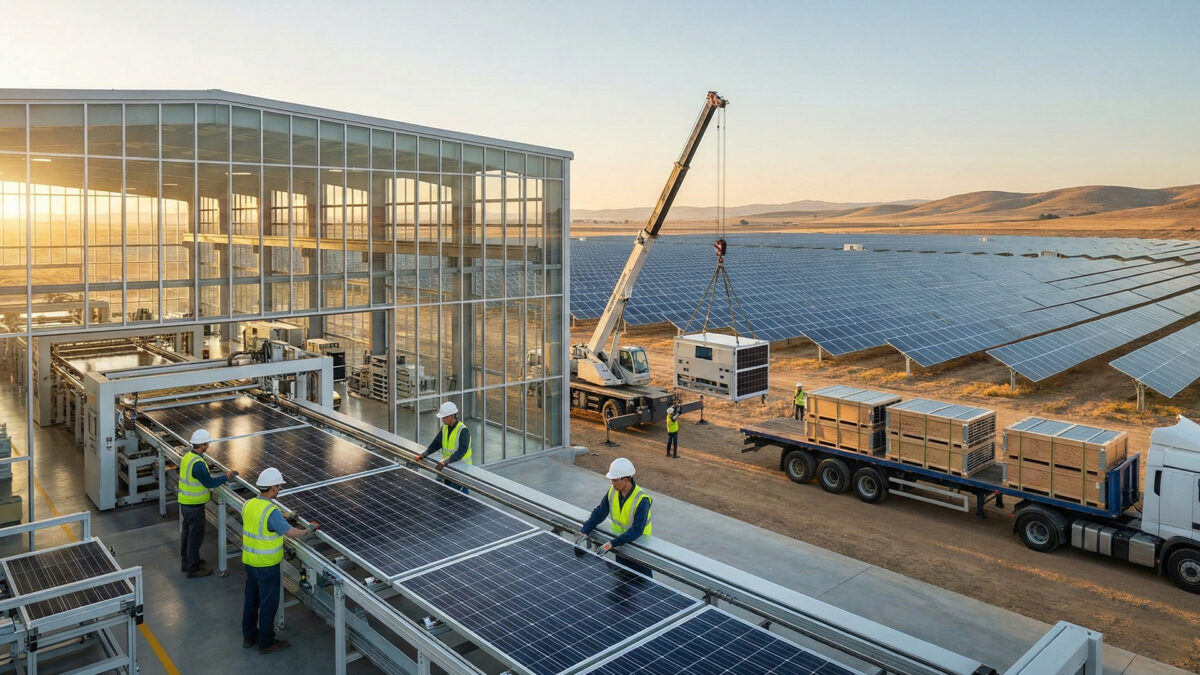
Nuvama expects the company’s revenue and profit margins to grow strongly between FY26 and FY28. The growth is driven by expansion in solar module, cell, and wafer production, as well as backward integration into batteries, transformers, and inverters, which should help improve margins.

Government policies supporting domestic solar manufacturing, like the ALMM and Domestic Content Requirement (DCR), are expected to further boost demand for Premier’s products.

The stock has already rallied since its IPO, giving investors strong returns, but it remains about 30% below its all-time high. Analysts note that competition, pricing pressures, and technology shifts could affect margins, but the overall outlook remains positive.

Premier Energies’ growth story highlights the opportunities in India’s renewable energy sector, as clean energy adoption continues to accelerate.

Also Read: Bharti Airtel shares fall 3% after promoter sells ₹7,200 cr stake

Categories
Corporate

Bharti Airtel shares fall 3% after promoter sells ₹7,200 cr stake

Shares of Bharti Airtel slipped nearly 3% on 26 November 2025 after a promoter sold a large portion of its stake. The stock touched an intra-day low of ₹2,100 on the BSE following the announcement of the block deal.

Indian Continent Investment Ltd. (ICIL), a promoter entity linked to the Sunil Mittal-led group, plans to sell approximately 34.3 million shares, roughly 0.56% of Airtel’s total equity. The shares are being offered at a floor price of ₹2,096.70 each, about 3% below the previous day’s closing price. The transaction is expected to raise around ₹7,200–7,400 crore.

After the sale, ICIL’s holding in Airtel will fall below 1%, and the remaining shares will be subject to a 90-day lock-up period, preventing further immediate sales. This move continues ICIL’s gradual reduction of its stake in Airtel over the past year through multiple block deals.

Large promoter sales like this often trigger short-term selling pressure, contributing to volatility in the stock. However, analysts note that Airtel’s core business fundamentals remain solid, supported by steady cash flows, rising Average Revenue Per User (ARPU), and manageable capital expenditure plans for FY26.

Investors are advised to view the dip as a short-term market reaction rather than a sign of trouble in the company’s operations, as Airtel continues to show strong revenue growth and subscriber additions.

Market analysts noted that while the stock experienced a temporary dip, Bharti Airtel’s long-term fundamentals remain strong. The company continues to perform well in revenue growth, subscriber additions, and digital services expansion, which could support investor confidence over time.

Also Read: Gallard Steel shares jump 49% on BSE‑SME debut

Categories
Corporate

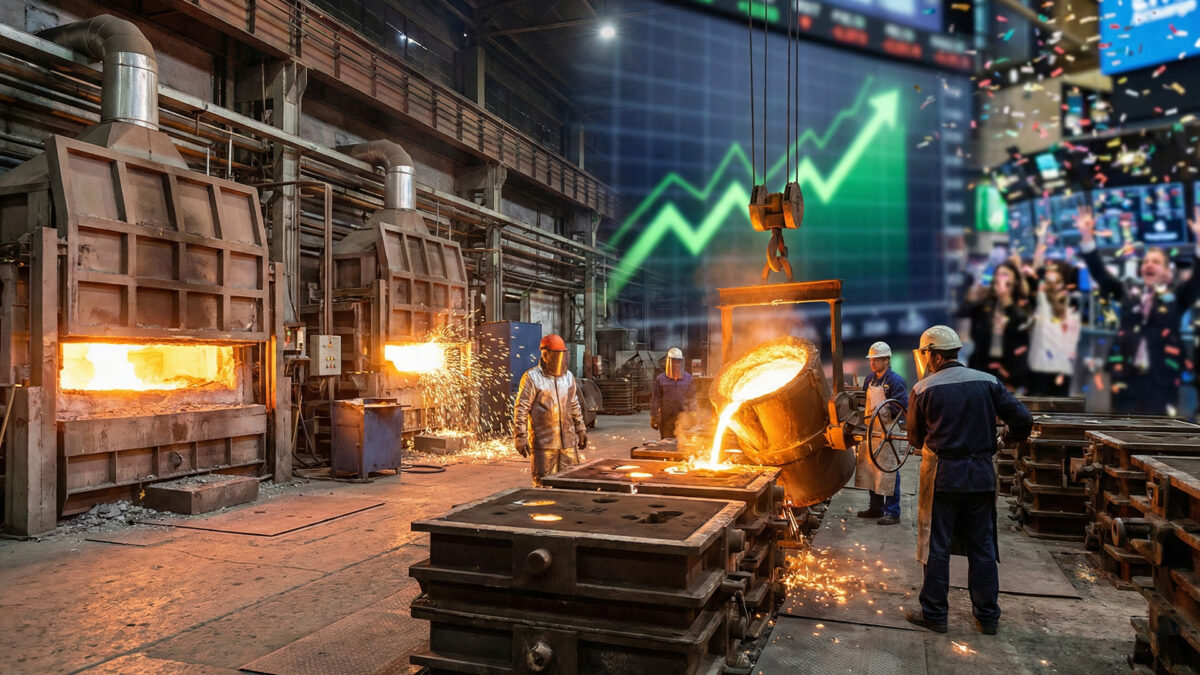
Gallard Steel shares jump 49% on BSE‑SME debut

Indore-based engineering firm Gallard Steel made a spectacular debut on the stock market on 26 November 2025. Its shares listed at ₹223 on the BSE SME platform, nearly 49% higher than the IPO price of ₹150, delighting investors who had shown huge enthusiasm even before the listing.

The IPO, which aimed to raise ₹37.5 crore by issuing 2.5 million shares, attracted overwhelming demand. It was subscribed about 350 times overall, with retail investors, non-institutional buyers, and qualified institutional buyers all bidding aggressively. Even in the grey market, unlisted shares were already trading at a 38–42% premium, reflecting high market expectations.

Gallard Steel manufactures steel castings and components used in railways, power plants, defence, and heavy engineering. The funds raised from the IPO will be used to expand the company’s production capacity, construct a new office, reduce some debt, and support general business needs.

At the time of listing, Gallard Steel’s market capitalisation stood at around ₹212 crore. The strong debut signals not just investor confidence in the company’s growth prospects, but also the healthy appetite for well-positioned industrial firms in the SME segment.

Analysts say the listing success demonstrates that smaller companies with strong fundamentals can still attract significant market attention, even in a competitive IPO landscape. For retail investors who participated, the listing turned into an early gain, validating their faith in Gallard Steel’s potential.

Also Read: Bitcoin slides 21% in November, sparks concern

Categories
Corporate

Sensex jumps 600+ points, Nifty crosses 26,050

The markets bounced back with fresh energy on Wednesday after three days of weakness. The Sensex rallied more than 600 points, and the Nifty climbed past 26,050, signalling a strong return in investor confidence.

The biggest boost came from metal stocks and PSU banks, which were the clear outperformers of the day. JSW Steel topped the gainer’s list, reflecting strong buying interest in the sector. On the other side, Bharti Airtel slipped around 2%, making it one of the notable laggards even as the broader market moved higher.

The positive mood wasn’t just domestic — upbeat global markets also helped lift sentiment. Asian indices and U.S. cues were strong, giving traders the reassurance needed to step back into the market.

Importantly, the rally was broad-based. Buying was seen across multiple sectors, showing that the recovery wasn’t limited to a handful of stocks but spread across the market. If global cues stay stable and sector leaders continue to perform, this momentum may carry forward into the next few sessions.

Also Read: Nifty under 25,900, Sensex drops 314 points

Categories
Corporate

Nifty under 25,900, Sensex drops 314 points

The S&P BSE Sensex fell 314 points (0.37%) to close at 84,587, while the NSE Nifty 50 slipped 75 points (0.30%) to finish at 25,884 on November 25.

Among the 30 Sensex stocks, only BEL, SBI, Tata Steel, Eternal, Reliance Industries, Bharti Airtel, and Bajaj Finserv ended in positive territory. The biggest losers were Adani Enterprises, down 3%, followed by Trent, which fell 2%, along with Tata Motors Passenger Vehicles, Power Grid Corp, and Infosys.

Looking at sectors, IT, Auto, FMCG, and Oil & Gas dragged the market, with declines of up to 0.6%. Stocks like Infosys, TCS, HCL Tech, and Wipro were the main contributors to the fall.

On the brighter side, PSU banks led the gains, rising over 1%, while Metal, Pharma, and Realty sectors also saw modest rises of up to 0.5%. Key gainers included State Bank of India, Canara Bank, Bank of Baroda, and Indian Bank.

Also Read: Sensex up 110 pts, Nifty nears 26,000

Categories
Corporate

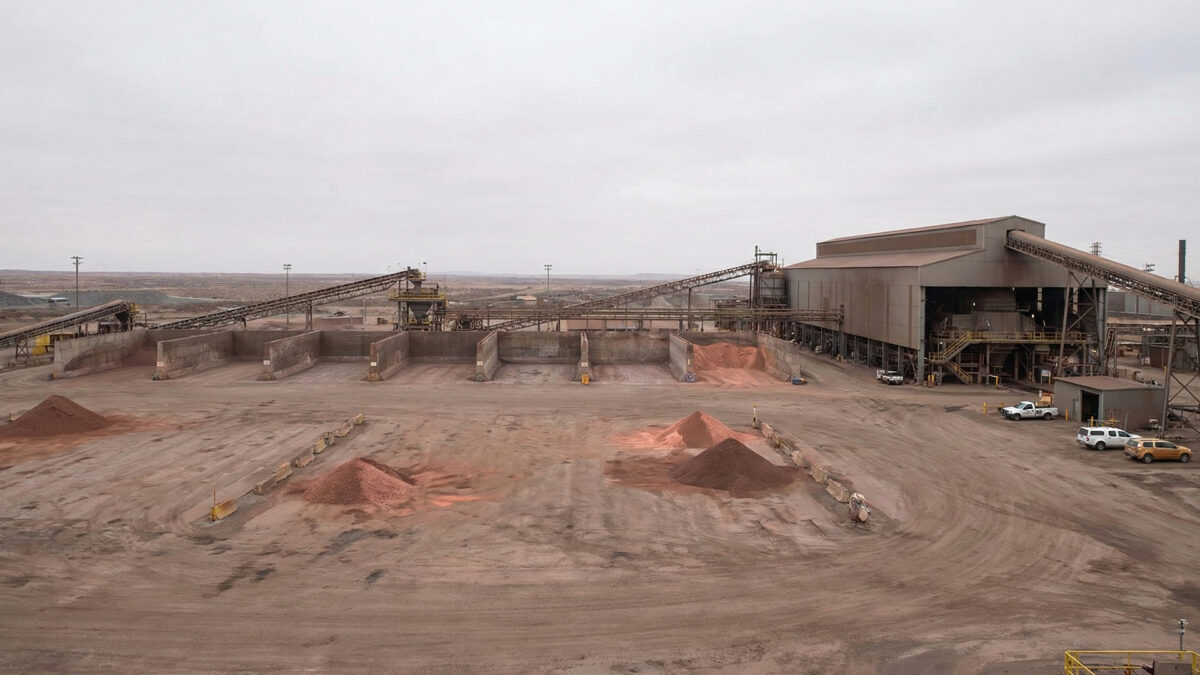
Adani’s $1.2 billion copper plant hit by ore shortage

Adani’s new copper smelter in Gujarat is unable to run at full strength because there isn’t enough copper ore available in the global market.

The Kutch Copper plant can produce 500,000 tonnes of copper a year, but to do that, it needs about 1.6 million tonnes of copper concentrate. Since starting operations, the smelter has received only around 147,000 tonnes, much less than required. As a result, the plant is running at a very low capacity.

This problem isn’t unique to Adani. The world is facing a shortage of copper concentrate due to production cuts and disruptions at major mines. At the same time, smelting capacity has increased in countries like China, creating more competition for limited ore.

Because of the shortage, the fees that smelters charge miners  which is the treatment and refining charges, have dropped to record lows, making operations less profitable.

Some suppliers like BHP, Glencore, and Hudbay have sent ore to the Kutch plant, but the volumes are still too small to support full production.

India’s demand for copper is rising quickly for construction, power, and renewable energy. But since the country has limited copper ore reserves, local smelters depend heavily on imports, making them vulnerable to global shortages like this one.

For now, Adani’s smelter will take longer to ramp up, and may operate at a loss until global ore supply improves.

Also Read: Google and Accel partner to boost India’s AI startups

Categories
Corporate

Sensex up 110 pts, Nifty nears 26,000

The Indian stock market opened slightly higher on Tuesday, with the Sensex rising about 110 points and the Nifty 50 hovering close to the 26,000 mark. Early trade sentiment was mildly positive as investors tracked global cues and waited for key domestic data expected later this week.

Metal and realty shares lifted the mood, with both sectors gaining nearly 1%. On the other hand, IT, telecom and FMCG stocks saw some early selling pressure, slipping around 0.5%. Market watchers noted that foreign institutional investors have continued to pull out money over the past few sessions, keeping overall sentiment cautious.

In stock-specific action, Hindalco led the metal pack with over 1% gains, supported by firm global commodity trends. Dr Reddy’s Laboratories also traded higher after receiving approval for a biosimilar product in Europe, boosting investor confidence. Jio Financial Services was another notable gainer in morning trade.

Among the key laggards were FMCG names, with Tata Consumer Products and Nestlé India slipping due to sectoral weakness. Auto major Eicher Motors also traded lower as the broader auto pack showed signs of pressure.

Analysts say that the approaching F&O expiry and upcoming macroeconomic numbers could influence movement in the next few days. Despite the mixed cues, frontline indices stayed in the green through the early session as select heavyweights posted gains.

Also Read: Sensex falls 331 points, Nifty slips below 25,950

Categories
Corporate

Sensex falls 331 points, Nifty slips below 25,950

Indian stock markets fell on Monday, November 24, 2025, with the Sensex dropping 331 points to end at 84,900 and the Nifty 50 slipping below 25,950 to close at 25,959.

Most sectors fell, except for IT stocks which managed small gains. Shares of Bharat Electronics (BEL) and Mahindra & Mahindra (M&M) saw sharp losses of 3% and 2% respectively, pulling the indices down.

Other heavyweights like JSW Steel, Grasim, and Max Healthcare also saw declines. Mid‑cap and small‑cap stocks were weak, reflecting cautious investor sentiment ahead of global cues and the monthly derivatives expiry.

Analysts said Nifty falling below key support levels could lead to further declines unless it bounces back soon. Overall, Monday’s market session ended in red as investors stayed cautious amid mixed signals.

Also Read: Sensex rises 100 points, Nifty tops 26,100

Categories
Corporate

Indian Navy commissions INS Mahe

The Indian Navy has officially commissioned INS Mahe, a new anti-submarine warfare ship, at a ceremony in Mumbai. The event was attended by Chief of Army Staff General Upendra Dwivedi, highlighting cooperation between India’s armed forces.

INS Mahe is the first ship of the Mahe-class shallow water vessels, designed and built in India at Cochin Shipyard Limited. Around 80% of its parts are indigenous, reflecting India’s push for self-reliance in defense manufacturing. The ship is 78 metres long, weighs about 1,100 tonnes, and is built for coastal and shallow water operations, where larger ships cannot operate effectively.

The ship’s name, Mahe, comes from a coastal town in Kerala, connecting it to India’s maritime heritage. Its crest shows an “Urumi”, a flexible sword from the Kalarippayattu martial art, symbolizing agility and precision. The ship’s mascot is a cheetah, representing speed, and its motto is “Silent Hunters”, reflecting its quiet operations under the sea.

The ship uses a diesel-engine water-jet propulsion system, giving it speed, agility, and stealth. Its main mission is anti-submarine warfare, but it can also carry out underwater surveillance, mine-laying, coastal patrols, and low-intensity operations. INS Mahe is equipped with lightweight torpedoes and anti-submarine rockets to engage enemy submarines. It also has modern sonar and radar systems, along with noise-reducing technology for stealthy operations.

Naval officials said the commissioning of INS Mahe strengthens India’s coastal defense and demonstrates the country’s ability to build modern warships locally. INS Mahe is the first of eight Mahe-class ships planned by Cochin Shipyard, which will gradually replace older vessels in the Navy’s shallow-water anti-submarine fleet.

Also Read: Adani’s H1 FY26 EBITDA hits ₹47,375 cr, capex surges