Categories
Corporate

Reliance starts Jio IPO process targeting record valuation

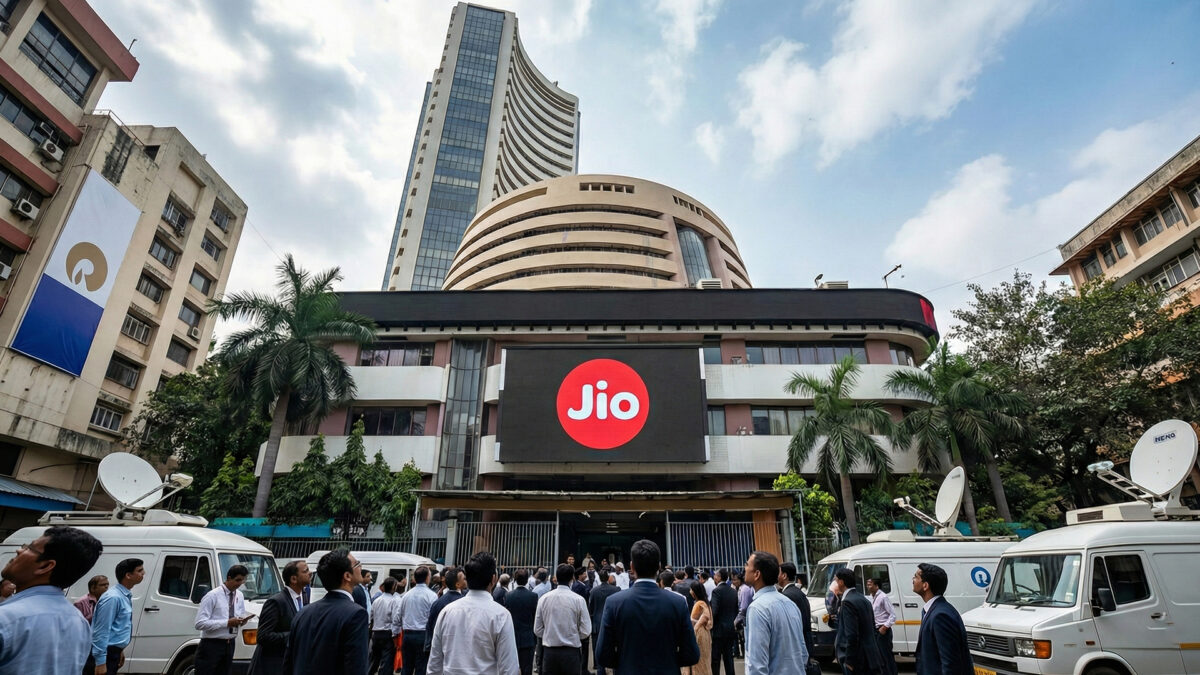
The Jio IPO process has officially begun, with Reliance Industries Ltd. (RIL) starting the formal steps to list its digital and telecom subsidiary, Jio Platforms. This marks a major move toward what could become India’s largest-ever initial public offering. According to people familiar with the matter, the company has started work on the draft prospectus and initiated early discussions with investment banks to shape the structure of the public issue.

The banks involved in these discussions have reportedly proposed a valuation of up to $170 billion for Jio Platforms. If achieved, this valuation would place Jio among India’s most valuable listed companies on debut. It would also make the offering one of the biggest IPOs ever attempted in the country.

Sources indicate that Reliance is expected to formally appoint bankers once India’s updated IPO regulations come into effect. The new rules are expected to allow companies to reduce the minimum dilution requirement, which means Jio may be able to raise significant funds without selling a large stake. At the projected valuation, even a small dilution could help the company raise around $4–4.5 billion.

The timeline for the listing  Jio IPO aligns with earlier announcements made by Reliance Chairman Mukesh Ambani, who had indicated that Jio would be taken public by the first half of 2026. The current activity suggests the company is moving steadily toward meeting that target.

Jio Platforms, launched commercially in 2016, has grown rapidly to become India’s largest telecom operator with more than 500 million subscribers. Over the years, it has expanded beyond telecom into digital services, broadband, enterprise solutions, and technology platforms. The company has also attracted major global investors in earlier funding rounds, strengthening its position as a digital giant.

If the IPO proceeds as planned, it would surpass previous fundraising records and mark a defining moment for India’s capital markets. It is expected to attract strong interest from domestic and global investors, given Jio’s scale, growth potential, and central role in India’s digital ecosystem.

With the prospectus now in preparation, the Jio IPO is set to become one of the most closely watched market events in the coming year.

Also Read: Andhra allots 480 acres for Adani–Google AI data centre

Categories
Corporate

Andhra allots 480 acres for Adani–Google AI data centre

The Andhra Pradesh government has approved the allotment of 480 acres of land to Adani Infra (India) Pvt. Ltd. for setting up a major AI and cloud data-centre project linked to Google. The land parcels are spread across Visakhapatnam and Anakapalli districts and will be used to build a 1-gigawatt (1 GW) data-centre campus, one of the largest of its kind in India.

The project will be developed by Raiden Infotech India Pvt. Ltd., a company associated with Google. It plans to create a high-capacity data-centre ecosystem capable of supporting advanced AI computing, global cloud services and large-scale digital applications. The facility will be built to the same international standards followed by Google’s global data-centre network, ensuring world-class reliability and performance.

According to official estimates, the overall investment connected to the project is expected to be around ₹87,500 crore over multiple phases. The State government is also offering incentives worth roughly ₹22,000 crore, spread over several years, to support the development of the high-energy, high-capacity data-centre cluster.

Once completed, the 1 GW data centre will require enormous power resources. Officials noted that its full-capacity electricity consumption could be equivalent to nearly half of Mumbai’s annual energy use, highlighting the scale and complexity of the infrastructure planned. This will also require significant upgrades to local power supply systems, connectivity, and green-energy options.

The government said the project will be a major boost to Andhra Pradesh’s position as an emerging technology and digital-services hub. Visakhapatnam, already being developed as the Executive Capital of the State, is expected to benefit from related infrastructure development, job creation and new opportunities for technology companies.

Senior officials believe the project will attract further investments in AI, cloud computing, semiconductor research and advanced data-storage solutions. The presence of a global-standard data centre is also expected to support start-ups, research institutions and digital-first companies looking to build products in India.

With this land allotment, Andhra Pradesh hopes to establish Visakhapatnam as one of the leading centres for AI-driven digital infrastructure in the country, strengthening its long-term economic and technology goals.

Also Read: Chennai’s Dr Anjana to lead IDF global fitness drive

Categories
Corporate

Japan’s JFE Steel, JSW Steel form ₹15,750 cr Bhushan Power JV

Japanese steel major JFE Steel is investing ₹15,750 crore to acquire a 50% stake in a new joint venture with JSW Steel, focused on running the Bhushan Power & Steel Ltd. (BPSL) business. The deal marks a significant step for both companies in strengthening India’s steel sector while unlocking growth potential for JSW.

Under the agreement, BPSL’s integrated steel plant in Odisha, along with its associated iron‑ore mine, will be transferred to the JV through a “slump sale.” The total valuation of these assets is estimated at around ₹24,483 crore, with JFE’s investment planned in two tranches.

JSW Steel acquired BPSL in 2021 when the company was distressed. Since then, the plant’s crude steel capacity has expanded from 2.75 million tonnes per year to 4.5 million tonnes, supporting roughly 25,000 jobs. With the new JV, the aim is to further increase production to 10 million tonnes per year by 2030, combining JSW’s operational expertise with JFE’s technical strengths in steelmaking.

For JSW, the partnership is also strategically important. The cash inflow and the transfer of debt will help de-leverage its balance sheet, providing financial flexibility for future growth while sharing risk with a global partner. Analysts view the move as a smart way to unlock value and strengthen JSW’s position in the market.

The collaboration builds on a long-standing alliance between JSW and JFE that began in 2009. As India’s steel demand grows, the partnership positions both companies to capitalize on opportunities while ensuring the BPSL plant achieves its full potential.

In the coming months, attention will be on the completion of the asset transfer and the gradual ramp-up of production at BPSL. The JV is expected to play a key role in shaping the future of steel manufacturing in India, balancing expansion with financial prudence and long-term strategic growth.

Also Read: Cipla, Stempeutics unveil first stem‑cell therapy for knees

Categories
Corporate

Cipla, Stempeutics unveil first stem‑cell therapy for knees

Cipla, in collaboration with Stempeutics Research, has launched a new stem‑cell therapy for knee osteoarthritis called Ciplostem. The therapy is designed to slow joint degeneration and help maintain cartilage health in patients with Grade II or III knee osteoarthritis.

Ciplostem is a ready‑to-use injection containing 25 million cultured bone‑marrow derived mesenchymal stem cells along with hyaluronic acid. Administered directly into the knee joint, it works at the cellular level to reduce inflammation and pain while improving joint function.

Unlike conventional treatments such as painkillers, physiotherapy, or lubricating injections that only relieve symptoms temporarily, Ciplostem targets the root cause of degeneration. The therapy has been developed after extensive clinical research and trials, offering a new regenerative option for patients seeking long-term relief from knee osteoarthritis.

This launch marks a significant step in India’s regenerative medicine landscape, providing a treatment that addresses the underlying joint damage rather than just managing pain.

Also Read: NTT to spend ₹2,400 crore in Bengaluru data‑centre campus

Categories
Corporate

NTT to spend ₹2,400 crore in Bengaluru data‑centre campus

NTT Data Group, the Tokyo-based IT giant, is investing ₹2,400 crore to build a major data‑centre campus near Bengaluru International Airport in Devanahalli. The new campus, spread over eight acres, will eventually host three high-tech data‑centres, making it one of the largest facilities of its kind in southern India.

The first facility, Bengaluru 4A, is already operational, offering an IT load capacity of 22.4 MW and a data-hall capacity of 3.2 MW. Once all three centres are completed, the campus will have a total facility load of about 100 MW and a critical IT load of roughly 67.2 MW. The entire setup will be powered by a dedicated 220 kV power substation, ensuring stable and reliable operations for enterprise and cloud clients.

This project raises NTT’s total investment in Bengaluru to nearly ₹4,100 crore, reflecting the growing demand for cloud computing, artificial intelligence, and digital infrastructure in India. NTT already operates 22 data‑centres across the country, including locations in Mumbai, Pune, and Chennai, and the new campus strengthens its southern footprint significantly.

The step is strategically aimed at supporting enterprises and startups that rely on high-density digital infrastructure. With the rise of AI-driven businesses and data-intensive applications, companies increasingly need local, reliable, and scalable data‑centre facilities. The Bengaluru campus positions NTT to meet these evolving needs efficiently.

Looking ahead, NTT plans to continue expanding the campus, while also exploring opportunities to grow its data-centre footprint beyond tier-1 cities. The company sees Bengaluru as a critical hub for innovation and enterprise technology, and this investment reinforces its commitment to India’s fast-growing digital ecosystem.

By combining large-scale capacity with advanced technology, NTT aims to provide seamless services to clients across cloud, AI, and enterprise sectors, helping India emerge as a hub for digital growth in the region.

Also Read: IndiGo cancels 100+ flights, DGCA probes

Categories
Corporate

Rupee hits ₹90, consumer goods may get costlier

The Indian rupee has breached the ₹90 mark against the US dollar, trading at around ₹90.40 per dollar in early December, marking a record low for the domestic currency. Analysts point to multiple factors behind the slide, including increased demand for dollars due to heavy imports, foreign institutional investors withdrawing funds from Indian markets, and the persistent trade deficit.

The fall in the rupee is expected to directly impact companies that rely on imported raw materials, components, or finished goods. This includes sectors such as electronics, automobiles, beauty and personal care, and other consumer goods. For example, smartphone makers, appliance companies, and car manufacturers are likely to face higher input costs, forcing them to either absorb the expenses or pass them on to consumers. Several firms have already indicated price hikes of 3%–10% in the coming weeks.

For consumers, this could mean higher prices for products they regularly buy. Goods that had become slightly cheaper recently due to GST or other tax reductions may now see cost increases, reversing earlier benefits. Electronics and cars are expected to be hit hardest, followed by imported cosmetics, luxury items, and certain packaged foods that rely on imported ingredients.

Economists warn that the currency depreciation may also contribute to overall inflationary pressures, as import-dependent sectors adjust their pricing. In addition, companies with overseas borrowings may face higher debt servicing costs, potentially affecting profits and investment plans.

Some analysts believe that the rupee may continue to face pressure in the near term, especially if crude oil prices remain high or foreign fund outflows persist. While exporters may benefit from a weaker rupee, the broader impact on consumer prices and corporate margins is expected to be negative.

The government and the Reserve Bank of India (RBI) are monitoring the situation, but immediate intervention may be limited as the rupee reflects underlying global and domestic economic trends. Consumers may need to prepare for higher costs on imported and semi-imported goods, while companies weigh how much of the cost they can absorb without hurting demand.

Also Read: Gold ₹13,000 per gram, Silver ₹1.91 lakh per kilogram

Categories
Corporate

Sensex gains 100 points, Nifty steady above 26000 after early dip

Indian markets opened weak on Thursday, with the Sensex slipping nearly 100 points to around 85,013 and the Nifty falling below 26,000 to about 25,956 in early trade. The decline came after the rupee hit a fresh record low against the US dollar, triggering cautious sentiment and continued selling by foreign investors.

As the session progressed, the market recovered part of its early losses, supported by buying in IT, metal and banking stocks. Key gainers included Wipro, TCS, ICICI Bank, Hindalco and HDFC Bank, all rising between 1% and 1.8%, helping lift overall sentiment.

However, the broader market remained mixed. Several stocks extended losses, with Max Healthcare, Adani Enterprises and Bharat Electronics falling around 2–3%, reflecting pressure on mid- and small-cap segments.

Analysts say volatility is likely to continue as long as the rupee remains weak and foreign outflows persist. While export-linked sectors may benefit from the currency slide, the overall market mood remains cautious, and traders are expected to stay selective until clearer policy cues emerge.

Also Read: Sensex 85,102 down 32 points, Nifty 25,986 slips 46 points

Categories
Corporate

Sensex 85,102 down 32 points, Nifty 25,986 slips 46 points

Indian equity markets ended slightly lower on December 3, weighed down by the rupee hitting a fresh record low and continued foreign fund outflows. The BSE Sensex closed at 85,102, down 31.5 points, while the Nifty 50 ended at 25,986, down 46.2 points, snapping short-term gains from the previous session. Market volatility remained elevated, with early selling pressure offset partially by late buying in select sectors.

Broader markets continued to underperform, with the midcap and small-cap indices declining between 0.7% and 0.9%. Sectorally, the market saw widespread weakness. Auto, energy, FMCG, metals, oil & gas and consumer durables were among the top laggards, registering losses in the range of 0.5% to 1.5%. Analysts attributed the decline to concerns over rising import costs triggered by the sliding rupee, as well as cautious positioning ahead of the Reserve Bank of India’s monetary policy decision later this week.

Under the loom of weakness, a few pockets provided some relief. IT stocks such as Wipro and TCS, along with private banking names like Axis Bank, closed in the green, supported by stable earnings outlooks and defensive buying. These gains helped soften what could have been a sharper fall for the benchmarks.

Overall, the market mood stayed cautious. Traders expect near-term movement to remain range-bound, with global cues, rupee stability and the RBI’s commentary likely to dictate direction. Investors are advised to stay selective, particularly in IT and defensives, while maintaining caution in rate-sensitive and high-valuation segments.

Also Read: Sensex falls 250 Points, Nifty slips 80 as markets turn cautious

Categories
Corporate

Aequs IPO sees 7–11× retail demand on opening day

Aequs Limited IPO opened for subscription on December 3 and received an extremely strong response from investors. The issue, worth ₹921.8 crore, was fully subscribed within just a few hours of opening. Most of the demand came from retail investors, who oversubscribed their portion by several times.

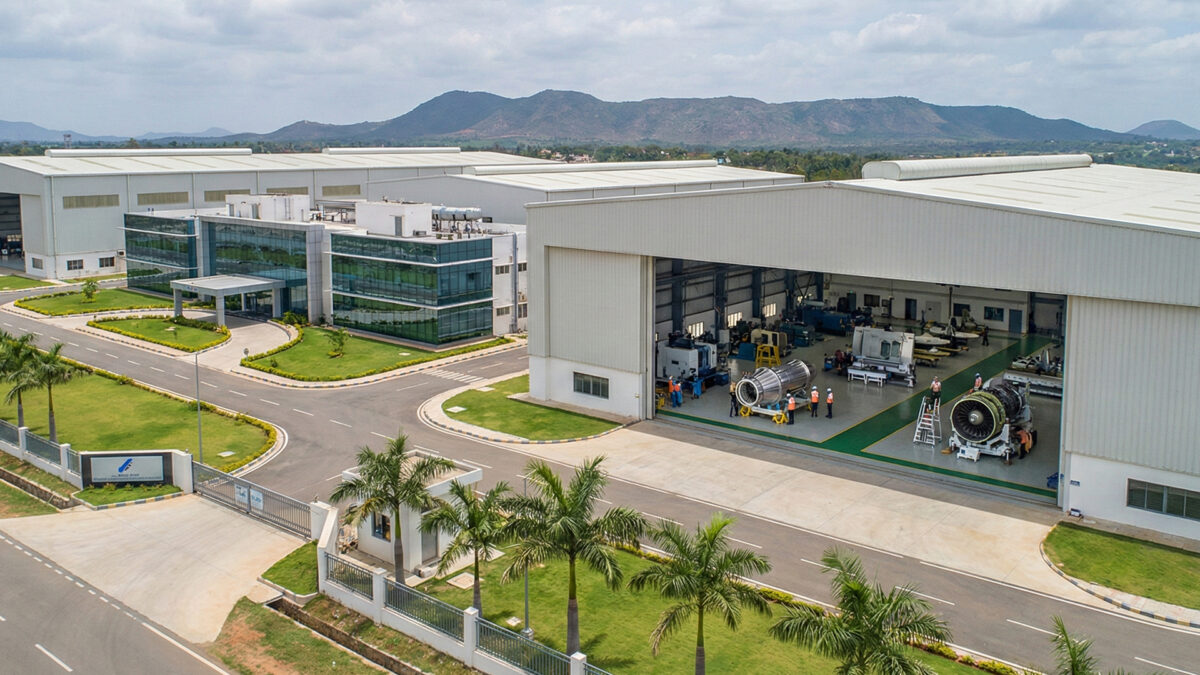
Aequs is an aerospace-parts manufacturer that supplies precision components to major global companies, including Airbus and Boeing. The company is known for operating a large, fully integrated aerospace manufacturing facility in Karnataka.

The price band for Aequs IPO is ₹118 to ₹124 per share. At this price, the company’s market value works out to about ₹8,316 crore. The issue includes a fresh issue of ₹670 crore and an offer-for-sale of ₹251.8 crore.

Market watchers say that the IPO has been attracting a strong grey-market premium (GMP), with some reports indicating a possible listing gain if market sentiment remains positive. Analysts say interest is high because India is becoming an important location for aerospace manufacturing, and Aequs is one of the few companies offering end-to-end production capabilities in this sector.

However, they also point out that the company has seen a dip in overall revenue recently, mainly due to weakness in its consumer products division. Even so, many believe the long-term outlook for Aequs’s core aerospace business remains strong.

The funds raised from the fresh issue will be used to repay debt, expand capacity, and support future growth plans.

The IPO will remain open for subscription until December 5.

Also Read: Meesho IPO fully subscribed on Day 1

Categories
Corporate

Meesho IPO fully subscribed on Day 1, GMP ₹49

Meesho, the social commerce platform, saw its initial public offering (IPO) fully subscribed on the first day of trading on 3 December 2025. The IPO drew strong interest, especially from retail investors, who accounted for the largest share of demand.

The IPO was priced between ₹105 and ₹111 per share, with each lot comprising 135 shares. By the end of Day 1, the retail portion was subscribed 3.1 times, while non-institutional investors (NIIs) applied for 1.23 times their allocation. Qualified institutional buyers (QIBs) showed limited interest, subscribing only 0.16 times.

In the grey market, Meesho shares traded at a premium of ₹49, indicating a potential listing price of around ₹160 per share. This points to a possible 44% gain for early investors if the stock opens at the grey market price.

Meesho has established itself as a low-cost, high-volume e-commerce platform targeting value-conscious customers, particularly in smaller cities and towns. The company has achieved cash-flow positivity in FY25, although it is not yet profitable overall. Analysts say Meesho’s large user base and high transaction volume give it strong growth potential, but consistent profitability will be key for long-term success.

Brokerages and market experts generally recommend subscribing for the IPO, citing Meesho’s scale and market position. At the same time, they advise caution, as the company’s ability to convert growth into profits remains uncertain.

Meesho’s IPO has generated strong investor interest, driven mainly by retail demand and buoyed by a high grey market premium. The debut highlights the popularity of e-commerce platforms in India and reflects investor confidence in companies with rapid growth and a wide market reach.

Also Read: AI leader Anthropic prepares for possible IPO in 2026