Categories
Corporate

Sensex slips over 350 pts at open, Nifty below 25,950

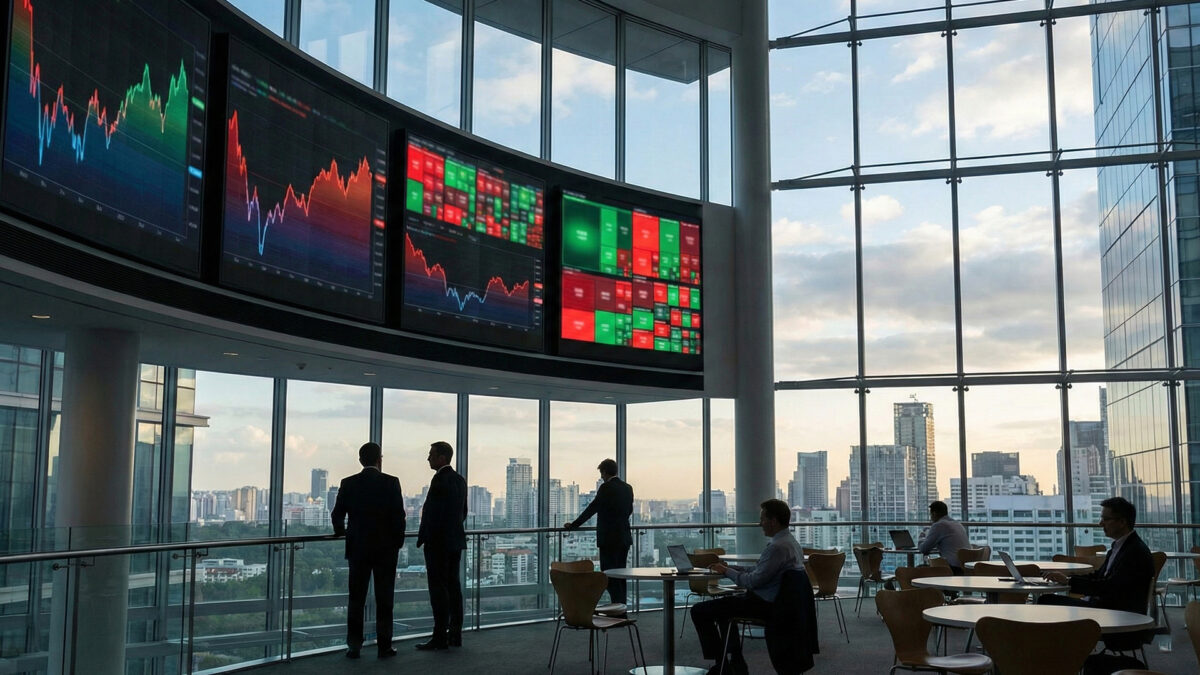
The markets opened lower on Tuesday, extending the cautious tone seen in recent sessions amid weak global cues and continued concerns around foreign fund outflows. At the opening bell, the BSE Sensex dropped over 350 points, while the NSE Nifty50 slipped below the 25,950 mark, indicating a risk-averse start to the trading day.

Early trade was marked by broad-based selling, with pressure visible across key sectors, particularly banking, financial services, and autos. Market breadth remained weak, with declines outpacing advances on both benchmark indices.

Among individual stocks, Eternal emerged as a major laggard in early deals, falling nearly 3 percent, weighed down by selling interest. Axis Bank also came under pressure, declining around 2.5 percent, dragging the banking index lower. Other frontline financial stocks traded subdued, reflecting investor caution toward the sector at the start of the session.

Auto and metal stocks also opened in the red, mirroring concerns over global growth and commodity demand. Export-oriented stocks showed mixed trends, tracking overnight movements in global markets and currency fluctuations.

On the positive side, gains were limited and stock-specific. Meesho and Adani Power opened higher, supported by selective buying and positive sentiment around company-specific developments. However, early gains in these stocks were insufficient to offset weakness in index heavyweights.

Investor sentiment at the open remained fragile amid continued foreign institutional investor selling, a soft rupee, and uncertainty surrounding global interest rate trajectories. Market participants are also cautious ahead of key economic data releases later in the week, which could influence near-term direction.

Also Read: Tesla Diner opens mini racetrack for kids in Hollywood

Categories
Corporate

Sensex falls 54 Points, Nifty ends at 26,000

The markets closed marginally lower on Monday, December 15, after posting gains in the previous two trading sessions. The BSE Sensex ended 54 points lower at 85,213, while the NSE Nifty 50 slipped about 20 points to close at 26,027. Despite the mild decline, the Nifty remained above the key 26,000 level, which traders see as an important short-term support.

The market faced selling pressure mainly from auto and financial stocks, as investors chose to book profits at higher levels. Weak global cues and continued selling by foreign institutional investors also kept sentiment subdued throughout the session.

Stock-specific movements were visible across sectors. InterGlobe Aviation (IndiGo) emerged as a key gainer, rising nearly 2%, supported by optimism around travel demand and business growth. On the other hand, Mahindra & Mahindra was among the top losers, falling close to 2%, which weighed on the auto index.

Other sectors showed mixed trends, reflecting uncertainty in the broader market. Banking and auto stocks underperformed, while select stocks from the aviation and consumer segments provided some support.

Global markets offered limited direction. Asian markets ended lower, while European markets traded with mild gains. US stock futures were slightly higher, but concerns over global economic growth, currency volatility, and geopolitical tensions continued to influence investor behaviour.

Foreign investors remained net sellers in Indian equities, adding to the cautious mood on Dalal Street. Market experts said that while India’s long-term growth outlook remains strong, short-term movements are likely to remain volatile.

Analysts believe that Nifty holding above 26,000 is crucial, and a clear breakout above this level could support further gains, while a slip below may trigger short-term weakness.

Also Read: Vodafone Idea may get 4–5 years to pay AGR dues

Categories
Corporate

Japanese bank Mizuho nears ₹5,900 cr Avendus acquisition

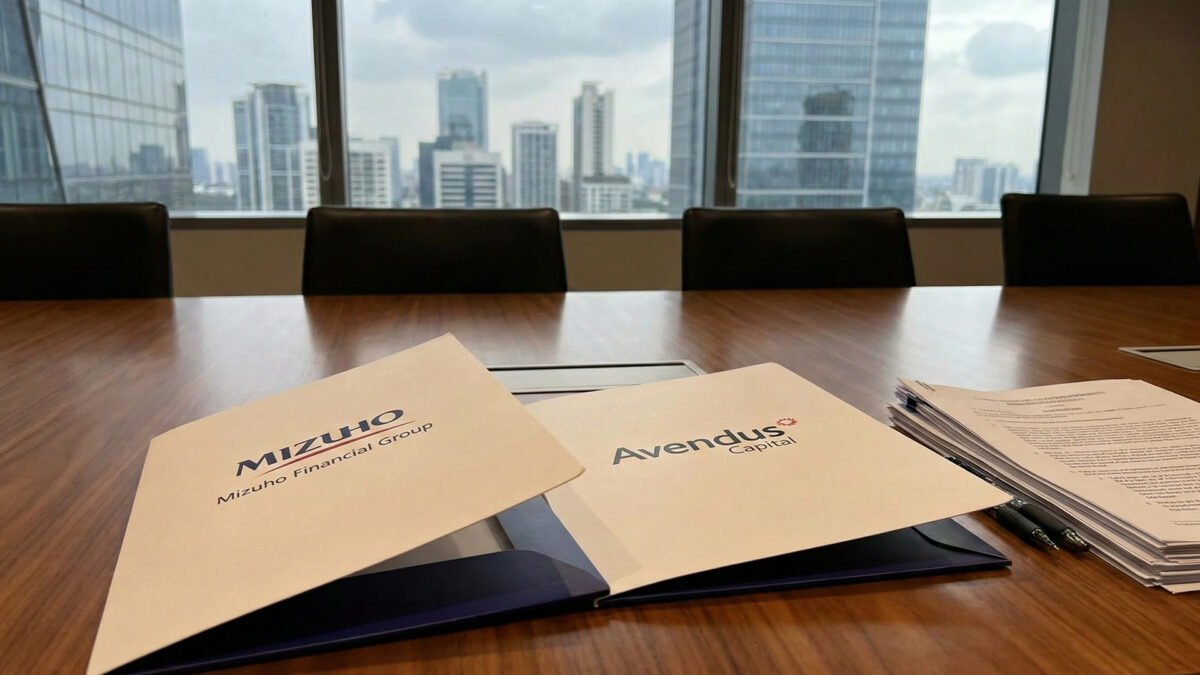
Japanese banking group Mizuho Financial is on the verge of completing its acquisition of a majority stake in Avendus Capital, one of India’s leading investment banks. The deal, valued at around ₹5,900 crore, is expected to be finalized this week, marking one of the largest foreign investments in India’s financial services sector.

The transaction involves KKR and other early investors exiting their holdings in Avendus. Post-acquisition, Mizuho is expected to hold approximately 65–70% of the company, while the remaining shares will stay with Avendus’ founders and a few local investors. Despite the change in majority ownership, the existing leadership at Avendus will continue managing day-to-day operations, ensuring business continuity. Mizuho will, however, gain significant influence through board representation and strategic input on the firm’s growth plans.

Discussions on the deal have been underway for several months, with both parties working closely to finalize terms, including valuation, governance, and management continuity. The Avendus board is expected to meet shortly to approve the transaction, clearing the final regulatory and corporate approvals needed for closure.

This acquisition forms a key part of Mizuho’s strategy to expand its footprint in India, a market it sees as high growth for investment banking, wealth management, and capital markets. By acquiring Avendus, Mizuho aims to strengthen its capabilities in advisory services, private equity, and asset management, leveraging the expertise and established client base of the Indian firm.

Industry experts note that the deal signals increasing confidence of foreign banks in India’s financial sector and reflects the growing trend of international investors seeking stakes in domestic investment banking firms. Once completed, this acquisition will not only enhance Mizuho’s presence in the country but also support Avendus’ growth ambitions, enabling it to compete more effectively with global and domestic peers.

Also Read: Prodocs Solutions lists at 4% premium on BSE SME

Categories
Corporate

Prodocs Solutions lists at 4% premium on BSE SME

Prodocs Solutions Limited began trading on the BSE SME platform with a positive start, as its shares were listed at a premium over the IPO issue price. The stock opened at ₹144 per share, compared with the issue price of ₹138, giving investors a gain of a little over 4 percent on listing day.

Buying interest remained strong after the opening. Within a short time, the share price rose further and reached the 5 percent upper circuit, which is the maximum price increase allowed for the day on the SME platform. Once the upper circuit was hit, the stock remained locked at that level, showing continued demand from investors.

The Prodocs Solutions IPO was open for subscription between December 8 and December 10. Shares were offered in a price band of ₹131 to ₹138, and the company raised around ₹27.6 crore through the public issue. The IPO received a good response and was subscribed close to three times, reflecting healthy interest from retail and other investors.

Prodocs Solutions is an IT-enabled services (ITES) and business process outsourcing (BPO) company. It mainly provides non-voice services, which do not involve customer calls. Its services include data processing, indexing, e-publishing, title search work, and support services related to legal and financial processes. The company largely serves overseas clients, especially in the United States and Australia, while its operational work is carried out from India.

The company’s financial performance has shown improvement in recent years. As per its disclosures, Prodocs Solutions reported a net profit of ₹5.11 crore in FY25. While revenue growth has been steady rather than rapid, better control over costs has helped improve profitability and strengthen the balance sheet.

Funds raised through the IPO will be used for several purposes. These include upgrading technology systems, developing software capabilities, meeting working capital needs and repaying some existing borrowings. The company believes these investments will help improve efficiency and support future growth.

Market experts said the positive listing performance indicates that investors continue to show interest in SME IPOs with stable operations and improving financials. Despite mixed conditions in the broader stock market, Prodocs Solutions’ debut highlights sustained confidence in well-managed small and medium-sized companies entering the public markets.

Also Read: IndiGo to pay ₹5 billion after flight cancellations

Categories
Corporate

SpaceX hits $800 billion valuation ahead of 2026 IPO

SpaceX, the private aerospace company founded and led by Elon Musk, has taken a significant step toward becoming a publicly traded company. A recent insider share sale has valued SpaceX at around $800 billion, highlighting strong investor confidence as the company prepares for an initial public offering (IPO) expected in 2026.

The share sale allows existing and new investors to purchase SpaceX stock at $421 per share, a price that reflects the company’s rapid growth and ambitious plans. Analysts suggest that the IPO could raise more than $25 billion, potentially pushing SpaceX’s valuation even higher, depending on market conditions. If the company executes its plans successfully, it could become one of the largest IPOs in history.

SpaceX’s soaring valuation is largely supported by its Starlink satellite internet business, which has been expanding quickly. Starlink currently provides internet services in multiple countries and is now planning direct-to-mobile connectivity, which could open a major new revenue stream. In addition, the company continues to make progress on its Starship rocket program, designed for ambitious missions to the moon, Mars, and potentially beyond. These innovations are key drivers behind the company’s strong market interest.

Despite the excitement, SpaceX executives have emphasized that the timing and final valuation of the IPO remain uncertain. Factors such as global market conditions, regulatory approvals, and the company’s operational milestones could influence the final launch. The insider sale, however, demonstrates a clear commitment to preparing the company for public investment.

Elon Musk’s leadership and vision have been central to SpaceX’s growth, from reusable rockets to global satellite internet. Going public would not only provide a new capital influx but also mark a historic moment in financial markets. For investors, the IPO represents a rare chance to participate in a company that is shaping the future of space travel and connectivity.

With its record valuation, technological innovations, and ambitious expansion plans, SpaceX is positioning itself to become a dominant force in both aerospace and the broader tech sector, attracting attention from investors and industry watchers worldwide.

Also Read: Elon Musk confirms SpaceX IPO in 2026

Categories
Corporate

Sensex down 260 points, Nifty slips near 25,950 in weak start

The equity benchmarks opened lower on Monday, reflecting a cautious start to the trading session. Both the Sensex and the Nifty slipped in early trade as investors reacted to weak global cues and avoided aggressive buying.

The Sensex declined by around 260 points, while the Nifty traded close to the 25,950 level. Selling pressure in key heavyweight stocks weighed on the benchmarks, keeping the overall market sentiment subdued during the early hours.

Weak global trends played a major role in shaping domestic market movement. US markets ended the previous session lower, while Asian stocks also traded in the red. This dampened risk appetite among investors and led to cautious trading in Indian equities.

On the stock-specific front, Shriram Finance, Asian Paints and Tech Mahindra were among the notable gainers, supported by selective buying. However, their gains were limited and insufficient to lift the broader indices.

On the losing side, ONGC, Cipla, Apollo Hospitals, Max Healthcare and Bharti Airtel faced selling pressure and emerged as key drags on the benchmarks. Losses in these large-cap stocks pulled the Sensex and Nifty further into negative territory.

Overall, the market mood remained cautious, with investors closely watching global cues and institutional flows for further direction during the session.

Also Read: Venezuela oil exports drop after US tanker seizure

Categories
Corporate

Shiprocket files revised papers for ₹2,342 crore IPO

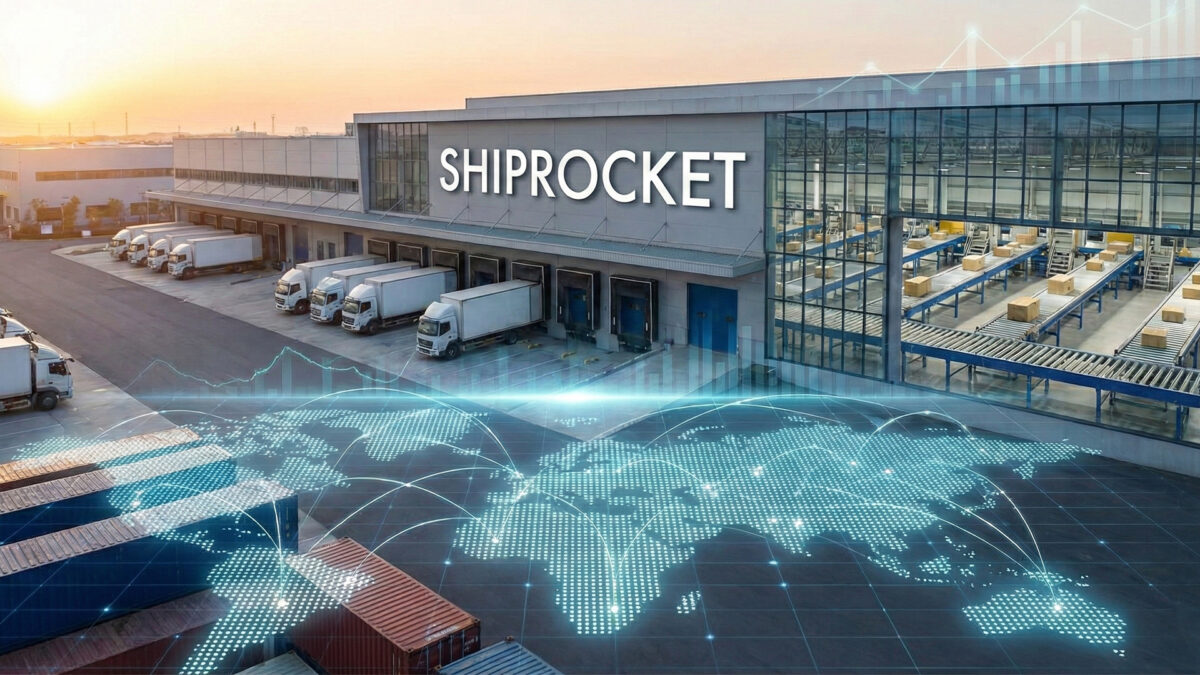
Logistics and e-commerce enablement startup Shiprocket has filed revised draft papers with market regulator SEBI to raise up to ₹2,342 crore through an initial public offering (IPO). The move brings the Gurugram-based company closer to listing on Indian stock exchanges.

The proposed IPO has two parts. It includes a fresh issue of shares worth up to ₹1,100 crore, which will provide new funds to the company. It also includes an offer for sale (OFS) of shares worth up to ₹1,242 crore, where existing shareholders will sell part of their stake. Shiprocket will not receive any money from the OFS portion.

Some of the company’s early and institutional investors are expected to sell shares in the IPO. These include well-known global investors such as Bertelsmann, Temasek and Tribe Capital, along with certain promoters.

Founded in 2017, Shiprocket offers technology-driven logistics services to online sellers, small businesses and direct-to-consumer (D2C) brands. Its platform helps merchants manage shipping, deliveries, returns and multiple courier partners across India. Over the years, the company has grown by expanding its services and making acquisitions to strengthen its position in the e-commerce supply chain.

The company plans to use the money raised from the fresh issue to upgrade its technology systems, expand its services, boost marketing efforts, and repay or reduce existing debt. Part of the funds may also be used for future acquisitions and general corporate needs.

The revised filing follows an earlier confidential submission to SEBI. Shiprocket’s IPO is expected to attract attention as more technology startups prepare to enter the public markets, even as investors focus on profitability and long-term growth.

Further details such as the IPO launch date, price band and final size will be announced after regulatory approval.

Also Read: Venezuela oil exports drop after US tanker seizure

Categories
Corporate

Prada ties up with Indian Kolhapuri artisans

Luxury fashion brand Prada has announced that it will launch a special collection of sandals inspired by India’s traditional Kolhapuri chappals, with production taking place in India. The collection is expected to be released globally in February 2026, following months of criticism over the brand’s earlier designs.

The controversy began when Prada showcased leather sandals during its Milan fashion show that closely resembled Kolhapuri chappals, a handcrafted footwear style that holds Geographical Indication (GI) status in India. The absence of any reference to Indian artisans or cultural origins led to public backlash, with critics accusing the brand of copying traditional designs without giving due credit.

In response, Prada entered into an agreement with Indian leather development bodies LIDCOM (Maharashtra) and LIDKAR (Karnataka). Under this partnership, around 2,000 pairs of sandals will be handmade in India by local artisans. Each pair is expected to be priced at about $930 (approximately ₹84,000) and sold through select Prada stores and online platforms worldwide.

The company said the initiative aims to combine traditional Indian craftsmanship with modern luxury design. It will also include skill-development programmes for artisans and opportunities for select craftspeople to engage with Prada’s design teams in Italy.

Prada has acknowledged the cultural roots of Kolhapuri chappals and said the collaboration is intended to promote traditional Indian footwear on a global stage. However, some artisan groups and industry observers have raised concerns about pricing, profit-sharing, and long-term benefits for local craftsmen.

The episode has once again highlighted the growing debate around cultural appropriation, intellectual property rights, and fair recognition of traditional crafts in the global fashion industry.

Also Read: 3 US lawmakers move to end 50% India tariffs

Categories
Corporate

SEBI clears Pranav Adani in Adani Green insider trading case

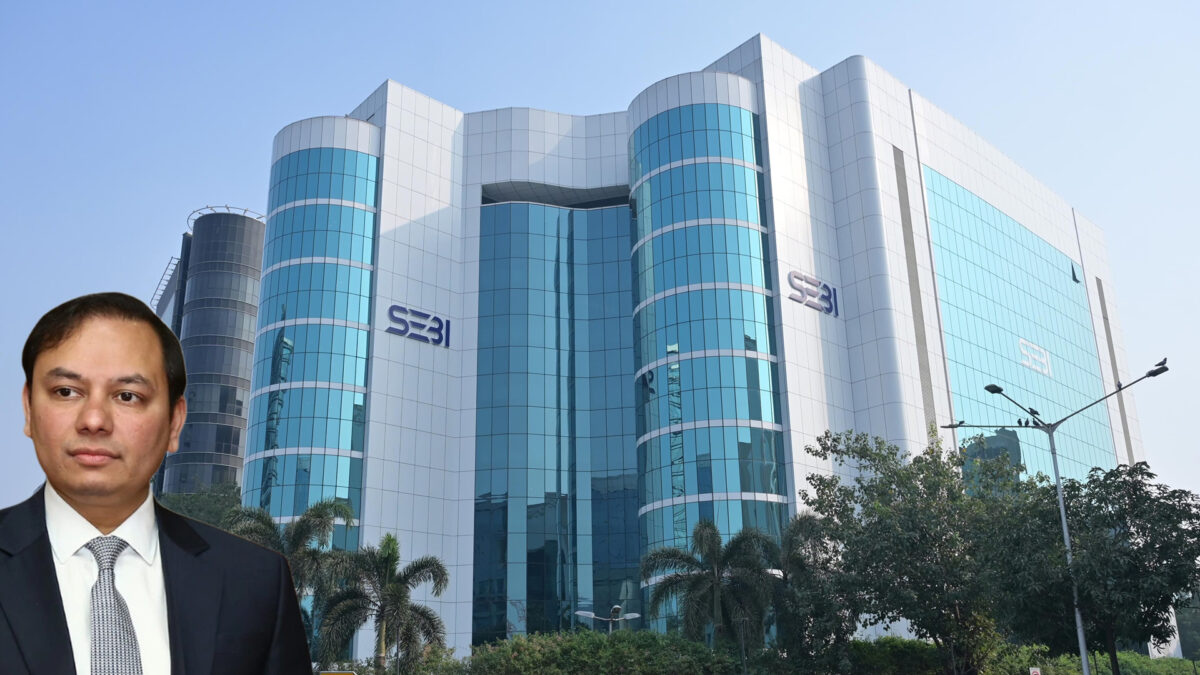
The Securities and Exchange Board of India (SEBI) has cleared Pranav Adani and two of his relatives of insider trading allegations linked to share transactions in Adani Green Energy Ltd (AGEL). The case pertained to trading activity that occurred ahead of AGEL’s acquisition of SB Energy in 2021.

Pranav Adani, a director in several Adani Group companies and the nephew of group chairman Gautam Adani, was accused of allegedly sharing unpublished price-sensitive information (UPSI) related to the SB Energy deal. SEBI had also examined whether his relatives, Kunal Dhanpalbhai Shah and Nrupal Dhanpalbhai Shah, traded AGEL shares using such confidential information.

In its final order, SEBI said it found no material evidence to substantiate the allegations. The regulator stated that there was nothing on record to indicate that Pranav Adani had communicated any non-public information to the two relatives. It also concluded that the trades carried out by the Shahs could not be linked to insider knowledge.

SEBI observed that key details of the SB Energy acquisition were already available in the public domain before the trades under scrutiny were executed. As such, the information did not qualify as unpublished price-sensitive information under insider trading norms.

The regulator further noted that the timing and pattern of the share transactions did not suggest any misuse of confidential information. Based on these findings, SEBI dismissed the show-cause notice issued in November 2023 and dropped all proceedings against the three individuals.

No penalties, restrictions, or further regulatory directions were imposed. The order effectively brings the insider trading investigation related to the Adani Green Energy–SB Energy transaction to a close.

The SB Energy acquisition was among the largest renewable energy deals in the country at the time and played a key role in expanding Adani Green Energy’s clean power portfolio. SEBI’s decision provides regulatory closure to the case and relief to Pranav Adani and his family members after months of regulatory scrutiny.

Also Read: Ozempic debuts in India for type 2 diabetes

Categories
Corporate

Ozempic debuts in India for type 2 diabetes

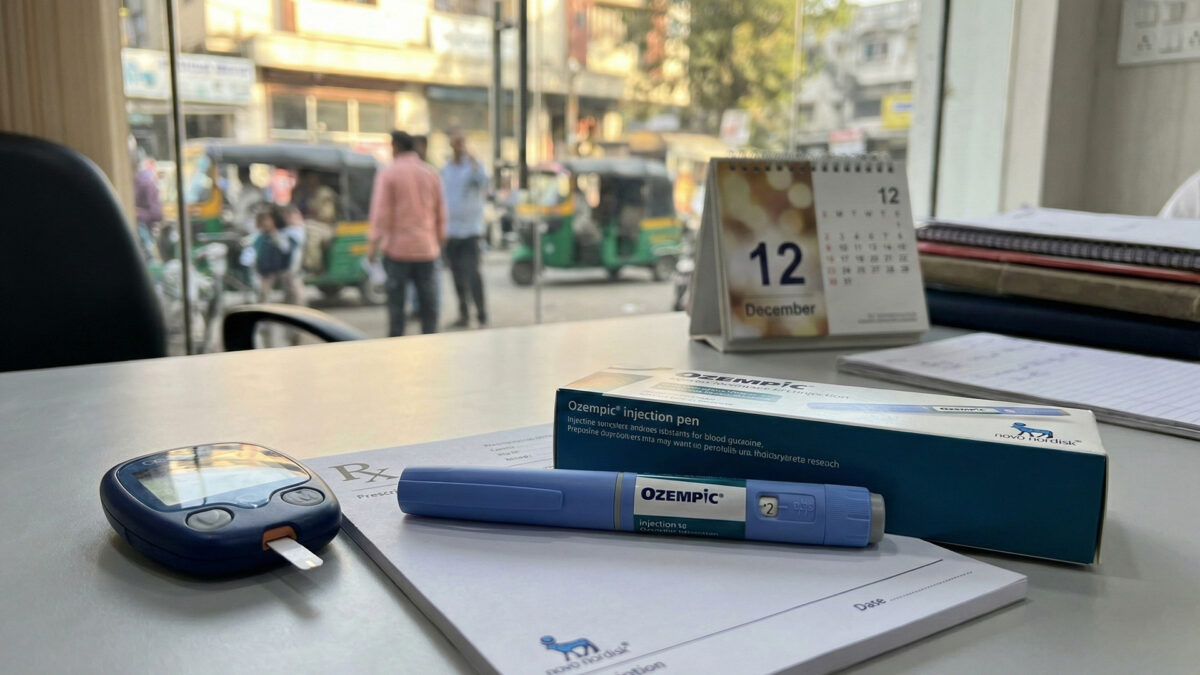
Global pharmaceutical company Novo Nordisk has launched Ozempic, a once-weekly injectable medicine for Type 2 diabetes, in India, expanding treatment options for millions of patients struggling to manage blood sugar levels. The drug contains semaglutide, a next-generation therapy already widely used in several countries.

Ozempic works by mimicking a natural hormone that helps the body release insulin when blood sugar levels are high. It also reduces the amount of sugar produced by the liver and slows digestion, leading to better glucose control. In addition, the medicine acts on the brain’s appetite centres, helping patients feel full for longer. While this effect has drawn attention globally for weight reduction, in India the drug has been approved specifically for managing Type 2 diabetes.

One of Ozempic’s key advantages is its once-a-week dosing, delivered through a pre-filled injection pen. Doctors say this can make treatment easier for patients who find daily injections difficult to maintain. The treatment begins with a 0.25 mg starter dose, mainly to help the body adjust. Depending on the patient’s condition, the dose may later be increased to 0.5 mg or 1 mg, strictly under a doctor’s guidance.

The starting dose costs about ₹2,200 per week, or roughly ₹8,800 per month, with higher doses priced above this level. Medical experts point out that affordability could be a concern for long-term use, especially since diabetes is a chronic condition requiring sustained treatment.

India has one of the world’s largest populations living with diabetes, and the number continues to rise due to sedentary lifestyles, dietary habits, and obesity. Specialists believe Ozempic could benefit patients whose blood sugar levels remain uncontrolled despite standard oral medicines or insulin therapy.

Doctors, however, stress that Ozempic is not a standalone solution. It must be used alongside lifestyle changes such as healthy eating, regular physical activity, and routine monitoring of blood sugar. Some patients may experience side effects like nausea or stomach discomfort, particularly in the early weeks of treatment, making medical supervision essential.

With the launch of Ozempic, India’s diabetes care space is seeing a shift towards advanced injectable therapies. While the drug brings new hope for improved disease control, experts emphasise responsible prescribing and informed patient use to ensure both safety and long-term benefits.

Also Read: Rupee falls 9 paise, hits record low of ₹90.41