Categories
Corporate

Sensex jumps over 1,300 points, Nifty surges past 24,200 on global cues

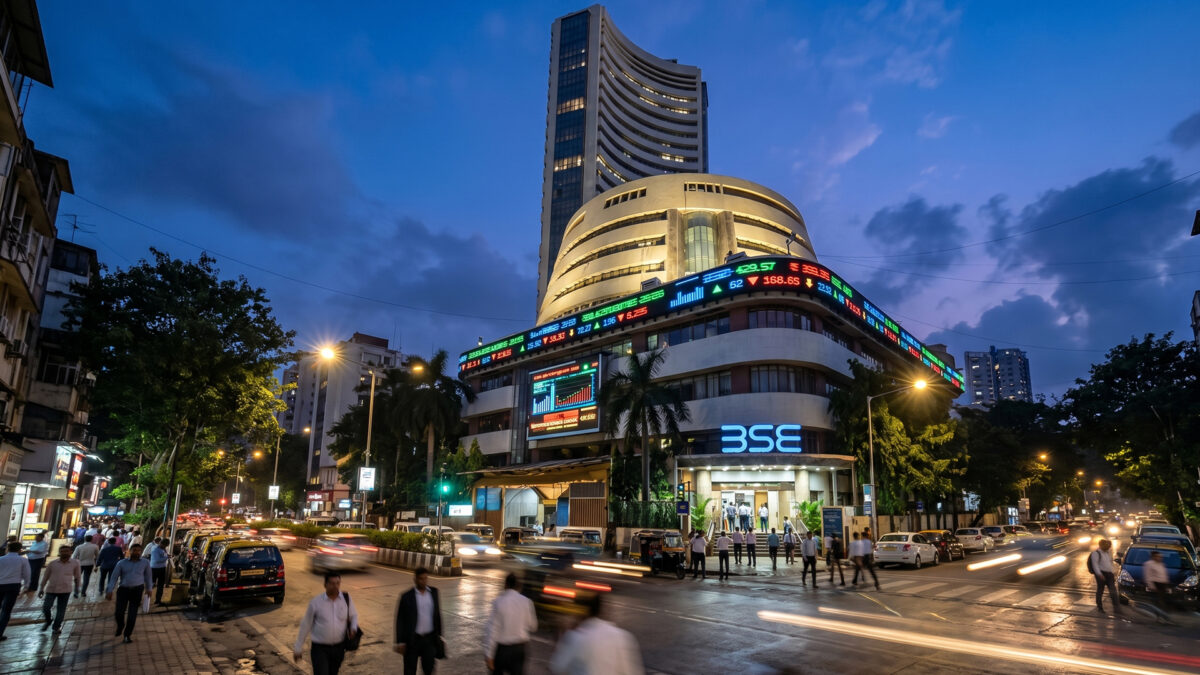
Indian stock markets witnessed a strong rally on April 15, 2026, as benchmark indices surged sharply in early trade and sustained gains throughout the session. The upside was driven by positive global cues, easing geopolitical tensions, and a decline in crude oil prices, which boosted investor risk appetite across sectors.

The GIFT Nifty signalled a firm gap-up opening, which was reflected in domestic markets as both the Sensex and Nifty opened significantly higher. The Sensex surged by more than 1,300 points during intraday trade, while the Nifty 50 climbed above the 24,200 mark, maintaining a strong upward trajectory through the session.

Market sentiment improved following renewed hopes of US–Iran peace negotiations, which led to Brent crude slipping below the $100 per barrel level. This easing in oil prices helped reduce inflation concerns and improved expectations of stable corporate earnings. Additional support came from steady foreign institutional investor inflows and positive global equity trends.

Sector-wise, buying was broad-based, with financial services, banking, IT, metals, and PSU banks leading gains. Realty and auto also saw healthy traction, while FMCG and some defensive sectors lagged slightly amid profit booking. Mid-cap and small-cap stocks outperformed large caps, reflecting strong participation from retail investors.

Heavyweight stocks such as HDFC Bank, Reliance Industries, ICICI Bank, Infosys, and NTPC were among the key contributors to the index rally. However, some profit booking was seen in select auto and financial names.

According to market data, HDFC Life, Adani Enterprises, ICICI Bank, NTPC, and Tata Motors Passenger Vehicles were among the top gainers on the Nifty. On the other hand, stocks like Maruti Suzuki, Eicher Motors, Reliance Industries, Bajaj Finance, and InterGlobe Aviation were among the major laggards during the session.

Also Read: IBM settles US case over DEI practices

Categories
Corporate

IBM settles US case over DEI practices

IBM has agreed to pay $17 million to settle a case brought by the U.S. Department of Justice over its diversity, equity and inclusion (DEI) practices.

The settlement resolves allegations that the company used hiring and promotion policies that considered factors such as race, gender, and national origin in ways that violated federal anti-discrimination rules tied to government contracts. The DOJ also claimed that some DEI-related programs and bonuses were linked to diversity targets.

IBM has denied any wrongdoing, and the settlement does not include an admission of liability. The company said it was pleased to resolve the matter and reiterated that its hiring approach is based on skills and business needs.

The case is part of a wider crackdown by U.S. authorities on corporate DEI programmes, particularly within companies that receive federal funding or work on government contracts. Officials have argued that such programmes must comply strictly with anti-discrimination laws.

As part of the resolution, IBM has agreed to pay the penalty and make changes to certain internal practices. The government said the case was handled under a civil rights enforcement initiative aimed at ensuring compliance with federal rules.

The settlement marks one of the more high-profile actions involving a major technology company and highlights growing legal and political scrutiny around DEI policies in corporate America.

While IBM maintains that it acted lawfully, the case underscores how companies are increasingly being required to reassess workplace diversity initiatives to align with evolving regulatory expectations.

Also Read: Microsoft to end Outlook Lite app

Categories
Corporate

Adani Green tops ESG rankings

Adani Green Energy Limited has emerged as the top-ranked Indian company on ESG (environmental, social, and governance) parameters, with a score of 87.3—the highest in the country.

The rating was given by CareEdge ESG Ratings Limited, which also assigned the company its top ‘ESG 1+’ grade. This reflects strong performance across areas like environmental impact, social responsibility, and corporate governance.

The company scored well for its efforts in managing climate risks, conserving water, reducing waste, and protecting biodiversity. It also stood out for maintaining transparency and strong internal systems to oversee operations.

ESG ratings have become increasingly important for investors, as they show how responsibly a company operates beyond just profits. A higher score often makes it easier for companies to attract global investment and access funding focused on sustainability.

For Adani Green, this recognition highlights its focus on clean energy and responsible growth. As one of India’s leading renewable energy companies, it has been expanding its projects while keeping sustainability at the centre of its strategy.

The achievement also reflects a broader shift towards more environmentally conscious business practices in India. Companies are now being evaluated not just on financial performance, but also on how they impact the environment and society.

Adani Green said the rating validates its long-term approach and ongoing efforts to build a sustainable business. The company has been working on improving efficiency, reducing environmental impact, and strengthening governance practices.

Also Read: Travel platform data breach exposes user details

Categories
Corporate

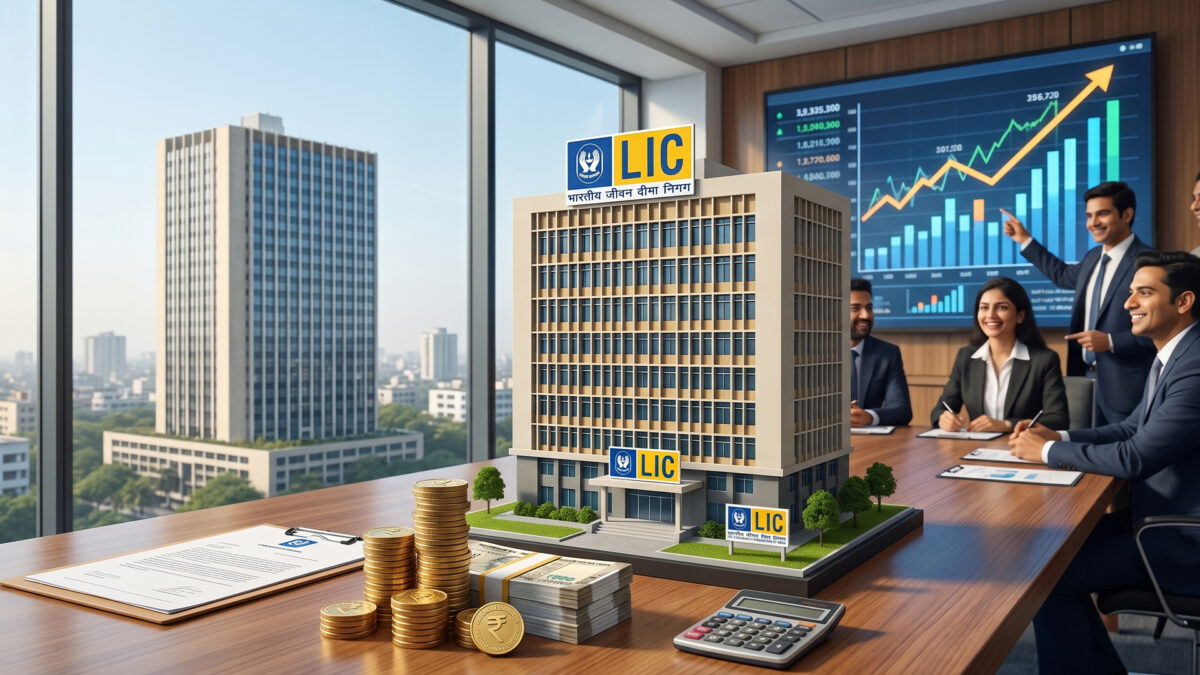
LIC board announces 1:1 bonus shares

Life Insurance Corporation of India (LIC) has announced its first-ever bonus share issue since it was listed on the stock market, offering a 1:1 bonus to its shareholders.

In simple terms, investors will receive one additional share for every share they currently hold, at no extra cost. The decision was approved by LIC’s board and is being seen as a move to reward its large base of shareholders.

The company is yet to announce the record date, which will decide which shareholders are eligible for the bonus shares. Once issued, the total number of shares held by investors will double, although the overall value of their investment will remain the same at the start.

This is the first time LIC has announced a bonus issue since its listing, making it a significant step for the company. It reflects confidence in its financial strength and future growth prospects.

The move is also expected to make LIC’s stock more accessible. With more shares available in the market, trading activity could increase, and smaller investors may find it easier to buy the stock.

Bonus issues are generally seen as a positive signal by the market, as they show that a company is comfortable with its reserves and willing to reward shareholders. It can also improve investor sentiment and attract more participation over time.

While the bonus shares do not immediately increase the value of an investor’s holdings, they can benefit shareholders in the long run if the company continues to perform well.

Also Read: ICICI Pru AMC profit at ₹763 cr in Q4

Categories
Corporate

ICICI Pru AMC profit at ₹763 cr in Q4

ICICI Prudential Asset Management Company reported a mixed set of results for the January–March quarter, with strong revenue growth but a decline in profit compared to the previous quarter.

The company posted a net profit of ₹763 crore in Q4. While this is higher than the same period last year, profit fell by around 16–17% compared to the previous quarter, reflecting some pressure from changing market conditions.

On the positive side, revenue saw a strong jump of about 23% year-on-year. This growth was driven by steady inflows into mutual funds and increased participation from retail investors. More people investing in equity and other funds helped boost the company’s earnings during the quarter.

The firm also saw improvement in its overall operations, with profit before tax crossing the ₹1,000 crore mark. This indicates that the core business remains strong despite short-term fluctuations.

Another highlight was the announcement of a dividend of ₹12.4 per share, signalling confidence in its financial health and future outlook.

The company has been benefiting from a growing interest in mutual funds across India, as more investors look beyond traditional savings options. This trend has helped increase its assets under management and supported steady revenue growth.

However, the quarter-on-quarter dip in profit shows that the business is still influenced by market movements and investor behaviour, which can change over short periods.

Also Read: IKS healthcare in talks for $600 mn TruBridge acquisition

Categories
Corporate

IKS healthcare in talks for $600 mn TruBridge acquisition

IKS Healthcare, a health-tech company backed by the family of late investor Rakesh Jhunjhunwala, is in talks to acquire US-based TruBridge for around $600 million. The potential deal, if finalised, would be one of the largest moves by the company as it looks to grow its presence in the United States.

IKS Healthcare provides technology and administrative support services to healthcare providers, helping them manage operations like billing and patient data. By acquiring TruBridge, the company hopes to strengthen its offerings, especially in serving hospitals and healthcare systems in the US.

TruBridge is known for providing healthcare IT solutions and revenue cycle management services, particularly to smaller and mid-sized hospitals. The acquisition could help IKS expand its client base and build a more comprehensive range of services by combining the strengths of both companies.

Reports suggest that IKS is planning to fund the deal through an all-cash transaction and is in discussions with global banks to raise financing. The funds would likely be used not only for the acquisition but also to manage TruBridge’s existing debt.

However, the deal is not yet final. IKS has clarified that discussions are ongoing and that no binding agreement has been signed so far. This means the acquisition is still subject to negotiations, regulatory approvals, and other conditions.

The move reflects a broader trend in the healthcare technology sector, where companies are expanding through acquisitions to scale up and stay competitive. For IKS, entering deeper into the US market could open up new growth opportunities and strengthen its position globally.

If the deal goes through, it would mark a significant milestone for the company and highlight the growing ambitions of Indian health-tech firms on the global stage.

Also Read: PPF plan builds ₹1 crore, ₹61,000 income

Categories
Corporate

HSBC sees strong upside in ACME Solar, Clean Max

HSBC has taken a positive view on India’s renewable energy sector, initiating buy ratings on ACME Solar Holdings and Clean Max Enviro Energy Solutions, and highlighting strong upside potential in select green energy stocks.

The brokerage expects ACME Solar Holdings to benefit from India’s rapid expansion in solar and hybrid power capacity. It has assigned a buy rating with an estimated upside of around 28%, driven by rising corporate demand for clean electricity and supportive policy measures.

Shares of ACME Solar saw renewed investor interest after the coverage update, reflecting growing market confidence in large-scale renewable developers.

HSBC is also upbeat on Clean Max Enviro Energy Solutions, a leading supplier of renewable power to commercial and industrial clients. The company, which is preparing for its upcoming IPO, is seen as well-placed to tap rising demand from businesses shifting toward sustainable energy sources.

Clean Max operates in the fast-growing corporate green power segment, where long-term contracts with large firms provide steady revenue visibility. The brokerage believes this model, combined with India’s energy transition push, could support strong growth ahead.

Also Read: China, Iran use economy as tool in US rivalry

Categories
Corporate

Sensex falls below 700 points, Nifty below 23,900

Indian equity markets ended sharply lower on April 13, 2026, with benchmark indices extending losses amid weak global cues, rising crude oil prices, and continued foreign investor selling.

The Sensex dropped around 700 points, while the Nifty slipped below the 23,900 level, reflecting broad-based selling pressure across sectors. Market breadth stayed weak, with declining stocks far outnumbering gainers.

Sector-wise, FMCG, IT, energy, auto, and oil & gas stocks were among the major losers, each slipping around 1% or more. Heavyweight stocks in these sectors dragged the indices lower, adding to overall market weakness. Mid-cap and small-cap stocks also declined, showing that selling pressure was widespread and not limited to large-cap names.

On the other hand, select banking stocks and a few auto counters managed to hold up better, offering limited support to the market, though not enough to offset the broader decline.

Market sentiment was pressured by rising global uncertainty, particularly concerns around geopolitical tensions and their impact on crude oil prices. Higher oil prices raised worries about inflation and potential tightening in financial conditions.

Foreign institutional investors (FIIs) remained net sellers, continuing their recent trend of outflows from Indian equities. This sustained selling added further pressure on already fragile market sentiment.

Currency movements and bond yields also stayed under watch, with a weaker rupee and firm yields contributing to cautious trading behaviour among investors.

While earlier sessions had seen intermittent recoveries led by banking and IT stocks, the broader trend remains volatile as global risks continue to dominate sentiment.

Also Read: XChat to launch on iOS

Categories
Corporate

Bajaj Housing shares dip 3% as 25% lock-in ends

Shares of Bajaj Housing Finance saw a decline after the end of a key lock-in period, which has now allowed a large number of shares to be traded freely in the market.

With the lock-in expiry, nearly 25% of the company’s total shares—worth over ₹17,000 crore—have become available for trading. This sudden increase in supply has made investors cautious, as it could lead to selling by early investors and large shareholders.

Even though not all shareholders may sell immediately, the possibility itself has affected market sentiment. As a result, the stock price slipped as investors reacted to the increased supply of shares.

Lock-in periods are common after a company goes public. During this time, certain investors are restricted from selling their shares. Once the period ends, those shares can be traded, often leading to short-term ups and downs in stock prices.

Despite the recent dip, the company’s overall business performance remains strong. Bajaj Housing Finance has shown steady growth in its loan business and continues to expand its presence in the housing finance sector.

However, some analysts believe the stock is priced on the higher side compared to others in the same industry, which is adding to investor caution.

Another point of attention is the promoter stake. The promoters still hold a significant share in the company, and any future stake sale to meet regulatory norms could further influence the stock.

Also Read: Delhi Metro upgrades old trains with new features

Categories
Corporate

Sensex drops over 1200 points, Nifty slips Below 23,600

Indian stock markets saw a sharp decline on April 13, 2026, with benchmark indices coming under heavy pressure amid weak global cues. The Sensex dropped over 1,200 points to hover around 73,000, while the Nifty 50 slipped below 23,600, reflecting a broad-based sell-off across sectors.

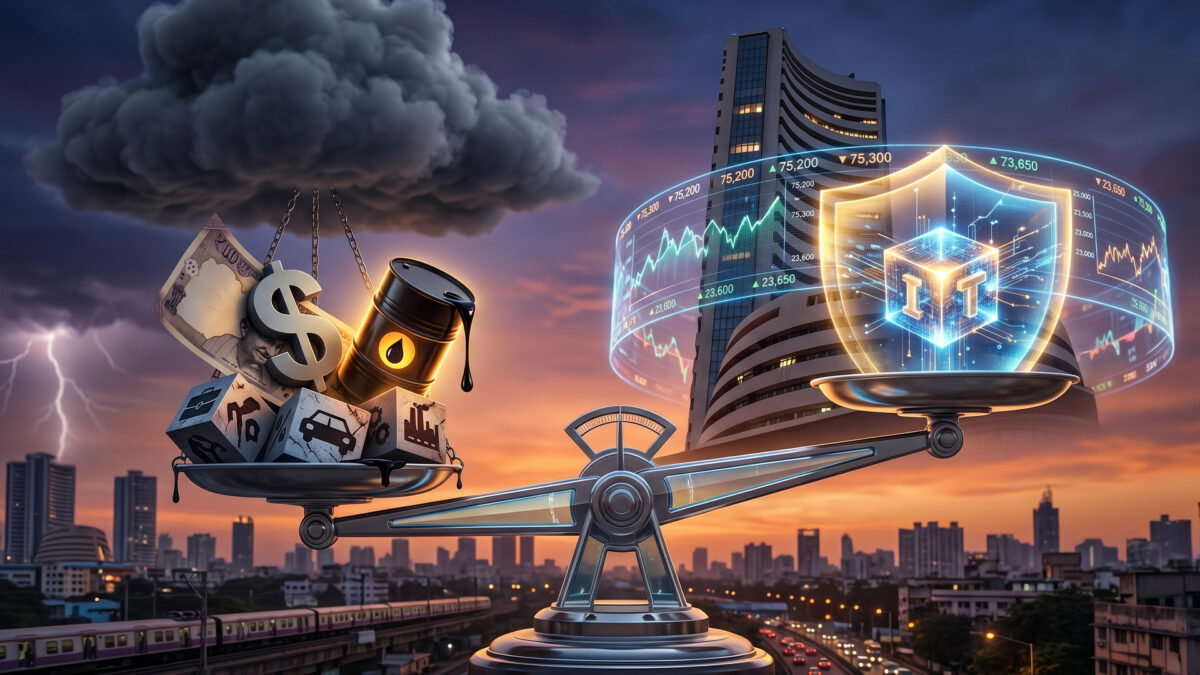
The downturn was mainly triggered by rising geopolitical tensions in the Middle East after talks between the United States and Iran broke down. This pushed crude oil prices above $100 per barrel, raising concerns for India, which relies heavily on oil imports. Higher oil prices increase inflation risks and can impact corporate earnings, making investors cautious.

Heavyweight stocks such as Reliance Industries, HDFC Bank, and ICICI Bank were among the biggest losers, pulling the indices lower. Selling pressure was visible across banking, financial, and energy stocks, while only a few defensive names showed some resilience, particularly in IT and FMCG spaces.

Foreign institutional investors (FIIs) continued to offload Indian equities, adding to the negative sentiment. The sustained outflows in recent sessions have weighed heavily on market momentum. At the same time, the Indian rupee weakened against the US dollar, further dampening investor confidence.

Signals of a weak start were already visible before the market opened, with GIFT Nifty falling more than 300 points. Rising bond yields and profit booking after last week’s gains also contributed to the decline.

The broader market followed suit, indicating that the sell-off was not limited to large-cap stocks. Midcap and smallcap stocks also faced pressure as investors turned risk-averse.