Categories
Corporate

Sensex surges 500 points, Nifty crosses 23,100

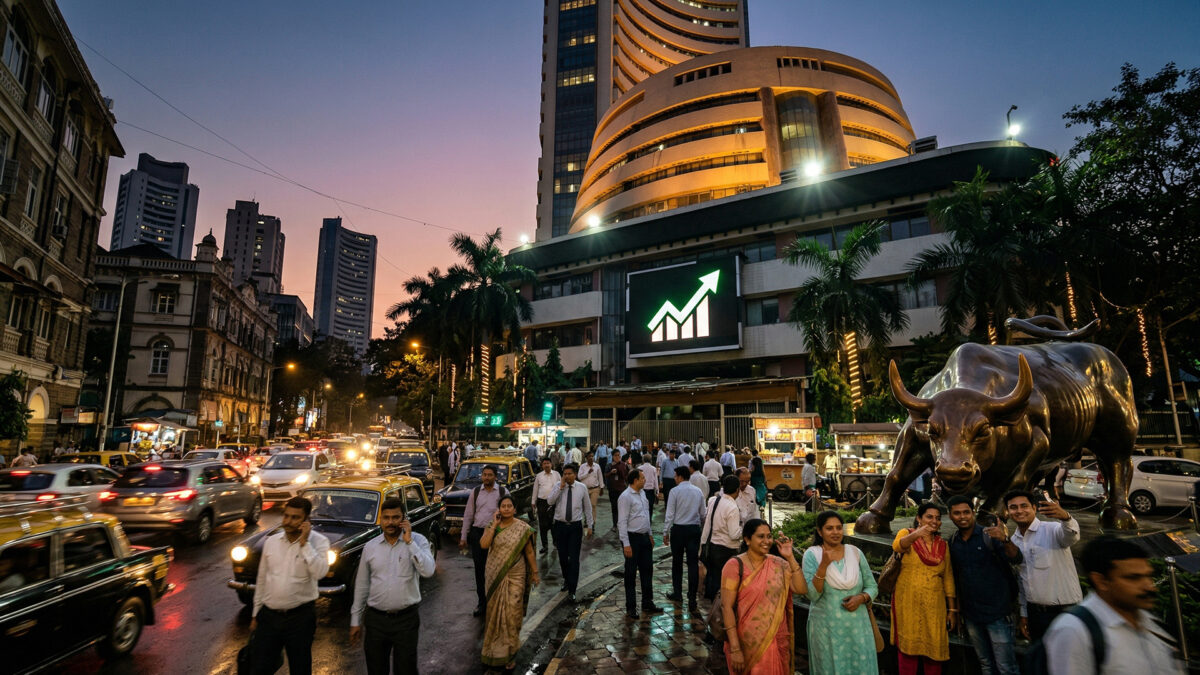
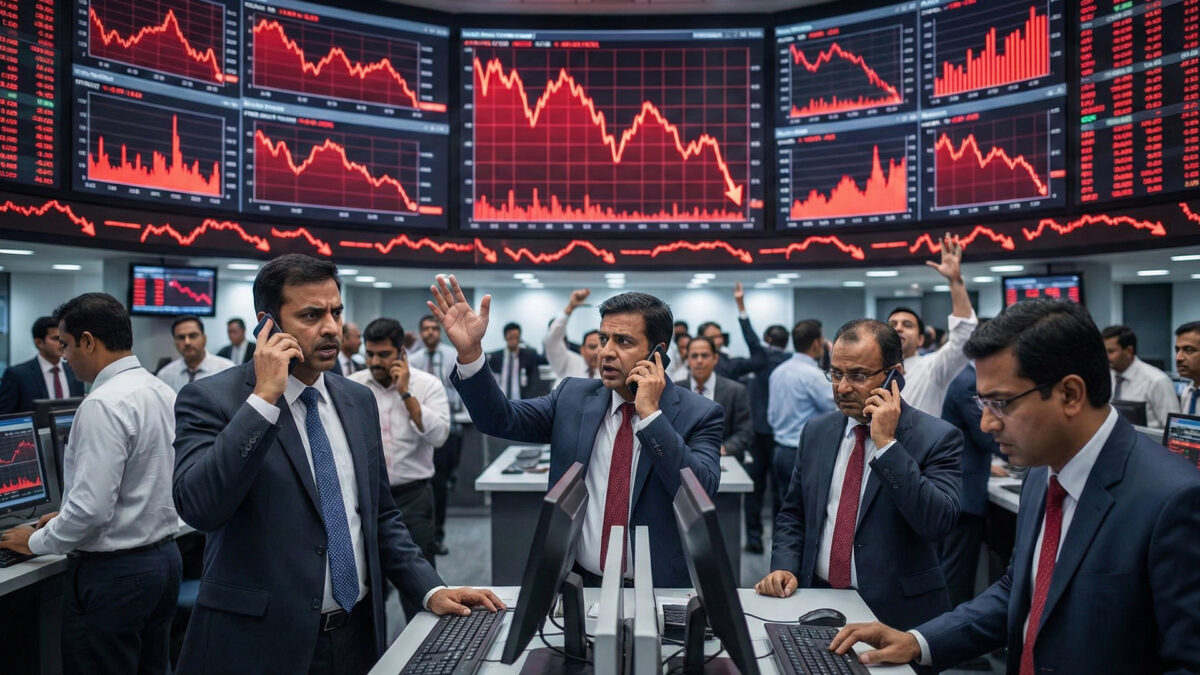
After a turbulent start driven by geopolitical tensions and firm crude oil prices, Indian equity markets staged a strong recovery. The BSE Sensex closed up 509.7 points at 74,616, while the Nifty 50 ended 155.4 points higher at 23,123.65, marking the fourth consecutive session of gains. Both indices had plunged early in the day, with the Sensex touching an intraday low of 73,282 and Nifty dipping below 22,750, before recovering in late trade.

Markets opened lower as concerns over US–Iran tensions and elevated crude oil prices above $110 per barrel triggered risk-off sentiment. Profit-booking and selective selling in heavyweights weighed on the early session. However, a strengthening rupee, technical support at key levels, and optimism ahead of upcoming quarterly earnings fueled a turnaround.

Sectoral trends were mixed. The IT, metals, and realty sectors led the rally, posting gains of 1–3%, while PSU banks and consumer durables lagged. Broad buying in large-cap technology and metal stocks helped the benchmarks recover from early losses, with midcap stocks showing moderate gains and smallcaps ending mostly flat.

Among gainers, HCL Technologies led IT strength, rising about 4% from day’s lows. Tata Consultancy Services and Infosys jumped over 3%, while Bajaj Finserv, Bharti Airtel, and metals like Tata Steel and NTPC rose 2–3%, benefiting from strong sectoral buying.

On the losers side, Jubilant Foodworks fell more than 10% despite positive revenue growth due to profit-booking. Sun Pharma, Voltas, and several consumer durables counters saw weakness, while PSU banks underperformed, keeping overall market breadth cautious.

Market participants noted that while the session began with heightened volatility due to crude and geopolitical pressures, selective accumulation in large-cap stocks, optimism around corporate earnings, and technical support near key levels enabled a strong intraday recovery. Investors are keeping a close watch on macroeconomic cues, upcoming RBI policy announcements, and quarterly earnings to gauge near-term market direction.

Categories
Corporate

JSA boosts team with senior hires

JSA Advocates & Solicitors has strengthened its corporate practice by hiring three senior partners from CMS IndusLaw. The new partners—Siddharth Manchanda, Rashi Saraf and Minhaz Lokhandwala—bring strong experience in mergers and acquisitions, private equity and venture capital.

They are joining JSA along with a team of associates, adding depth to the firm’s deal-making capabilities. The hires will be based in Mumbai and Bengaluru, key hubs for corporate legal work.

This move is part of JSA’s broader strategy to expand its corporate advisory services and handle more complex transactions in India’s growing and competitive legal market.

Categories
Corporate

Sensex falls 700 points, Nifty slips below 22,800

Markets came under pressure on tuesday with both the Sensex and Nifty falling sharply in early trade. The Sensex dropped more than 700 points, while the Nifty slipped below the 22,800 level, as investors turned cautious after a recent rally.

The decline follows three straight sessions of gains, pointing to profit booking by investors. At the same time, global concerns are back in focus. Rising tensions involving Iran and fresh warnings from the United States have pushed crude oil prices above $110 per barrel. For an oil-import-dependent country like India, this raises concerns about inflation and economic stability.

Most sectors were trading in the red, with auto and banking stocks leading the losses. Higher fuel prices and uncertainty around interest rates weighed on investor sentiment. Broader markets also remained weak, as midcap and smallcap stocks saw selling pressure, reflecting a risk-off approach.

Among individual stocks, CreditAccess Grameen and Kalyan Jewellers stood out as gainers, supported by positive business updates and investor optimism. In contrast, Jubilant FoodWorks was among the key losers after reporting disappointing quarterly performance. Aviation and travel-related stocks also declined, as rising fuel costs are expected to impact margins and profitability.

Foreign institutional investor (FII) activity remains another area of concern. Continued volatility in global markets, along with rising bond yields, has made investors more cautious. Uncertainty around the timing of global interest rate cuts is also adding to the nervousness.

Meanwhile, the Reserve Bank of India is keeping a close watch on currency movements, especially after the rupee’s recent weakness. Any further global shocks could influence both currency and equity markets.

Also Read: Musk links SpaceX IPO to Grok subscriptions

Categories
Corporate

Musk links SpaceX IPO to Grok subscriptions

Elon Musk is making headlines with an unusual request ahead of SpaceX’s planned IPO. Reports suggest that major banks hoping to take part in the stock offering must first subscribe to Grok, the artificial intelligence platform created by Musk’s company xAI.

This move is unusual because banks normally don’t have to use a company’s product to participate in an IPO. By tying Grok subscriptions to IPO involvement, Musk appears to be promoting his AI platform while also involving financial institutions in his broader business ecosystem.

Grok is a chatbot designed to compete with other AI systems, and Musk has promoted it as fast, innovative, and capable of “thinking outside the box.” While it’s still a new platform, Musk seems keen to expand its reach, especially among banks that will play a key role in SpaceX’s listing.

The SpaceX IPO is expected to be one of the biggest in years, potentially valuing the company at over $100 billion. Being a lead banker or adviser on the deal comes with significant fees and prestige, which makes banks willing to consider Musk’s unusual condition.

Some bankers see subscribing to Grok as a minor cost compared with the potential gains from the IPO. Others are concerned about how the requirement might look, questioning whether it is standard practice in the industry.

SpaceX has not commented on the request publicly, and Musk has stayed quiet about the details. However, his push for Grok is consistent with his ongoing efforts to grow the AI platform and make it more visible in the tech and finance sectors.

If banks agree, Grok’s user base and reputation could grow significantly. But if they resist, it could create delays or complications for SpaceX’s IPO process.

Also Read: iPhone 17 Pro Max joins Artemis II mission

Categories
Corporate

Sensex up 50 points, Nifty ends flat at 20,130

Markets experienced a mixed session on Monday, April 6, as investors weighed global uncertainties and domestic stock movements. The Sensex gained 50 points to settle near 67,720, while the Nifty 50 ended largely flat at 20,130, reflecting cautious sentiment.

Banking and consumer stocks provided some support. Trent surged over 4% after posting strong quarterly revenues, boosting confidence in consumer-oriented companies. Wipro also gained after announcing a significant business deal, giving investors reasons to buy. Financial stocks, particularly private sector banks, were steady, helping to balance overall market sentiment.

However, not all sectors shared the optimism. Sun Pharma and Adani Ports were among the top laggards, facing selling pressure and keeping indices from rising more sharply. Analysts noted that investors remained cautious due to elevated crude oil prices and ongoing geopolitical tensions in the Middle East, which could impact global and domestic markets.

The GIFT Nifty hinted at a subdued start, reflecting the mixed sentiment. Traders were also watching foreign institutional investor flows and currency movements, which added to the day’s cautious trading tone.

While some consumer and IT names provided support, selling in pharma and ports stocks prevented a broader rally. Investors appear to be balancing optimism about strong corporate performance with caution over external risks, making for a day of steady but uneven trading.

For now, traders are expected to keep a close eye on developments abroad and key domestic economic indicators, as these will likely guide market movements in the coming days.

Also Read: Wipro to acquire Olam’s IT unit for $375 mn

Categories
Corporate

OMCs cut payments to refiners amid price freeze

India’s oil marketing companies (OMCs) have started paying lower rates to refineries as they deal with losses caused by a freeze in petrol and diesel prices.

Global crude oil prices have risen sharply due to tensions in the Middle East, but fuel prices in India have not been increased. This has forced OMCs to sell fuel at lower prices than their actual cost, leading to financial losses.

To reduce this burden, OMCs have cut the price at which they buy fuel from refineries. This price, known as the refinery transfer price, has been lowered below international rates. As a result, refineries are now receiving less money for the fuel they produce.

While this move helps OMCs manage their losses, it shifts some of the financial pressure to the refineries. Companies that mainly focus on refining, and do not sell fuel directly to consumers, are likely to be affected the most.

On the other hand, large oil companies that both refine and sell fuel may be better able to handle the impact, as they have multiple sources of income.

If global oil prices remain high, the pressure on both OMCs and refineries could increase further. Companies may continue to adjust prices within the supply chain to manage losses.

For consumers, the price freeze offers relief at the pump. But for oil companies, it means sharing the financial strain across different parts of the business.

Also Read: Accounting glitch in Zoho Books sparks dispute

Categories
Corporate

Wipro to acquire Olam’s IT unit for $375 mn

Wipro has announced that it will acquire the IT and digital services business of Singapore-based Olam Group for $375 million, in a move aimed at expanding its capabilities and securing long-term business.

The deal includes the acquisition of Mindsprint, Olam’s technology services arm, which will become a fully owned subsidiary of Wipro after the transaction is completed. Mindsprint provides services such as digital transformation, cloud, cybersecurity, and technology consulting, with a strong focus on industries like agriculture, food, and manufacturing.

As part of the agreement, Wipro has also signed a long-term contract with Olam to manage its technology operations. The partnership is expected to run for eight years and could be worth over $1 billion in total, giving Wipro steady revenue over the period.

The acquisition is seen as a strategic step for Wipro, helping it deepen its expertise in specific industries, particularly in the agriculture and food sectors. By integrating Mindsprint’s specialised knowledge with its own global capabilities, Wipro aims to offer more targeted and end-to-end digital solutions.

Investors responded positively to the announcement, with Wipro’s shares rising in early trade. Market participants view the deal as a strong move that not only brings in new capabilities but also ensures a stable and long-term client relationship.

For Olam Group, the sale is part of a broader plan to streamline its operations and focus on its core businesses. By divesting its IT unit, the company aims to unlock value while continuing to benefit from Wipro’s technology services through the partnership.

The deal is expected to be completed by mid-2026, subject to regulatory approvals.

Also Read: Rupee rebounds to 92.85 per dollar

Categories
Corporate

Sensex slides over 300 points, Nifty below 22,650

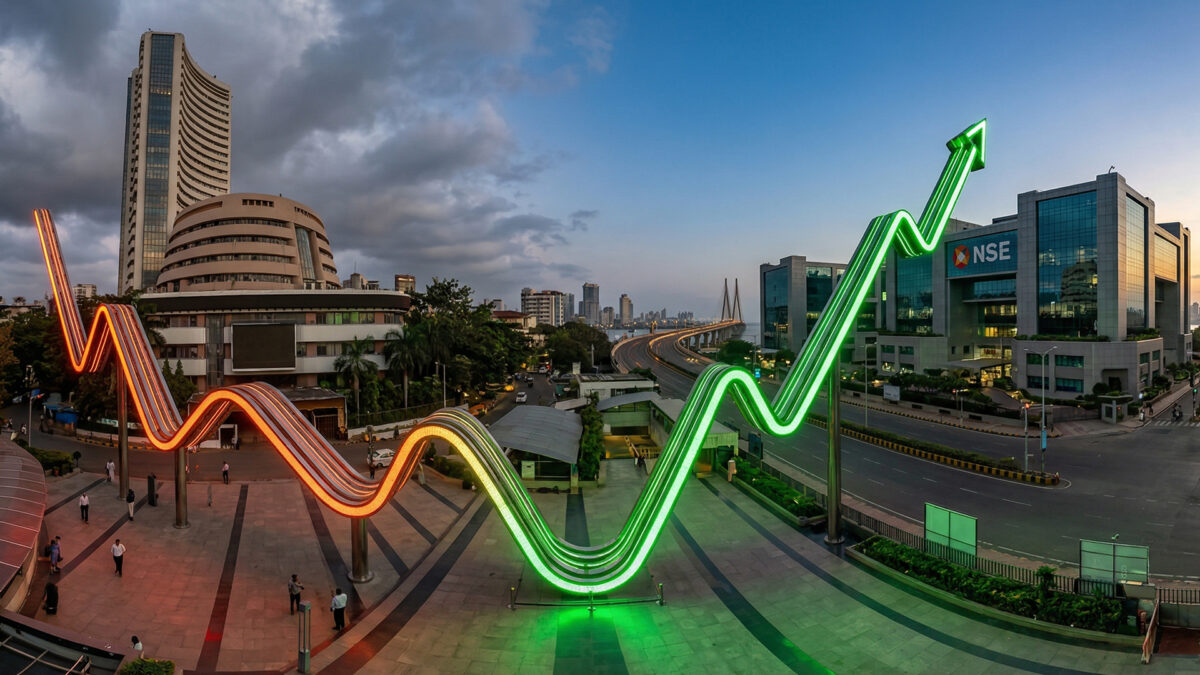
Indian stock markets started the week on a weak note on April 6, 2026, with both the Sensex and Nifty declining amid global uncertainty and rising crude oil prices. The Sensex fell over 300 points in early trade, while the Nifty50 slipped below the 22,650 mark, reflecting cautious sentiment among investors.

The main trigger behind the fall was the sharp rise in crude oil prices due to escalating tensions in the Middle East. For an oil-importing country like India, higher crude prices raise concerns about inflation and economic stability, leading many investors to reduce their exposure to equities.

Selling pressure was visible in sectors like oil & gas and pharma, which weighed on the broader market. On the other hand, there were pockets of strength. IT, metals, realty, and PSU banking stocks showed resilience, indicating that investors are still willing to bet on fundamentally strong sectors.

Among individual stocks, Trent emerged as a top gainer after strong business updates boosted investor confidence. Wipro also moved higher after announcing a major deal, lending support to the IT sector. TVS Motor shares gained following a positive brokerage outlook, adding to the list of notable performers.

In contrast, stocks in the oil & gas space came under pressure due to rising input costs linked to crude prices. Pharma stocks also witnessed selling, contributing to the market’s decline.

Experts believe the market could remain volatile in the near term, as global uncertainties and foreign investor outflows continue to weigh on sentiment. However, they also note that recent corrections may open up selective buying opportunities for investors with a long-term view.

The Indian rupee showed slight strength against the US dollar in early trade, offering some support. Still, its trajectory will depend largely on oil price movements and global capital flows.

Categories
Corporate

OpenAI acquires popular tech show TBPN

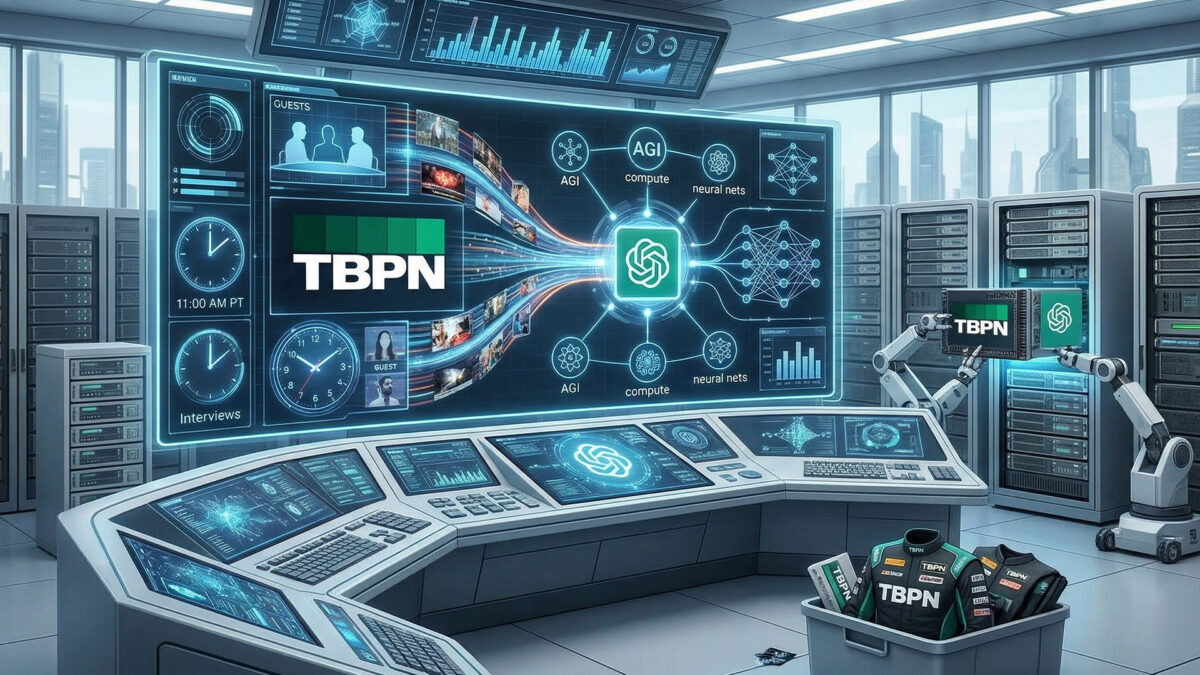
OpenAI, the company behind ChatGPT, has made an unexpected move into media by acquiring Technology Business Programming Network (TBPN), a widely followed tech and business talk show. The acquisition marks OpenAI’s first venture into content production, signaling its interest in shaping conversations around technology, artificial intelligence, and business trends.

TBPN, founded by John Coogan and Jordi Hays, began as a niche Silicon Valley show but quickly attracted a global audience. The program streams daily on platforms like YouTube and X (formerly Twitter), with episodes featuring interviews with top tech executives, including Meta’s Mark Zuckerberg and Microsoft’s Satya Nadella. Before the acquisition, the show drew around 70,000 viewers per episode and was generating modest revenue, estimated to be in the tens of millions annually.

OpenAI has assured that TBPN will retain editorial independence, meaning the hosts and production team will continue to select topics and guests without interference. However, the show will now report to Chris Lehane, OpenAI’s chief global affairs officer, and will support the company’s broader communications and marketing efforts.

Industry analysts say the acquisition is unusual because tech firms typically buy software, infrastructure, or AI startups, not media outlets. By owning a platform that regularly hosts voices from across the tech sector, OpenAI gains a continuous forum to engage with the public on AI and technology, going beyond traditional press releases or interviews.

The move also comes as OpenAI prepares for a potential IPO, highlighting its desire to communicate directly with a wider audience about the impact of AI on society, business, and culture. While financial terms were not disclosed, reports suggest the deal could be worth hundreds of millions of dollars.

Some critics, however, have raised concerns about whether true editorial independence can be maintained when a major industry player owns the outlet it covers. OpenAI maintains that TBPN will continue to operate with autonomy, aiming to foster constructive discussions on technology rather than promotional content.

Also Read: US proposes $1.5 trillion defence budget

Categories
Corporate

Emami to take over Axiom Ayurveda in ₹200 cr deal

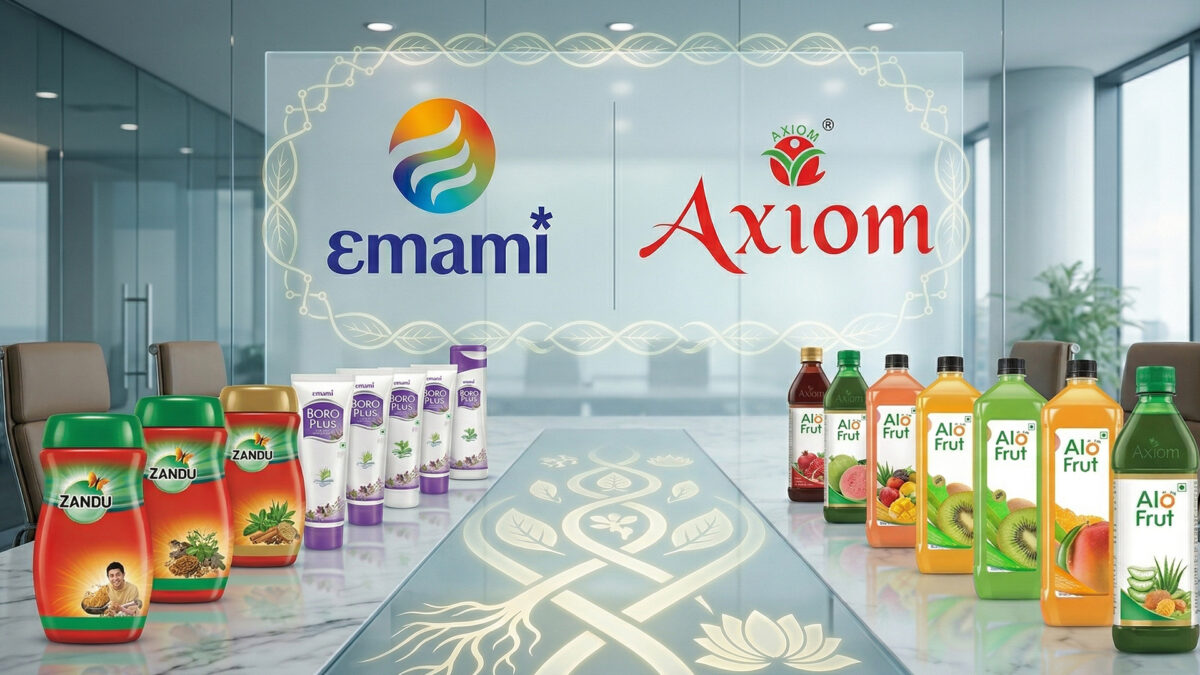
Emami Ltd, the Kolkata-based FMCG company, has announced it will acquire the remaining 73.5% stake in Axiom Ayurveda Pvt Ltd for up to ₹200 crore, making the ayurveda-focused company its wholly owned subsidiary. Earlier, Emami had acquired a 26.5% stake in Axiom, and this move completes its takeover, aiming to expand its presence in the fast-growing health and wellness segment.

The board of Emami approved the acquisition on March 31, 2026, and a definitive agreement was signed on April 1. The deal reflects Emami’s strategy to diversify into emerging consumer categories, particularly products with natural and functional benefits.

Axiom Ayurveda is known for its aloe vera-based beverages, including the popular “AloFrut” brand, which blends aloe pulp with fruit juices. In addition to aloe vera drinks, the company produces ayurvedic juices, energy drinks, mocktails, and some personal care products. These offerings account for around 15–20% of its branded business.

In the financial year 2024–25, Axiom reported a consolidated turnover of roughly ₹107 crore. Following the acquisition, Emami expects the business to grow substantially, with projections suggesting revenue could reach around ₹180 crore in the current fiscal year.

Industry analysts say the acquisition will allow Emami to leverage Axiom’s existing product portfolio, distribution network, and brand recognition. The company aims to accelerate innovation, expand market reach, and capitalize on the increasing demand for healthier, functional beverages in India.

This acquisition underscores Emami’s broader strategy to strengthen its foothold in wellness-driven segments beyond its traditional personal care business. By fully integrating Axiom Ayurveda, Emami is positioned to tap into the growing consumer preference for natural, nutritious, and functional products, particularly in the beverage space.

Also Read: Emirates NBD gets RBI nod to acquire RBL Bank