Categories
Corporate

Block lays off 4,000 employees due to AI shift

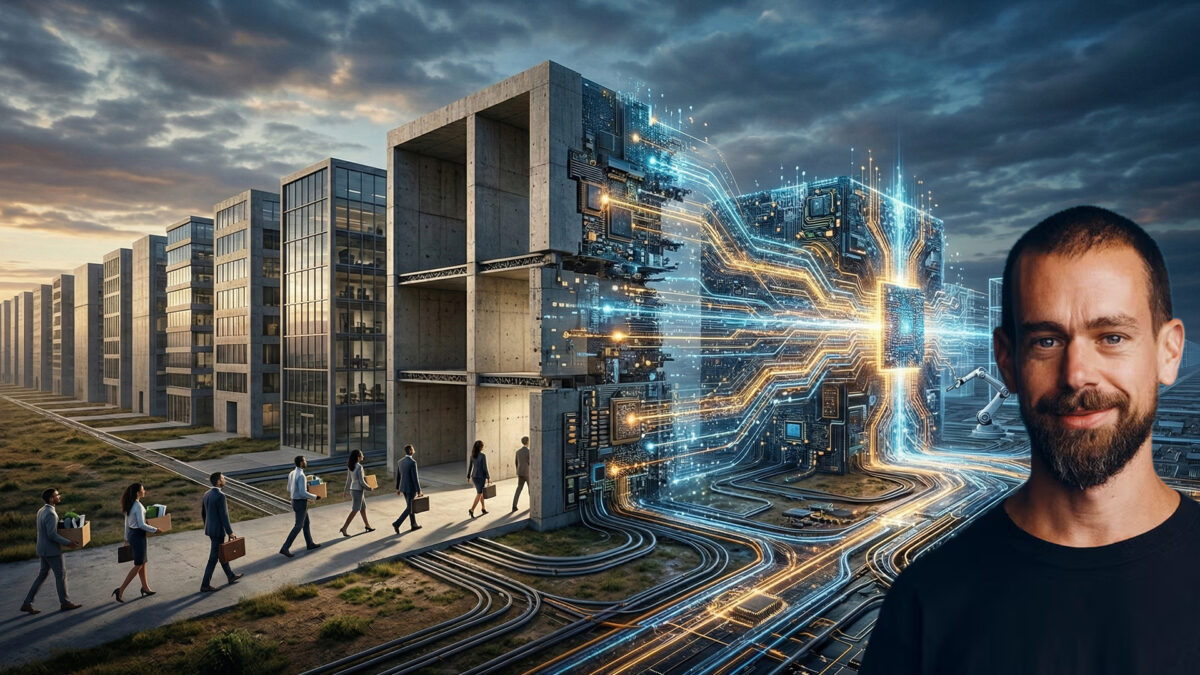
Fintech company Block Inc., led by co‑founder and CEO Jack Dorsey, announced on February 26, 2026, that it will lay off about 4,000 employees, nearly 40 % of its workforce, as part of a major restructuring driven by the growing role of artificial intelligence (AI) in its operations.

Dorsey emphasized that the move was not due to financial weakness, but a response to technological change. AI tools now allow smaller, more agile teams to handle tasks that previously required larger staff numbers. Block’s headcount will drop from over 10,000 to under 6,000, reshaping how the company operates.

“This was one of the hardest decisions in our company’s history,” Dorsey wrote in a letter to employees and investors. He assured workers that Block’s business remains strong, with growing profits and a large customer base, but said the company must adapt to new technology to stay competitive.

The layoffs coincide with Block’s strong fourth-quarter earnings, which showed rising revenue and profitability. Following the announcement, the company’s shares jumped about 24 % in after-hours trading, reflecting investor approval of the AI-driven strategy.

Affected employees will receive severance packages, including several months’ pay, six months of continued healthcare, equity vesting into May, and a transition stipend.

Dorsey noted that other companies may face similar decisions as AI reshapes work across industries. While the move positions Block for long-term efficiency and growth, it also highlights broader concerns about the impact of AI on jobs in the tech sector and beyond.

Also Read: Chinese smartphone sales in India fall for first time

Categories
Corporate

Sensex drops 960 points, Nifty below 25,200

Indian equity markets ended Friday on a cautious note, with both benchmark indices posting sharp declines amid weak global sentiment and persistent selling pressure. The BSE Sensex dropped nearly 961 points to close at 81,287, while the NSE Nifty 50 fell over 317 points to 25,178, testing key support levels.

The market sell-off was broad-based. Banking, metals, automobile and FMCG stocks were the biggest losers. Top decliners included Kotak Mahindra Bank, Tata Steel, Maruti Suzuki, HDFC Bank and Larsen & Toubro, which saw notable losses. In contrast, a few IT and media stocks recorded modest gains, with Infosys, Wipro and Tata Consultancy Services (TCS) among the top performers.

Traders pointed to weak international markets and subdued global technology shares as primary triggers for the drop. Continued foreign institutional investor (FII) selling also weighed on domestic equities, contributing to capital outflows.

Geopolitical concerns, including ongoing US-Iran diplomatic tensions, added to investor caution. Despite some stability in energy stocks such as NTPC and Reliance Industries, overall sentiment remained risk-averse.

Analysts noted that this decline capped a week of sideways-to-negative trading, with investors remaining cautious due to global uncertainties and a lack of domestic triggers to spur fresh buying.

Looking ahead, participants will closely watch global developments and upcoming domestic economic data to gauge whether markets can stabilize or face further pressure in the coming sessions.

Also Read: Sensex falls 500 points to 81,950, Nifty slips below 25,350

Categories
Beyond

Chinese smartphone sales in India fall for first time

For the first time in nearly a decade, Chinese smartphone brands have experienced a decline in sales and revenue in India, a market they once dominated. Industry data shows that demand for devices from leading Chinese companies fell during the financial year 2025, while premium brands such as Apple and Samsung gained ground.

Analysts say the slowdown reflects a shift in consumer preferences toward higher-priced, feature-rich phones, while rising prices and competition from non-Chinese brands have also influenced buying choices. This marks a notable change in India’s smartphone landscape, where Chinese brands have long held the largest market share due to their competitive pricing and wide range of models.

According to market trackers, revenue for the nine largest Chinese electronics companies operating in India, including major players like Xiaomi, Vivo, OPPO, realme and Transsion Holdings, declined compared with the previous year. In contrast, other global brands reported healthy growth.

One key reason for the drop is the premiumisation trend, Indian consumers are increasingly spending on higher-end models. Apple, known for its iPhones, has benefited from this trend, seeing strong demand for its newer models. Samsung has also grown its presence in the mid and high-end segments, gaining users who previously chose budget phones from Chinese makers.

Rising prices have also played a role. As component costs increase globally, Chinese brands have raised smartphone prices, narrowing the cost advantage they once had. This has made the value proposition less compelling for price-sensitive buyers, who are now weighing their options more carefully.

The decline for Chinese brands may prompt them to rethink strategies in India, focusing on innovation, after-sales service and value rather than price alone. Meanwhile, local and global competitors are likely to intensify their efforts to capture emerging opportunities in the world’s second-largest smartphone market.

Also Read: Power lines to go underground in Chandni Chowk

Categories
1 Minute-Read

Power lines to go underground in Chandni Chowk

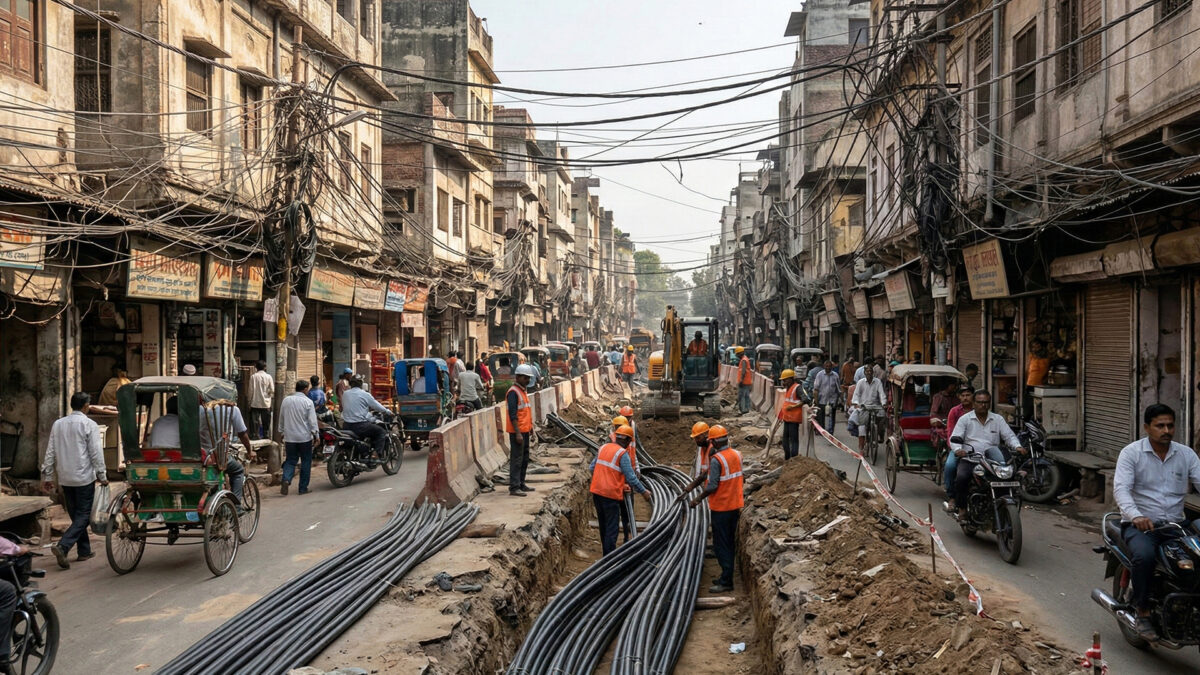
The Delhi government has started a ₹159.75 crore project to shift overhead power lines underground in Chandni Chowk.

Chief Minister Rekha Gupta said the move will reduce fire risks, improve electricity supply and enhance the look of the historic area. Around 52 km of cables will be laid underground, benefiting nearly 10,000 consumers.

Work will be carried out in phases, mainly at night, to minimise disruption to traders and visitors. The project also includes new feeder pillars and better monitoring systems to strengthen power infrastructure in the busy market.

Categories
Technology

I&B Minister seeks fair digital accountability

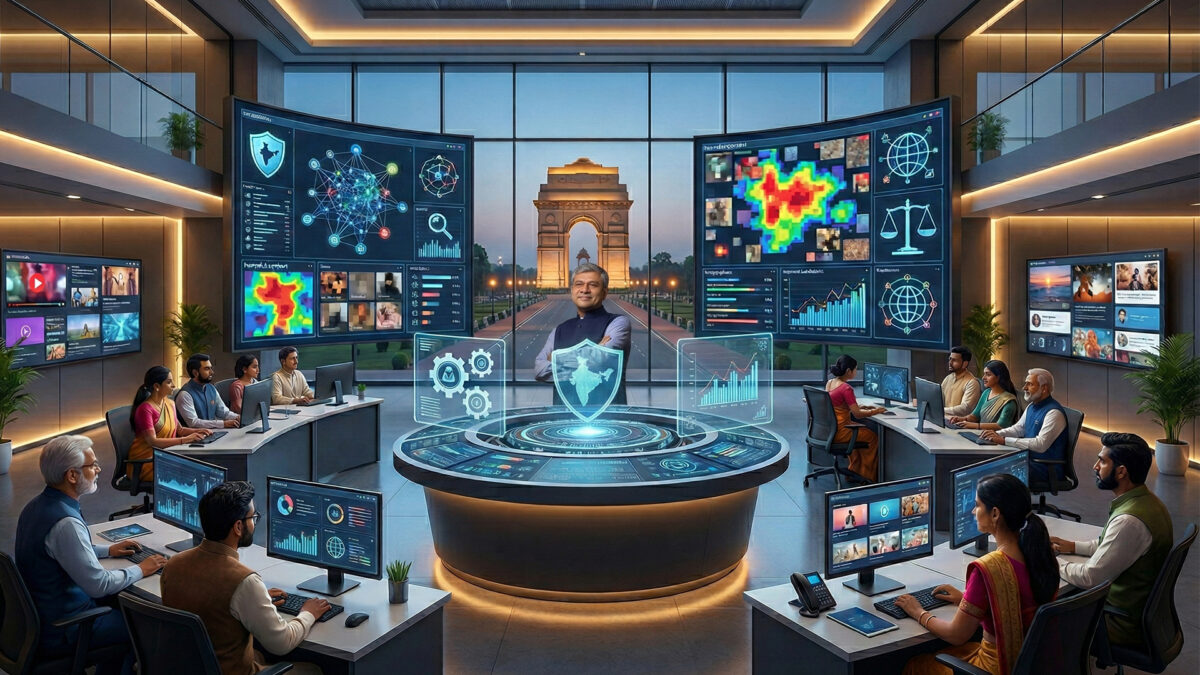
Union Minister Ashwini Vaishnaw has called on digital platforms to take greater responsibility for the content they host and to ensure fair revenue sharing with creators and news publishers.

Speaking at a media industry event, Vaishnaw said online platforms are no longer just technology intermediaries. With millions relying on them for news, entertainment and information, they function like media organisations and should accept similar levels of accountability.

He stressed that journalists, content creators and publishers generate the material that attracts users and advertising revenue. However, many of them do not receive a fair share of the income earned from their work. Vaishnaw said platforms must adopt transparent and equitable revenue-sharing models to support a healthy digital ecosystem.

The minister also raised concerns about the misuse of artificial intelligence to create synthetic or deepfake content. He said no digital content that imitates a person’s face, voice or identity should be created or shared without their consent. Protecting users, especially children and vulnerable groups, must be a priority for tech companies, he added.

Vaishnaw noted that several countries are already introducing regulations to make large technology firms more accountable. He indicated that India could also consider appropriate measures if voluntary reforms are not implemented.

His remarks come at a time when debates over misinformation, copyright, and platform responsibility are intensifying globally.

Also Read: India makes E20 petrol mandatory nationwide from April

Categories
Beyond

India makes E20 petrol mandatory nationwide

Starting April 1, 2026, every petrol pump across India will sell E20 petrol, fuel blended with 20% ethanol. The decision, announced by the Ministry of Petroleum and Natural Gas, marks a major change in the fuel Indians use every day.

For millions of motorists, the shift may go largely unnoticed at the pump. But behind the scenes, it reflects India’s push to cut pollution, reduce crude oil imports and support farmers who produce crops used to make ethanol, such as sugarcane and maize.

Ethanol is a biofuel made from plant-based materials. Blending it with petrol helps lower harmful emissions from vehicles. Officials say the move will help India reduce its carbon footprint while also saving foreign exchange by importing less crude oil.

Under the new rule, all petrol sold must meet a minimum standard of RON 95, which refers to fuel quality and engine performance. Higher RON fuel reduces engine knocking and supports smoother functioning. Most cars manufactured in recent years are already compatible with E20 fuel.

However, owners of older vehicles may have concerns. Experts say while older cars can generally run on E20, there could be a slight drop in fuel efficiency. Automobile companies have gradually upgraded engines to handle higher ethanol blends, and consumers are being advised to check their vehicle manuals for compatibility.

For farmers, the policy offers a potential boost in income. Increased demand for ethanol means higher demand for crops used in its production. For the government, it is also a step toward energy security and reduced dependence on volatile global oil markets.

While drivers may simply notice a new label at fuel stations, the change represents a broader shift in how India balances environmental responsibility, economic growth and everyday mobility.

Also Read: Narayana Murthy urges youth to master AI

Categories
1 Minute-Read

DeepSeek withholds AI model from US firms

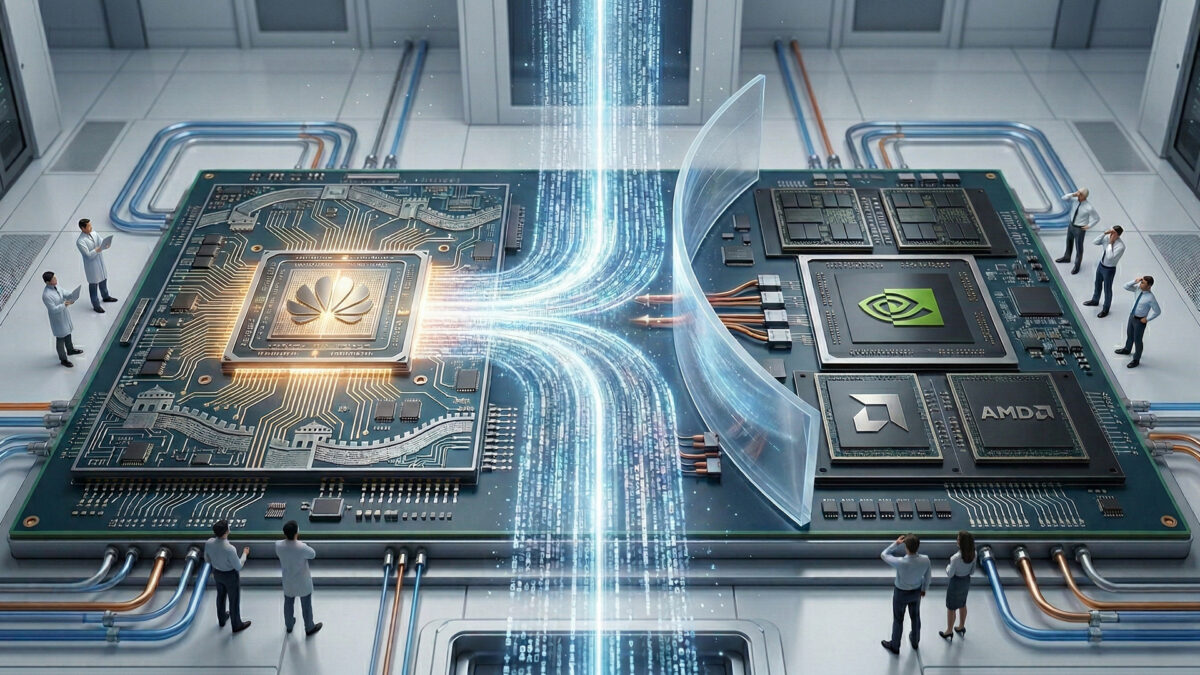
Chinese AI startup DeepSeek has reportedly decided not to share its latest AI model with major US chipmakers, including Nvidia and Advanced Micro Devices.

Sources said the company instead gave early access to selected Chinese hardware partners, such as Huawei Technologies, ahead of the model’s expected launch.

Typically, AI developers provide early versions of new models to global chip firms to improve compatibility and performance. The move is seen as part of China’s push to strengthen domestic technology capabilities amid ongoing US-China trade and technology tensions.

Categories
Leaders

Narayana Murthy urges youth to master AI

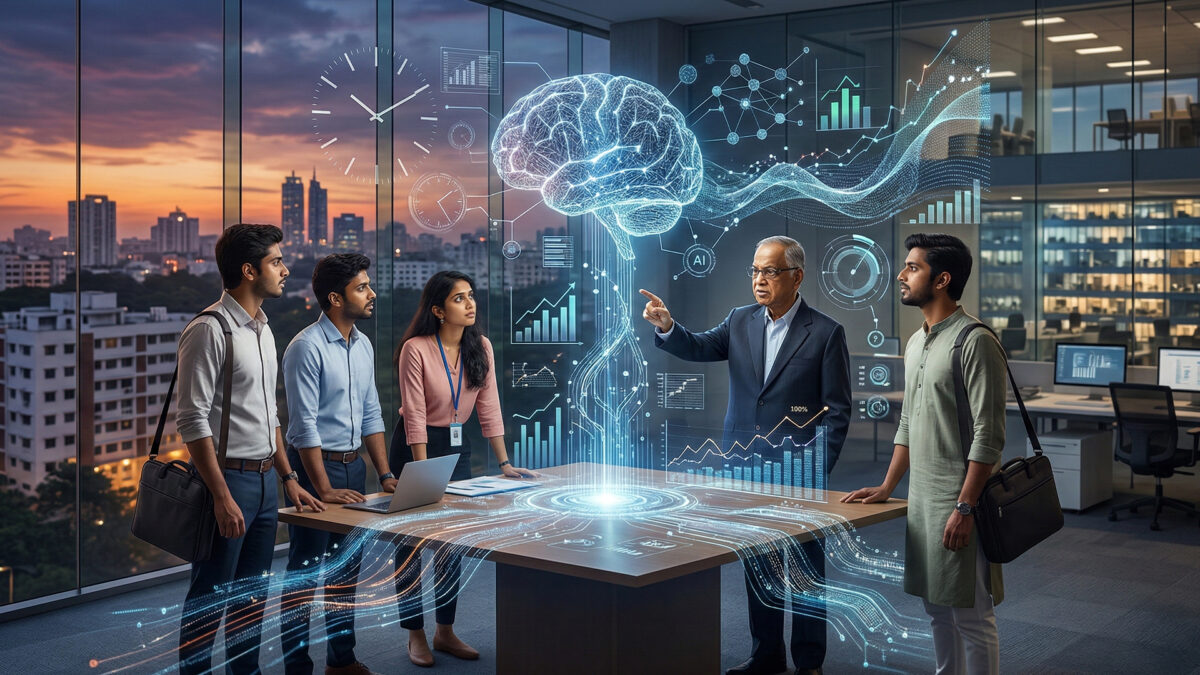
Narayana Murthy, co-founder of Infosys, has cautioned young Indians against fearing artificial intelligence and instead encouraged them to learn and use it effectively.

Speaking about the rapid growth of AI tools, Murthy said the technology is transforming the workplace across industries. However, he stressed that AI should be seen as an opportunity rather than a threat. According to him, those who understand how to use AI wisely will improve their productivity and remain valuable in the job market.

Murthy pointed out that while automation may change certain routine tasks, it will not replace human intelligence, creativity or critical thinking. He said individuals who combine strong thinking skills with knowledge of AI tools will have an advantage. “A smarter mind using AI will produce better results,” he suggested, highlighting the importance of both intelligence and effort.

The veteran industry leader also underlined the need for continuous learning. He said young professionals must stay curious, disciplined and willing to upgrade their skills as technology evolves. Simply relying on existing qualifications may not be enough in a fast-changing environment shaped by AI.

Murthy compared the current AI shift to earlier technological revolutions such as the arrival of computers and the internet. While those developments initially raised concerns about job losses, they eventually created new industries and employment opportunities. He believes AI will follow a similar path.

His remarks come at a time when many students and young professionals are anxious about automation reducing job opportunities, especially in sectors like information technology and services. Murthy’s message is clear: instead of resisting change, young Indians should prepare themselves to work alongside AI.

Also Read: Historic East India brand in London shuts again

Categories
1 Minute-Read

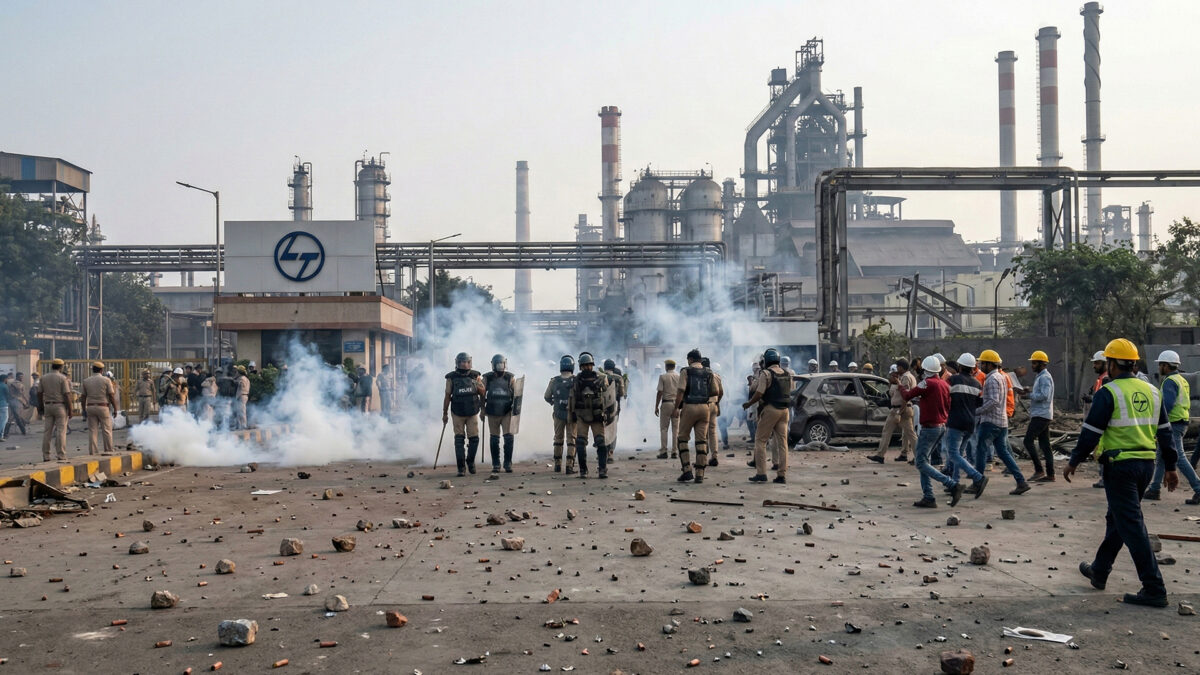
2000 L&T workers clash with police in Hazira

Around 2,000 contract workers employed by Larsen & Toubro staged a protest at a steel plant site in Hazira, Gujarat, demanding higher wages and reduced working hours.

The demonstration turned violent after clashes broke out between workers and police. Authorities said some protesters allegedly resorted to stone-pelting and set vehicles on fire, prompting police to fire tear gas shells to disperse the crowd.

Several workers and police personnel suffered minor injuries. Additional security forces were deployed in the area. Officials have appealed for calm and said talks may be held to address workers’ grievances.

Categories
Corporate

Historic East India brand in London shuts again

The East India Company has closed once more, not as a colonial trading empire this time, but as a modern luxury brand that tried to revive one of history’s most powerful names.

The original East India Company was once at the centre of Britain’s global trade network, shaping the course of history in India and beyond before it was dissolved in the 19th century. Decades later, entrepreneur Sanjiv Mehta revived the name as a high-end lifestyle brand based in London.

The modern company sold premium teas, fine chocolates, rare spirits and luxury gifts. Its stores were designed to reflect heritage and exclusivity, appealing to customers drawn to the brand’s historical legacy. For a time, the revival generated curiosity and attention.

But running a luxury retail business proved far more difficult than reviving a famous name. The company reportedly struggled with mounting losses, rising operating costs and changing consumer behaviour. Luxury shoppers increasingly moved online or chose established global brands, making competition intense.

Over time, stores quietly shut down. Now, the company has ceased operations completely. Employees have lost jobs, and the brand’s physical presence has disappeared from London’s retail streets.

The closure feels symbolic to many observers. A name once linked to vast trade networks and political power has now faded for a second time.

For the East India Company, the second chapter has come to an end, as it is said that the legacy alone cannot sustain a brand.

Also Read: Japan plans missile deployment near Taiwan