Categories
Corporate

Indian Pharma stocks up 5% after US Biosecure Act

Indian pharmaceutical stocks rose sharply on Friday after the US Senate passed the Biosecure Act, part of the 2026 National Defense Authorization Act (NDAA). The new law aims to make the US biotechnology and pharmaceutical supply chains safer by limiting the use of equipment and services from companies linked to countries of concern, especially China.

The legislation bars US federal agencies from buying or contracting biotech products from companies considered risky. Experts believe this will shift demand toward trusted global suppliers, creating opportunities for Indian drugmakers and contract development and manufacturing organisations (CDMOs).

Following the news, Wockhardt emerged as the top gainer, with shares jumping nearly 5%. Laurus Labs and Divi’s Laboratories also saw significant increases. Other companies, including Ajanta Pharma, Biocon, Piramal Pharma, Aurobindo Pharma, and Cipla, recorded smaller gains. The Nifty Pharma index moved higher during mid‑day trading.

Analysts said Indian pharmaceutical companies could benefit as global buyers look for alternatives to Chinese suppliers. India’s CDMOs and generic drug manufacturers have established international approvals and large-scale manufacturing capacity, making them ideal partners for overseas contracts.

The Biosecure Act received strong bipartisan support in the US Senate, passing with 77 votes in favour and 20 against. It now goes to the White House for the president’s approval. While the full impact may take time, industry watchers expect Indian pharma exports to see steady growth as supply chains adjust.

Investors see this as a positive step for India’s pharmaceutical sector, which has long been a major player in global generics and contract manufacturing. The rally highlights confidence that new US rules could open more export opportunities and strengthen India’s role in international biotech and pharma markets.

The development is also part of a broader global trend toward more secure and diversified supply chains. For Indian companies, the Biosecure Act could mark a significant boost in overseas demand over the coming years.

Also Read: Ukraine to receive €90B EU loan, Russian assets omitted

Categories
Corporate

Nifty tops 25,900, Sensex up 448 points, ending 4-day slump

The stock markets rebounded on Friday, breaking a four-day losing streak, as investors were encouraged by positive global cues. The Sensex ended the session at 91,845, up 448 points, while the Nifty50 rose to 25,915, signaling renewed confidence among market participants.

Broad-based buying lifted both midcap and smallcap stocks. Leading sectors included auto, pharma, oil & gas, realty, telecom, and healthcare, each gaining roughly 0.5–1 percent. The recovery was supported by strong technical indicators and optimism in global markets.

Among individual stocks, Shriram Finance, Max Healthcare, Bharat Electronics, Power Grid Corporation, and Tata Motors Passenger Vehicles were the top gainers, helping the indices recover. On the other hand, HCL Technologies, Adani Enterprises, Hindalco, JSW Steel, and Kotak Mahindra Bank were the biggest laggards, pulling down some of the market momentum.

GIFT Nifty, which provides an early indicator for Indian markets, suggested a positive start ahead of the session, reflecting optimism from US and Asian markets. Positive trends in global equities, along with steady buying in domestic sectors, contributed to the strong finish.

Market analysts said the rally was driven by a combination of technical support levels being tested successfully and a pick-up in investor sentiment after the recent correction. They also noted that sector-specific gains, particularly in pharma and auto, helped strengthen the overall market.

Also Read: Sensex up 460 Points, Nifty near 26,000 as markets open firm

Categories
Beyond

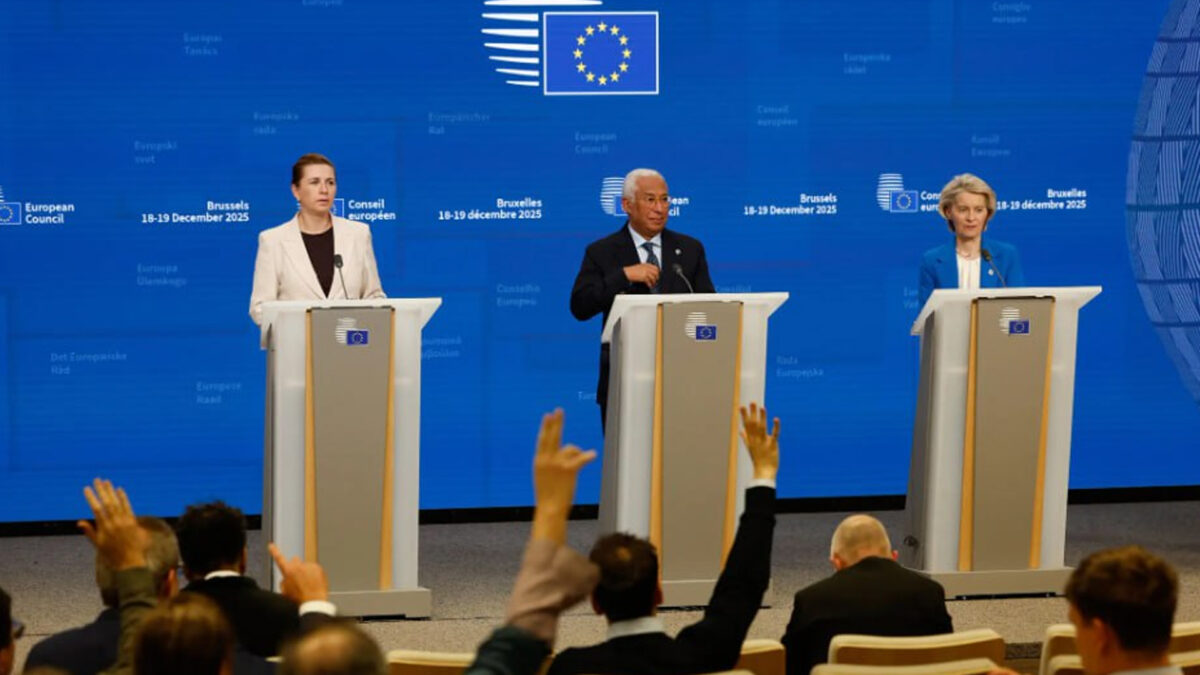
Ukraine to get €90B EU loan, Russia excluded

The European Union has agreed to provide Ukraine with a €90 billion financial support package, marking one of the largest commitments to Kyiv since the Russian invasion began. The decision, reached after intense negotiations among EU leaders, is aimed at helping Ukraine sustain its defence operations and government spending into 2026.

The package, structured as loans rather than grants, was agreed without tapping into frozen Russian state assets. Some EU member states had pushed to use the seized funds, arguing it was a practical source of financing. However, others raised concerns over legal hurdles and potential diplomatic fallout, leading to a compromise that excludes Russian assets.

European leaders described the deal as a critical signal of unity and continued support for Ukraine, but stressed that the implementation and transparency of fund disbursement will be essential. The agreement also reflects differing views among EU countries on fiscal responsibility, risk-sharing, and long-term aid strategies.

Ukrainian President Volodymyr Zelenskyy welcomed the EU decision but stressed that speed is crucial. “This support is vital, but timing is everything. Ukraine needs predictable and immediate aid to continue defending its people and economy,” he said. Ukrainian officials have repeatedly highlighted that delays in funding could affect both military operations and essential government services.

The EU loan is expected to provide short-term financial stability while negotiations continue over additional aid and post-war reconstruction. The formal approval by EU institutions and the coordination among member states will determine the pace of disbursement. EU officials emphasized that the funds must be delivered efficiently to have the intended impact, both for Kyiv’s defence needs and economic stability.

Also Read: The Bank of Japan raises rates to 30-year high

Categories
Corporate

Vodafone Idea shares up 4% on Rs 3,300 cr fundraise

Vodafone Idea shares gained nearly 4 percent in trade after its subsidiary raised Rs 3,300 crore through Non-Convertible Debentures (NCDs), signalling improved market confidence in the telecom operator.

The fundraise was carried out by Vodafone Idea Telecom Infrastructure Limited, a wholly owned arm of the company. The NCDs, which are unlisted, unsecured and unrated, saw strong demand from institutional investors, including NBFCs, alternative investment funds and foreign investors, indicating healthy appetite despite the company’s financial challenges.

According to regulatory disclosures, the money raised will be used by the subsidiary to meet its payment obligations to Vodafone Idea, helping the parent company strengthen liquidity. The improved cash position is expected to support capital expenditure and network expansion, which remain critical for improving service quality and competitiveness.

Market participants view the successful bond issue as a positive step in Vodafone Idea’s ongoing efforts to stabilise operations and strengthen its balance sheet, leading to renewed buying interest in the stock.

Also Read: Reliance Consumer acquires majority stake in Udhaiyams Agro Foods

Categories
Corporate

$4.5B MUFG deal could redefine Shriram Finance future

Shriram Finance Ltd., a leading Indian non‑banking financial company, is in the spotlight as talks advance with Japan’s Mitsubishi UFJ Financial Group (MUFG) for a significant investment. The NBFC has scheduled a press conference on 22 December 2025 to update investors and the public on its strategic plans amid market speculation about the deal.

Reports suggest MUFG is considering acquiring a 20% stake in Shriram Finance through a capital infusion of around $4.45–5 billion, one of the largest foreign investments in India’s financial sector in recent years. This investment could value the company at $22–25 billion, signalling strong international confidence in India’s growing retail and consumer finance market.

The proposed deal is expected to boost Shriram Finance’s capital base, enabling it to expand its lending operations, strengthen its financial stability, and explore new growth avenues. Market watchers say the partnership could also help the NBFC deepen relationships with global financial institutions.

Ahead of the press conference, Shriram Finance’s board will meet on 19 December to consider the MUFG investment along with other fundraising options like rights issues or preferential share allotments. However, the company has emphasised that no binding agreement has been signed yet. Regulatory filings confirm that any material developments will be disclosed to the stock exchanges in line with SEBI norms.

Investor interest has surged in the company’s shares, reflecting optimism about the potential investment. Analysts see MUFG’s move as a major endorsement of Shriram Finance’s business model and India’s credit growth story.

While the final deal remains tentative, the upcoming board meeting and press conference are expected to provide clarity. The financial world is closely watching, as this investment could mark a milestone for foreign participation in India’s NBFC sector, combining growth potential with international expertise.

Also Read: Jared Isaacman named NASA Chief

Categories
Beyond

Gold at ₹13,485/g, Silver at ₹2.11 lakh/kg

Gold and silver prices in India showed little change on Friday, December 19, offering relief to buyers after recent volatility in the bullion market. Rates remained largely stable across major cities, reflecting a cautious global outlook and steady demand in the domestic market.

As per the latest data, 24-carat gold was priced at around ₹13,485 per gram, while 22-carat gold stood at approximately ₹12,361 per gram. For jewellery buyers, 18-carat gold was available at nearly ₹10,114 per gram. These prices were broadly unchanged compared to the previous trading session, indicating a pause in sharp price movements seen earlier this month.

City-wise trends showed only marginal differences. In Chennai, gold prices were slightly higher, with 24-carat gold trading near ₹13,572 per gram and 22-carat gold at about ₹12,441 per gram. In cities such as Delhi, Mumbai, Kolkata, Bengaluru, Hyderabad and across Kerala, rates remained close to the national average, reflecting uniform pricing in most urban markets.

Silver prices also held firm on Friday. The precious metal was trading at around ₹211.10 per gram, or approximately ₹2,11,100 per kilogram, in major Indian cities. In Hyderabad and Chennai, silver was quoted slightly higher due to local premiums, while Delhi and Mumbai reported prices close to the national benchmark.

Market experts say gold prices are currently supported by global uncertainty, expectations around interest rate movements, and central bank buying. At the same time, a stable rupee has helped limit sharp increases in domestic prices. Silver prices, meanwhile, continue to be influenced by industrial demand and global market trends, in addition to currency fluctuations.

Traders note that even small movements in international bullion prices or changes in the dollar-rupee exchange rate can impact local prices, as India relies heavily on imports to meet gold and silver demand.

Also Read: Sensex up 460 Points, Nifty near 26,000 as markets open firm

Categories
Corporate

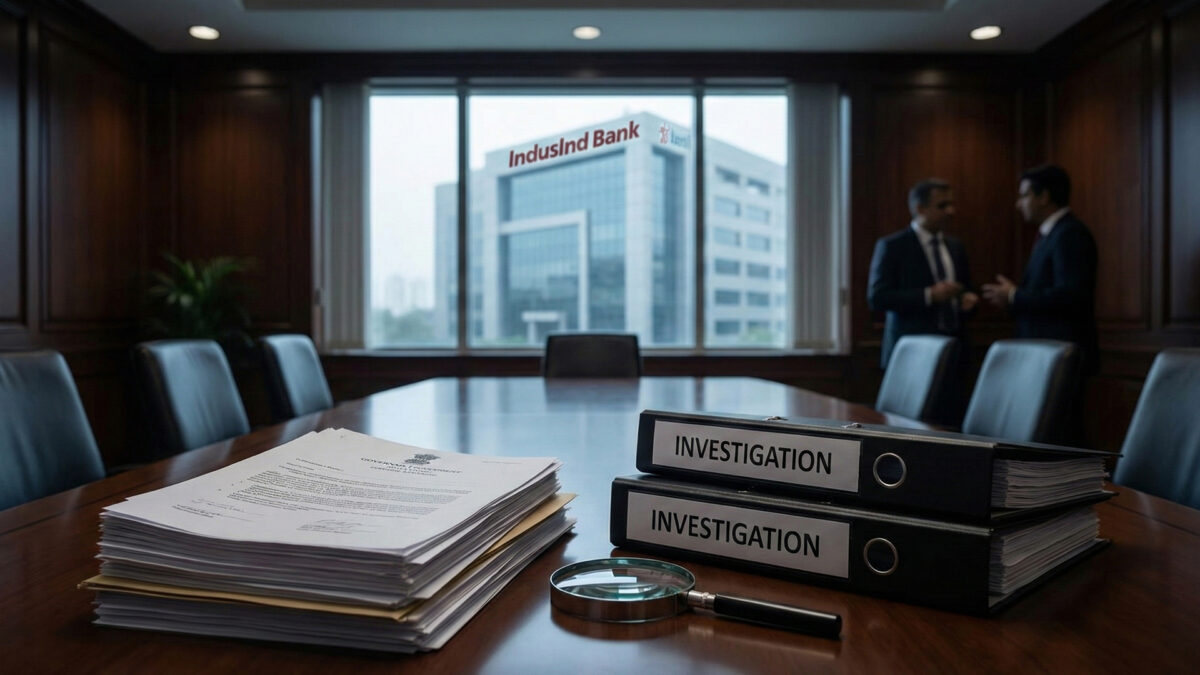
IndusInd Bank faces ₹2,000 crore accounting probe

The Government of India has asked the Serious Fraud Investigation Office (SFIO) to investigate IndusInd Bank after auditors flagged accounting irregularities worth nearly ₹2,000 crore. The discrepancies cover several years, from 2015–16 to 2023–24, and involve potential errors in financial reporting, internal controls, and accounting of certain loans and fees.

Internal and external audits showed issues in the bank’s derivatives business and microfinance operations, including misclassified revenue and incorrectly booked income. Some key figures include ₹674 crore wrongly recorded as microfinance income, ₹595 crore as unexplained assets, and ₹172.6 crore mislabelled as fee income.

The Mumbai Police Economic Offences Wing (EOW) has been conducting a preliminary inquiry since August after the bank itself reported the problem. Officials say the investigation has so far found no evidence of fund diversion, and statements have been recorded from several current and former employees.

SFIO’s probe will examine audit reports, RBI filings, and internal documents to check for account manipulation, misclassification, related-party transactions, or any misuse of funds. Former executives, including ex-CEO Sumant Kathpalia, former Deputy CEO Arun Khurana, and ex-CFO Govind Jain, have been questioned as part of the investigation.

IndusInd Bank has assured that it has enough capital to cover the impact of these accounting adjustments and is cooperating fully with authorities. The SFIO investigation reflects a wider scrutiny of governance and financial practices at one of India’s leading private banks.

Also Read:

Categories
1 Minute-Read

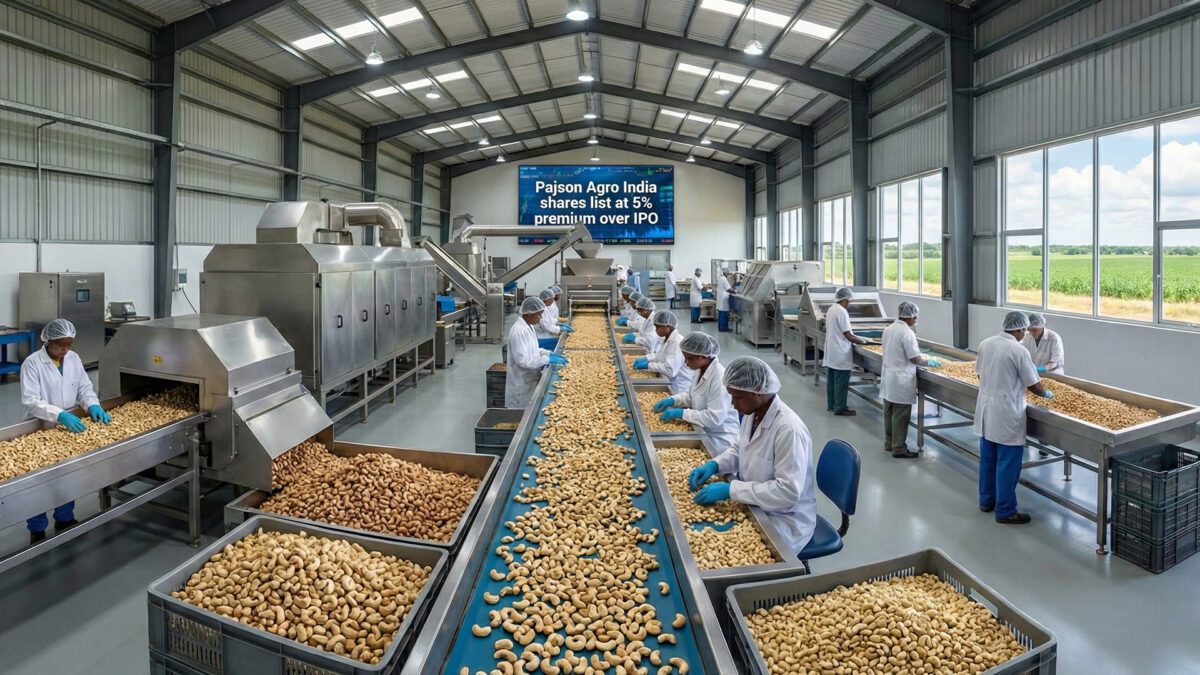
Pajson Agro India lists at 5% premium

Pajson Agro India’s shares debuted on the BSE SME platform on December 18, 2025, listing at ₹124, a roughly 5% premium over its ₹118 IPO price, reflecting positive market reception.

The ₹74.45 crore IPO was subscribed about 6.5 times overall, with strong interest from qualified institutional buyers. Funds raised will support a new cashew processing facility in Vizianagaram, Andhra Pradesh, and general corporate purposes.

The moderate grey market premium (GMP) suggested a steady listing rather than a sharp pop, with post-listing performance likely tied to execution and margin sustainability

Categories
Corporate

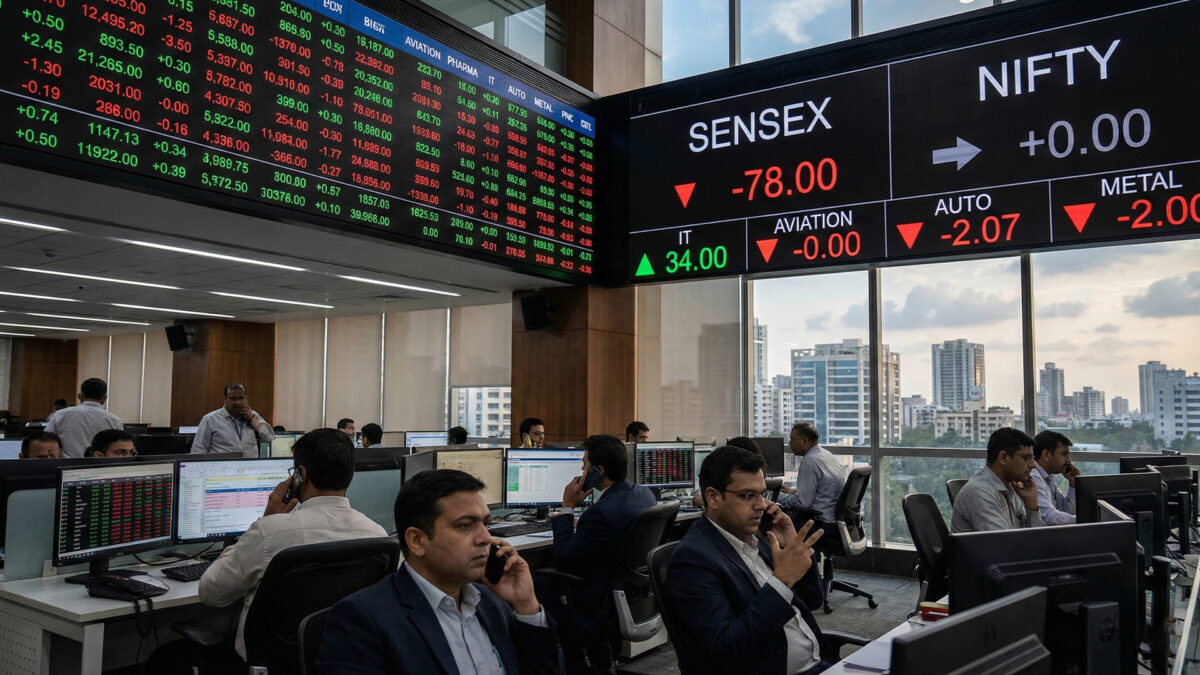
Sensex slips 78 points, Nifty ends flat

Indian equity benchmarks ended Thursday’s trading session on a flat and cautious note, with limited movement in either direction amid mixed global cues. The Sensex closed 78 points lower at 84,482, while the Nifty settled almost unchanged at around 25,816, as investors refrained from taking aggressive positions.

Markets opened on a subdued note after GIFT Nifty indicated a flat start, tracking weakness in US and Asian markets overnight. Sentiment remained fragile through the day, with global uncertainty and the absence of strong domestic triggers keeping indices range-bound.

Sector-wise performance was mixed. IT stocks emerged as the key gainers, lending support to the benchmarks as investors selectively bought large-cap technology names. Aviation and healthcare services stocks also traded higher. However, these gains were capped by selling pressure in pharma, auto, metal, oil and gas, media and capital goods stocks, which dragged on overall market performance.

On the stock-specific front, InterGlobe Aviation (IndiGo), Max Healthcare, TCS, Infosys and Tech Mahindra were among the top gainers on the Nifty, supported by sector strength and defensive buying. In contrast, Sun Pharma, Power Grid Corporation, Tata Steel, Bajaj Auto and Asian Paints featured among the key losers, weighed down by profit booking and weak sector sentiment.

The broader market remained muted, with mid-cap and small-cap stocks showing mixed trends, highlighting a cautious risk appetite among investors. Market participants largely focused on selective buying rather than broad-based accumulation.

Also Read: Sensex flat at opening, Nifty below 25,850

Categories
Beyond

Israel approves record gas export deal with Egypt

Israel has approved its largest-ever natural gas export agreement, signing a $35 billion deal with Egypt that is set to run over the next 15 years. The contract will see gas from Israel’s Leviathan offshore field delivered to Egypt, with exports expected to begin in early 2026.

Prime Minister Benjamin Netanyahu called the deal a historic milestone, emphasizing that it will generate significant revenue for the country. About half of the funds from the agreement are expected to flow into Israel’s state treasury, supporting education, healthcare, infrastructure, and national security. “This agreement strengthens Israel’s economy and positions us as a key energy supplier in the region,” Netanyahu said.

The deal is being carried out by Israeli energy partners in collaboration with US firm Chevron, ensuring the supply chain is secure and efficient. Officials have also confirmed that domestic gas prices will remain stable, safeguarding households and businesses while exports increase.

For Egypt, which has faced energy shortages in recent years, the agreement provides a reliable source of gas to help meet growing demand. While the Egyptian government has not yet issued a formal statement, analysts say the deal could improve energy security and foster stronger bilateral cooperation between the two nations.

Energy experts view the pact as a strategic win for both countries. Israel benefits from a major revenue stream and enhanced regional influence, while Egypt gains access to a consistent energy supply. The deal also reflects Israel’s broader strategy to leverage offshore gas reserves for long-term economic growth and regional stability.

The $35 billion gas agreement underscores the growing importance of energy diplomacy in the Eastern Mediterranean. By exporting natural gas to Egypt, Israel not only strengthens its economic position but also builds regional partnerships that could have wider political and strategic implications.

As the project moves toward implementation, it is expected to create economic opportunities and strengthen energy ties in the region, marking a significant step in Israel’s emergence as a major energy supplier.

Also Read: Meesho tops India’s 2025 IPO charts with 95% rally