Categories
Corporate

Biocon Biologics Scores USFDA Nod for Two Biosimilar Blockbusters

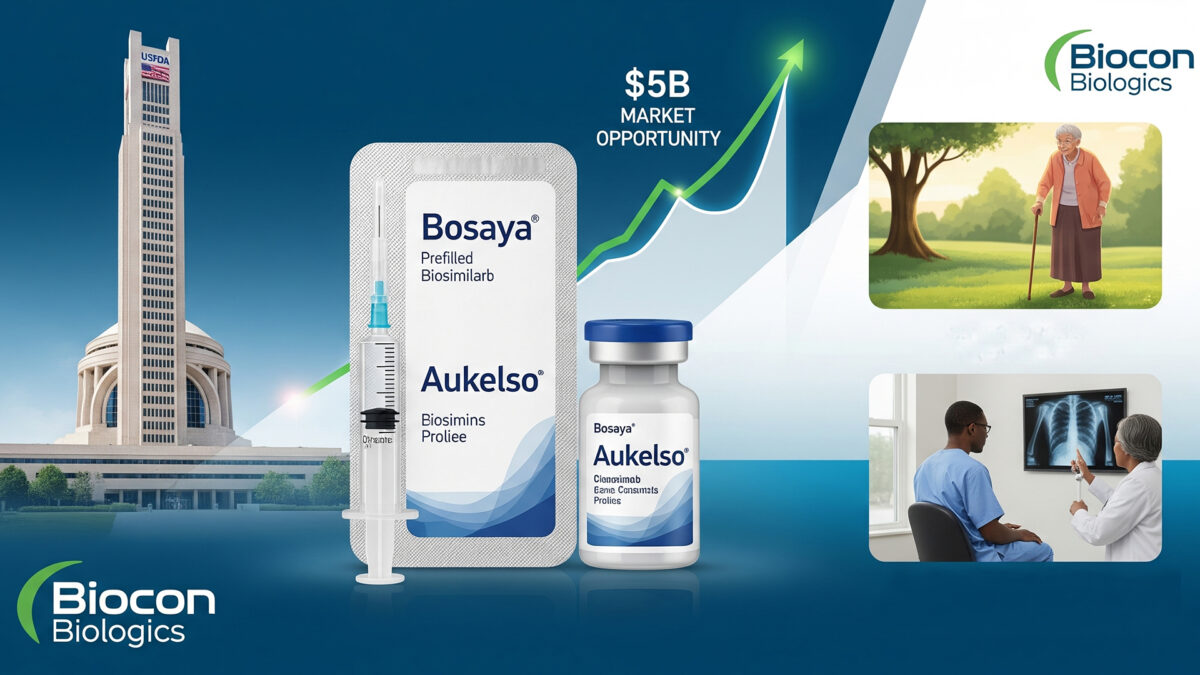
Biocon Biologics, a subsidiary of Biocon Ltd., has won approval from the U.S. Food and Drug Administration (USFDA) for two denosumab biosimilars—Bosaya (denosumab-kyqq) 60 mg/mL prefilled syringe and Aukelso (denosumab-kyqq) 120 mg/1.7 mL single-dose vial—which will serve as biosimilar equivalents to Amgen’s Prolia and Xgeva. In a further boost, both products have been granted provisional interchangeability status by the USFDA.

Bosaya is approved for treating osteoporosis in postmenopausal women and men at high risk for fractures, glucocorticoid-induced osteoporosis, and for patients who are undergoing cancer therapies that increase bone loss—such as men receiving androgen deprivation therapy for prostate cancer and women on adjuvant aromatase inhibitors for breast cancer. Aukelso is cleared for oncology-associated bone complications: prevention of skeletal-related events in patients with multiple myeloma or solid tumour metastases to bone; treatment of giant cell tumour of bone in adults and adolescents if surgery is not possible or would lead to severe harm; and treatment of hypercalcaemia of malignancy when bisphosphonates fail.

In terms of safety, efficacy and quality, clinical trial data indicates that both biosimilars match their reference biologics. Bosaya will follow the same Risk Evaluation and Mitigation Strategy (REMS) as Prolia, which includes warnings around severe hypocalcaemia particularly among patients with advanced chronic kidney disease including those on dialysis.

From a market perspective, this approval taps into a large space. In 2024, denosumab products (Prolia + Xgeva) together generated nearly US$5 billion in U.S. sales—Prolia contributing about $3.3 billion and Xgeva about $1.6 billion. Biocon now has a chance to compete in both the high-volume osteoporosis treatment market and the bone-metastasis/oncology-related segment.

Shreehas Tambe, CEO & Managing Director of Biocon Biologics, described the approvals as a “significant milestone” in the company’s mission to broaden access to critical biologic therapies, affirm its regulatory and scientific strength, and deliver high quality biosimilars to help reduce costs and improve patient outcomes.

This development follows earlier success for Biocon Biologics, including the USFDA approval of Kirsty, an interchangeable biosimilar of NovoLog for diabetes treatment.

Overall, obtaining approval and interchangeability for Bosaya and Aukelso is set to enhance Biocon Biologics’ footprint in the U.S. market and strengthen its pipeline across treatment areas that address both chronic disease (osteoporosis) and cancer-related complications.

Categories
Corporate

JSW Paints Secures CCI Approval for ₹12,915 Crore Acquisition of Akzo Nobel India

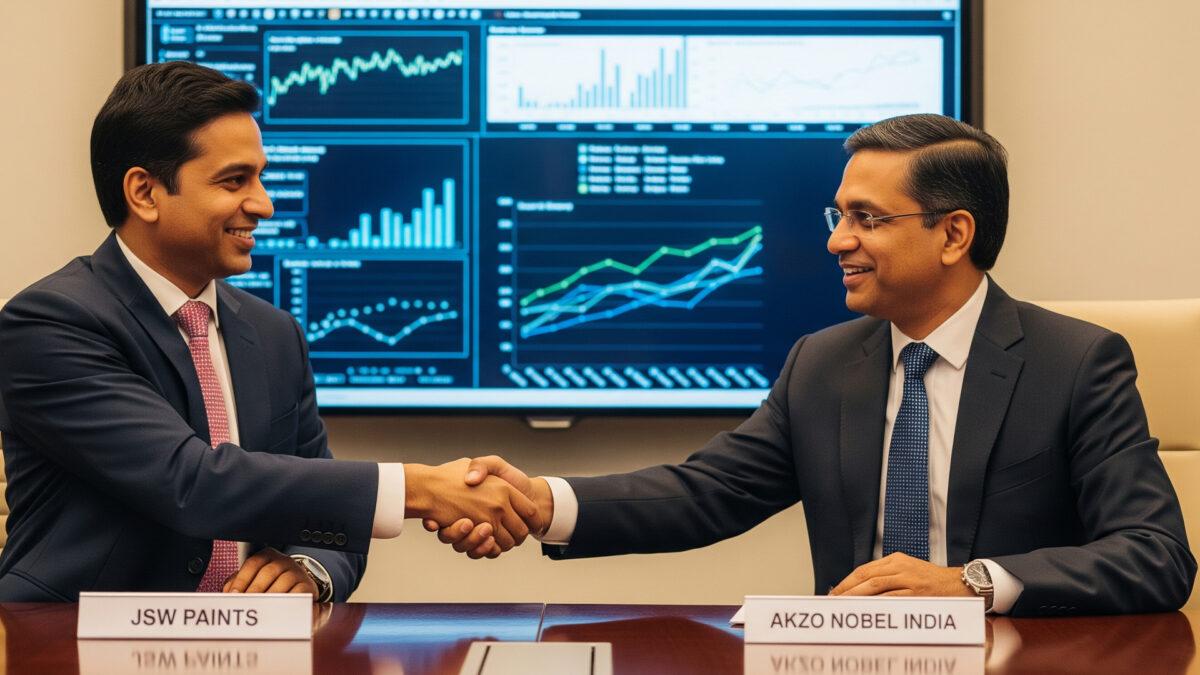
JSW Paints, a subsidiary of the $23 billion JSW Group, has received approval from the Competition Commission of India (CCI) to acquire up to a 75% stake in Akzo Nobel India Ltd (ANIL) for ₹12,915 crore. This strategic move positions JSW Paints as the fourth-largest player in India’s competitive paint industry, which is currently dominated by Asian Paints, Berger Paints, and Kansai Nerolac.

The deal comprises a ₹8,986 crore purchase of a 74.76% stake from Akzo Nobel N.V., followed by a mandatory open offer to acquire an additional 25.24% from public shareholders for up to ₹3,929 crore. The acquisition is expected to be completed by the fourth quarter of FY25. Akzo Nobel India, headquartered in Gurugram, is renowned for its premium brands, including Dulux, International, and Sikkens.

Parth Jindal, Managing Director of JSW Paints, expressed enthusiasm about the acquisition, stating that it presents an exciting opportunity to build the paint company of the future. He emphasized the company’s commitment to leveraging this acquisition to drive growth and innovation in the industry.

The CCI’s approval comes amid increasing consolidation in the Indian paint sector. In 2024, Grasim Industries launched its Birla Opus brand, challenging market leaders and leading to an antitrust complaint against Asian Paints for alleged abuse of market dominance. JSW Paints had previously filed a similar complaint in 2022, which was dismissed by the CCI due to insufficient evidence of anti-competitive practices.

This acquisition underscores the growing trend of mergers and acquisitions in the Indian paint industry as companies seek to expand their market share and enhance their competitive positioning. JSW Paints’ entry into the top tier of the market is expected to intensify competition and drive further innovation in the sector.

As the deal progresses, stakeholders will be closely monitoring its impact on market dynamics, pricing strategies, and consumer choices within the Indian paint industry.

Also Read: Ola, Uber, and Rapido Receive Provisional Licences for Bike Taxi Services in Mumbai

Categories
Corporate

Running Out of Charge? Ford to Cut 1,000 Jobs in Germany as Europe’s EV Demand Slows

Ford Motor Co. has announced plans to cut up to 1,000 jobs at its electric vehicle (EV) plant in Cologne, Germany, citing weaker-than-expected demand for EVs in Europe. The job reductions are part of a broader restructuring effort aimed at aligning production capacity with current market realities.

The Cologne facility, which manufactures the all-electric Ford Explorer and Capri models, will reduce its operations from a two-shift schedule to a single-shift beginning in January 2026. The decision comes amid a significant slowdown in EV adoption across Europe. Although EV registrations have increased compared to the previous year, the growth has not matched industry forecasts, resulting in excess production capacity. Ford’s market share in Europe has remained largely unchanged, with only modest sales gains, reaching 3.3% as of July 2025.

To soften the impact on affected employees, Ford plans to offer voluntary redundancy packages at the Cologne plant. This approach is consistent with its earlier restructuring efforts, including the announcement in November 2024 of 2,900 job cuts, which were also addressed through voluntary exits and buyouts. Ford has emphasized that these steps are part of a long-term strategic realignment aimed at ensuring sustainability amid changing market conditions.

The Cologne job cuts are part of a wider pattern of workforce reductions across Europe. Ford has also announced plans to scale back operations at its Saarlouis plant, which is slated for closure as part of the company’s restructuring strategy. These actions reflect the broader challenges facing the European automotive sector as it navigates the shift toward electrification while managing cost pressures and market uncertainties.

Despite the cuts, Ford remains committed to the European EV market and continues to invest heavily in electrification. The company has earmarked $2 billion to transform the Cologne plant into a carbon-neutral EV production hub. At the same time, it has urged governments to step up support by enhancing incentives and expanding EV charging infrastructure. Ford has warned that without such backing, the transition to electric vehicles could face serious hurdles.

The decision to reduce operations underscores the challenges that automakers face in balancing supply with demand during a period of rapid technological transformation. Ford’s approach reflects an attempt to align its workforce and production capacity with market conditions, while continuing to invest in a more sustainable future.

As the EV market evolves, Ford’s restructuring efforts and strategic investments will play a critical role in determining its competitiveness in Europe. The outcome of these measures will likely influence the company’s market share and operational efficiency in the years to come, as well as shape broader trends in the automotive industry’s shift toward electrification.

Also Read: Ola, Uber, and Rapido Receive Provisional Licences for Bike Taxi Services in Mumbai

Categories
Beyond

Sensex Nears 82,700 as Trade Optimism and Fed Rate Cut Bets Lift Markets

As of 10:55 AM IST on September 17, 2025, India’s benchmark indices extended their gains, with positive momentum driven by global trade developments and expectations of monetary easing. The BSE Sensex rose by around 300 points, or 0.4%, trading near the 82,700 level, while the Nifty 50 index climbed over 80 points, or more than 0.34%, hovering close to 25,325. The index crossed the 25,300 threshold for the first time since July, reflecting broad-based buying.

Auto stocks led the rally, with the Nifty Auto index advancing more than 0.6%, supported by strong performances from companies such as Tata Motors and Maruti Suzuki. Stocks in the IT, realty, and media sectors also gained ground, while FMCG, metals, and pharmaceuticals remained under pressure, trading lower during the morning session.

Investors were encouraged by the easing of trade tensions between India and the United States. Recent discussions between Prime Minister Narendra Modi and U.S. President Donald Trump created optimism that the two countries are working toward resolving long-standing trade disputes. Trump expressed confidence about the progress in trade talks and referred to Modi as a close friend, while Modi described India and the U.S. as natural partners. These developments allayed earlier concerns about Trump’s proposed 50% tariffs on Indian goods and boosted market sentiment.

Expectations of a possible rate cut by the U.S. Federal Reserve further strengthened investor confidence. The Fed’s policy meeting, which concludes on September 17, is expected to result in a 25 basis point reduction in interest rates amid soft job data and pressure from the administration. A cut in rates is seen as beneficial for sectors such as IT, which derive significant revenue from the U.S. market. Investors are also hopeful that any easing by the Fed could prompt India’s central bank to reduce rates at its upcoming monetary policy review later this month.

The Indian rupee opened at 87.82 against the U.S. dollar, its best start in three weeks, improving from the previous session’s close of 88.05. The rupee’s recovery was supported by a weakening U.S. dollar, with the dollar index falling to a three-and-a-half-year low below the 96 mark. This trend further contributed to market optimism.

Experts noted that a combination of improved geopolitical relations, expectations of monetary easing, and favorable currency movements were driving the rally. Analysts pointed out that sectors such as automobiles have already factored in the anticipated demand surge, while other areas like banks and NBFCs could see increased investor interest once rate decisions are finalized.

The markets are expected to remain sensitive to further developments in U.S.-India trade negotiations and the outcome of the Fed’s policy meeting. Investors will also be watching the Reserve Bank of India’s upcoming review for clues on future monetary policy, which could have far-reaching implications for India’s economic growth and investment sentiment.

Also Read: Wipro and CrowdStrike Launch AI-Driven CyberShield MDR to Boost Enterprise Security

Categories
Corporate

Ola, Uber, and Rapido Receive Provisional Licences for Bike Taxi Services in Mumbai

The Maharashtra State Transport Authority (STA) has granted provisional licences to Ola, Uber, and Rapido to operate bike taxi services in the Mumbai Metropolitan Region (MMR). This development marks a significant step towards formalizing the bike taxi sector in Mumbai, providing residents with an affordable and efficient transportation option.

Regulatory Framework, Fare Structure, and Political Controversy

Under the newly implemented Maharashtra Bike Taxi Rules 2025, the STA has set a minimum fare of ₹15 for the first 1.5 km, with an additional ₹10.27 per km thereafter. These rates are based on the Khatua panel formula, which is also used to determine fares for autorickshaws and taxis in the state. The fare structure aims to offer competitive pricing compared to traditional modes of transport, such as black-and-yellow taxis and autorickshaws, which have higher minimum fares.

The provisional licences are contingent upon the companies submitting applications for permanent licences within one month, adhering to all terms and conditions outlined in the Maharashtra Bike Taxi Rules 2025. This includes ensuring that riders are between 20 and 50 years old, possess valid commercial driving licences, and have undergone police verification. Additionally, operators are required to use yellow-coloured vehicles equipped with two yellow helmets and offer safety features like the option for female passengers to request female riders.

Among the four applications received by the transport department, Smart-Ride’s application was rejected for failing to meet the necessary terms and conditions for operating a bike taxi service. The STA emphasized the importance of compliance with regulatory standards to ensure passenger safety and service quality.

The approval of bike taxi services has sparked political controversy. Opposition leaders, including Rohit Pawar of the Nationalist Congress Party (NCP) and Aaditya Thackeray of Shiv Sena (UBT), have criticized the decision. They allege a conflict of interest, pointing to a reported ₹10 crore sponsorship by Rapido for a league associated with Transport Minister Pratap Sarnaik. Both leaders questioned the sudden policy shift, from previous crackdowns on unauthorized bike taxis to granting official approval within months.

Public sentiment in Mumbai is mixed. Some residents welcome the introduction of bike taxis as a convenient and cost-effective alternative to traditional transport options. However, concerns have been raised about potential traffic congestion and the adequacy of existing infrastructure to support the new service.

The approved bike taxi services are expected to commence operations in the coming weeks, pending the completion of necessary formalities. The STA has indicated that it will review the fare structure and operational effectiveness after one year to assess the impact on the transportation ecosystem in Mumbai.

As the bike taxi services prepare to launch, stakeholders, including commuters, transport operators, and regulatory authorities, will be closely monitoring the implementation to ensure that the services meet safety standards and contribute positively to urban mobility in Mumbai. This initiative could redefine last-mile connectivity and offer a scalable model for other metropolitan areas in India while addressing urban traffic challenges.

Also Read: Wipro and CrowdStrike Launch AI-Driven CyberShield MDR to Boost Enterprise Security

Categories
Corporate

Jindal Steel Submits Non-Binding Offer for Thyssenkrupp Steel Europe

Jindal Steel International, a subsidiary of India’s Naveen Jindal Group, has made a non-binding offer to acquire Thyssenkrupp Steel Europe (TKSE), Germany’s largest steelmaker. The proposal includes a commitment to invest over €2 billion in decarbonization efforts, such as completing the under-construction direct reduced iron (DRI) plant in Duisburg and expanding electric arc furnace capacity to reduce emissions.

Additionally, Jindal Steel has expressed willingness to assume TKSE’s pension liabilities, which have been a significant hurdle in previous divestment attempts.

Thyssenkrupp has stated that it will carefully evaluate the offer, focusing on economic sustainability, the continuation of its green transformation, and the impact on employment at its steel plants. The announcement led to a positive market reaction, with Thyssenkrupp’s shares rising by up to 7.9%, reaching their highest value in over four years.

This move by Jindal Steel International underscores India’s growing interest in European steel assets and reflects a strategic approach to global expansion in the steel industry. The bid also highlights the importance of sustainable practices and financial stability in the evolving global steel market.

As the situation develops, stakeholders in both India and Germany will be closely monitoring the negotiations and their potential impact on the steel industry. The outcome of these talks could set a precedent for cross-border investments and collaborations aimed at modernizing legacy industries while addressing environmental concerns.

Jindal Steel’s approach signals a blend of financial commitment and technological advancement, positioning it as a potential partner in TKSE’s future roadmap. Both companies appear poised to navigate the complexities of restructuring while aligning with broader sustainability goals and preserving jobs amid the transition.

Also Read: Internal Strife Erupts at Tata Trusts Over Nominee Director Appointment

Categories
Corporate

Blue Dart Aviation Faces ₹420 Crore GST Demand Notice

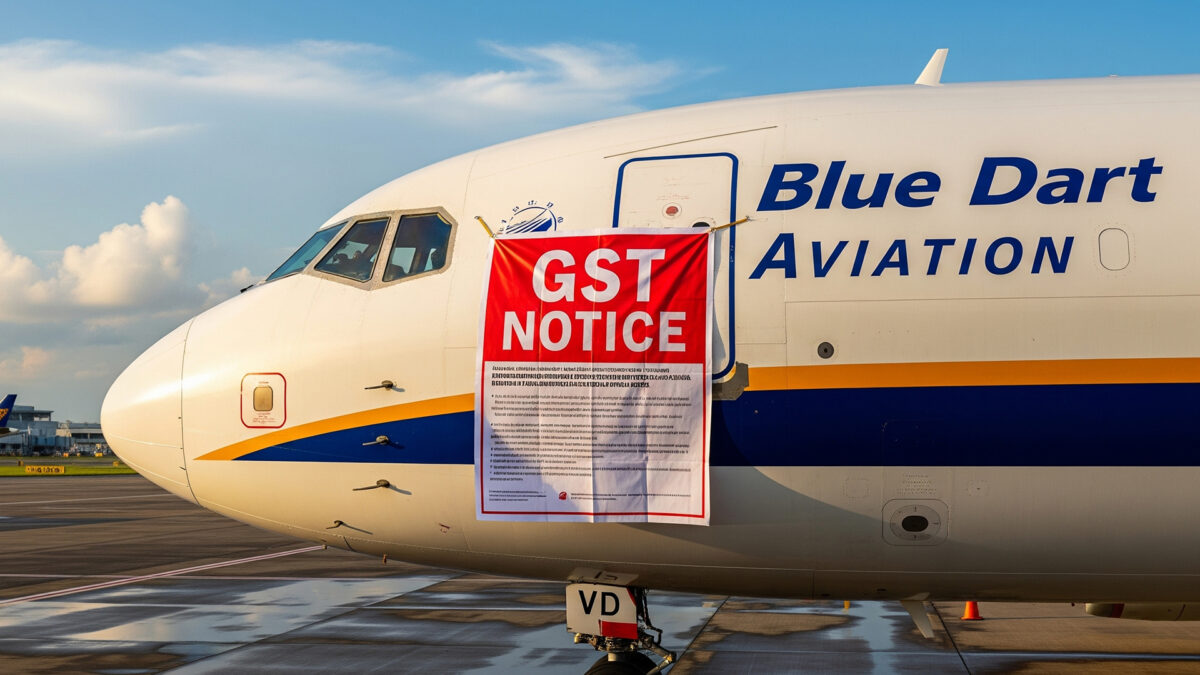
Blue Dart Aviation Limited, a wholly owned subsidiary of Blue Dart Express Ltd, has been issued a Show Cause Cum Demand Notice by the Office of the Commissioner of GST and Central Excise, Chennai South Commissionerate. The notice, dated September 15, 2025, alleges tax dues amounting to approximately ₹420 crore for the period covering the financial years 2021-22 and 2022-23.

According to the notice, the authorities claim that Blue Dart Aviation incorrectly paid ₹365.58 crore in Goods and Services Tax (GST), comprising both Central GST (CGST) and State GST (SGST), under the Integrated GST (IGST) head during the aforementioned period. Additionally, the notice raises concerns about ₹54.55 crore in ineligible Input Tax Credit (ITC), which the authorities believe was claimed based on invoices issued from locations other than where the services were provided. Furthermore, ₹64.98 lakh in ITC related to materials written off in the company’s books has also been questioned.

The company has been asked to respond within 30 days to the Additional or Joint Commissioner of GST and Central Excise, Chennai South Commissionerate, explaining why these amounts should not be recovered. Blue Dart Aviation has stated that it is in the process of evaluating the matter and intends to submit its reply within the stipulated period.

Despite the magnitude of the demand, the company has expressed confidence that this issue will not have a significant impact on its financial performance, operations, or overall business activities. It has assured investors and stakeholders that it is engaging with the authorities and reviewing its tax filings to clarify the situation.

This development comes at a time when tax compliance and regulatory scrutiny in India have been increasingly stringent. The logistics sector, in particular, has faced greater scrutiny due to the complexity of supply chains and inter-state service provisions, making accurate tax filings and compliance more challenging.

The disclosure of this tax notice is expected to draw attention in the financial markets, with Blue Dart Express Ltd’s shares likely to be closely monitored on September 17, 2025. Analysts and investors are awaiting further updates from the company regarding its response to the notice and any potential implications for its business.

Blue Dart Aviation’s handling of this tax issue will likely set a precedent, especially for companies operating in highly regulated sectors with multiple tax jurisdictions. The case underscores the importance of robust tax compliance mechanisms and the need for detailed documentation to support claims such as Input Tax Credit, particularly in sectors involving cross-border or inter-state services.

As the company works toward resolving the matter, its assurance that the issue will not materially affect its operations or growth outlook may offer some reassurance to stakeholders. However, the resolution of such tax demands remains critical not only for Blue Dart’s reputation but also for its long-term business strategy in the logistics industry.

Also Read: Internal Strife Erupts at Tata Trusts Over Nominee Director Appointment

Categories
Corporate

Urban Company Makes a Strong Stock Market Debut

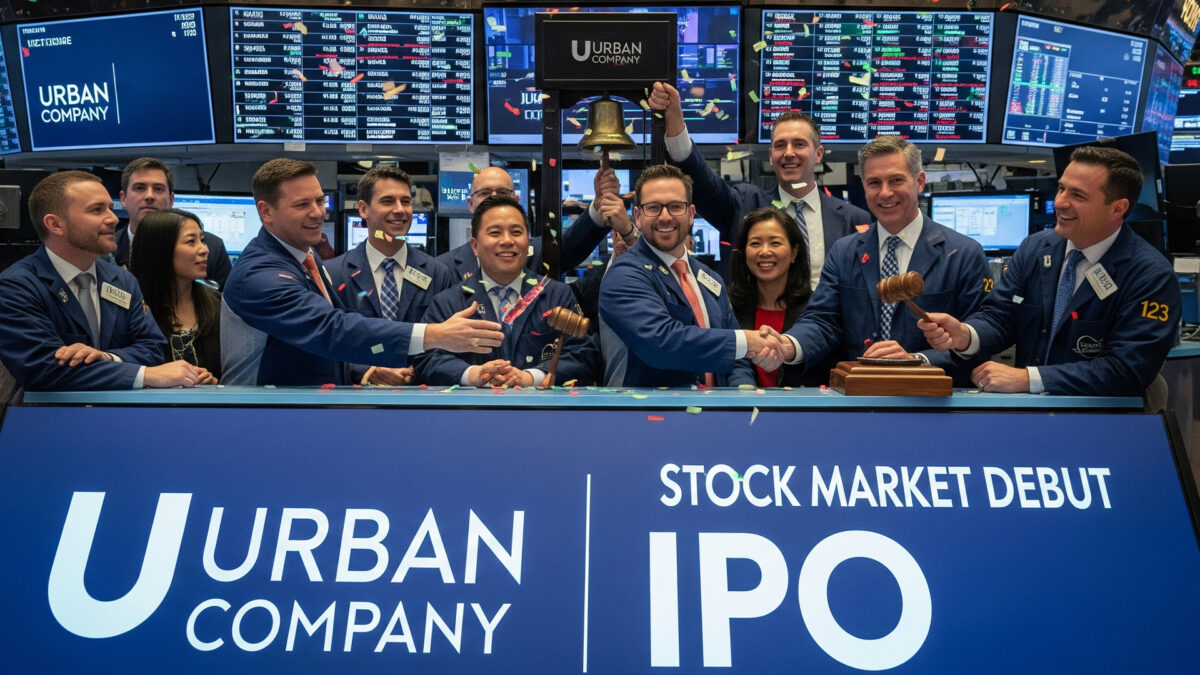
Urban Company, India’s leading tech-enabled home services platform, made a remarkable debut on the stock market on September 17, 2025. Its shares opened at ₹162.25 on the National Stock Exchange, marking a 57.5% premium over the IPO price of ₹103. On the Bombay Stock Exchange, the shares listed at ₹161, reflecting a 56% increase. The company’s IPO, which raised ₹1,900 crore, was oversubscribed by 103.6 times, making it the most subscribed IPO in India for 2025 among large-scale offerings. The issue comprised a fresh issue of ₹472 crore and an offer-for-sale of ₹1,428 crore. The price band was set between ₹98 and ₹103 per share, valuing the company at approximately $1.7 billion. The strong grey-market premium suggested robust investor interest, and the subsequent listing validated that optimism.

Financial Growth and Future Prospects

Urban Company has demonstrated significant growth and profitability in recent years. In fiscal year 2025, it reported a net profit of ₹242 crore in the first nine months, reversing a ₹58 crore loss during the same period last year. Revenue grew by 38% to reach ₹1,145 crore. A major growth driver has been the launch of its ‘Native’ sub-brand, offering smart RO water purifiers. Since its introduction in 2023, Native has expanded over 30 times in revenue and now contributes over 10% of Urban Company’s top line. The company currently serves customers across 51 Indian cities and has expanded internationally to markets such as the UAE and Singapore.

This expansion has strengthened Urban Company’s position in the highly competitive home services sector. The positive listing reflects strong investor confidence in its business model and growth trajectory. Analysts, however, suggest that it remains essential to track how the company performs in sustaining growth and profitability amidst evolving market dynamics.

Urban Company’s successful IPO and debut underscore the rising investor interest in technology-driven service platforms in India. With its continuous innovation and expansion across regions, the company is well-positioned to meet the increasing demand for organized home services and build a sustainable, scalable business model for the future.

Also Read: Wipro and CrowdStrike Launch AI-Driven CyberShield MDR to Boost Enterprise Security

Categories
Corporate

Apollo Tyres Becomes Team India’s New Lead Sponsor

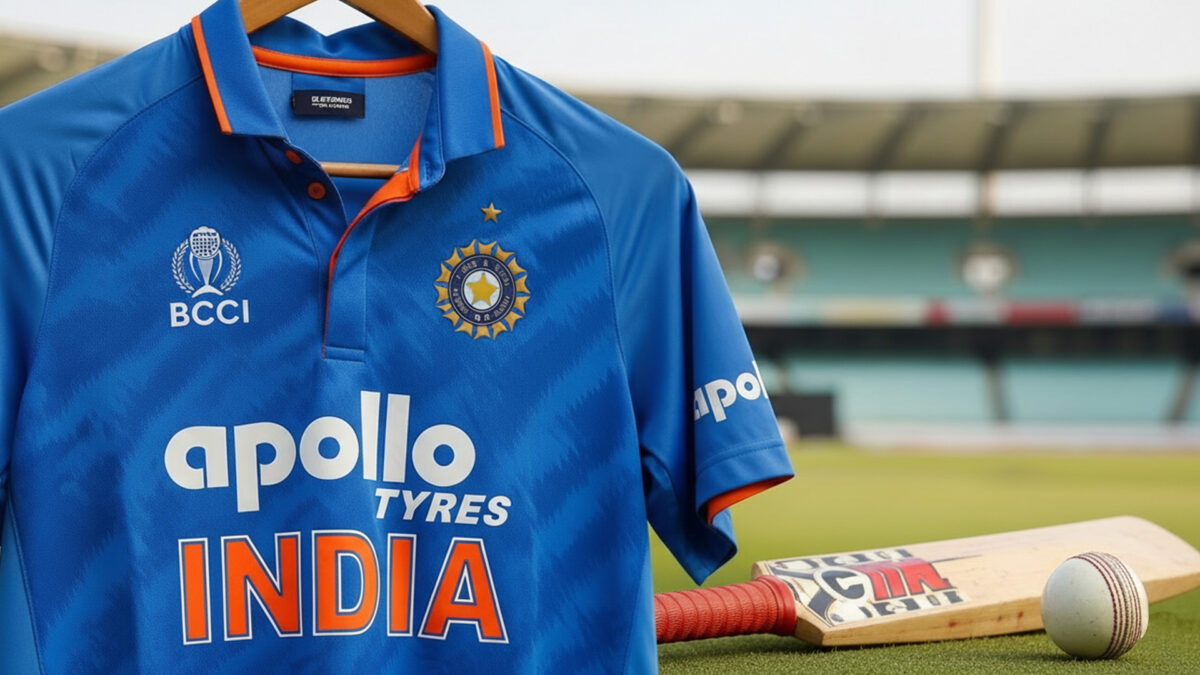
Apollo Tyres has been announced as the new lead sponsor for India’s national cricket team, replacing Dream11. The Board of Control for Cricket in India (BCCI) confirmed the partnership on September 16, 2025, marking a significant development in Indian sports sponsorship. The deal, valued at ₹579.06 crore, spans two and a half years and will run through March 2028. Under the agreement, Apollo Tyres’ logo will feature prominently on the jerseys of both the men’s and women’s national teams across all formats of the game. This partnership represents Apollo Tyres’ first major foray into cricket sponsorship and aligns the brand with one of the most followed sports in the country.

BCCI Secretary Devajit Saikia described the agreement as more than a commercial deal, emphasizing the mutual trust and respect between the two organizations. Apollo Tyres’ Vice-Chairman and Managing Director, Neeraj Kanwar, expressed pride in the association, highlighting cricket’s popularity not only in India but across the world. The sponsorship is expected to boost the brand’s visibility and deepen its engagement with cricket fans nationwide. The move also underscores the growing role of strategic sponsorships in shaping consumer connections and brand recall in sports.

Dream11’s Exit Amid Online Gaming Ban

Dream11’s departure as Team India’s sponsor was driven by regulatory changes in India’s online gaming sector. The Indian government recently enacted the Promotion and Regulation of Online Gaming Bill 2025, which bans real-money online gaming platforms, including fantasy sports, and restricts their advertising and sponsorship activities. Dream11, one of the country’s largest fantasy gaming platforms, had signed a ₹358 crore agreement with the BCCI in 2023, making it the lead sponsor at that time.

However, with the new legislation coming into force, the partnership became unsustainable. To ensure compliance with the law and protect the integrity of cricket sponsorship, the BCCI terminated the agreement with Dream11. This decision reflects broader concerns about the influence of online gaming on sports and its ethical, financial, and social implications. Dream11’s exit highlights the challenges that emerging industries face in navigating evolving regulatory frameworks and balancing growth with compliance.

The shift from Dream11 to Apollo Tyres signals a strategic recalibration by the BCCI as it adapts to new policies while maintaining strong commercial partnerships. Apollo Tyres’ entry into cricket sponsorship reinforces the importance of associating with brands that align with long-term values and consumer trust, setting the stage for future collaborations in a rapidly changing sports ecosystem.

Also Read: Wipro and CrowdStrike Launch AI-Driven CyberShield MDR to Boost Enterprise Security

Categories
Leaders

Internal Strife Erupts at Tata Trusts Over Nominee Director Appointment

Tata Trusts, the philanthropic arm holding a 66% stake in Tata Sons, is embroiled in internal discord following a contentious dispute over the appointment of a nominee director to the Tata Sons board. The disagreement has spotlighted deeper governance challenges within the Tata Group, which oversees a diversified portfolio valued at over ₹27 lakh crore.

The conflict traces back to October 2024, after the passing of Ratan Tata, when Noel Tata was appointed chairman of Tata Trusts. A resolution was passed stipulating that nominee directors on the Tata Sons board must seek annual reappointment upon reaching the age of 75. This policy directly affected Vijay Singh, 77, who had served as a nominee director since 2013 and as vice-chairman of Tata Trusts since 2018. Singh was due for reappointment at the September 2025 board meeting.

Tensions escalated when four trustees—Mehli Mistry, Pramit Jhaveri, Jehangir Jehangir, and Darius Khambata—opposed Singh’s reappointment. In response, Singh tendered his resignation from the Tata Sons board. The dissenting group proposed nominating Mehli Mistry as their representative, a move opposed by Noel Tata and Venu Srinivasan, who emphasized the need for a transparent and due process in line with Tata values.

The nominee directors appointed by Tata Trusts hold significant influence, including veto powers on key decisions such as acquisitions or capital expenditures exceeding ₹100 crore. This authority underscores the gravity of the dispute, as altering the composition of nominee directors can shift the balance of power within Tata Sons.

The fallout from this internal strife has led to a temporary reduction in Tata Trusts’ representation on the Tata Sons board. Currently, only two nominee directors remain, and the Trusts are considering engaging a professional firm to identify and shortlist potential candidates for the vacant position.

This episode highlights ongoing governance challenges within the Tata Group, particularly concerning the interplay between its philanthropic and business arms. The resolution of this dispute will likely have lasting implications for the group’s governance framework and its adherence to the values established by its founder, Jamsetji Tata.

Also Read: Adani Enterprises Secures ₹4,081 Crore Kedarnath Ropeway Project