Categories
1 Minute-Read

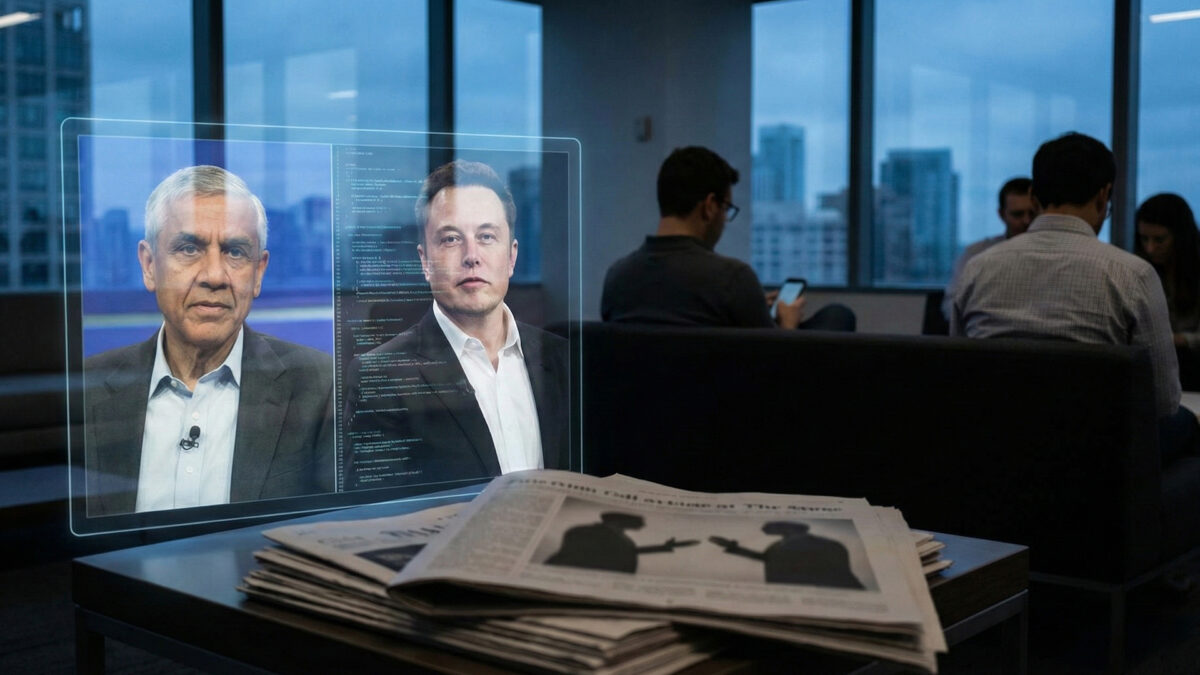
Elon Musk hits back at Vinod Khosla over racism claims

Elon Musk and venture capitalist Vinod Khosla clashed publicly over accusations of racism.

Khosla criticized Musk for past comments about the shrinking global white population, suggesting it reflected a “White America Great Again” ideology, and urged non-white employees at Musk’s companies to leave. Musk rejected the claims, pointing out that his partner, Shivon Zilis, is of Indian descent and his son’s middle name honors Indian physicist Subrahmanyan Chandrasekhar.

The spat, filled with sharp personal barbs, highlights ongoing debates in tech over race, leadership, and the responsibilities of high-profile CEOs in addressing sensitive social issues.

Categories
Technology

Meta to test paid perks on Instagram, Facebook, WhatsApp

Meta Platforms, the parent company of Instagram, Facebook, and WhatsApp, is preparing to test premium subscription plans across its flagship apps. The company says the move will allow users to access extra tools and AI-powered features, while keeping the core services free for everyone.

The plan is part of Meta’s broader effort to diversify revenue beyond advertising. Rather than a single universal package, each app will likely offer distinct premium bundles designed around how users interact with the platform. Meta hasn’t shared details on pricing, timing, or the markets where the tests will begin.

On Instagram, early reports suggest that premium subscribers could see features such as advanced audience insights, private Story viewing, and unlimited follower lists. These tools aim to help users and creators manage content and engagement more effectively. Meta also plans to integrate AI-based creative tools, letting subscribers generate content, create videos, and manage interactions more efficiently. Some of these AI features, currently free, may move to a freemium model, where basic access remains free but advanced options require a subscription.

Details for Facebook and WhatsApp remain limited. Meta says premium offerings for these apps may focus on productivity, messaging, and enhanced content creation. For WhatsApp, this could appeal to professional users and community managers, though specific tools are not yet confirmed.

These new subscription plans are separate from Meta Verified, the company’s existing paid service for identity verification, account protection, and support for creators. Meta will leverage lessons from Meta Verified to shape its broader premium strategy.

Industry experts note that while other platforms, like Snapchat and X, have found success with paid subscriptions, Meta faces the challenge of convincing billions of users, long accustomed to free access, that premium features are worth paying for. The company plans to monitor user feedback closely, adjusting offerings as needed before a potential full rollout.

Also Read: PM Modi offers $500bn energy deal at IEW 2026

Categories
Leaders

PM Modi offers $500bn energy deal at IEW 2026
Prime Minister Narendra Modi on Tuesday said India’s energy sector offers $500 billion worth of investment opportunities, inviting global companies to partner in the country’s growth journey. Speaking at India Energy Week 2026, he said rising demand, policy reforms and long-term planning make India a key destination for energy investments.

He highlighted opportunities across oil and gas exploration, refining, pipelines, natural gas and LNG infrastructure. He affirmed India plans to attract $100 billion in oil and gas investments by 2030, while expanding exploration acreage to nearly one million square kilometres.

PM Modi noted that India already ranks among the world’s top refining hubs and is working to further increase capacity to meet domestic and export demand. He also underlined the government’s focus on raising the share of natural gas in the energy mix through new terminals and transport networks.

Modi said consistent reforms, stable policies and a growing economy are helping India move towards energy security and self-reliance, while offering strong returns to investors.

Also Read: Reliance, ONGC partner to share offshore energy assets

Categories
Corporate

Hindalco to invest ₹21,000 cr in Odisha expansion

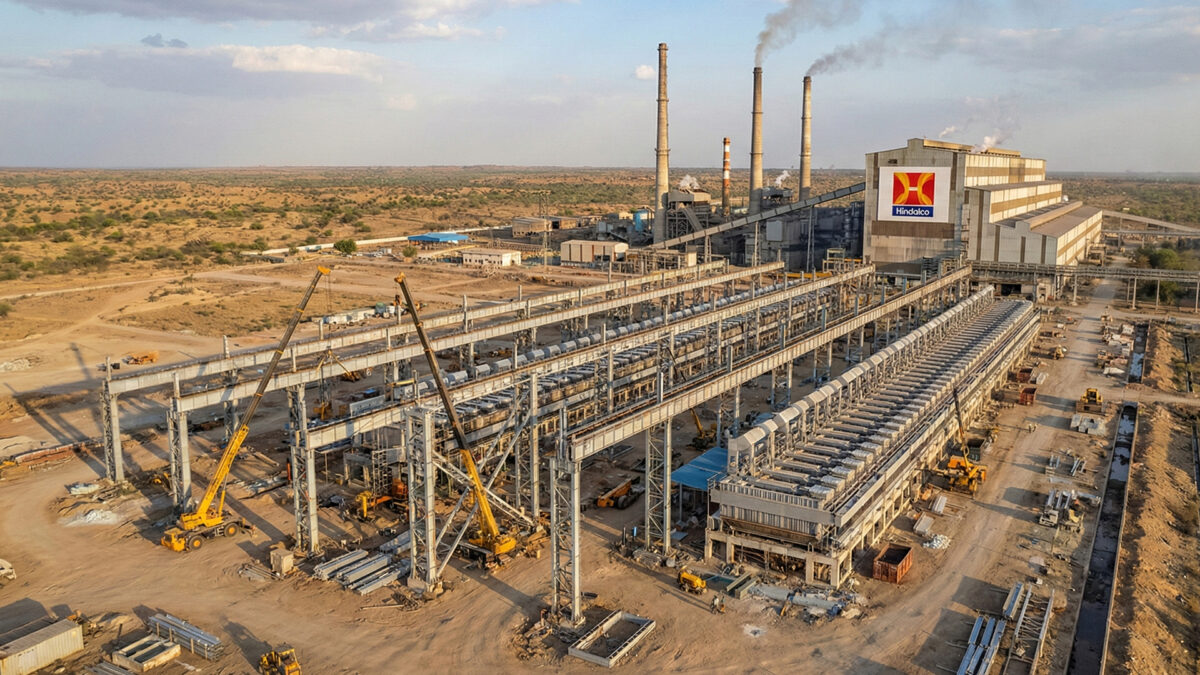
Hindalco Industries Ltd, the metals flagship of the Aditya Birla Group, has announced a large expansion of its aluminium operations in Odisha, reinforcing the state’s role as a key hub in India’s metals and manufacturing ecosystem. The company will invest ₹21,000 crore to expand capacity at its Aditya Aluminium complex in Sambalpur, alongside commissioning high-value downstream facilities.

The expansion includes a major increase in aluminium smelting capacity by 3.6 lakh tonnes per annum, aimed at meeting rising domestic demand from infrastructure, automotive and energy sectors. As part of the same integrated project, Hindalco has operationalised a 1.7 lakh tonnes per annum Flat Rolled Products (FRP) plant and India’s first battery-grade aluminium foil unit, built at an investment of around ₹4,500 crore.

The battery foil facility is a strategic addition, designed to support up to 100 GWh of lithium-ion battery manufacturing, a critical input for electric vehicles and renewable energy storage. Company officials said this would reduce India’s dependence on aluminium foil imports and strengthen domestic supply chains for the fast-growing EV ecosystem. The expanded FRP capacity is also expected to cut aluminium imports significantly while supplying sectors such as packaging, defence, railways and clean energy.

Odisha Chief Minister Mohan Charan Majhi inaugurated multiple Hindalco projects in Sambalpur, together valued at around ₹26,496 crore. He said the investments would accelerate industrial growth in western Odisha, generate employment and improve skill development in the region. The state government has also announced plans to set up a second World Skill Centre in Sambalpur to prepare local youth for advanced manufacturing roles.

Hindalco Managing Director Satish Pai stated that the Sambalpur expansion is part of a broader ₹37,000 crore investment pipeline in Odisha, aligned with the company’s overall ₹55,000 crore capital expenditure plan across India. These projects span both upstream and downstream aluminium operations and are expected to create nearly 15,000 direct and indirect jobs.

Also Read: Tata Consumer Q3 profit jumps 38% to ₹385 cr

Categories
Corporate

Asian Paints Q3 profit ₹1,060 cr, shares drop 7%

Shares of Asian Paints tumbled nearly 7% on January 28 after the company reported Q3 net profit of ₹1,060 crore, down 5% YoY, and revenue of ₹8,867 crore, up just 4% YoY. Slower-than-expected demand, a short festive season, and extended monsoon rains hit decorative paint sales.

Brokerages reacted cautiously. Motilal Oswal called the quarter “lacklustre,” warning that recovery in decorative paint demand may be delayed. EBITDA margin guidance remains 18–20%, but earnings forecasts were slightly trimmed.

JM Financial noted decorative paint volume growth at 7.9% and value growth at 2.8%, below expectations, while Citi highlighted ongoing competitive pressures, maintaining a Sell rating.

Despite expectations of mid-single-digit growth ahead, analysts say the gap between volume and value growth may persist. Weak Q3 results and cautious guidance sent the stock to its lowest since October 2025, signaling that India’s paint market recovery may take longer than expected.

Also Read: Adani, Embraer join hands to make aircraft in India

Categories
Corporate

Adani, Embraer join hands to make aircraft in India

Adani Defence & Aerospace has joined hands with Brazil’s Embraer, one of the world’s leading aircraft manufacturers, to explore the establishment of an aircraft manufacturing facility and regional transport aircraft ecosystem in India. The Memorandum of Understanding (MoU), announced on January 27, 2026, marks a strategic push to strengthen domestic aviation production capabilities and reduce dependence on imports.

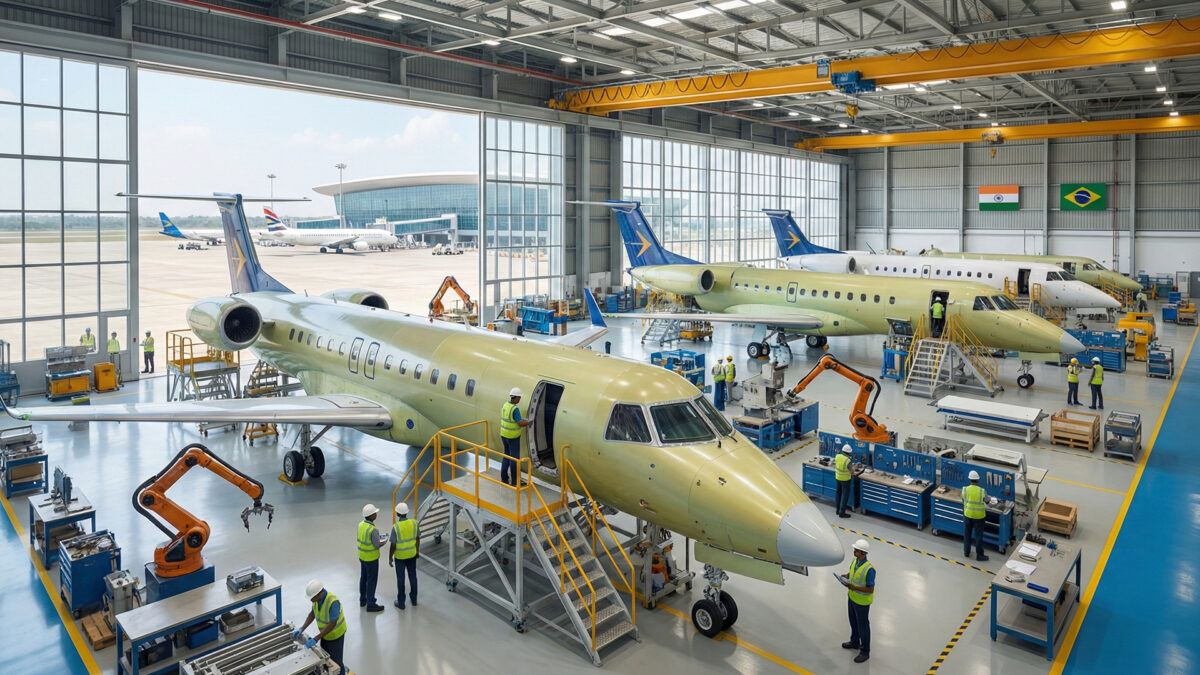
The collaboration plans to set up a Final Assembly Line (FAL), India’s first commercial aircraft assembly unit, where regional transport aircraft will be locally assembled. While the investment size and exact location are yet to be disclosed, both companies are working on plans to create an integrated aerospace ecosystem encompassing supply chain development, aircraft maintenance, pilot training, and aftermarket services.

The partnership aligns with the Indian government’s Aatmanirbhar Bharat initiative, emphasizing progressive indigenisation of components. Over time, the facility aims to produce more aircraft parts locally, strengthening India’s position as a regional hub for aerospace manufacturing. Industry experts expect this move to generate skilled employment, promote technology transfer, and support India’s growing civil aviation market, projected to be among the fastest-growing globally.

Jeet Adani, Director of Adani Defence & Aerospace, described the MoU as a “significant entry into aircraft manufacturing”, leveraging Embraer’s technical expertise in regional jets seating 70–140 passengers and Adani’s extensive aviation and logistics infrastructure. Analysts note that combining Embraer’s engineering strength with Adani’s operational footprint could accelerate India’s aircraft production capacity while supporting regional connectivity under the government’s UDAN scheme.

The agreement also signals deepening India-Brazil aerospace cooperation, reflecting growing global interest in India’s civil aviation sector. By developing a domestic assembly line for regional aircraft, India is expected to reduce import dependency, attract further foreign investment in aerospace, and position itself as a strategic player in the global aircraft manufacturing ecosystem.

Also Read: Adani shares jump 6% after legal clarity

Categories
1 Minute-Read

Axis Bank Q3 profit rises 3% to ₹6,490 cr

Axis Bank announced a 3 per cent increase in its standalone net profit for the third quarter ended December, reporting earnings of ₹6,490 crore compared with ₹6,304 crore a year earlier.

The bank’s net interest income rose 5 per cent to ₹14,287 crore, supported by strong loan growth of around 14 per cent. Total deposits grew by nearly 15 per cent during the quarter.

Asset quality improved, with a fall in gross and net non-performing assets, although margins dipped slightly. The bank said it continues to focus on balanced growth, strengthening its balance sheet, and maintaining prudent risk management amid a cautious lending environment.

Categories
Corporate

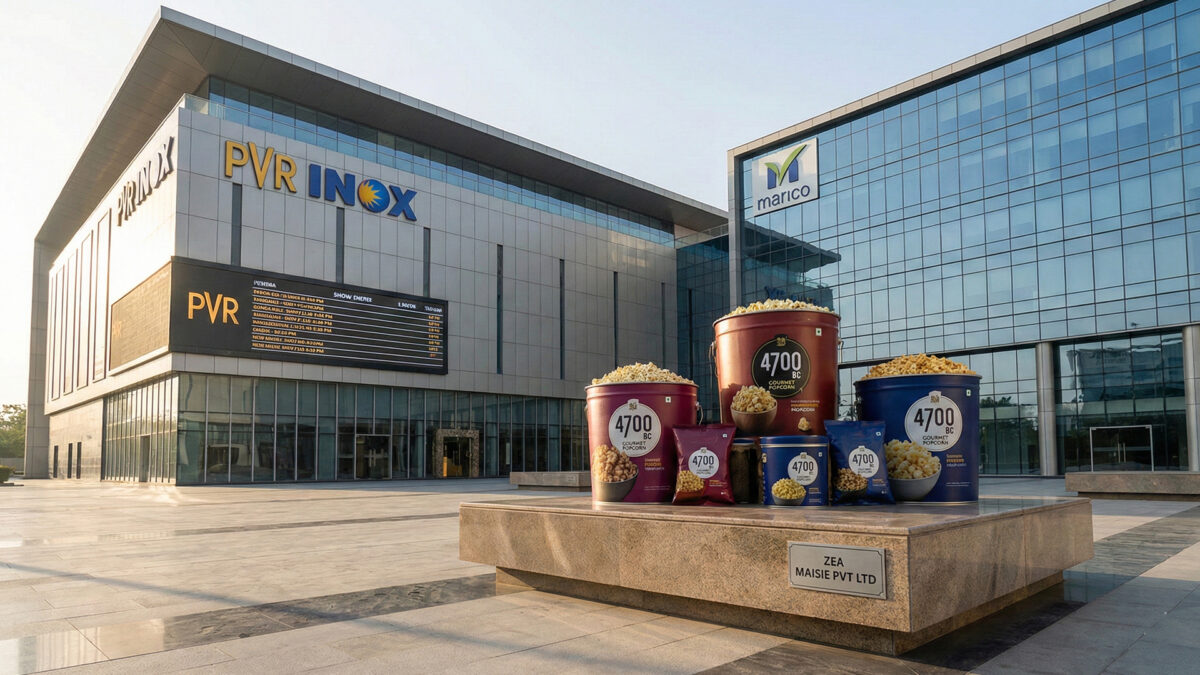
PVR INOX sells 4700BC to Marico for ₹226.8 cr

India’s biggest cinema chain, PVR INOX, has sold its premium snack brand 4700BC to FMCG company Marico Ltd for ₹226.8 crore. The deal is entirely in cash and marks a new phase for the popular snacking brand.

Under the agreement, Marico will buy 93.27% stake held by PVR INOX in Zea Maize Private Limited, the company that owns 4700BC. After the deal is completed, Zea Maize will no longer be part of the PVR INOX group.

The 4700BC brand started inside PVR cinemas, where it became known for gourmet popcorn sold at movie theatres. Over time, the brand moved beyond cinema halls and became available in supermarkets, online stores and quick-commerce platforms. Its product range now includes flavoured popcorn, popped chips, makhana, crunchy corn and nachos, and it has built a loyal customer base, especially in cities.

PVR INOX said the decision to sell the brand is part of its plan to focus on its main business of running cinemas. By selling a non-core business, the company aims to strengthen its finances, improve cash flow and invest more in its theatre operations. The company also clarified that the deal will not affect food and beverage sales inside cinemas, which remain an important part of its business.

PVR INOX Managing Director Ajay Bijli said the company is proud to have helped grow 4700BC from a small idea into a well-known snack brand. He added that the brand is now ready to grow faster under a company that specialises in consumer goods.

For Marico, the acquisition fits its strategy of expanding into fast-growing food and snacking categories. Known for brands like Saffola, Parachute and Livon, Marico plans to use its strong distribution network, marketing expertise and product innovation to take 4700BC to more homes across India.

Also Read: FTA to lift luxury cars, says BMW CEO

Categories
Corporate

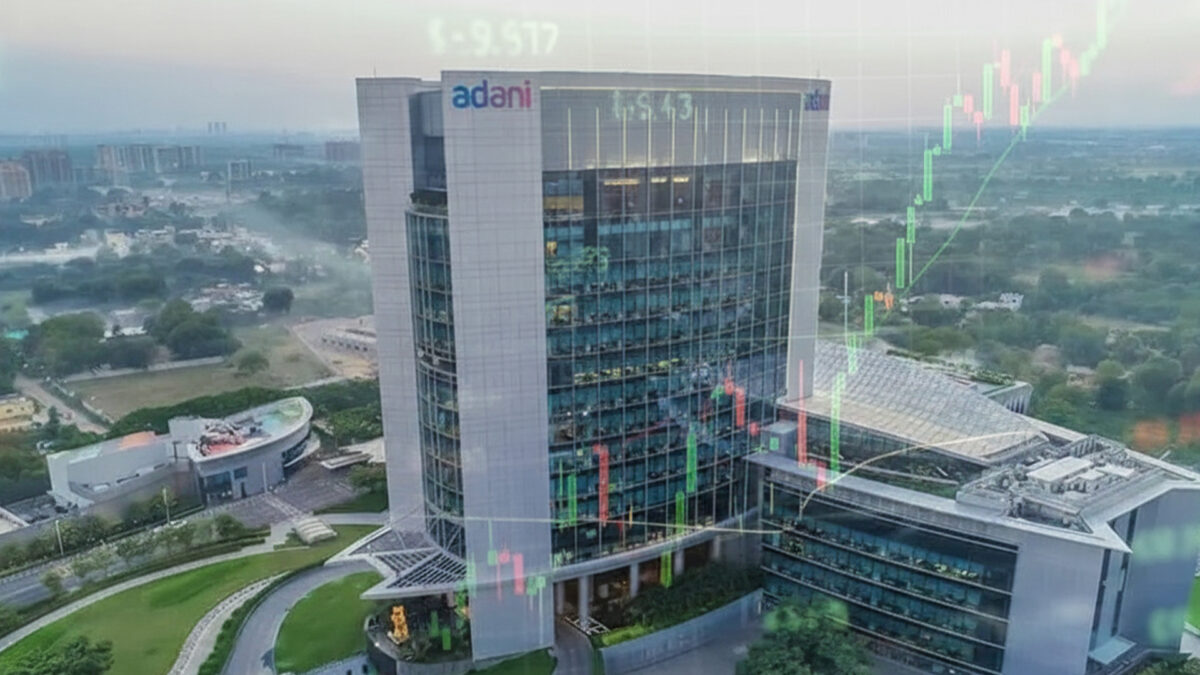
Adani shares jump 6% after legal clarity

Adani Group shares made a strong comeback on Tuesday, January 27, after last week’s steep losses rattled investors. Key companies in the group, including Adani Enterprises, Adani Ports, and Adani Green Energy, rose by up to 6% during trading, regaining some of the value lost during a sudden market slump.

The recovery followed a regulatory update from Adani Enterprises, which clarified its position regarding US legal proceedings that had caused investor concern. The company emphasized that it has not been accused of any wrongdoing and is not involved in the case highlighted in recent media reports. It reassured stock exchanges that the matter does not require disclosure under Indian listing rules.

This statement helped calm nerves after speculation grew around a US Securities and Exchange Commission (SEC) case involving Gautam Adani and his nephew, Sagar Adani. The SEC had been seeking alternative ways to serve legal notices in a civil case alleging fraud. The Adani Group has consistently denied any wrongdoing, stating that it will defend itself in court.

Investors responded positively to this clarification, pushing shares higher and partially restoring the market value wiped out in the previous sell-off. Analysts, however, caution that while Tuesday’s gains bring some relief, it remains uncertain whether this momentum will last, given ongoing legal uncertainties and market volatility.

Broader Indian markets also ended the day on a positive note, with the Nifty 50 and BSE Sensex gaining amid strong corporate earnings and sectoral strength. The rebound in Adani stocks was among the most notable movements, highlighting how investor sentiment can swing sharply on news and clarifications.

Also Read: Sensex climbs 320 points, Nifty tops 25,150

Categories
Technology

Google settles $68mn privacy lawsuit

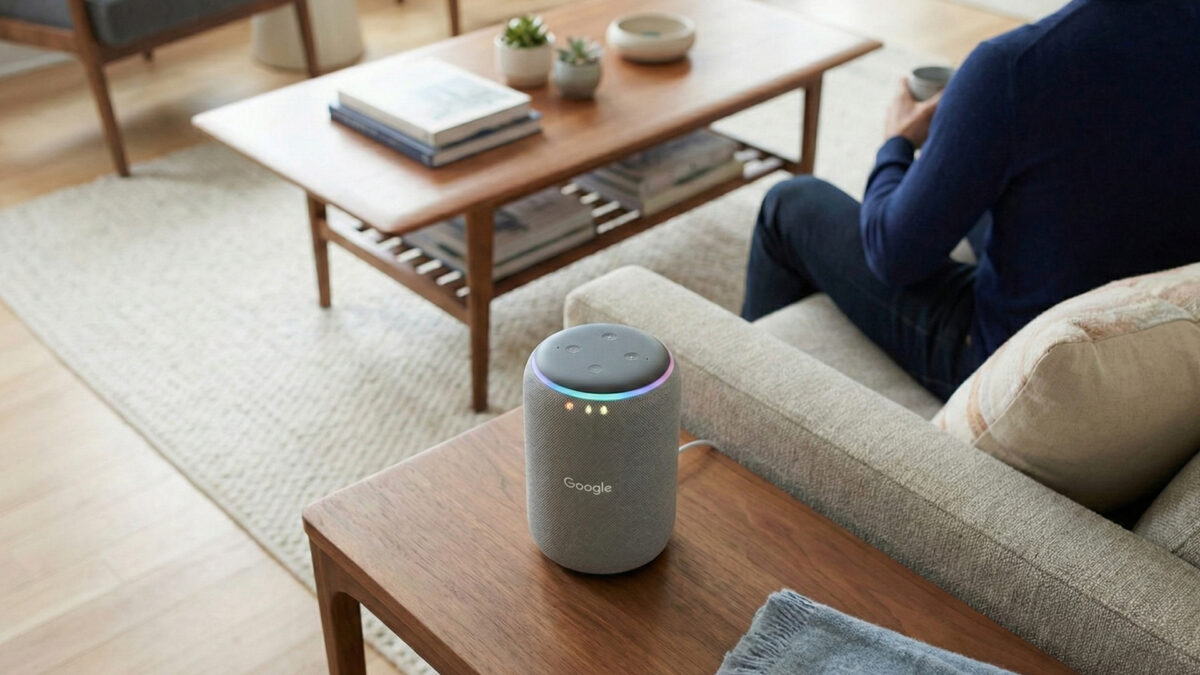
Google has agreed to pay $68 million to settle a U.S. class-action lawsuit accusing its voice assistant of recording private conversations without user permission. The settlement was filed in a federal court in San Jose, California, and now awaits approval from a judge before it becomes final.

The lawsuit claimed that Google Assistant, which powers devices such as smart speakers, smartphones, and smart displays, sometimes recorded conversations even when users did not intentionally activate it with trigger phrases like “Hey Google” or “Ok Google.” These accidental recordings, known as “false accepts,” allegedly captured private discussions that could be shared with third parties or used for targeted advertising.

The lawsuit covered anyone who had a Google Assistant-enabled device since May 18, 2016, potentially including millions of users. While Google has denied any wrongdoing, it said the settlement was intended to avoid prolonged legal battles, uncertainty, and costs associated with litigation.

If approved, the $68 million fund will pay eligible users and cover legal fees. Attorneys representing the plaintiffs may receive up to one-third of the total settlement, approximately $22.7 million, for their work.

This settlement follows a similar case involving Apple, which in 2025 agreed to pay $95 million over allegations that Siri also recorded users without consent. Experts say these cases highlight growing concerns about voice assistant privacy and the responsibilities of tech companies in protecting user data.

The Google settlement emphasizes the importance of transparency and consent in devices that are always listening.

Also Read: India-EU FTA sealed after 20 years