
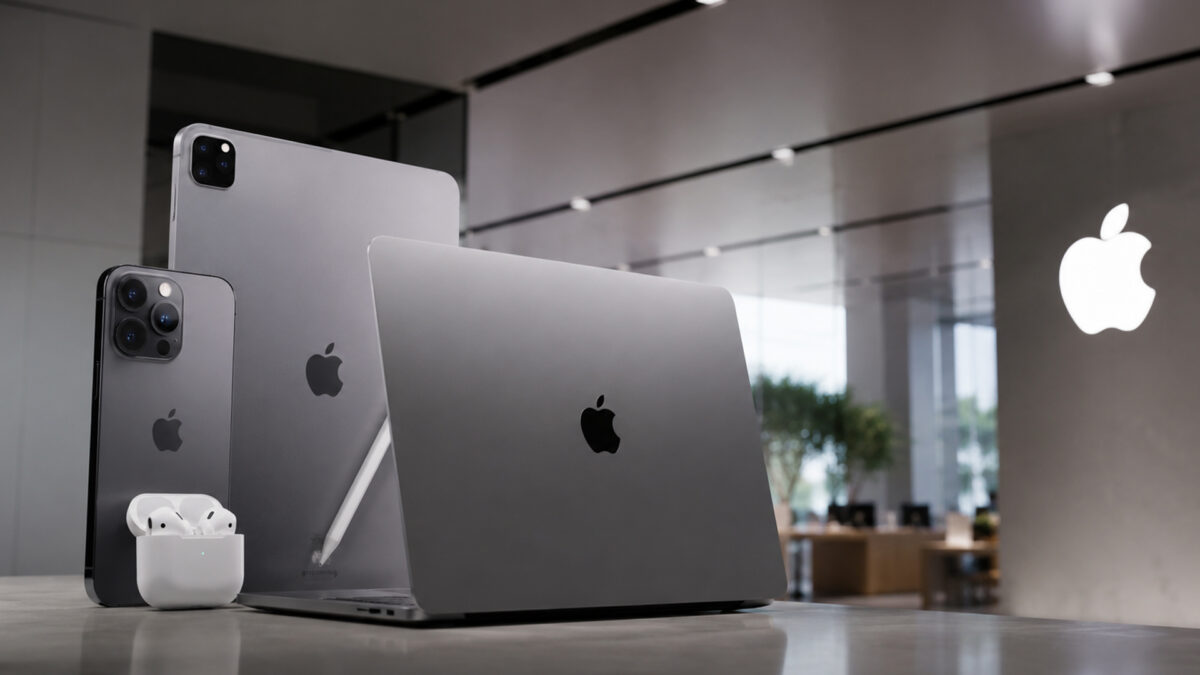
Apple could increase the prices of future iPhones and other devices as rising memory chip costs begin to put pressure on the company’s manufacturing expenses.
According to recent reports, the sharp growth in artificial intelligence (AI) applications has triggered an unprecedented demand for high-performance memory chips, particularly DRAM and advanced storage components. As technology companies race to build AI-powered products and data centres, supplies of these critical chips have become increasingly tight.
The shortage has led to higher prices for memory components, a key part of smartphones, laptops and tablets. Industry analysts believe Apple may eventually pass some of these additional costs on to consumers, especially if chip prices continue to climb in the coming months.
Apple Chief Executive Officer Tim Cook recently acknowledged that memory markets are becoming more challenging as AI adoption accelerates across industries. The company is closely monitoring supply conditions while working with suppliers to secure enough components for its upcoming products.
The growing popularity of AI-powered features is changing the technology landscape. New smartphones and computers require larger amounts of memory to handle advanced AI tools, voice assistants and on-device processing capabilities. This has increased competition for memory chips among technology firms worldwide.
Market experts say the situation could affect not only Apple but also other major electronics manufacturers. Companies producing smartphones, personal computers and AI servers are all competing for the same pool of advanced memory components, creating further pressure on supply chains.
Consumers may not see immediate price hikes, but analysts warn that future product launches could carry higher price tags if component costs remain elevated. Apple’s expected AI-focused devices, including next-generation iPhones and Mac computers, may be particularly affected because they require more powerful hardware to support advanced features.
For now, Apple continues to focus on securing supplies, but the global AI boom is increasingly reshaping the economics of the technology industry and the prices consumers ultimately pay.