
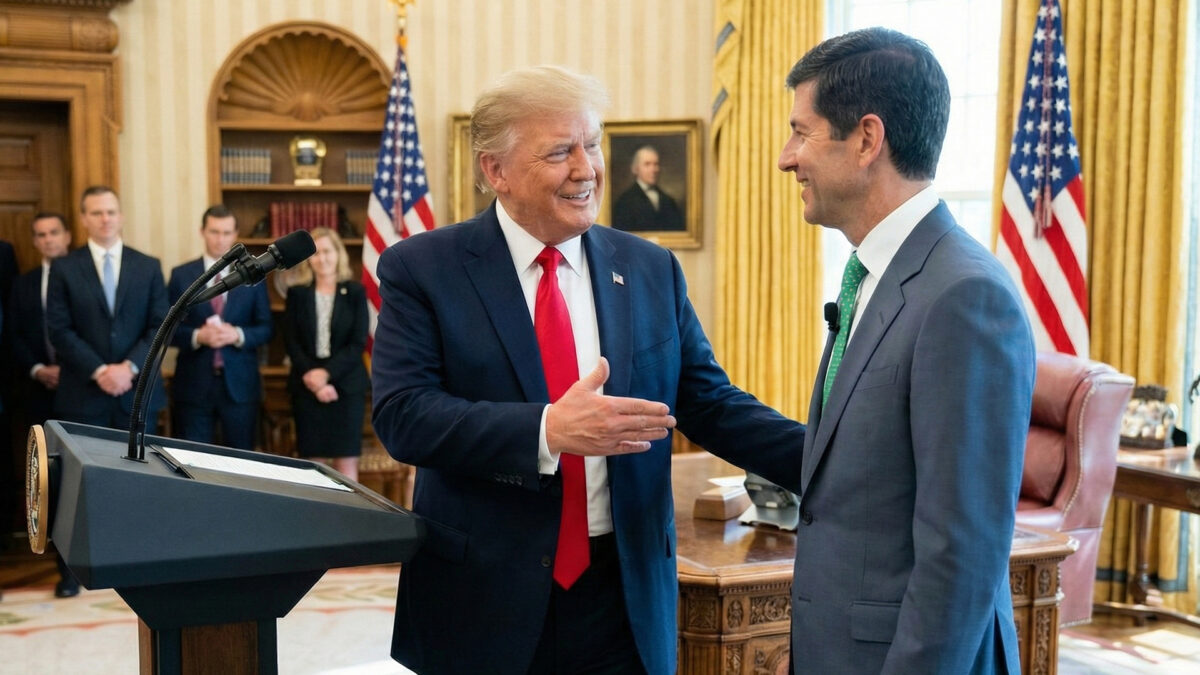
All eyes are on the US Federal Reserve as its new Chair, Kevin Warsh, prepares to chart the central bank’s course at a time of persistent inflation concerns and uncertainty over future interest rate moves.
Warsh’s first policy meeting and press conference as Fed chief are being closely watched by investors, economists and policymakers looking for clues on how he plans to steer the world’s most influential central bank. Markets are particularly interested in whether he will signal a shift in interest-rate policy after years of aggressive efforts to curb inflation.
The former Federal Reserve governor has indicated support for a broad review of the institution’s policy framework and operations. Analysts say his leadership could bring changes in how the Fed communicates its decisions, manages inflation risks and balances economic growth with price stability.
Inflation in the United States has eased from its post-pandemic highs but remains a key concern for policymakers. While some economists believe the Fed may have room to lower interest rates in the coming months, others caution that inflationary pressures could persist, requiring a more cautious approach.
Warsh has argued that restoring confidence in the Fed’s inflation-fighting credibility should remain a priority. He has also spoken about the need for greater accountability and transparency within the central bank, positions that have attracted attention from both supporters and critics.
For ordinary Americans, the Fed’s decisions have a direct impact on everyday life. Interest-rate changes influence borrowing costs for mortgages, car loans and credit cards, while also affecting savings returns, business investment and employment prospects.
Investors are expected to scrutinise Warsh’s remarks for indications on the timing of future rate cuts and his broader economic outlook. Financial markets have remained sensitive to any signals that could influence expectations for growth, inflation and monetary policy.
Also Read: TCS faces $70 mn change in DXC case