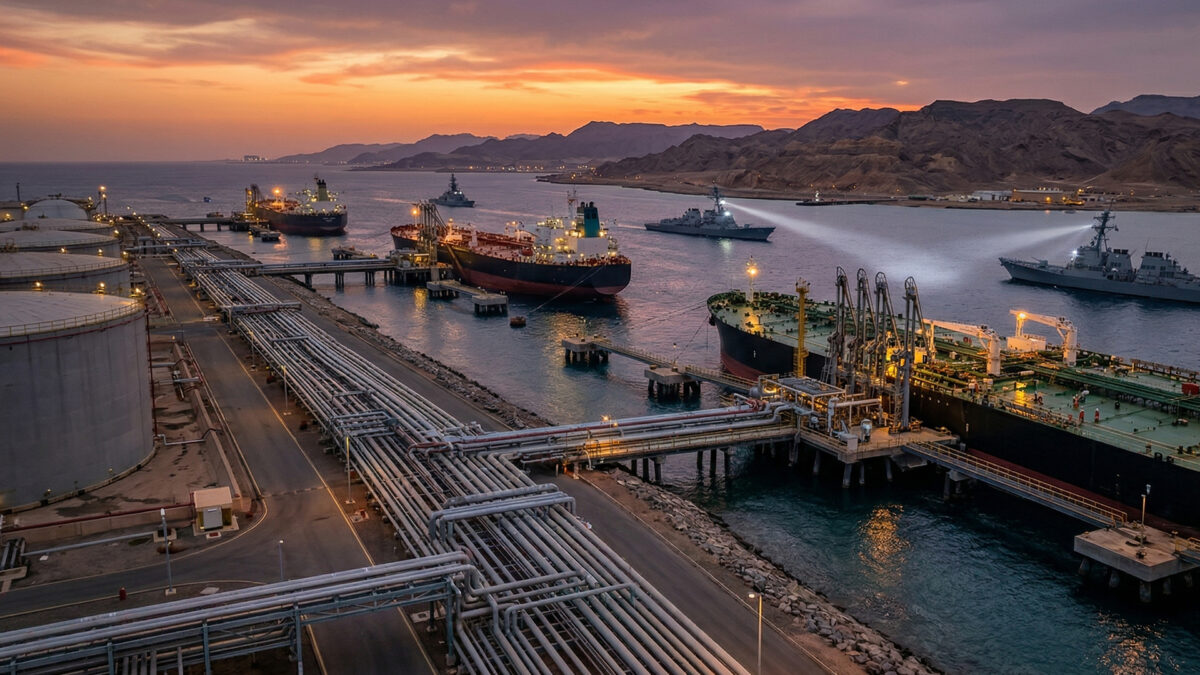
Saudi Arabia has raised its official selling price of crude oil for Asian buyers to a record premium of $19.50 per barrel, underscoring the growing impact of geopolitical tensions in the Middle East. The sharp increase comes as instability around the Strait of Hormuz fuels fears of supply disruptions in one of the world’s most vital oil transit routes.
The Strait of Hormuz is a crucial passage for global oil shipments, and any threat to its operations quickly affects energy markets. Ongoing tensions linked to Iran have heightened uncertainty over the safety of oil flows, prompting producers to add a significant risk premium to prices. As a result, crude markets have become highly volatile.
The increase in crude prices is expected to have wider economic consequences. Higher fuel costs typically lead to increased transportation and production expenses, which can drive up the prices of goods and services. This adds to inflationary pressures already affecting many economies.
Financial experts have warned about the broader risks. JPMorgan CEO Jamie Dimon noted that an extended conflict involving Iran could lead to sustained inflation and force central banks to keep interest rates higher for longer. This could slow economic growth and create further uncertainty in financial markets.
Also Read: Jamie Dimon flags Iran war risk to inflation