Categories
Corporate

Samsung posts 19-fold profit rise, AI fears hit stock

Samsung Electronics has reported a sharp jump in profits for the second quarter, driven by strong demand for artificial intelligence-related chips and improved semiconductor performance. However, the upbeat earnings outlook failed to impress investors, with the company’s shares falling amid concerns that the AI boom may slow.

Samsung estimated that its operating profit surged nearly 19 times from a year earlier, exceeding market expectations. The strong performance was supported by higher demand for memory chips used in artificial intelligence servers, data centres and advanced computing systems.

The company’s semiconductor business has benefited from the rapid expansion of AI infrastructure worldwide. Growing demand for high-bandwidth memory (HBM) chips, which are essential for advanced AI processors, has helped major chipmakers recover from the downturn that affected the industry earlier.

Despite the strong profit forecast, Samsung’s shares declined as investors focused on concerns over the sustainability of AI-driven growth. Market participants are worried that heavy investments in artificial intelligence infrastructure may eventually slow, affecting future demand for advanced chips.

Analysts said investors are looking beyond short-term earnings and evaluating whether AI-related spending can continue at the current pace. The technology sector has seen massive investment in AI data centres and computing power, but questions remain over long-term returns.

Samsung has been working to strengthen its position in the AI semiconductor market, competing with global rivals in memory technology and advanced chip manufacturing. The company is investing heavily to expand production capacity and improve its high-performance memory chip offerings.

The latest results highlight the growing importance of artificial intelligence for the global semiconductor industry. While chip demand remains strong, investors are becoming more selective and closely monitoring whether companies can convert AI investments into sustainable profits.

Samsung’s performance reflects the wider technology market trend: strong earnings linked to AI growth, but increasing investor caution over whether the current boom can maintain its momentum.
Also Read: Xbox CEO Asha Sharma announces 3,200 job cuts

Categories
Technology

Samsung leads global TV market for 20 years

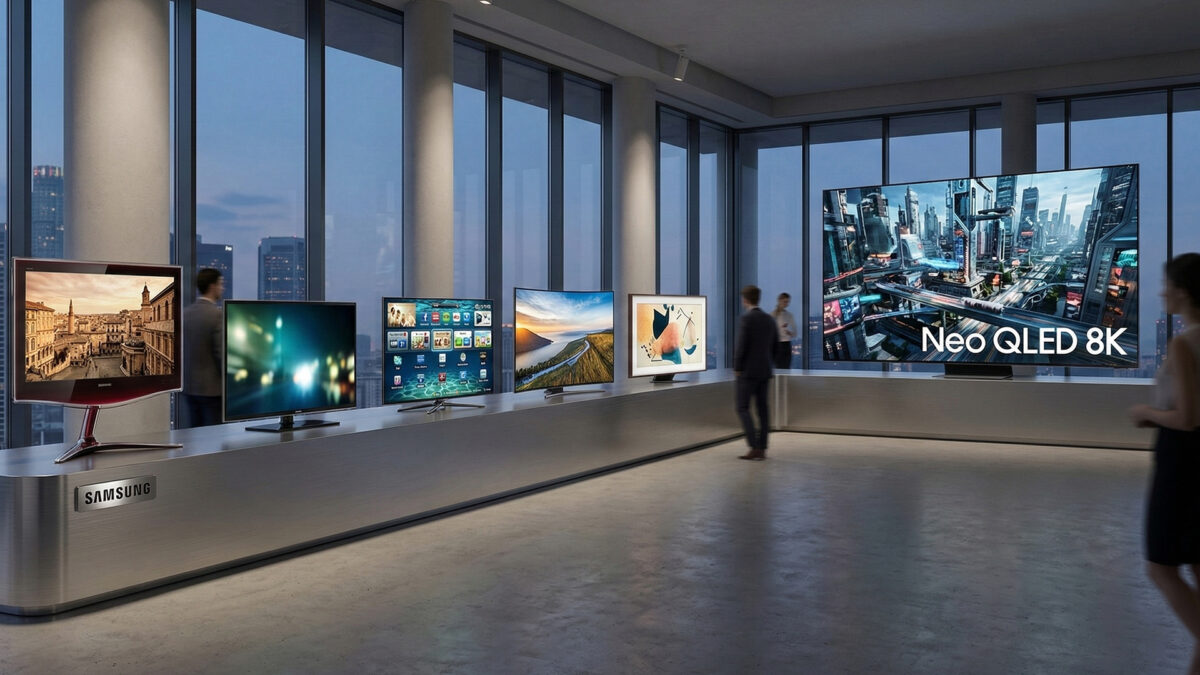
Samsung Electronics has been confirmed as the world’s number one TV brand for 20 consecutive years, a milestone reflecting its consistent innovation and broad product range. The company continues to hold the largest share of global TV shipments, beating competitors in both units sold and market reach.

Samsung’s success comes from a diverse lineup of QLED, Neo QLED, and smart TVs, catering to both premium and budget segments. Features such as HDR support, AI-powered picture enhancement, voice control, and integrated streaming apps have made Samsung TVs popular among a wide range of consumers.

Analysts credit Samsung’s market leadership to its focus on technology innovation, quality, and understanding evolving viewing habits. Even as rival brands expand aggressively, Samsung has maintained its top position thanks to strong distribution networks and a global presence across North America, Europe, Asia, and the Middle East.

The company also invests heavily in R&D, preparing for next-generation technologies like 8K resolution and enhanced AI displays, aiming to keep users engaged with high-quality entertainment experiences.

Also Read: Rajputana Stainless IPO opens at ₹10 cr anchor funding

Categories
Leaders

Samsung restores Co-CEO structure, appoints TM Roh

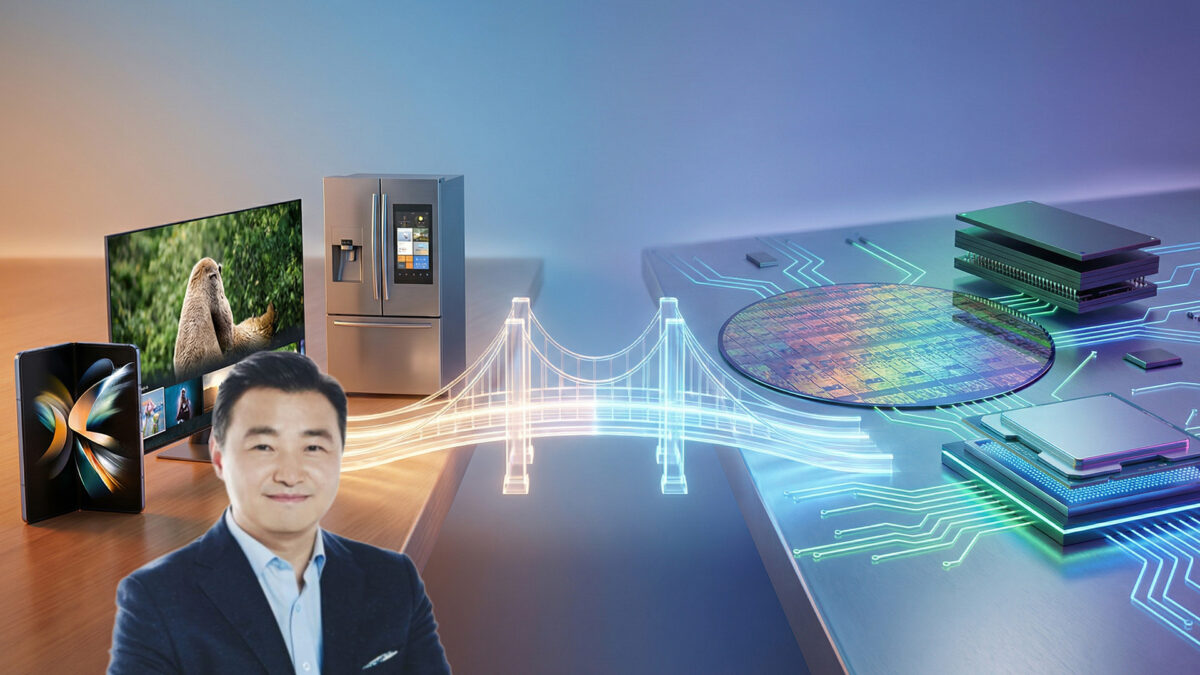
Samsung Electronics has reshaped its top leadership by appointing TM Roh, the head of its mobile division, as the company’s new co-CEO. The move marks Samsung’s return to its traditional dual-CEO structure, with one leader overseeing the Device Experience (DX) business and the other heading the semiconductor division.

TM Roh, best known for strengthening Samsung’s global smartphone portfolio and expanding its premium Galaxy lineup, will now lead the DX division, which includes smartphones, TVs, and home appliances. He has been acting head of the consumer business since April this year, following the sudden death of former co-CEO Han Jong-Hee in March.

Industry analysts described Roh’s elevation as a “safe and predictable” decision, signalling Samsung’s intent to consolidate its position in both mobile devices and memory chips, two areas that continue to drive the company’s global growth. The memory-chip business is benefiting from rising AI-related demand, making strong leadership alignment across both major divisions crucial.

Samsung also announced leadership changes in its Business Support Office, a coordinating unit responsible for managing cross-company strategy and operations.

Despite the restructuring, Samsung’s stock saw a 4% decline on Thursday, largely influenced by global market concerns linked to high AI valuations and uncertainty around U.S. interest rates.

With TM Roh officially stepping into the co-CEO role, Samsung aims to reinforce stability at the top and sharpen its focus on innovation across its consumer technology ecosystem.

Also Read: Reliance halts Russian oil for Jamnagar export refinery