Categories
Beyond

Government pauses Adani plan to shift Mumbai flights

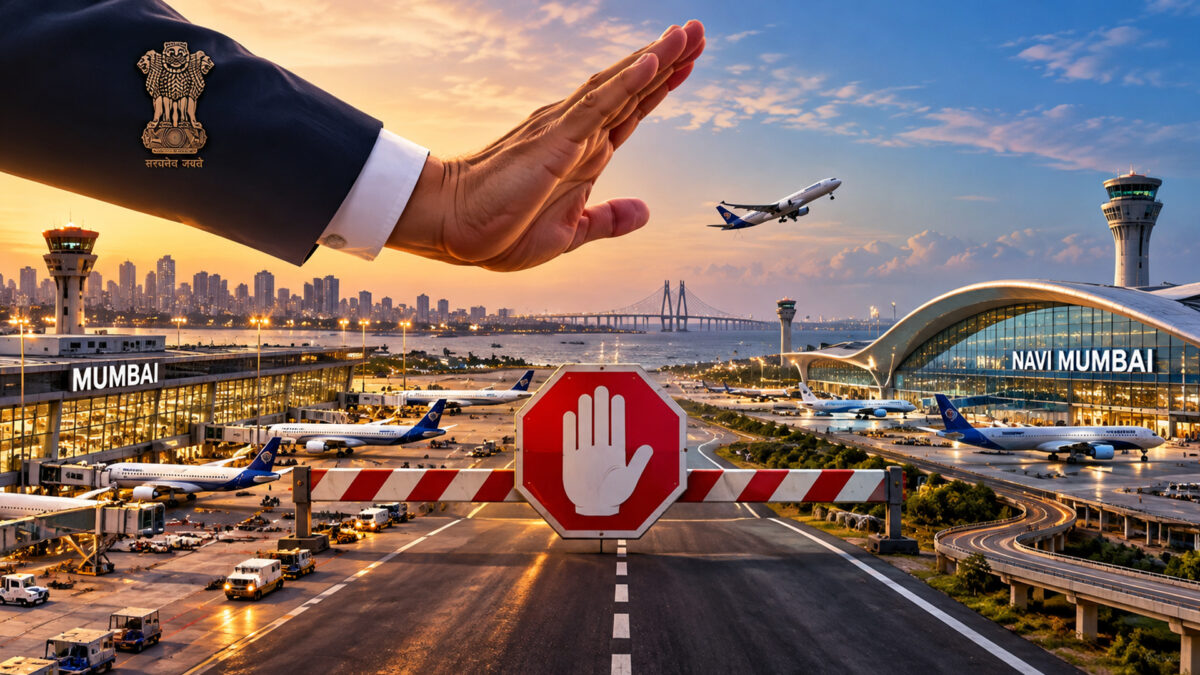
The government has stepped in to delay Adani Airport Holdings’ plan to shift a large chunk of international flights from Mumbai’s Chhatrapati Shivaji Maharaj International Airport to the newly opened Navi Mumbai International Airport, giving airlines more time to work out a transition plan.

The Ministry of Civil Aviation asked Mumbai International Airport Ltd (MIAL), controlled by Adani Airport Holdings, to defer its proposed transition by a few weeks after airlines raised concerns about the timing, operational challenges and commercial impact of the move.

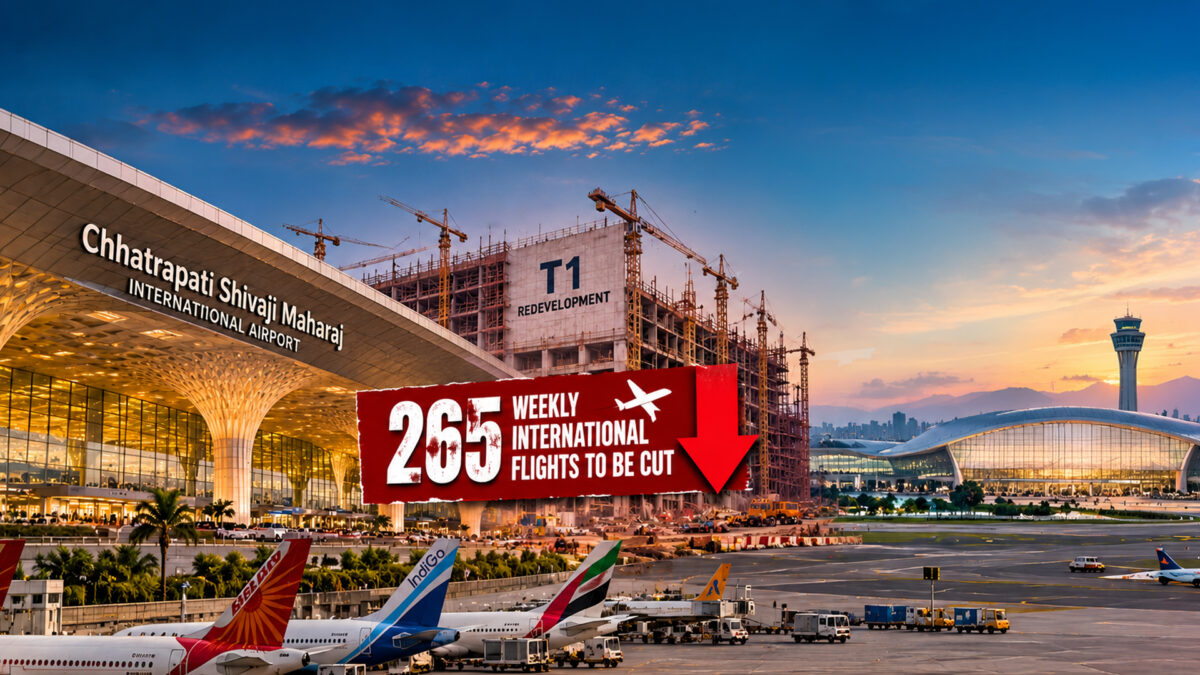
The immediate issue centres on 265 international departure slots that MIAL had proposed moving from Mumbai airport’s Terminal 2 to Navi Mumbai from October 25. The proposed shift represents roughly 33% of the 770 international departures currently scheduled every week from Mumbai’s Terminal 2.

The plan was linked to the redevelopment of Mumbai airport’s Terminal 1. The terminal, which currently handles domestic flights, is expected to undergo major reconstruction from January 2027. Once the work begins, around five million domestic passengers currently using Terminal 1 will need to be accommodated elsewhere, putting additional pressure on Terminal 2.

MIAL had therefore proposed moving international operations to Navi Mumbai to create additional capacity at the existing Mumbai airport. Airlines, however, questioned the speed at which the change was being pushed through.

Several carriers had already finalised their winter schedules and raised concerns that shifting international services between two airports at short notice could create operational and commercial difficulties. Airlines also questioned the basis for selecting 265 flights and asked the airport operator to provide detailed capacity assessments and data supporting the proposed reduction.

The Airline Operators Committee sought information on how the 33% figure had been calculated and asked for records of consultations relating to the Terminal 1 redevelopment. Airlines also wanted greater clarity on airport capacity, timelines and the operational impact of moving international passengers to Navi Mumbai.

The government’s intervention effectively puts the October 25 transition plan on hold. Rather than proceeding with the proposed flight shift, Adani Airports has been asked to return to the negotiating table with airlines and prepare a plan that has wider stakeholder agreement.

A meeting with airlines and other stakeholders is scheduled for October 13, followed by another meeting on October 20 to discuss the final transition plan. The agreed proposal will then have to go through the necessary regulatory approvals.

The issue has become particularly important because both Mumbai airport and Navi Mumbai International Airport are operated by Adani Airport Holdings. That gives the airport operator the ability to redistribute traffic between the two facilities, but airlines ultimately have to manage the impact on aircraft deployment, crew, schedules and passengers.

Navi Mumbai International Airport is being positioned as an important second aviation hub for the Mumbai metropolitan region. Its gradual expansion is expected to reduce pressure on the existing Mumbai airport and provide additional capacity as air travel continues to grow.

Adani Airports has maintained that the redevelopment of Terminal 1 is necessary and that the proposed transition is designed to manage airport capacity during construction. The company has also offered incentives to airlines, including discounts on landing fees for new international operations at Navi Mumbai and measures aimed at offsetting differences in airport charges.

Airlines, however, have said incentives are not their primary concern. Their immediate focus is on having a clear redevelopment roadmap, reliable capacity data and sufficient time to prepare for any operational changes.

The passenger impact is another major consideration. Mumbai and Navi Mumbai are separated by roughly 35 kilometres, and travellers will have to factor in additional travel time depending on where their flights operate. Airport connectivity is improving, with bus, taxi, rail and inter-airport shuttle services being expanded around Navi Mumbai International Airport ahead of the winter schedule.

The proposed shift also comes during the busy winter travel period, when demand typically rises and airlines have already planned their schedules. Any abrupt reduction or relocation of international flights could affect passenger choices, fares and connectivity from Mumbai.

The government’s decision to seek more consultation reflects the complexity of managing two major airports serving the same metropolitan region. The challenge is not simply moving flights from one terminal to another but ensuring that airlines, airport operators and passengers can adapt without unnecessary disruption.

The next few weeks will therefore be important for Mumbai’s aviation network. The October 13 and October 20 meetings are expected to determine how much traffic can move to Navi Mumbai, when the transition should begin and how Mumbai airport can maintain operations while Terminal 1 is redeveloped.

 

Categories
1 Minute-Read

Mumbai Airport to reduce international flights

Mumbai airport will cut 265 weekly international flights from October 25 as Terminal 1 (T1) begins a phased closure for redevelopment.

Mumbai International Airport Ltd has asked 46 airlines to reduce international departures by around 33%, from the current 770 weekly services. The move will create capacity at Terminal 2 as domestic operations shift from T1.

IndiGo is expected to see 74 weekly international flights affected, while Air India faces a reduction of 33. Emirates and Etihad Airways are each expected to cut 10 services.

Passengers have been advised to check revised airline schedules before travelling.

Categories
Beyond

Mumbai airport to cut 265 weekly flights

Mumbai airport is set to reduce 265 weekly international flights from October 25 as part of a major operational reshuffle linked to the redevelopment of Terminal 1 (T1). The temporary cuts will affect airlines operating from Chhatrapati Shivaji Maharaj International Airport as the airport prepares to accommodate additional domestic traffic at Terminal 2 (T2).

Mumbai International Airport Ltd (MIAL), which operates the airport, has asked airlines to reduce international departure slots by about 33% from the start of the winter flight schedule on October 25. The airport currently handles around 770 international departures a week operated by 46 airlines.

The reduction is connected to the planned phased closure of T1. The terminal, which primarily handles domestic flights, is being taken out of service to make way for redevelopment. As T1 operations are shifted, additional domestic flights and passengers will have to be accommodated at T2, which also handles international traffic.

The move means airlines will have to temporarily reduce or adjust their international schedules from Mumbai. The 265-flight reduction represents roughly one-third of the airport’s current weekly international departures.

IndiGo is expected to see the largest reduction among Indian carriers, with 74 weekly international departures affected from its existing schedule of 224. Air India is expected to reduce 33 international services from its current 100 weekly departures.

Other Indian airlines will also be affected. Akasa Air is expected to reduce 11 weekly international flights, while Air India Express and SpiceJet face reductions of seven and five services respectively.

Foreign airlines will also have to adjust their Mumbai operations. Emirates and Etihad Airways are each expected to reduce 10 weekly international departures. Both carriers currently operate 28 international flights a week from Mumbai.

The changes are expected to remain temporary and are linked to the airport’s redevelopment programme rather than a permanent withdrawal of these international routes. Airlines will decide how to modify their schedules based on available slots and operational requirements.

The phased shutdown of T1 is expected to begin from October 25, with redevelopment work scheduled to start in January 2027. The airport operator plans to shift domestic operations progressively rather than close the terminal’s entire operation at once.

The transition is expected to move about five million domestic passengers a year from T1 to T2. This will put additional pressure on T2, making the temporary reduction in international services necessary to create operating capacity.

The redevelopment is expected to transform T1 and improve Mumbai’s airport infrastructure over the longer term. In the immediate period, however, the airport faces the challenge of managing more domestic traffic while continuing international operations from T2.

The changes have also triggered concerns among airlines. The International Air Transport Association (IATA) has sought greater coordination between airlines, airport operators and the government during the transition. It has called for clarity around the process, timelines and allocation of airport capacity.

The planned changes also come as Navi Mumbai International Airport prepares to take on a larger role in the region’s aviation network. The new airport is expected to provide additional capacity for the Mumbai metropolitan area and could eventually absorb some services currently operating from Mumbai airport.

However, splitting operations between the two airports has raised practical concerns among some airlines. Air France-KLM, for example, has expressed reservations about dividing its Mumbai services between the two airports, citing operational challenges.

The airport operator has been consulting airlines about their transition plans. MIAL held discussions with carriers in September and asked them to submit details of how they planned to adjust their operations. Airlines have also been asked to identify international departure slots that they would temporarily discontinue.

The process is expected to continue over the coming weeks as carriers finalise their winter schedules. The exact impact on individual routes will depend on the decisions made by each airline and subsequent operational approvals.

Passengers travelling internationally from Mumbai are likely to notice changes in flight frequencies and timings. Some routes could have fewer weekly services, while certain flights may be rescheduled. Travellers with connecting journeys could also see changes to available departure times.

Passengers flying around the October 25 transition date should therefore check their airline’s latest schedule before travelling. Flight information may change as airlines finalise their revised plans.

The scale of the reduction reflects the operational challenge facing one of India’s busiest airports. Mumbai has limited land and terminal capacity, while passenger demand continues to remain high. Redeveloping T1 requires the airport to temporarily rebalance how its existing terminals are used.

The long-term objective is to create additional and more modern airport capacity for Mumbai. The redevelopment of T1, combined with the expansion of Navi Mumbai International Airport, is expected to create a larger aviation network for the region.

Until those projects are completed, however, airlines and passengers will have to navigate a period of adjustment. The October 25 changes are likely to be the first major step in that transition, with international flight schedules expected to remain under close review as Mumbai airport prepares for the next phase of redevelopment.