Categories
Technology

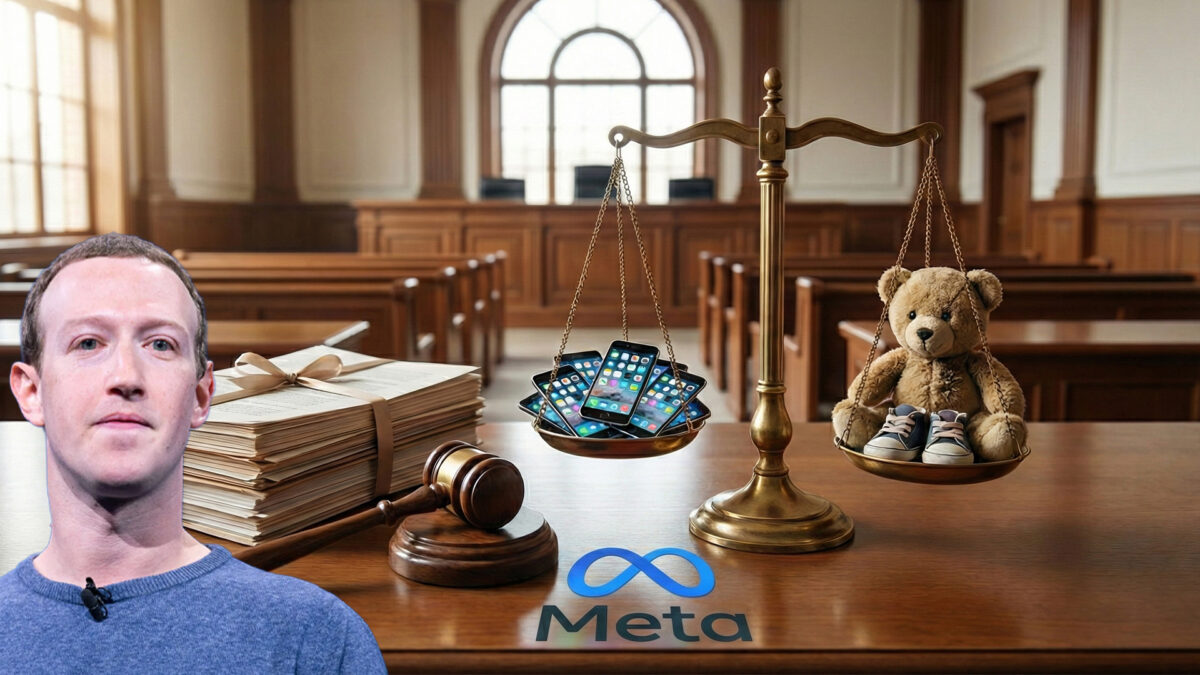
Mark Zuckerberg grilled in social media addiction trial

Meta CEO Mark Zuckerberg testified on February 18 in a Los Angeles courtroom in a landmark case alleging that social media platforms, including Instagram, are designed to be addictive and can harm children’s mental health. The lawsuit, filed by a California woman, claims that her early use of social media contributed to worsening depression and suicidal thoughts. The case has drawn attention nationwide, raising questions about the responsibility of tech companies for the mental health of young users.

During his testimony, Zuckerberg strongly denied that Meta intentionally designs its platforms to be addictive. He said the company prioritizes user safety and has introduced multiple measures, including age restrictions, parental controls, and safety tools to protect younger users. “We do not intentionally make platforms addictive,” he told the court, adding that engagement metrics are not designed to harm users.

Plaintiffs’ lawyers highlighted internal Meta documents discussing user engagement goals and features that encourage users to spend more time on the platform. They argue these features show a deliberate focus on keeping users hooked, despite known risks to mental health. Zuckerberg acknowledged that enforcing age restrictions can be challenging because users can provide false birth dates when signing up, but maintained that Meta actively works to reduce underage use.

The case also examines whether social media companies have a duty to warn users and parents about potential mental health risks. Experts note that the trial could have significant implications for the tech industry, potentially influencing how platforms manage safety features, transparency, and engagement practices in the future.

It is observed that the trial as a test case for social media regulation, as it could set a precedent for other lawsuits across the United States targeting tech giants over addiction and harm to minors. Zuckerberg’s testimony is seen as a key moment in the proceedings, with both sides presenting evidence about the effects of social media use on children and adolescents.

Also Read: Dixon Technologies down 38% with rising memory costs

Categories
Leaders

Zuckerberg–Wang rift surfaces at Meta

Meta Platforms’ ambitious artificial intelligence push is facing internal strain, with reports of growing differences between CEO Mark Zuckerberg and the company’s top AI executive, Alexandr Wang. The friction comes barely months after Meta made one of its biggest bets in the sector, investing over $14 billion to acquire a 49 percent stake in Scale AI and bringing its founder Wang on board as Meta’s Chief AI Officer.

According to reports, the disagreement centres on leadership style, decision-making control, and the long-term direction of Meta’s AI investments. Wang is said to be unhappy with Zuckerberg’s close involvement in day-to-day AI decisions, viewing it as excessive micromanagement that limits autonomy and slows innovation. Zuckerberg, however, is known for taking direct charge of strategic priorities, especially in areas he sees as existential to Meta’s future.

At the heart of the dispute is a difference in vision. Wang and parts of the AI research team reportedly want Meta to focus on building cutting-edge “foundation models” that can compete directly with leading AI developers such as OpenAI and Google. This approach prioritises long-term breakthroughs over immediate commercial returns. In contrast, several long-serving Meta executives prefer a faster rollout of AI tools across products like Facebook, Instagram, and WhatsApp to strengthen advertising and user engagement.

These contrasting priorities have reportedly created an “us versus them” atmosphere inside Meta’s AI division. Some senior leaders are said to question whether Wang, despite his technical credentials, has sufficient experience managing AI initiatives at Meta’s massive scale, where investments are estimated to run into hundreds of billions of dollars over the coming years.

In response to the internal tensions, Zuckerberg has moved to tighten oversight of Meta’s AI operations. A recent organisational reshuffle placed key AI infrastructure and compute resources under direct reporting lines closer to the CEO. While not officially framed as a response to the disagreement, the change effectively reduces Wang’s independent control over critical parts of the AI stack.

The developments come at a crucial time for Meta, which has positioned AI as central to its future growth after years of heavy spending on the metaverse. Industry observers say the situation highlights a broader challenge faced by big tech companies: balancing visionary founders, high-value external hires, and the pressure to deliver both innovation and near-term business results in an intensely competitive AI race.

Also Read: RBI approves Japan’s SMBC India Bank subsidiary