Categories
Beyond

UK inflation drops to 3%, rate cut hopes rise

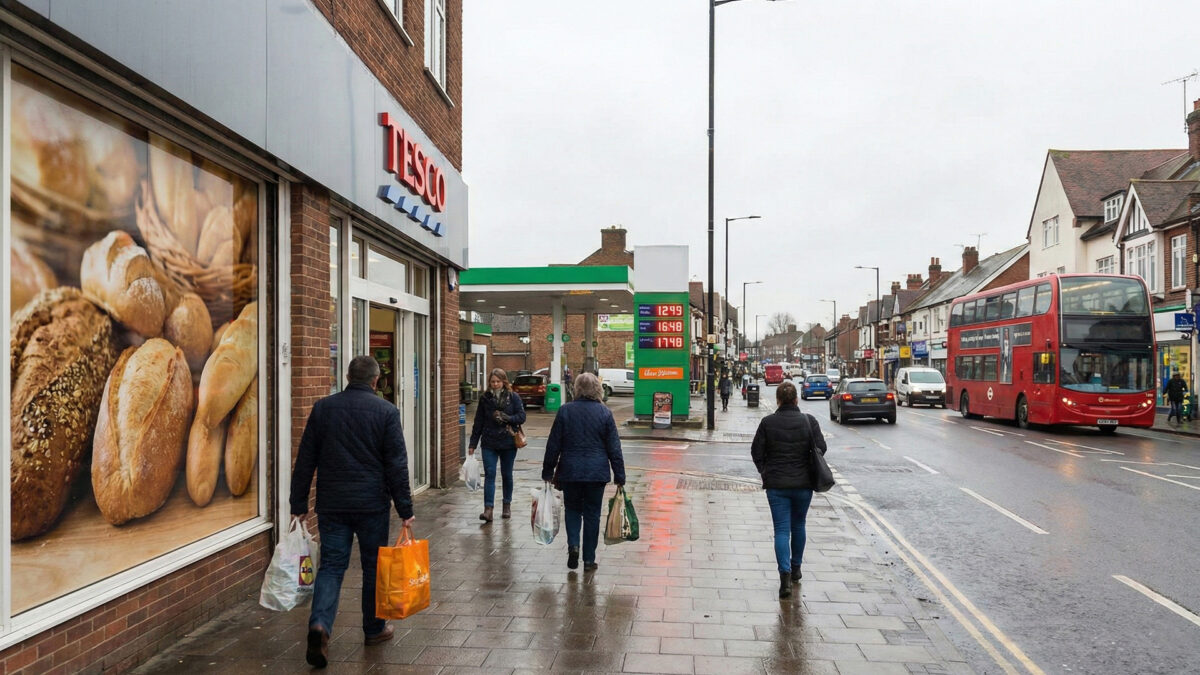
In a welcome break for millions of households, inflation in the United Kingdom has fallen to 3% in January, its lowest level in almost a year. The latest data from the Office for National Statistics shows that the sharp rise in everyday expenses is finally slowing, helped by cheaper fuel, lower airfares after the festive season and a gentler increase in food prices.

For families who have spent the past few years carefully balancing budgets, the change is more than just a number. Lower petrol prices mean less strain on commuting costs, while a slower rise in grocery bills offers some breathing space at the checkout. The easing of transport and food costs has been the biggest contributor to the overall decline in inflation.

The development has also sparked fresh optimism in financial markets. With price pressures cooling, expectations are growing that the Bank of England could begin cutting interest rates in the coming months. A reduction would be significant for homeowners facing high mortgage payments and for businesses struggling with expensive borrowing.

Yet, the picture is not entirely worry-free. Some underlying costs, especially in the services sector, are still rising faster than the central bank would like. This means policymakers are likely to move carefully, ensuring inflation continues to fall towards the 2% target before taking decisive action.

Economists believe inflation could edge closer to that goal by spring if global energy prices remain stable and wage growth cools. At the same time, signs of a softer job market are increasing the pressure on the central bank to support economic growth.

Also Read: Ashwini Vaishnaw opens WAVES Creators’ Corner at India Summit

Categories
Beyond

India’s retail inflation hits 1.33% in December

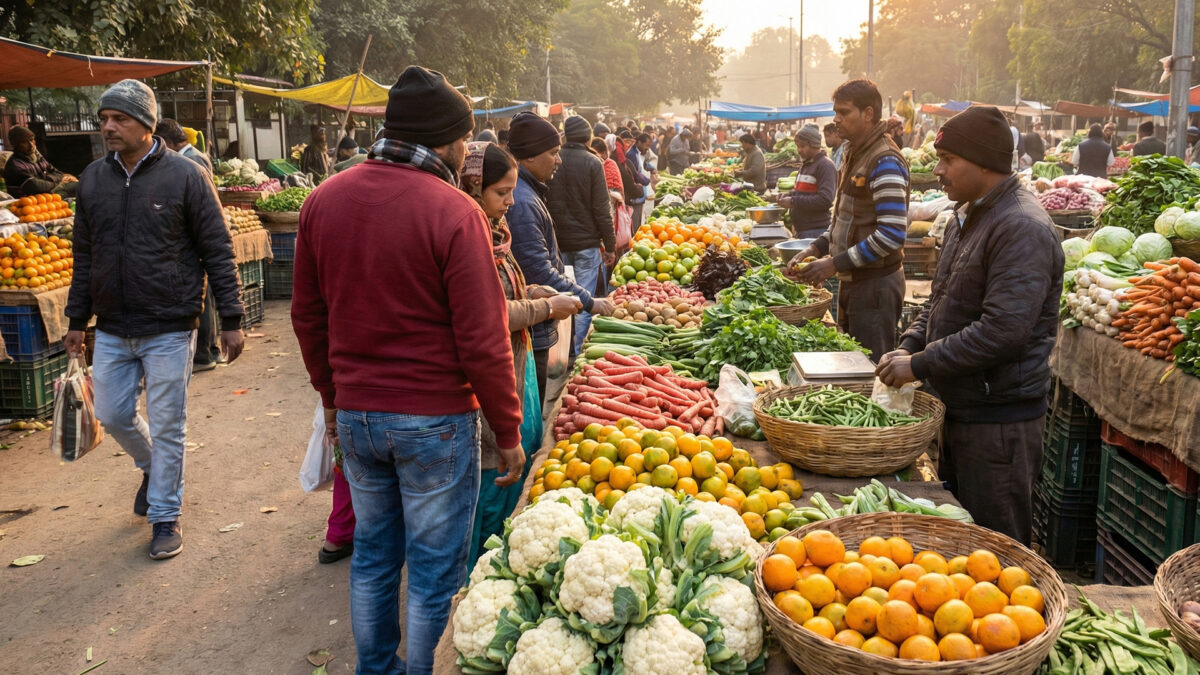
India’s retail inflation rose to 1.33% in December 2025, the highest in three months, up from 0.71% in November. The increase was mainly due to slower falls in food prices and higher costs for items like vegetables, meat, eggs, pulses, spices, and personal care products.

Despite the rise, inflation remains well below the RBI’s target range of 4% ±2%, staying under the lower comfort limit of 2% for the eleventh month in a row. Food inflation, while still negative, eased compared with November, helping lift overall prices.

Both urban and rural areas saw rising prices, with urban inflation increasing faster. Some sectors, such as housing, education, and health, showed mixed trends, with housing costs slightly easing.

Economists say that even with this increase, inflation is still low by historical standards, and core inflation (excluding food and fuel) remains modest, indicating limited demand pressure.

The low inflation gives the RBI room to keep monetary policy accommodative. In 2025, the central bank cut interest rates, and with inflation below the comfort level, there is scope to support economic growth further. Policymakers will keep an eye on new data, especially with the upcoming revised CPI series using 2024 as the base year.

Also Read: Germany eases air transit rules for Indians

Categories
Beyond

November inflation at 0.71%, still under RBI band

India’s retail inflation rose to 0.71 percent in November, up from a record low of 0.25 percent in October, according to official data released on Thursday. Despite the increase, price pressures remain well below the Reserve Bank of India’s (RBI) comfort range of 2–6 percent, continuing a rare phase of subdued inflation.

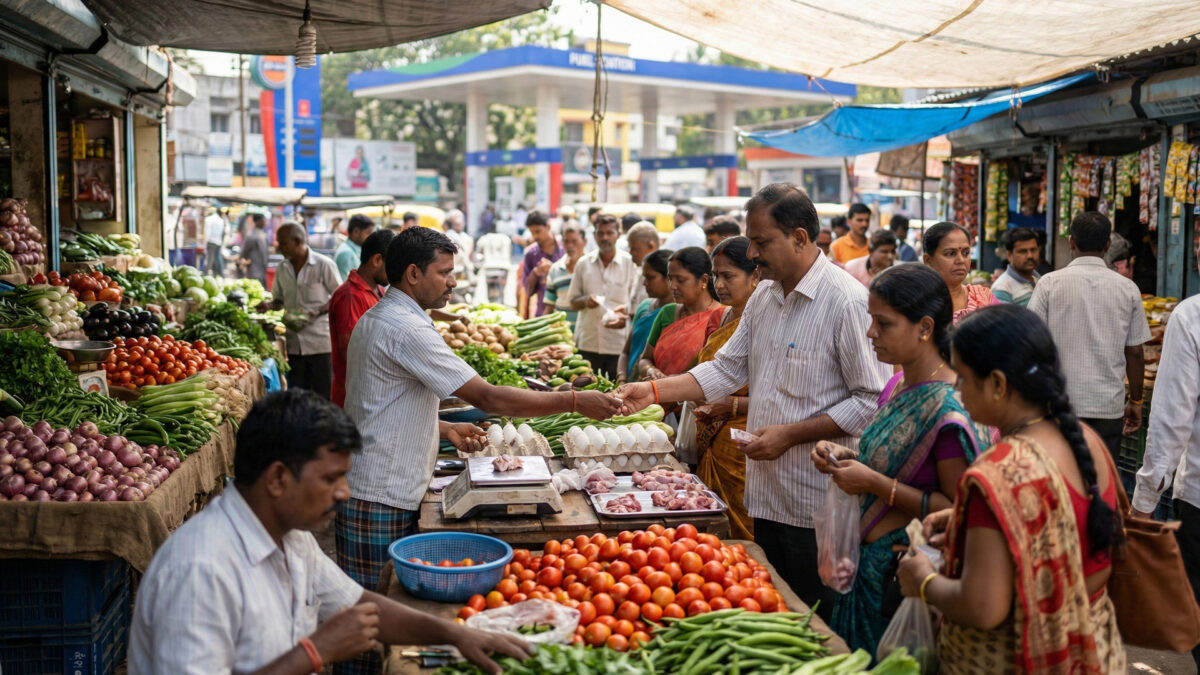
The rise was mainly driven by food and fuel prices, which saw a slower decline compared to the previous month. While overall food prices are still lower than a year ago, the pace at which prices were falling moderated in November, leading to a slight uptick in headline inflation.

Food inflation stayed in negative territory at around minus 3.9 percent, indicating that food items, on average, were cheaper than last year. However, prices of vegetables, eggs, meat, fish and cereals showed some firming compared to October. Fuel and light inflation also edged higher, adding to the increase in the overall consumer price index.

Core inflation, which excludes food and fuel and reflects broader demand conditions, remained largely stable. This suggests that underlying price pressures in the economy are still muted, even as certain categories show early signs of recovery.

Economists say the low inflation reading gives the RBI greater flexibility on monetary policy, especially at a time when growth concerns persist. With inflation consistently staying below the lower end of the target band for several months, expectations of further interest rate cuts have strengthened.

However, experts caution that inflation may gradually rise in the coming months as the favourable base effect fades and demand improves. Seasonal changes, global commodity prices and domestic food supply conditions will play a key role in determining the inflation trajectory.

For now, November’s data reinforces the view that price stability remains intact, offering relief to consumers and policymakers alike. The RBI is expected to closely monitor inflation trends while balancing the need to support economic growth in the months ahead.

Also Read: SEBI clears Pranav Adani in Adani Green insider trading case

Categories
Corporate

India’s inflation plunges to 0.3% in October

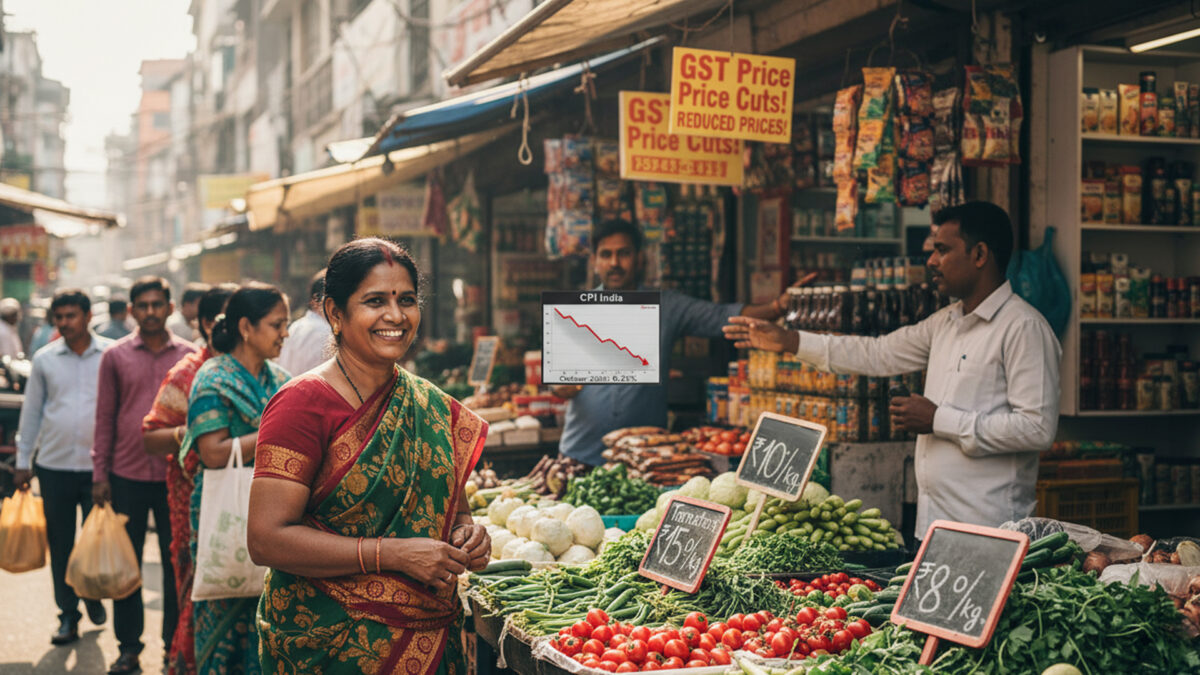
India’s retail inflation fell to a record low of 0.3% in October, offering welcome relief to households. Reuters reports a similar figure of 0.25%, marking one of the slowest rates of price rise in recent years.

The drop is largely due to falling food prices. Overall food inflation fell around 5%, with vegetables down over 27%. Onion prices plunged 54%, tomatoes 43%, and potatoes 37%. Cuts in the GST on everyday items also helped keep prices in check.

Core inflation, which excludes volatile food and fuel costs, eased slightly to 4.4%, while September’s inflation was revised to 1.44%.

Economists say the subdued inflation gives the Reserve Bank of India space to consider cutting interest rates in December. However, they caution that lower prices alone do not guarantee stronger growth, with upcoming GDP data expected to show the real state of the economy.

For consumers, this means some relief in their daily expenses, while policymakers now have room to support economic growth.

Also Read: Jaishankar meets Rubio at G7, India-US ties strengthen