
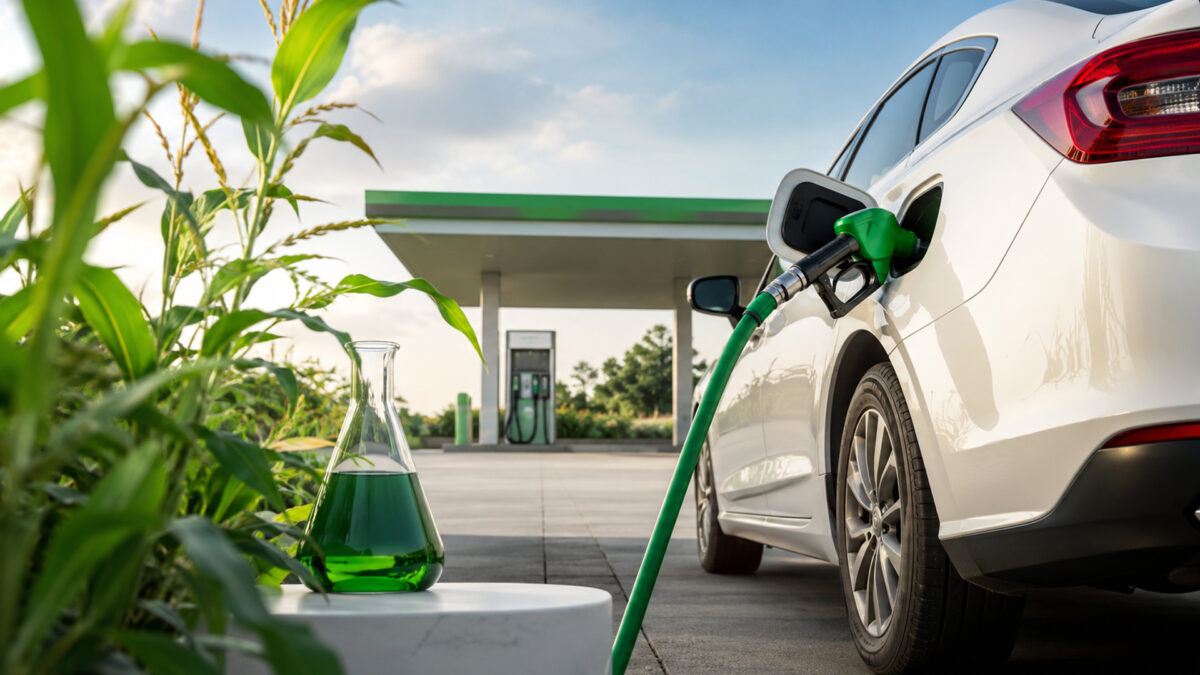
The Centre has exempted higher ethanol-blended petrol from excise duty, a move aimed at encouraging the use of cleaner fuels and reducing India’s dependence on crude oil imports.
Union Road Transport and Highways Minister Nitin Gadkari announced that petrol blended with higher levels of ethanol, including E20 and future blends such as E30, will receive excise duty relief. The decision is expected to lower the cost of such fuels and encourage consumers to shift towards greener alternatives.
The government has been actively promoting ethanol blending as part of its strategy to reduce fossil fuel consumption, cut carbon emissions and support the domestic agricultural sector. India has already achieved significant progress in ethanol blending, with the average blending rate crossing targets set for previous years.
Officials believe the excise duty exemption will help fuel retailers expand the availability of ethanol-blended petrol across the country while making it more attractive for vehicle owners. Lower taxation is expected to narrow the price gap between conventional petrol and higher ethanol blends.
Speaking on the initiative, Gadkari said the policy is intended to accelerate the adoption of alternative fuels and strengthen India’s energy security. Increased use of ethanol can reduce the country’s reliance on imported crude oil, helping save foreign exchange and insulating the economy from fluctuations in global oil prices.
The move is also expected to benefit sugar mills and farmers, as ethanol is primarily produced from sugarcane and other agricultural feedstocks. Industry stakeholders have long argued that greater ethanol demand can provide an additional revenue stream for farmers while supporting rural economic growth.
Automobile manufacturers have already begun introducing vehicles compatible with E20 fuel, in line with the government’s roadmap for higher ethanol blending. Industry experts believe the latest tax relief could further boost investment in ethanol production infrastructure and fuel distribution networks.
While the transition to higher ethanol blends will require continued expansion of supply chains and vehicle compatibility, policymakers see the measure as a key step towards cleaner transportation.
Also Read: Airtel renames ‘Priority Postpaid’ as ‘Fast Lane’