Categories
Beyond

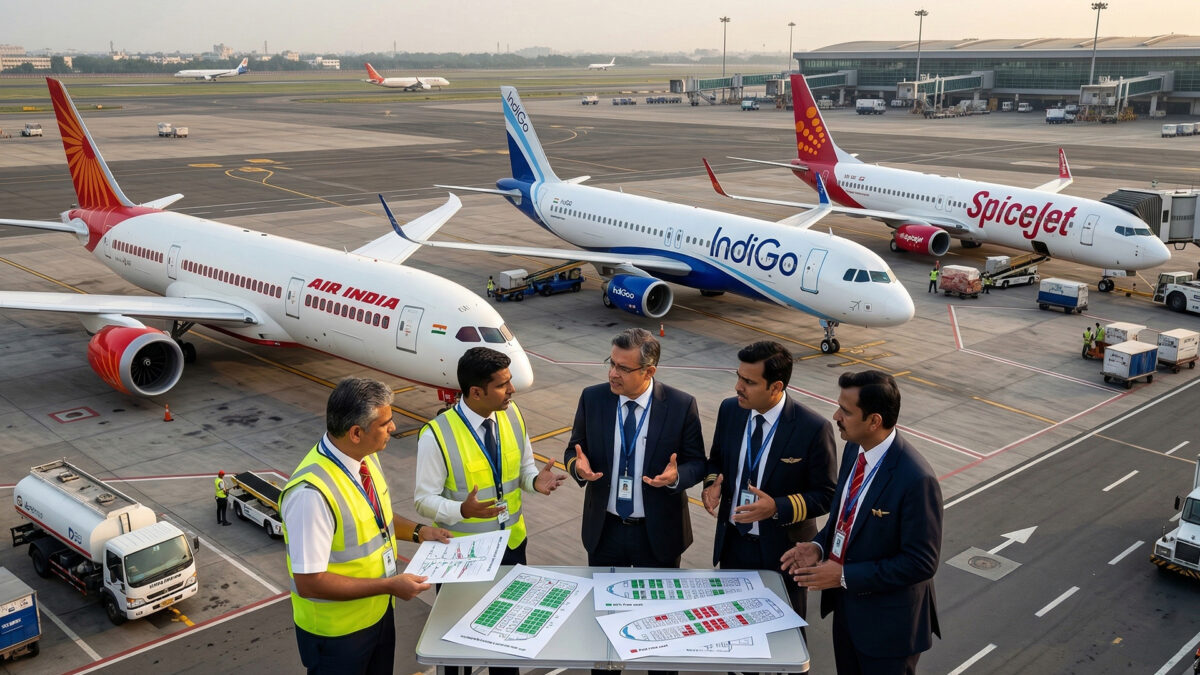
DGCA fines Air India ₹1 crore over safety

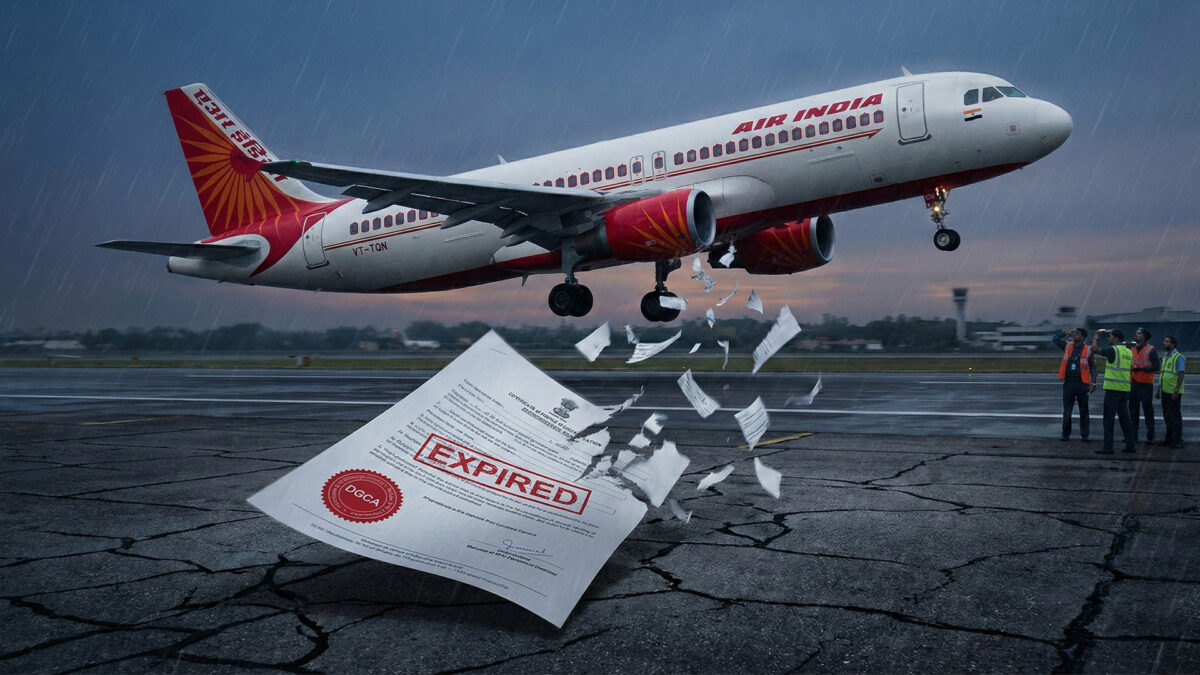
The Directorate General of Civil Aviation (DGCA) has imposed a ₹1 crore fine on Air India after finding that one of the airline’s Airbus A320 aircraft operated eight passenger flights in November 2025 without a valid airworthiness permit. This permit is a mandatory certification that confirms an aircraft is safe and fit to fly. Operating flights without it is a serious breach of aviation safety rules.

The DGCA noted that such lapses erode public confidence in air travel safety, and emphasized that accountability rests with airline management. The regulator specifically held Air India CEO Campbell Wilson and other senior officials responsible for the oversight. The fine is required to be paid within 30 days, and the airline has been instructed to ensure strict compliance with all regulatory norms moving forward.

Air India has said that the issue was self-reported voluntarily and that corrective steps have already been implemented to prevent recurrence. The airline also stated that no safety incidents occurred during the eight flights in question.

This fine comes amid heightened scrutiny of Air India’s operations following a tragic Boeing crash last year that resulted in multiple fatalities. Aviation experts say the DGCA’s action underscores the importance of maintaining strict safety standards, especially as airlines expand their fleets and increase flight operations.

The DGCA’s investigation revealed that the lapse was primarily due to administrative oversight. While the aircraft itself remained mechanically sound, the absence of the formal airworthiness certificate constitutes a regulatory violation. Aviation authorities highlight that even minor paperwork lapses can undermine public trust and have legal consequences, which is why regulators are taking a firm stance.

The incident has sparked discussion in the industry about the need for stronger internal checks and robust monitoring systems within airlines. Experts suggest that airlines must reinforce both technical compliance and operational oversight to ensure that safety procedures are not compromised.

Air India’s management has assured passengers that safety remains its top priority and that measures have been strengthened to comply fully with DGCA guidelines. The fine, though significant, is seen by regulators as a corrective step rather than a punitive measure, aimed at reinforcing accountability and protecting passenger trust.

Also Read: Indian GCCs cut 6,000 jobs in 2025 amid global pressures

Categories
Beyond

DGCA fines IndiGo ₹22.2 cr for Dec. flight disruptions

India’s aviation regulator, the Directorate General of Civil Aviation (DGCA), has imposed a ₹22.2 crore penalty on IndiGo Airlines for large-scale flight disruptions that occurred in December, triggering widespread passenger inconvenience and renewed debate over airline accountability.

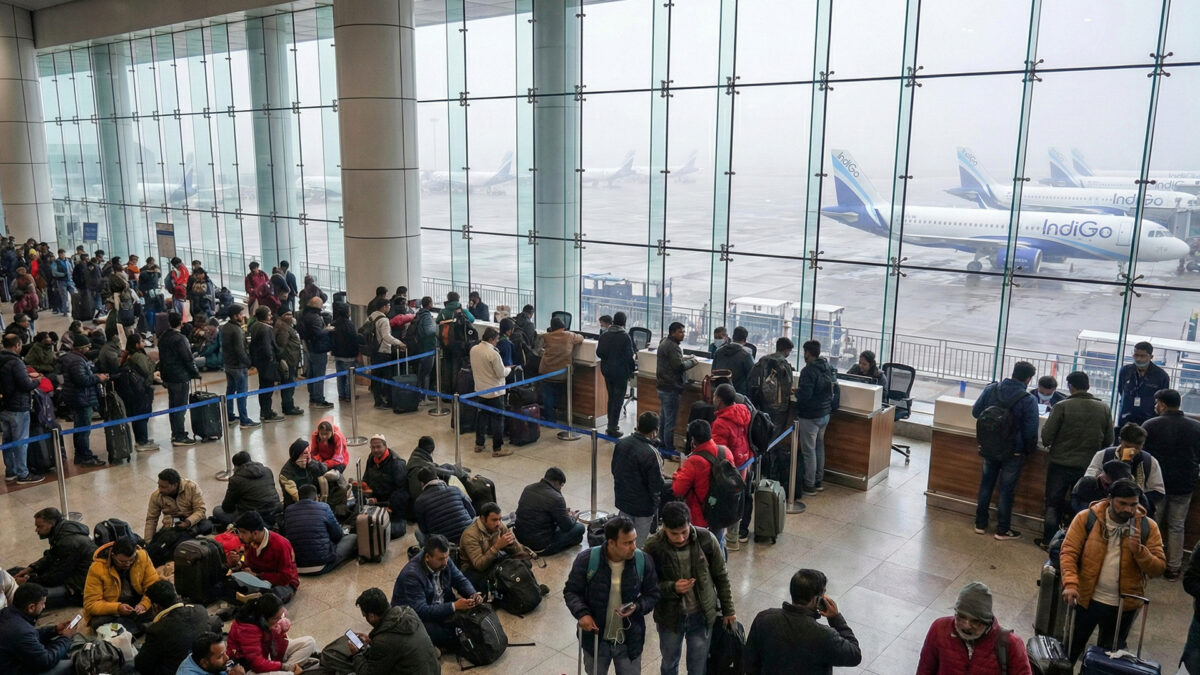
The action follows a detailed inquiry ordered by the DGCA after IndiGo faced severe operational breakdowns during the first week of December. Over a span of three days, the airline cancelled more than 2,500 flights and delayed nearly 1,900 services, leaving over three lakh passengers stranded across major airports. The disruption coincided with the implementation of revised Flight Duty Time Limitation (FDTL) norms for pilots, which aim to reduce fatigue and enhance flight safety.

According to the DGCA, the crisis was not caused by a single factor but by systemic planning failures. The regulator cited over-ambitious scheduling, insufficient buffer in crew and aircraft deployment, weaknesses in operational software systems, and inadequate preparedness for the new duty norms. These shortcomings, it said, exposed gaps in IndiGo’s management oversight and operational control mechanisms.

Of the total fine, ₹1.8 crore relates to one-time violations of aviation safety and operational rules. The remaining ₹20.4 crore was levied for continued non-compliance over several weeks, during which IndiGo sought repeated exemptions from full implementation of the revised duty norms while continuing to operate a dense flight schedule.

In addition to the monetary penalty, the DGCA issued warnings to senior IndiGo executives, including top management, for failing to anticipate and manage the operational fallout. The regulator also directed changes in responsibility within the airline’s operations control structure.

To ensure long-term corrective action, IndiGo has been asked to submit a ₹50 crore bank guarantee under a Systemic Reform Assurance Plan. The guarantee will be released in phases, subject to DGCA verification of improvements in crew planning, fatigue management, digital systems, leadership oversight, and governance practices.

The penalty has sparked mixed reactions across the aviation sector. While some pilots’ bodies and experts argue the fine is inadequate given the scale of passenger hardship, others point out that existing laws limit the DGCA’s ability to impose harsher financial penalties.

Also Read: EU and Mercosur seal major trade deal

Categories
1 Minute-Read

DGCA bans power bank use on flights

The Directorate General of Civil Aviation (DGCA) has banned using power banks to charge devices on flights to prevent fire hazards from lithium-ion batteries.

Passengers can carry power banks and spare batteries only in hand luggage, not in checked bags or overhead compartments. Airlines are required to inform travelers about these safety rules and ensure compliance.

The move follows global concerns over in-flight fires caused by improperly handled or charged power banks. Travelers should also avoid using seat charging ports for power banks to reduce the risk of onboard accidents.

Categories
Beyond

DGCA submits probe report on IndiGo disruptions

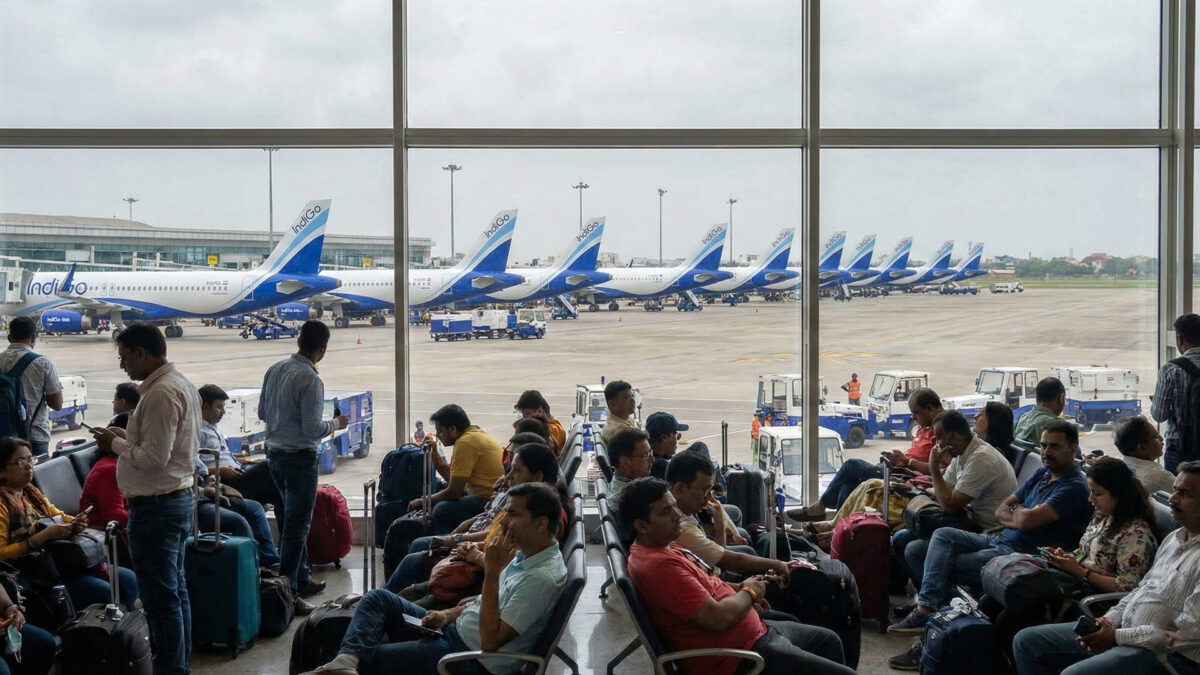
The Directorate General of Civil Aviation (DGCA) has submitted its investigation report into the recent large-scale flight disruptions at IndiGo to the Ministry of Civil Aviation. The report follows weeks of scrutiny after thousands of passengers were affected by widespread cancellations and delays across the airline’s domestic network earlier this month.

A four-member committee was set up by the aviation regulator on December 5 to examine what led to the operational breakdown. The panel reviewed IndiGo’s crew planning systems, roster management, compliance with revised Flight Duty Time Limitation (FDTL) norms, and overall preparedness for schedule changes during the busy travel season. The findings of the report have been kept confidential while the government studies the recommendations.

IndiGo, India’s largest airline by market share, faced severe disruption when a large number of flights were cancelled within a short period, followed by prolonged delays over several days. The airline informed the regulator that challenges in forecasting pilot and cabin crew availability, along with training and rostering gaps, contributed to the crisis. These issues reportedly escalated after new duty time rules came into force.

In response to the situation, the DGCA had earlier ordered a temporary reduction in IndiGo’s winter schedule and issued show-cause notices to senior executives, including top management, seeking explanations for the failures. The regulator also stressed that airlines must ensure full operational readiness before implementing schedule expansions.

With the probe report now submitted, officials have indicated that strict action could follow. Possible measures include financial penalties, tighter regulatory oversight, and directions to strengthen internal systems to prevent recurrence. The government has signalled that accountability will be enforced to protect passenger interests and ensure operational discipline.

Also Read: Gujarat Kidney IPO subscribed 5×, allotment due