
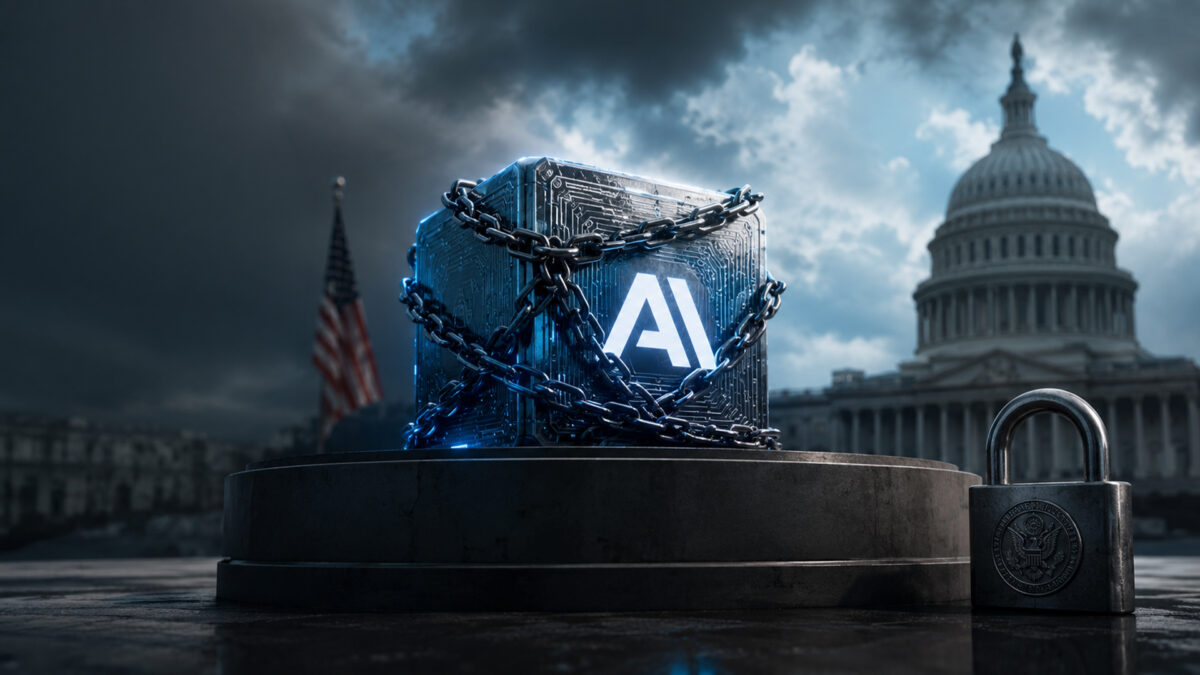
The US government has ordered AI company Anthropic to restrict access to some of its most advanced artificial intelligence models for foreign nationals, citing national security and export control concerns.
The move affects Anthropic’s newly launched Claude Fable 5 and Mythos models, which are among the company’s most powerful AI systems. Under the directive, access to the models has been suspended or limited for users outside the United States while the company works to comply with the new requirements.
US officials reportedly believe that highly capable AI systems could have strategic and security implications if they are widely available without restrictions. The measures are part of a broader effort by Washington to regulate advanced technologies that could potentially be used for military, intelligence or cyber-related purposes.
Anthropic confirmed that access to the affected models had been restricted following government instructions. The company said it is working closely with authorities to ensure compliance while assessing the impact on customers and developers who rely on its AI tools.
The decision has triggered debate within the technology industry. Critics argue that limiting access based on nationality could slow global research collaboration and create barriers for legitimate users. Supporters, however, say advanced AI technologies require stronger safeguards as their capabilities continue to grow.
The issue gained further attention after Anthropic published details about the security testing and safety evaluations conducted on its latest models. The company said the assessments were intended to identify risks and ensure the systems could be deployed responsibly.
Industry experts view the development as a sign that governments are taking a more active role in regulating cutting-edge AI technologies. The restrictions could also influence how other AI companies develop and distribute advanced models in the future.
The move comes amid increasing global competition in artificial intelligence, with governments seeking to balance innovation with security concerns. Analysts say the decision could set an important precedent for future controls on powerful AI systems.