Categories
Technology

Chinese phone makers lure iPhone users with AI

Chinese smartphone makers are increasingly targeting iPhone users, seeking to convert those frustrated by Apple’s delayed AI rollout in China. With the tech giant’s new AI features still slow to arrive, rivals such as Honor, Oppo, Vivo, Xiaomi, and Huawei see an opportunity to lure customers with innovative tools and services.

One key strategy is making the switch from iPhone to their devices as seamless as possible. Honor, for instance, offers a “Device Clone” app that transfers contacts, photos, messages, and other data simply by scanning a QR code. Oppo provides a similar feature, allowing users to manage their calls, messages, and notifications from their new phones almost immediately after migration. Vivo and Xiaomi are also expanding tools that reduce the friction for iPhone users considering a move to their ecosystems.

Beyond migration apps, Chinese brands are rolling out advanced AI features to differentiate themselves. Oppo’s new AI assistant can analyze screenshots to track expenses, offer real-time workout guidance via the camera, and help users navigate daily routines more efficiently. Honor has launched AI tools that compare coupons across platforms, assist with ride-hailing, and even create short-form videos — features that could appeal to iPhone users looking for smarter, more interactive devices.

The timing of these initiatives comes at a moment when Apple is facing a slight slowdown in China. In the third quarter of 2025, iPhone shipments fell about 2% year-on-year, while local brands gained momentum. Vivo, for example, overtook Apple to lead the market with roughly 18.5% share, highlighting the competitive threat to the U.S. tech giant in its key premium market.

Analysts say these moves may entice some iPhone users to switch, especially those eager for AI enhancements that Apple has yet to deliver. However, Apple still maintains a strong hold on the premium segment globally, with brand loyalty and ecosystem advantages keeping many users invested.

For now, Chinese smartphone makers are betting that easy-switch tools combined with AI-powered features could be enough to tempt a wave of iPhone users toward their devices, potentially reshaping the premium smartphone landscape in China.

Also Read: ICICI Securities sees 21% upside in ITC Hotels shares

Categories
Beyond

China eases export controls on auto chips

China’s Ministry of Commerce has announced that it is granting exemptions to its export controls on specific chips manufactured by Nexperia for civilian use. This is aimed at alleviating acute shortages in the automotive sector.

Nexperia, headquartered in the Netherlands but owned by Chinese company Wingtech, makes large volumes of simple but essential semiconductors used in vehicle electrical systems. The crisis began after the Dutch government took control of Nexperia on 30 September, citing economic‑security concerns that Wingtech would relocate production to mainland China. In response, China imposed export bans on finished chips made in China for foreign markets, triggering fears of shutdowns at car plants in Europe and Japan.

Beijing’s statement however does not specify exactly which chip types or uses qualify as “civilian use,” leaving some ambiguity for automakers and suppliers. According to industry reports, some German and Japanese companies say they have already received resumed deliveries of Nexperia chips from China under the new exemptions.

Despite the relief for automotive supply chains, the broader dispute between China, the Netherlands and the European Union over Nexperia’s ownership and operations remains unresolved. The Commerce Ministry has urged the EU to press the Netherlands to reverse its takeover of Nexperia.

Automakers and suppliers will now monitor how quickly and fully chip flows resume, and whether the exemption marks a stable shift or a temporary reprieve in what has become a high‑stakes tech and trade battleground.

Also Read: Lenskart lists at ₹390–₹395, below ₹402 IPO

Categories
Beyond

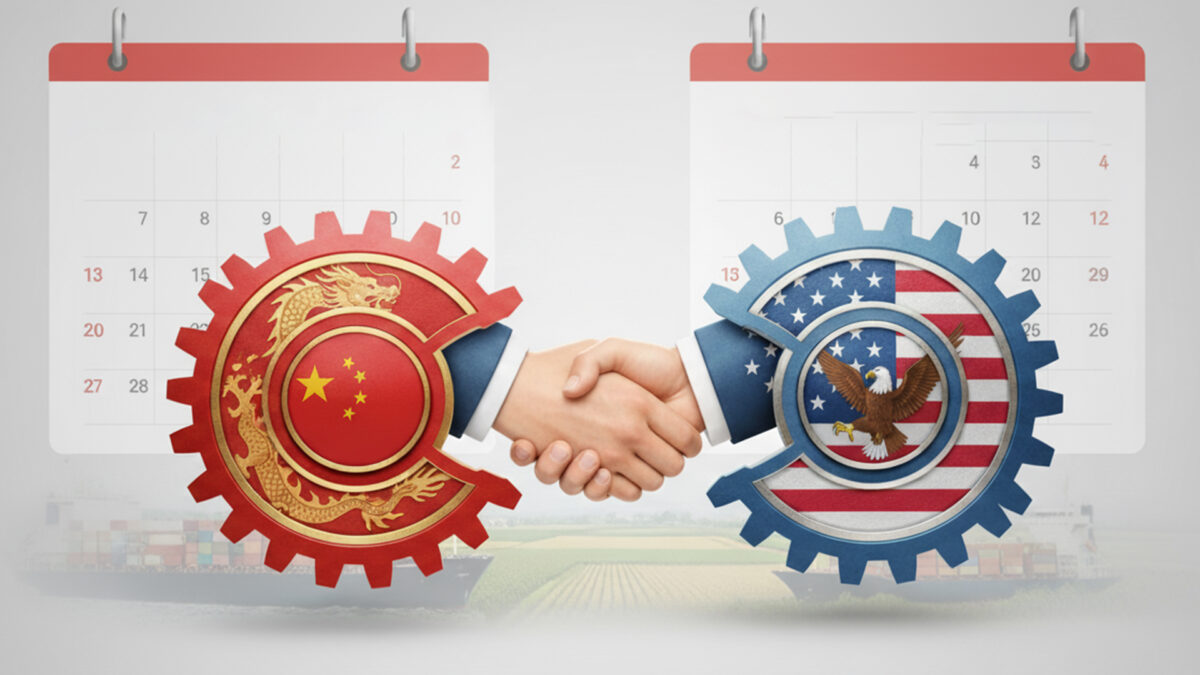
China lifts 24% US tariff, keeps 10%

China will suspend its 24% tariff on a wide range of US goods for one year, marking a cautious step toward easing trade tensions. However, it will continue to impose a 10% duty on certain products, keeping some restrictions in place.

The decision follows a high-profile meeting between President Xi Jinping and US President Donald Trump, indicating a possible thaw in the long-standing trade dispute.

US agricultural exports may benefit, as tariffs of up to 15% on some farm products will be lifted starting November 10. While the suspension of the higher tariff provides relief for American businesses, China’s decision to maintain certain duties signals that a full resolution remains a work in progress.

This step represents a measured approach from both sides, balancing economic interests with ongoing diplomatic negotiations.

Also Read: Mehli Mistry Steps Down from Tata Trusts