
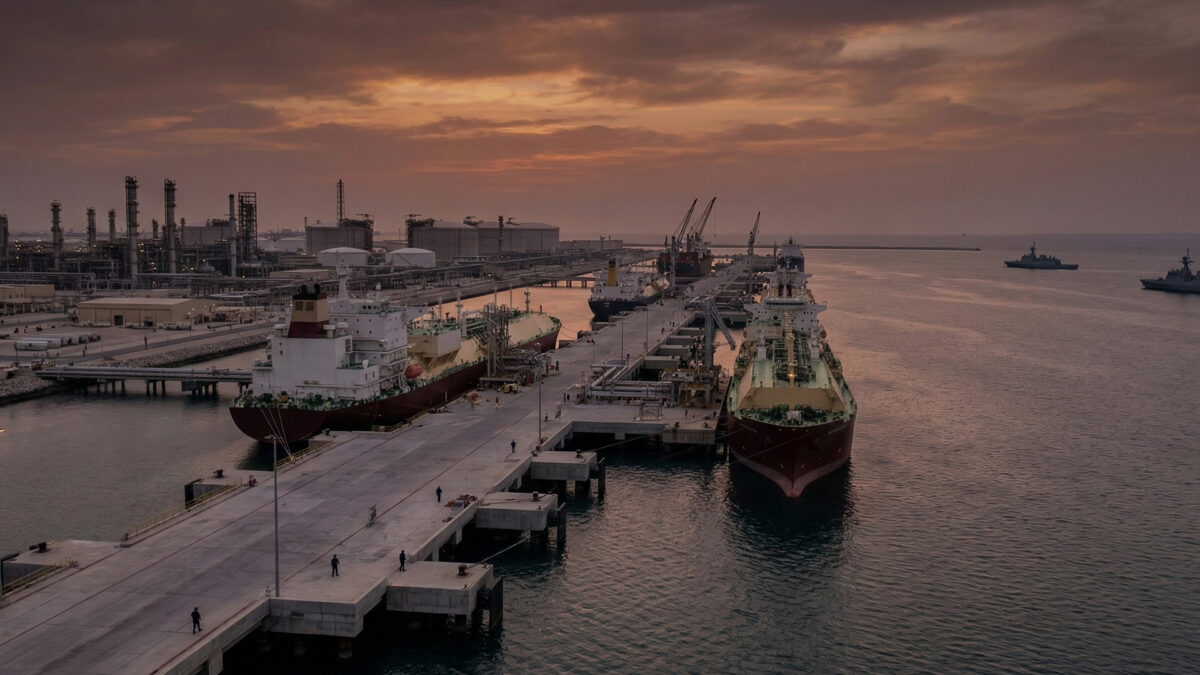
Qatar has warned that energy exports from the Gulf region could be disrupted within weeks if tensions between the United States and Iran continue to rise.
Speaking about the growing conflict in the Middle East, Qatar’s Energy Minister Saad al-Kaabi said the situation could threaten the movement of oil and natural gas from the region to the rest of the world. If the conflict escalates further, shipping routes and energy facilities may become unsafe, forcing Gulf countries to temporarily stop exports.
The Gulf region plays a crucial role in the global energy market. A large share of the world’s oil and liquefied natural gas (LNG) passes through the Strait of Hormuz, a narrow but extremely important shipping route. Any disruption in this area can quickly affect global energy supplies and prices.
Qatar is one of the world’s largest exporters of LNG and supplies natural gas to several countries across Asia and Europe. Officials say the ongoing conflict has already created uncertainty for energy shipments in the region.
Energy experts warn that if the situation worsens, it could lead to serious disruptions in global oil and gas markets. A long conflict could push fuel prices higher and affect transportation, electricity costs and industrial production in many countries.
Countries that depend heavily on imported fuel could feel the impact the most. Higher energy prices could also increase inflation and make daily living costs more expensive for people around the world.
The warning from Qatar comes at a time when tensions in the Middle East remain high due to military actions and threats of further attacks. Governments and global markets are closely watching developments in the region.
Also Read: ₹4,080 bet turns ₹55 cr in Sedemac IPO