
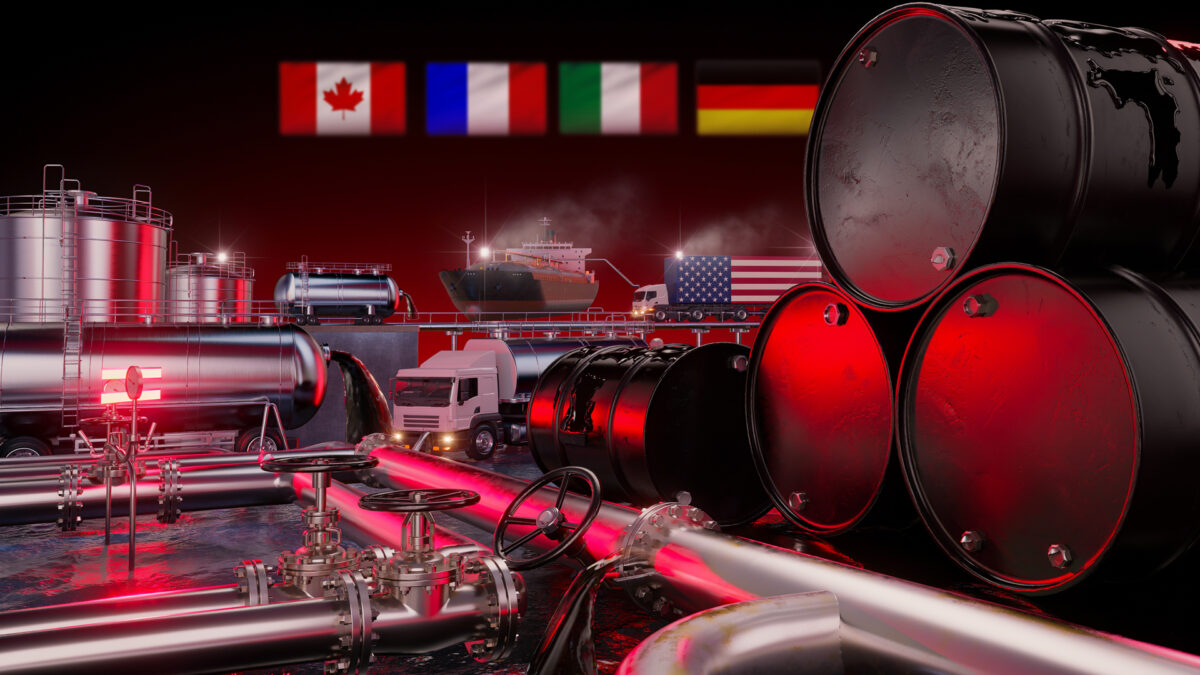
The Group of Seven (G7) has agreed to release up to 100 million barrels of oil from strategic reserves over the next four months, in its latest attempt to cool soaring fuel prices and ease pressure on global energy markets.
The decision follows a sharp rise in oil and diesel prices amid disruptions to global energy supplies. The coordinated release is expected to put additional crude and refined fuel into the market, with diesel supplies receiving priority during the initial phase.
The agreement was reached during a virtual meeting of G7 leaders on October 2. The United States, Canada, France, Germany, Italy, Japan and the United Kingdom are participating in the effort, which will be coordinated with the International Energy Agency (IEA).
The G7 said the reserve release would begin immediately and continue for four months. A significant portion of the available diesel stocks is expected to be released during the first 20 days, reflecting the immediate pressure in fuel markets.
Diesel has become a particular concern for businesses because it is widely used by trucks, ships, agricultural machinery, construction equipment and factories. Higher diesel prices can quickly increase transportation and production costs, eventually feeding into the prices of goods and services.
The latest move comes as fuel prices have climbed sharply in major economies. In the United States, diesel prices have moved above $6 a gallon, adding to concerns for transport operators and businesses that rely heavily on road freight.
European countries have also been dealing with elevated diesel costs. The pressure has been intensified by disruptions to refining operations, restrictions on fuel supplies and uncertainty surrounding energy shipments.
The G7 has also called for continued access to international energy markets. Its members agreed that they would avoid imposing restrictions on exports of energy and energy products. The group also urged other energy-producing countries to keep supplies moving rather than introduce export bans that could further tighten the market.
The decision is particularly significant for Europe, where policymakers have been concerned that restrictions on US fuel exports could worsen an already tight diesel market. Maintaining cross-border fuel flows is therefore an important part of the G7’s broader response to the current energy squeeze.
The global oil market has faced several disruptions in recent months. Geopolitical tensions, damage to energy infrastructure and uncertainty around shipping routes have affected the movement of crude oil and refined products.
The Strait of Hormuz remains a major concern for energy markets because a substantial share of global oil shipments normally passes through the strategic waterway. Any prolonged disruption could push crude oil prices higher and make the task of stabilising fuel markets more difficult.
The G7’s reserve release is designed to provide a short-term supply boost while governments and energy companies work to address wider disruptions.
The group is also looking at measures to increase refinery output. G7 countries have agreed to coordinate refinery maintenance schedules to avoid several major facilities being taken offline at the same time. Members will also examine whether refineries can temporarily increase production where capacity is available.
The focus on refining is important because releasing crude oil alone cannot fully solve a shortage of diesel or other refined fuels. Crude must first be processed into products such as diesel, petrol and jet fuel before it can reach consumers and businesses.
The latest announcement builds on a much larger emergency response coordinated by the IEA earlier this year. IEA member countries had agreed to release 400 million barrels from strategic reserves, described as the agency’s largest coordinated stock release.
The additional G7 commitment is intended to complement that wider effort and respond to continuing pressure on fuel markets.
Oil prices reacted to the announcement, with Brent crude falling below $101 a barrel and US West Texas Intermediate also declining. The market response reflected expectations that additional barrels could improve near-term supply conditions.
However, the impact on consumers and businesses will depend on how quickly the reserves reach the market and whether other supply disruptions continue.
Strategic petroleum reserves are normally maintained as an emergency buffer against major disruptions. Releasing them can provide temporary relief, but governments eventually have to replenish their stocks. The G7 therefore faces a balance between addressing today’s fuel shortage and maintaining adequate reserves for future emergencies.
The IEA is expected to assess the impact of the release within 20 days. That review could determine whether additional measures are required and how quickly strategic reserves should eventually be rebuilt.
For businesses, lower fuel prices would provide relief at several levels. Transport companies could see reduced operating costs, while manufacturers, farmers and logistics firms could benefit from lower energy expenses. A sustained decline in fuel prices could also ease inflationary pressure by reducing transportation and production costs.
The G7’s latest intervention therefore goes beyond the immediate objective of adding oil to the market. It is an attempt to restore confidence in energy supplies at a time when fuel costs have become a growing concern for governments, companies and consumers.
The coming weeks will show whether the additional supply is enough to ease diesel shortages and bring greater stability to global oil markets.