Categories
Technology

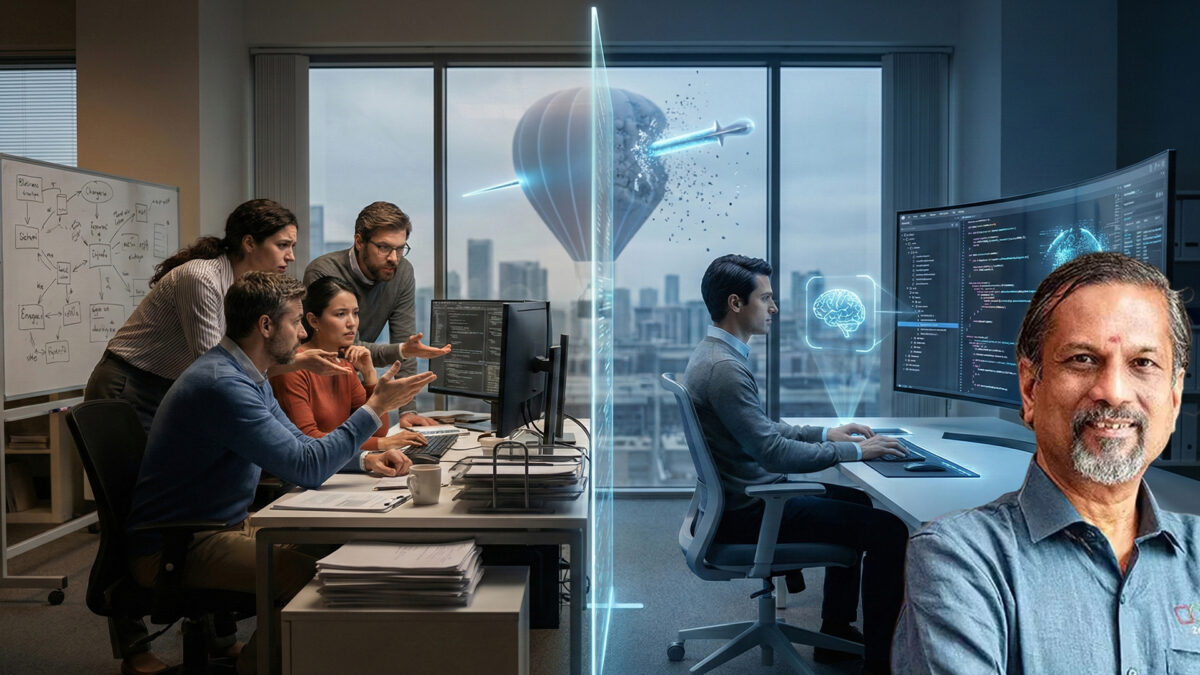
AI safety expert quits Anthropic, warns world at risk

Mrinank Sharma, a senior AI safety researcher at US-based artificial intelligence company Anthropic, has resigned from his role, issuing a stark warning that the world is heading towards danger if powerful technologies continue to grow without strong ethical grounding.

In a widely shared resignation note posted online, Sharma said humanity is facing several interconnected crises at the same time, from environmental stress and social unrest to rapid technological change. Artificial intelligence, he warned, could intensify these challenges if its development is not guided by wisdom, restraint, and clear human values.

Sharma headed Anthropic’s safeguards research team, where he worked on reducing risks associated with advanced AI systems. His work included studying how AI could be misused, such as assisting harmful biological research or influencing human behaviour at scale. Despite these efforts, Sharma said it was often difficult to ensure that ethical principles consistently shaped real-world decisions in high-pressure technology environments.

Without directly accusing the company of wrongdoing, Sharma wrote that aligning actions with values is far harder in practice than it appears on paper. He suggested that the broader tech ecosystem tends to prioritise speed, competition, and capability over reflection and long-term responsibility.

His resignation has sparked fresh debate across the technology sector, where concerns are growing that AI development is moving faster than society’s ability to understand and manage its consequences. Sharma’s departure adds to a list of researchers and engineers who have raised alarms about whether current safeguards are enough.

The announcement surprised many in the tech community, Sharma where he is stepping away from AI research altogether and turning to poetry and creative writing. He said this shift would allow him to explore deeper questions about meaning, responsibility, and humanity’s future in a more honest and personal way.

Also Read: Belagavi tech company in Karnataka sues Anthropic over name
Categories
Technology

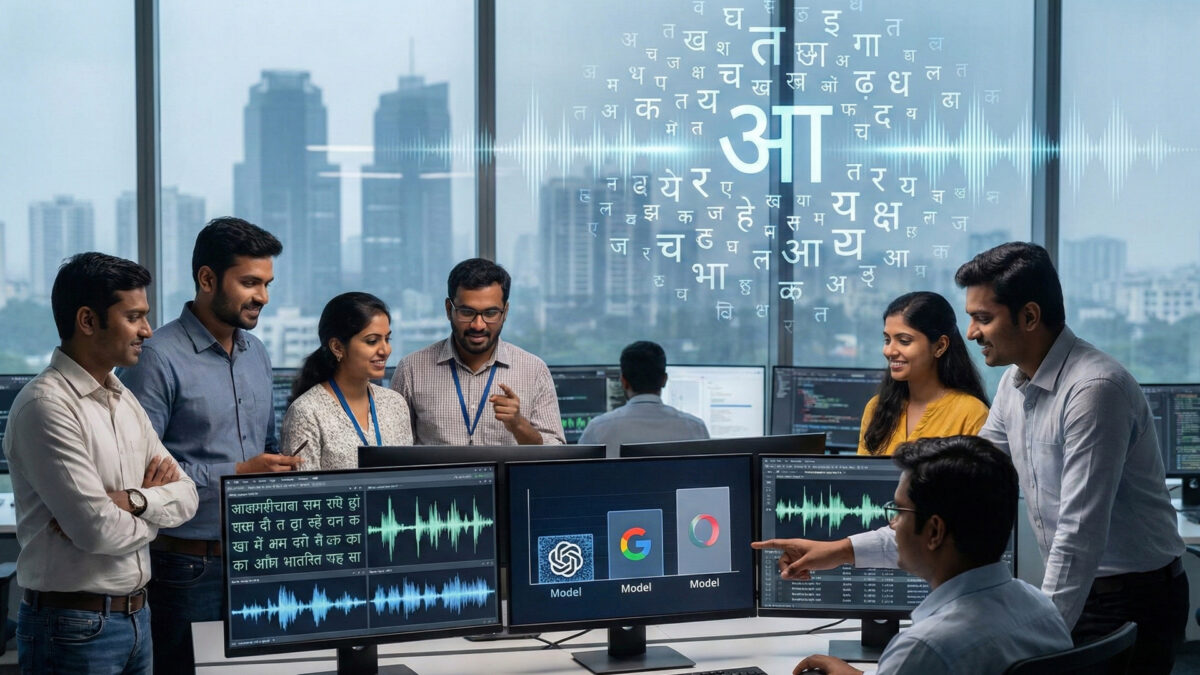
Sarvam AI beats global rivals in India tests

India’s artificial intelligence ecosystem has received a major boost as Sarvam AI, a Bengaluru-based startup, has outperformed global AI models such as Google Gemini and OpenAI’s ChatGPT in several benchmarks designed around India-specific use cases. The achievement has attracted international attention and highlighted the growing strength of indigenous AI innovation.

Sarvam AI’s success comes from its focus on challenges unique to India, including multilingual content, diverse scripts, and complex document formats. While many global AI models are designed for broad, international applications, they often struggle with regional languages and locally used documents. Sarvam has addressed this gap by building models specifically trained for Indian conditions.

One of its key products, Sarvam Vision, is an advanced optical character recognition (OCR) system capable of reading and understanding complex documents. These include scanned government records, handwritten text, tables, and pages containing multiple Indian languages in a single layout. In recent benchmark tests, Sarvam Vision scored higher than competing systems from major global players, demonstrating superior accuracy and reliability.

Another major highlight is Bulbul V3, Sarvam’s text-to-speech model. Bulbul V3 has been developed to generate natural-sounding voices in Indian languages and accents. The system currently supports more than 35 voices and is designed to eventually cover all 22 official Indian languages. In listening and performance tests, Bulbul V3 delivered clearer pronunciation and more natural speech than several international alternatives, particularly for Indian language outputs.

Experts say Sarvam’s performance shows the importance of building AI systems that are locally trained rather than globally generic. Its models are seen as especially useful for sectors such as government services, banking, education, healthcare and customer support, where Indian languages and document formats are widely used.

The achievement has also strengthened the idea of “sovereign AI”  technology developed within the country to meet national needs and reduce dependence on foreign platforms.

Also Read: Over a billion Android phones at risk

Categories
Technology

Over a billion Android phones at risk

More than one billion Android smartphones worldwide are now vulnerable to hacking, data theft and malware attacks after Google stopped providing security updates for older versions of its operating system. The warning highlights a growing digital safety concern for millions of everyday users who continue to rely on ageing devices for banking, communication and work.

Google’s latest data shows that over 40 per cent of Android phones are running on Android 12 or older. These versions no longer receive regular security patches, which means newly discovered flaws are left unaddressed. Cybercriminals often target such weaknesses to install spyware, steal passwords or gain unauthorised access to personal data.

The problem is not limited to very old or low-cost phones. Several popular models that were considered premium just a few years ago have also reached the end of their software support cycle. Once updates stop, even a well-functioning phone becomes increasingly unsafe to use, especially for financial transactions or storing sensitive information.

While Google continues to offer Play Protect, a built-in malware scanning service, experts say this is not enough. Play Protect can detect harmful apps, but it cannot fix deep system-level vulnerabilities that hackers exploit. Without core security updates, phones remain exposed to more advanced and sophisticated attacks.

The issue is worsened by Android’s fragmented ecosystem. Software updates depend heavily on phone manufacturers and mobile carriers, leading to delays or early discontinuation of support. As a result, many devices that are still in daily use are left behind as newer Android versions roll out.

Google and cybersecurity experts are urging users to check their Android version and update their phones if possible. For devices that cannot be upgraded beyond Android 12, the safest option may be to switch to a newer model that guarantees regular security updates for several years.

Also Read: SpaceX puts Moon first, Mars to wait now

Categories
Technology

AI stethoscopes boost early health screening

AI-powered digital stethoscopes are emerging as powerful tools that could change how diseases are detected during basic health screenings, according to recent research. By combining traditional auscultation with artificial intelligence, these devices help clinicians identify warning signs that might otherwise go unnoticed.

The technology works by capturing detailed heart and lung sounds and analysing them through AI algorithms trained to recognise disease-specific patterns. This approach has shown strong results in detecting heart valve disorders and respiratory conditions, even in early or mild stages.

One of the key advantages of AI-enabled stethoscopes is their potential to address screening shortfalls in resource-limited settings. Many regions lack access to imaging tests and specialist doctors, leading to delayed or missed diagnoses. Portable digital stethoscopes can be used in community clinics and outreach programmes, bringing advanced screening closer to patients.

Researchers say the tools could be particularly useful in identifying lung infections such as tuberculosis, which continues to affect millions worldwide. AI systems can detect abnormal lung sounds linked to infection, helping health workers decide who needs further testing.

The devices also support digital storage and remote sharing of recordings, making them suitable for telehealth services. This allows doctors to review patient data from afar and advise on next steps.

Also Read: Alphabet breaks $400 bn revenue barrier in 2025

Categories
Technology

AI tools set to transform software jobs

The rapid evolution of AI-driven development tools is poised to transform the software industry, changing how applications are created and challenging traditional coding roles. Generative AI models, such as Anthropic’s Claude, are now capable of handling tasks that once required experienced programmers, from writing code to building entire software systems.

A striking example comes from a recent app development scenario: a non-technical investor, using AI tools, built a fully functional iOS app on the Bhagavad Gita without writing a single line of code. The app, 10 Minute Gita, includes daily readings, translations, searchable content, and customization — all generated through AI prompts. This highlights the growing ability of AI to automate complex software engineering tasks.

Advanced models like Claude have even achieved technical milestones such as creating a complete C compiler, demonstrating that AI can now handle core programming functions traditionally reserved for trained engineers. These capabilities signal a shift in the software landscape, where productivity and application development are increasingly augmented or even replaced by AI.

Industry experts warn that this could have profound implications for IT professionals. Developers who have relied on coding as a primary career skill may find traditional roles shrinking as AI takes over routine and even advanced tasks. While this shift poses challenges, it also opens avenues for human creativity, innovation, and oversight in AI-driven workflows.

The broader tech community is observing these trends closely, as generative AI continues to influence IT strategies, investment decisions, and employment patterns globally. Companies are exploring ways to integrate AI tools into their development pipelines, emphasizing efficiency and faster product delivery, which could redefine career expectations for software engineers.

In this changing environment, the message is clear: IT professionals must adapt and diversify their skill sets to remain relevant. Embracing AI as a collaborator rather than a competitor, learning AI integration, and focusing on creative or managerial roles could help coders navigate the future of work.

Also Read: Tim Cook talks succession, denies retirement plans

Categories
Technology

Anthropic’s AI Agents raise market concerns for Indian IT

US AI startup Anthropic has introduced Claude Cowork, an advanced AI agent platform capable of automating complex business tasks. Using smart plugins, these AI agents can manage legal document review, data analysis, and marketing workflows, performing end-to-end processes that previously required human expertise and specialised software.

The launch has caused alarm among investors, raising fears of a significant disruption in the Software-as-a-Service (SaaS) sector — now being referred to as the “SaaSapocalypse.” Analysts are concerned that companies may increasingly bypass traditional software licences and human-driven IT services, potentially affecting revenues for major IT firms.

The market impact was immediate. Global software stocks experienced sharp declines following the announcement. In India, IT leaders such as TCS, Infosys, Wipro, HCLTech, and LTIMindtree saw significant share price drops, with the NIFTY IT index falling 6–7%, marking one of its steepest losses in recent years.

Experts warn that AI agents performing routine tasks could reduce demand for labour-intensive IT services, putting traditional revenue models based on headcount or SaaS subscriptions at risk. Software offerings may face pricing pressure or even obsolescence if companies rapidly adopt AI-driven alternatives.

Looking ahead, Indian IT companies are expected to pivot toward high-value, specialised services, including strategic advisory, complex system integration, and consulting projects where AI replacement is less immediate.

Also Read: BlackRock CEO says India should boost capital markets

Categories
Technology

Nintendo switch tops sales record

What began as an unusual idea to mix home and handheld gaming has turned into a historic success. Nintendo’s Switch console has now become the best-selling device in the company’s long history, crossing 155 million units sold worldwide.

Launched in 2017, the Switch stood out by allowing players to game on a television or carry the same console on the go. That flexibility struck a chord with families, casual players and long-time fans alike. During the COVID-19 lockdowns, when people were spending more time indoors, the Switch became a source of comfort and connection for millions.

Its success was powered by games that felt familiar yet fresh. Titles from iconic franchises such as Mario, The Legend of Zelda, Pokémon and Mario Kart kept players coming back year after year. Parents played alongside children, and seasoned gamers rediscovered the joy of simple, fun gameplay.

With this milestone, the Switch has overtaken the Nintendo DS, which previously held the company’s sales record. However, it still trails Sony’s PlayStation 2, which remains the world’s best-selling console overall.

Nintendo is now looking to the future. Its newer console, the Switch 2, launched in 2025 and has already seen strong early demand, selling around 17 million units in just a few months. While matching the original Switch’s success may be challenging, the early response has been encouraging.

Industry experts say Nintendo’s story shows how innovation, nostalgia and timing can come together to create something lasting, not just a console, but a shared experience enjoyed across generations.

Also Read: Rupee strengthens to 90.40 against dollar

Categories
Technology

Fitbit founders launch Luffu AI app for family health

James Park and Eric Friedman, the co-founders of Fitbit, know a thing or two about helping people stay healthy. Now, they’re turning their attention to the whole family. Their new startup, Luffu, is an AI-powered platform that helps families monitor and manage health together,  from kids to grandparents, and even pets.

At its heart, Luffu is designed to simplify the chaos of family health. Instead of juggling separate apps, spreadsheets, or sticky notes, families can now see everyone’s health information in one place. The AI gathers data from wearables, health apps, portals, and even notes or photos added by family members. Over time, it learns patterns and can give gentle, proactive alerts,  like reminders for medications, changes in sleep or vitals, and upcoming appointments.

“What sets Luffu apart is its ability to understand context,” Park explains. “It doesn’t just show data,  it gives families answers, like whether a loved one’s blood pressure has changed or if a pet got its medicine today.” Users can ask these questions naturally, just like talking to another person, and the app responds with clear insights.

Privacy is central to Luffu. Everyone controls what information they share and with whom, so sensitive health details remain secure.

Currently, Luffu is available as a mobile app, with a waitlist for early users.

Also Read: HAL shares drop 8% after key fighter jet program setback

Categories
Technology

Snowflake, OpenAI seal $200 million AI deal

Snowflake has entered into a $200 million multi-year partnership with OpenAI to bring advanced generative AI capabilities directly to its enterprise data platform, marking a major push to capture the fast-growing corporate data intelligence market.

Under the agreement, OpenAI’s latest models, including GPT-5.2, will be embedded into Snowflake’s AI Data Cloud. This will allow businesses to analyse, query and act on their own data using natural language, without moving sensitive information outside Snowflake’s secure environment.

The integration will enable companies to build AI-powered applications and automated “AI agents” that can reason over enterprise data, generate insights, and support tasks such as reporting, forecasting and operational decision-making. Snowflake says the move is aimed at making advanced AI accessible to business users, not just data scientists.

A key aspect of the partnership is that OpenAI models will be available natively within Snowflake’s ecosystem, including its Cortex AI and Snowflake Intelligence products. This reduces reliance on third-party platforms and allows customers to deploy AI tools across major cloud providers such as Amazon Web Services, Microsoft Azure and Google Cloud.

Executives from both companies stressed that data security, governance and compliance remain central to the offering. Enterprise data will stay within Snowflake’s controlled environment, addressing concerns around privacy and regulatory requirements as companies scale AI adoption.

Several early users, including design platform Canva and fitness technology company WHOOP, have already begun using the integrated tools to speed up data analysis and automate internal workflows.

The announcement was welcomed by investors, with Snowflake shares rising after the deal was made public. Analysts view the partnership as a strategic move that strengthens Snowflake’s position against rivals in the enterprise data and AI space, as companies increasingly seek ways to combine trusted data platforms with powerful generative AI.

Also Read: SC tells WhatsApp to follow law or exit India

Categories
Technology

SC tells WhatsApp to follow law or exit India

The Supreme Court has sharply criticized WhatsApp and Meta over their privacy policies, warning that foreign tech firms must follow Indian laws or exit the country. Chief Justice Surya Kant said: “If you can’t follow our Constitution, then leave India.”

The case relates to WhatsApp’s 2021 privacy update, which required users to share data with Meta. The Competition Commission of India (CCI) fined WhatsApp ₹213 crore for abusing its market dominance, and this decision was partially upheld by the NCLAT. Meta has challenged the penalty in the Supreme Court.

The court raised concerns about informed consent, noting that millions of users may not fully understand complex privacy terms. It stressed that private user data cannot be exploited commercially for targeted ads.

As an interim measure, WhatsApp has been ordered not to share user information with Meta until the case is resolved. The government, through the Ministry of Electronics and IT, has been made a party to the case to ensure compliance with India’s Digital Personal Data Protection Act.

The bench emphasised that fundamental privacy rights cannot be compromised for business gains, and the matter will be heard further in the coming weeks.

Also Read: Palantir Q4 revenue $1.41bn, stock jumps 8%