Categories
Leaders

Tarun Garg to Succeed Unsoo Kim as Hyundai India’s First Indian MD & CEO

Hyundai Motor India Limited (HMIL) has announced that Tarun Garg will take over as Managing Director and Chief Executive Officer effective 1 January 2026, following the decision by incumbent Unsoo Kim to step down and return to a strategic role in South Korea.

The board of HMIL approved Garg’s appointment at a meeting held on 14 October 2025, according to regulatory disclosures.

Until that date, Garg will serve as MD & CEO‐designate while shadowing Kim in the transition. The successor appointment remains subject to shareholder approval.

Unsoo Kim, who has helmed Hyundai India since 2022, will formally relinquish his position on 31 December 2025 and assume a strategic assignment at Hyundai Motor Company in South Korea.

During his tenure in India, Kim oversaw landmark developments including Hyundai India’s initial public offering in 2024 — India’s biggest IPO to date.

Tarun Garg becomes the first Indian national to lead Hyundai’s Indian operations.

A mechanical engineer by training and an MBA from IIM Lucknow, Garg joined Hyundai India in December 2019 as Director (Sales, Marketing & Service) and was elevated to Chief Operating Officer in January 2023.

Before Hyundai, Garg spent over two decades at Maruti Suzuki India, rising to the role of Executive Director (Marketing). Within Hyundai, his contributions include the rollout of Advanced Driver Assistance Systems (ADAS) across multiple models and efforts to improve sales quality, control incentives, and expand margins.

Alongside the leadership change, Hyundai India also disclosed a major investment plan of ₹450 billion (about US$5.07 billion) by fiscal 2030 to expand capacity and strengthen research and development efforts.

Around 60 percent of the allocation is planned for R&D, with the balance directed at product upgrades and capacity enhancement.

The company is targeting EBITDA (core earnings) margins of 11 to 14 percent and a compounded annual domestic sales growth rate of approximately 7 percent over the next five years.

Also Read: Citi India Appoints Srini Kannan to Lead Key Sectors at Commercial Bank

Categories
Leaders

Akasa Air Faces Leadership Turbulence as Co-founder Khatri Resigns

Neelu Khatri, one of Akasa Air’s founding pillars and the architect of its global ambitions, has stepped away from the cockpit of its leadership. The Senior Vice President for International Affairs resigned this week, marking the fledgling airline’s first major exit since its take-off in 2022.

The timing is notable as just a few weeks ago, Akasa secured ₹1,200 crore in fresh funding from investors led by Premji Invest, fuelling plans to stand toe-to-toe with aviation heavyweights like IndiGo and Air India. The company has already spread its wings internationally, while launching flights to Doha and preparing for more destinations.

Khatri joined Akasa Air even before its inaugural flight, helping chart the carrier’s course into overseas markets. Her departure comes just as the airline is at full throttle, aggressively expanding its network both domestically and internationally. Insiders suggest her move was a personal career decision, while the airline maintains that its growth trajectory remains unaffected. Her responsibilities have been passed on to senior executives as part of a broader leadership realignment.

While the skies remain friendly for now, foreign expansion in the competitive Indian airline landscape is no soft landing. As one of the few shareholders in the parent entity, SNV Aviation, Khatri’s quiet exit has industry watchers speculating about the reasons behind it.

Also Read: Rolls-Royce Eyes India as Strategic Global Hub, CEO Confirms

Categories
Leaders

Elon Musk Settles $128 Million Lawsuit with Former Twitter Executives

Elon Musk has agreed to settle a lawsuit filed by four former Twitter executives—Parag Agrawal, Ned Segal, Vijaya Gadde, and Sean Edgett—over unpaid severance packages totaling $128 million.

The executives alleged they were wrongfully terminated for cause immediately after Musk’s $44 billion acquisition of Twitter in October 2022, which voided their severance entitlements.

They contended that the dismissals were retaliatory actions following their involvement in a lawsuit against Musk when he attempted to back out of the acquisition deal.

The lawsuit also referenced a claim in Musk’s biography suggesting he deliberately timed the acquisition to terminate the executives before their stock options vested.

The settlement, filed in a California federal court, is conditional upon certain terms being met in the near term.

A judge has postponed deadlines to allow the parties time to finalize the arrangements.

Musk and X Corp have denied any wrongdoing, maintaining that the executives were dismissed for performance-related reasons.

This legal dispute is part of a series of challenges Musk has faced since acquiring Twitter, now rebranded as X.

In August, X Corp agreed to settle a separate class-action lawsuit involving approximately 6,000 laid-off employees who claimed they were denied severance payments.

Additionally, Musk is currently involved in a lawsuit with the U.S. Securities and Exchange Commission (SEC) over alleged securities law violations related to his share purchases.

The settlement with the former executives marks a significant development in the ongoing legal and operational challenges Musk has encountered since taking control of Twitter.

As the terms of the settlement are finalized, it remains to be seen how this resolution will impact Musk’s broader business endeavors and the future direction of X Corp.

Also Read: Starlink Prepares for India Launch, Emphasizes Rural Connectivity

Categories
Leaders

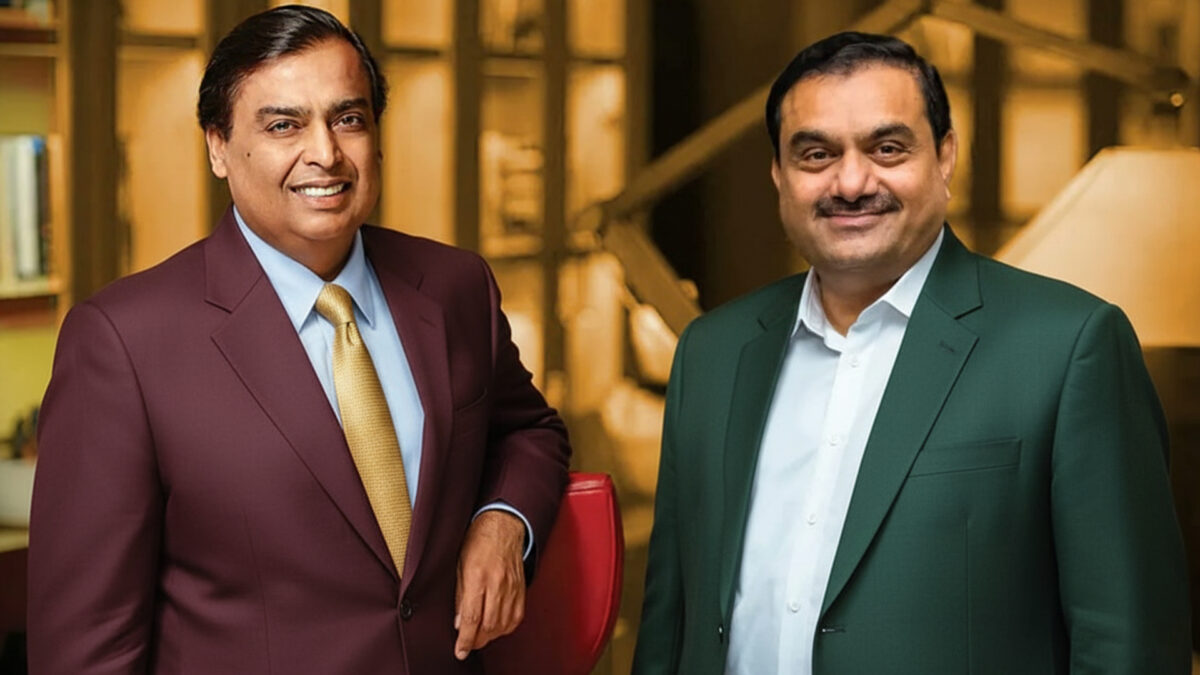
Mukesh Ambani Retains Top Spot on Forbes India Rich List; Gautam Adani Second

Mukesh Ambani, chairman and managing director of Reliance Industries, has maintained his position as India’s richest individual, according to the Forbes India Rich List for 2025.

With a net worth of $105 billion, Ambani remains the country’s sole centibillionaire, even as his fortune has declined by nearly 12 percent over the past year amid challenging market conditions.

The overall wealth of India’s top 100 billionaires fell by approximately $100 billion in 2025, a 9 percent drop, bringing the combined net worth to around $1 trillion.

Analysts attribute the decline to a combination of a weaker rupee, global economic uncertainty, and a 3 percent decrease in the benchmark Sensex index since the previous assessment.

Despite these challenges, Ambani’s position at the top has remained unchallenged, reflecting the enduring strength of his business empire.

Ambani’s wealth continues to be driven by the performance of Reliance’s consumer-facing businesses, particularly Reliance Retail and Jio Infocomm.

Recent valuations place Reliance Retail at $143 billion and Jio at $135 billion, highlighting the critical role these businesses play in driving the group’s overall earnings.

The company’s strategic plans, including the proposed listing of Jio in 2026, are expected to further unlock shareholder value and solidify Ambani’s position in the global billionaire rankings.

Gautam Adani and his family rank second on the Forbes list with a net worth of $92 billion, followed by Savitri Jindal and family at $40.2 billion, Sunil Mittal and family at $34.2 billion, and Shiv Nadar at $33.2 billion.

The rankings underscore the continued influence of industrial, telecom, and technology leaders in India’s economy, even as market volatility affects valuations across sectors.

Industry observers note that Ambani’s ability to retain the top position despite a dip in net worth demonstrates the resilience of Reliance Industries and its diversified business model.

Over the past year, the conglomerate has maintained strong revenue streams from its oil-to-telecom businesses, while expanding its digital and retail operations to tap into India’s growing consumer market.

While global and domestic economic headwinds have affected billionaire wealth across India, Ambani’s strategic initiatives, including technology investments and retail expansion, have allowed him to maintain a commanding lead over peers.

The announcement of Jio’s future public listing is being closely watched by investors and market analysts, as it could significantly influence the valuations of Reliance’s telecom and digital services segment.

Forbes’ 2025 list highlights not only Ambani’s continued prominence but also the shifting dynamics of wealth creation in India.

Despite market fluctuations, the combination of strategic foresight, diversification, and a focus on high-growth sectors has ensured that Ambani remains the benchmark for entrepreneurial success in the country.

As India’s economy continues to evolve and new sectors emerge, the performance of Ambani and other top billionaires will remain a key indicator of the country’s commercial and industrial landscape.

The Forbes ranking serves as a reminder of the scale and influence of India’s business leaders, even in times of financial uncertainty.

Also Read: Rubicon Research launches ₹1,377.5 crore IPO

Categories
Leaders

Hurun 2025: Ambani Leads, Adani Follows, King Khan Rises

India’s rich list just got a fresh twist, and there is one popular and familiar name holding the crown with glory.  Mukesh Ambani is back on top. In the M3M Hurun India Rich List 2025, the Reliance boss reclaimed his crown with a staggering family fortune of ₹9.55 lakh crore, nudging past Gautam Adani at ₹8.15 lakh crore.

But this year’s narrative goes beyond boardrooms and balance sheets.
Bollywood’s own Shah Rukh Khan, hailed as King of Romance, who recently won the National Film Award for Best Actor (Jawan), is now officially a billionaire, with wealth pegged at ₹12,490 crore. From blockbuster films to Red Chillies Entertainment, endorsements, and sharp investments, SRK’s financial star power has caught up with his onscreen aura.

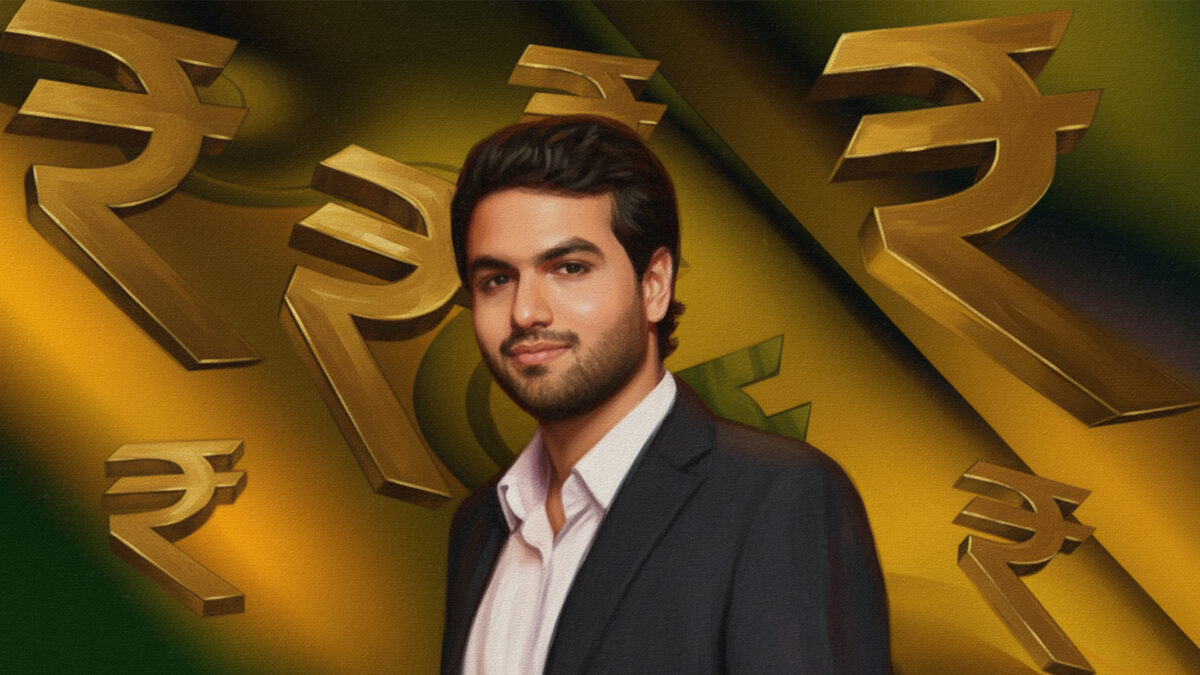
Among the business fraternity, Roshni Nadar Malhotra remains India’s richest woman, standing tall with a net worth of ₹2.84 lakh crore.  Aravind Srinivas, a new-age 31-year-old co-founder of AI startup Perplexity, is now India’s youngest billionaire with ₹21,900 crore to his name. Kaivalya Vohra, 22-year-old co-founder of Zepto, has become the youngest individual to feature on the list, with a net worth of ₹4,480 crore.

The 2025 edition claims to have broken many records already, with 1,000 individuals, 358 dollar billionaires, and a combined wealth pool of ₹167 lakh crore, nearly half of India’s GDP.  Overall, Mumbai leads as the billionaire capital (451), followed by Delhi (223) and Bengaluru (116). Interestingly,  66% of these fortunes are all self-made, and these names are quite an inspiration.

As the list unfolds, it narrates a bigger story where India’s wealth is no longer confined to old industrial dynasties. Tech innovators and cinema icons are reshaping the landscape. In today’s India, billionaire status is less about inheritance and more about creation.

Also Read: Gold and Silver Soar as US Shutdown Sparks Safe-Haven Demand

Categories
Leaders

Amit Shah Urges Indian Banks to Scale Up and Prioritize MSME Funding

Union Home and Cooperation Minister Amit Shah has called on Indian banks to elevate their ambitions, aiming to position themselves among the world’s top ten financial institutions.

Speaking at the Financial Express Best Banks Awards in Mumbai on September 25, Shah emphasized the critical role of banks in supporting micro, small, and medium enterprises (MSMEs), which he identified as the backbone of India’s economic growth.

Shah noted that many of India’s largest conglomerates, including Reliance Industries, Adani Group, and Torrent Group, began as MSMEs. He stressed that neglecting this sector would impede the nation’s economic progress.

The government has introduced various initiatives to support MSMEs, such as the Credit Guarantee Fund Trust for Micro and Small Enterprises (CGTMSE), which provides collateral-free credit to these businesses.

“Over the years, we have strongly enforced ease of doing business where 40,000 compliances have been removed. Efforts have been taken to tackle criminalisation and corruption which was rampant in the past through introducing penalty and action. We are shortly moving forward to Jan Vishwas Bill 2 with zero criminal economy,” he said.

Highlighting the government’s commitment to financial inclusion, Shah pointed out that over 530 million bank accounts have been opened since 2014, providing access to banking services for previously underserved populations. He also mentioned that approximately 86 key reforms have been implemented to strengthen the banking sector, making it more resilient and robust.

Shah’s remarks underscore the government’s vision of transforming India into a global economic leader by 2047. He urged banks to align with this vision by scaling up their operations and focusing on inclusive growth.

Also Read: US to Probe Waaree Energies Over Alleged Solar Tariff Evasion

Categories
Leaders

Firoz Mistry, Son of Cyrus Mistry, joins Afcons Infrastructure Board

Firoz Mistry, the elder son of the late Cyrus Mistry, has been appointed as a non-executive director on the board of Afcons Infrastructure, the flagship infrastructure arm of the Shapoorji Pallonji Group. This move marks a significant step in the involvement of the next generation of the Mistry family in the group’s operations.

At 29, Firoz Mistry brings a fresh perspective to the company. He holds positions on the boards of SC Finance and Investments Pvt Ltd and Cyrus Investments Pvt Ltd, and serves as a designated partner in CPM Nexgen Ventures LLP and Mistry Ventures LLP. His appointment to Afcons’ board follows the recent induction of his cousin, Pallon S. Mistry, indicating a broader integration of the Mistry family’s younger members into the group’s leadership.

Afcons Infrastructure has also appointed veteran banker Santosh Balachandran Nayar as an independent director. Nayar’s extensive experience in project finance and banking is expected to complement the strategic direction of the company.

These appointments come shortly after Shapoorji Mistry, the previous chairman of Afcons, stepped down and was named Chairman Emeritus. Krishnamurthy Subramanian has since been appointed as the Executive Chairman, further indicating a structured succession plan within the Shapoorji Pallonji Group.

Also Read: Adani Energy Solutions Achieves Zero-Waste-to-Landfill Status Across All Sites

Categories
Leaders

Internal Strife Erupts at Tata Trusts Over Nominee Director Appointment

Tata Trusts, the philanthropic arm holding a 66% stake in Tata Sons, is embroiled in internal discord following a contentious dispute over the appointment of a nominee director to the Tata Sons board. The disagreement has spotlighted deeper governance challenges within the Tata Group, which oversees a diversified portfolio valued at over ₹27 lakh crore.

The conflict traces back to October 2024, after the passing of Ratan Tata, when Noel Tata was appointed chairman of Tata Trusts. A resolution was passed stipulating that nominee directors on the Tata Sons board must seek annual reappointment upon reaching the age of 75. This policy directly affected Vijay Singh, 77, who had served as a nominee director since 2013 and as vice-chairman of Tata Trusts since 2018. Singh was due for reappointment at the September 2025 board meeting.

Tensions escalated when four trustees—Mehli Mistry, Pramit Jhaveri, Jehangir Jehangir, and Darius Khambata—opposed Singh’s reappointment. In response, Singh tendered his resignation from the Tata Sons board. The dissenting group proposed nominating Mehli Mistry as their representative, a move opposed by Noel Tata and Venu Srinivasan, who emphasized the need for a transparent and due process in line with Tata values.

The nominee directors appointed by Tata Trusts hold significant influence, including veto powers on key decisions such as acquisitions or capital expenditures exceeding ₹100 crore. This authority underscores the gravity of the dispute, as altering the composition of nominee directors can shift the balance of power within Tata Sons.

The fallout from this internal strife has led to a temporary reduction in Tata Trusts’ representation on the Tata Sons board. Currently, only two nominee directors remain, and the Trusts are considering engaging a professional firm to identify and shortlist potential candidates for the vacant position.

This episode highlights ongoing governance challenges within the Tata Group, particularly concerning the interplay between its philanthropic and business arms. The resolution of this dispute will likely have lasting implications for the group’s governance framework and its adherence to the values established by its founder, Jamsetji Tata.

Also Read: Adani Enterprises Secures ₹4,081 Crore Kedarnath Ropeway Project

Categories
Leaders

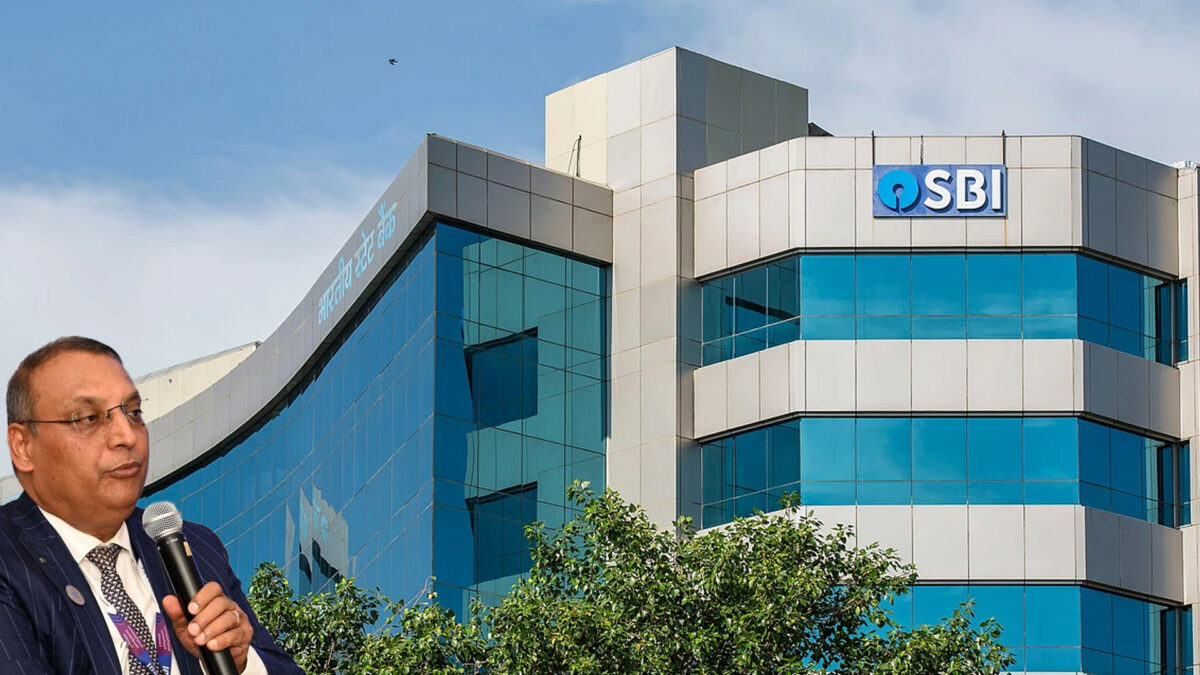
FSIB Recommends Ravi Ranjan as Managing Director of State Bank of India

The Financial Services Institutions Bureau (FSIB) has selected Ravi Ranjan for the position of Managing Director (MD) at the State Bank of India (SBI). Currently serving as Deputy Managing Director, Ranjan is set to succeed Vinay M. Tonse, whose term ends on November 30, 2025.

The FSIB conducted interviews with nine candidates for the MD role on September 11, 2025. After a thorough evaluation of their credentials and experience, Ravi Ranjan emerged as the preferred candidate.

The appointment is now subject to approval by the Appointments Committee of the Cabinet, chaired by Prime Minister Narendra Modi.

Ravi Ranjan’s elevation to MD at India’s largest public sector bank marks a significant step in his banking career and reflects the FSIB’s commitment to placing experienced leadership at the helm of key financial institutions.

Ravi Ranjan has over 33 years of experience with SBI, starting as a Probationary Officer in 1991. As a Deputy Managing Director, he manages SBI’s Global Markets division, overseeing an investment portfolio worth over $196 billion. He has also led the Corporate Accounts Group and served as Chief General Manager of SBI’s Chennai Circle. Ranjan has international experience from his role at SBI Hong Kong and holds an MBA from MDI Gurugram and an MSc in Botany from Patna University.

Also Read : SEBI Unveils SWAGAT-FI Framework to Boost FPI Access and Ease of Doing Business

Categories
Leaders

Larry Ellison Overtakes Elon Musk as World’s Richest Person

Larry Ellison Overtakes Elon Musk as World’s Richest Person

Oracle’s cloud-driven surge pushes Ellison’s net worth past $393 billion, marking a milestone in tech wealth rankings

Staff Writer

11 September 2025

Larry Ellison, co-founder and executive chairman of Oracle Corporation, has overtaken Elon Musk to become the world’s richest person, according to the latest Bloomberg Billionaires Index. Ellison’s net worth surged to over $393 billion, briefly surpassing Musk’s fortune and marking the first time the Oracle veteran has claimed the top spot in global wealth rankings.

The dramatic rise in Ellison’s wealth came on the back of Oracle’s blockbuster quarterly results, which exceeded market expectations. The company’s stock soared 41% in a single day, its largest-ever daily gain, driven by robust growth in its cloud infrastructure segment and a positive forecast for expansion. These gains added an estimated $101 billion to Ellison’s fortune, reinforcing the growing prominence of cloud computing and artificial intelligence in the tech sector’s future.

As of the latest data, Ellison’s fortune stands at $393 billion, slightly ahead of Musk’s $384 billion. Although Musk briefly reclaimed the lead afterward, Ellison’s ascent reflects the strength of Oracle’s strategic positioning and long-term investments. His ownership of approximately 40% of Oracle’s shares accounts for more than 80% of his wealth, underscoring how corporate leadership and innovation can translate into vast personal fortunes.

At 81 years old, Ellison’s achievement highlights a shift in the tech wealth landscape, as established companies pivot toward cloud-based services and digital infrastructure. Analysts believe that Oracle’s renewed momentum could sustain Ellison’s position at the top, particularly as demand for enterprise-level cloud solutions continues to rise.

Experts note that this development also marks a broader transformation in global wealth, with a few technology magnates commanding an unprecedented share of resources and influence. Ellison’s brief stint as the world’s richest person exemplifies how tech-driven growth trajectories are reshaping power dynamics at the highest levels of finance.

While Elon Musk’s ventures in space exploration and electric vehicles have long defined his fortune, Ellison’s cloud computing focus represents another pathway to astronomical wealth. As both figures jockey for prominence, the competition reflects how innovation, infrastructure, and investment strategies remain central to the fortunes of the ultra-wealthy.

The coming months will likely reveal whether Oracle’s growth can sustain this record-breaking surge or if competition in emerging tech sectors will reshape the leaderboard once again. For now, Larry Ellison’s rise stands as a landmark moment in the history of tech-driven wealth creation.