Categories
Corporate

Blackstone Nears $12.9 Billion Target for Asia Buyout Fund

Blackstone Inc. has successfully raised $10 billion for its latest Asia-focused private equity fund and is on track to reach its $12.9 billion hard cap by early 2026, according to sources familiar with the matter told news agency Bloomberg.

The New York-based firm is targeting investments in India, Japan, and Australia, while limiting exposure to China due to ongoing economic and regulatory challenges.

The new fund, Blackstone’s third dedicated to Asia, has attracted significant interest from global investors seeking growth opportunities in the region.

The firm is expected to finalize fundraising by the first quarter of next year, with the possibility of exceeding the $12.9 billion cap depending on investor demand.

India remains a primary focus for the fund, with substantial capital allocated to the country. Blackstone has previously expressed confidence in India’s economic prospects, citing its favorable demographics and growth potential.

The firm has also expanded its presence in Southeast Asia, including plans to double its headcount in Singapore.

The success of the fundraising effort comes amid a challenging environment for private equity investments in Asia, particularly in China. Investors have become more cautious due to economic slowdown and regulatory uncertainties.

As a result, Blackstone’s strategy of focusing on markets like India and Japan reflects a shift towards more stable and promising investment destinations in the region.

With the fundraising nearing completion, Blackstone is poised to deploy capital into strategic acquisitions and investments that align with its long-term growth objectives in Asia.

Also Read: Adani Green Energy Reaches 16,598.6 MW Operational Capacity

Categories
Corporate

Goodluck India Secures Defence Manufacturing License

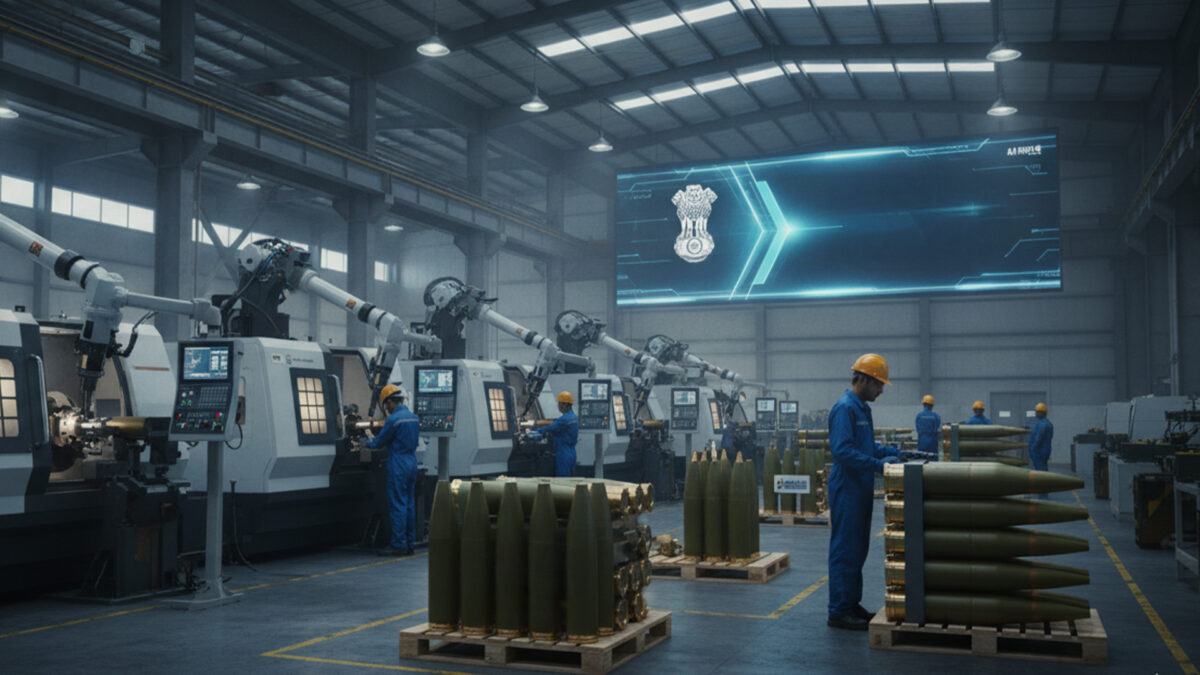
Goodluck India Ltd has achieved significant milestones in its defence sector expansion. The company’s subsidiary, Goodluck Defence & Aerospace, has obtained an industrial license under the Indian Arms Act, 1959, to manufacture medium-caliber artillery shells ranging from 105mm to 155mm, including variants such as HE M107 and ERFB.

This license positions Goodluck Defence as a key player in India’s artillery ammunition supply chain, with an initial annual production capacity of 150,000 shells, set to commence trial production in the third quarter of fiscal year 2026.

In a strategic move to bolster its presence in the aerospace sector, Goodluck India has also entered into a tripartite Memorandum of Understanding (MoU) with BrahMos Aerospace Thiruvananthapuram Ltd and Axiscades Technologies.

This collaboration aims to develop India’s Advanced Medium Combat Aircraft (AMCA), a fifth-generation stealth fighter jet.

The consortium has submitted an Expression of Interest to the Aeronautical Development Agency, Bengaluru, to participate in the tender process, combining strengths in engineering, electronics, and defence manufacturing to enhance India’s technological sovereignty.

These developments have positively impacted Goodluck India’s stock performance.

On October 3, 2025, the company’s shares rose by 2.55% to ₹1,341, marking a new all-time high.

Over the past five trading sessions, the stock has gained over 12%, reflecting investor confidence in Goodluck India’s strategic initiatives in the defence sector.

Looking ahead, Goodluck Defence plans to expand its artillery shell production capacity and is exploring opportunities for an initial public offering (IPO) to further fund its defence ventures.

The company remains optimistic about meeting the growing demand for advanced artillery systems and combat aircraft components, both domestically and internationally.

Goodluck India’s forging division continues to support other high-profile projects, including manufacturing components for the Bullet Train project, HAL, and DRDO, reflecting the company’s diversified engineering capabilities. The combined focus on defence, aerospace, and critical infrastructure projects positions Goodluck India as a growing force in India’s industrial and strategic landscape.

Also Read: Wockhardt Seeks USFDA Nod For Groundbreaking Antibiotic

Categories
Corporate

Maruti Suzuki Becomes First Carmaker to Transport Vehicles to Kashmir by Rail

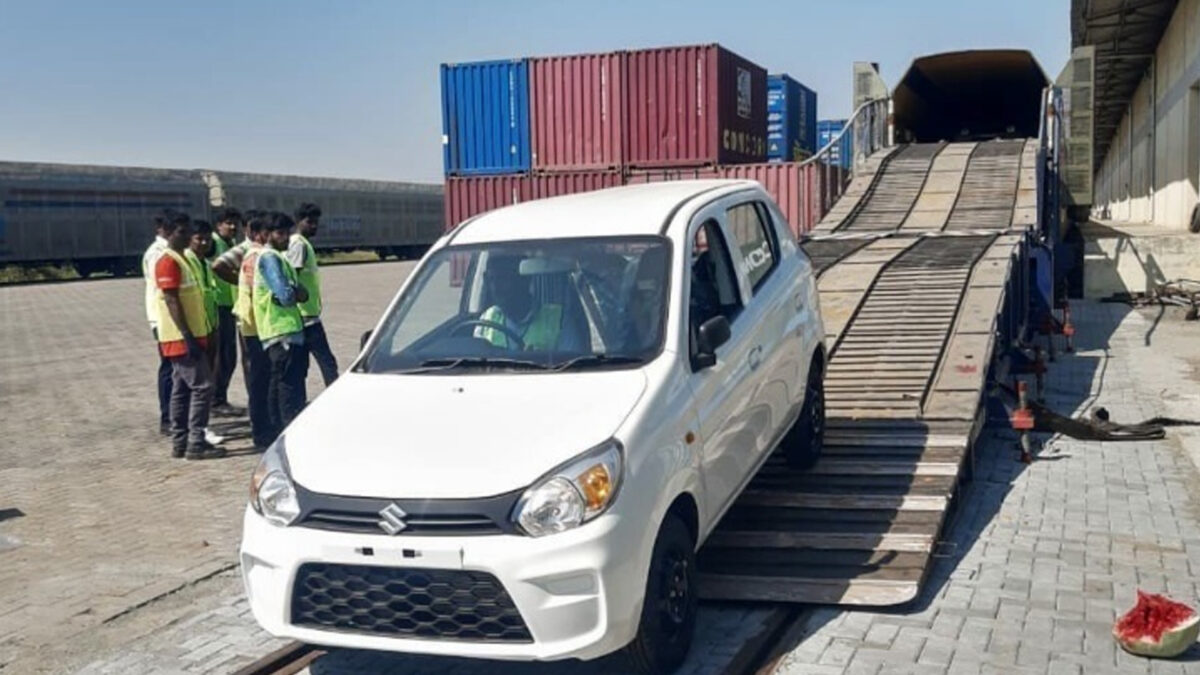
Maruti Suzuki India Limited has created history by becoming the country’s first automobile manufacturer to transport vehicles into the Kashmir Valley using Indian Railways.

The company confirmed on Friday, October 3, 2025, that its inaugural shipment of cars arrived at the newly opened Anantnag railway terminal, marking a significant milestone in both India’s automotive logistics and the region’s connectivity.

The first consignment carried more than 100 vehicles, including some of Maruti Suzuki’s most popular models such as the Brezza, Dzire, WagonR, and S-Presso. The train began its journey from the company’s recently inaugurated in-plant railway siding in Manesar, Haryana, and traveled more than 850 kilometers to reach Anantnag.

On its way, the shipment crossed the iconic Chenab Bridge, the world’s highest railway arch bridge, which forms a crucial part of the Udhampur-Srinagar-Baramulla Rail Link (USBRL) project. Commissioned earlier this year, the bridge has been hailed as a feat of engineering and a symbol of improved connectivity for the Kashmir Valley.

Union Minister for Railways, Electronics & Information Technology, and Information and Broadcasting, Ashwini Vaishnaw, underlined the broader significance of the development. “In recent times, apples from the valley have been transported using the Jammu & Kashmir rail link. Now, Maruti Suzuki cars will be transported to Kashmir Valley by rail. The Jammu–Srinagar railway line is a game changer for the people of Jammu & Kashmir,” he said, highlighting the economic and social benefits of the enhanced rail network.

Maruti Suzuki’s Managing Director and CEO, Hisashi Takeuchi, echoed the sentiment, noting that railway logistics have become a central part of the company’s distribution strategy. “We are grateful to the Hon’ble Prime Minister, under whose leadership transformative infrastructure projects have come up across the country. The world’s highest railway arch bridge over Chenab river is one such landmark, enabling seamless and efficient connectivity to Kashmir Valley and allowing Maruti Suzuki to better serve customers in the region,” Takeuchi said.

The move is expected to not only improve the company’s ability to reach customers in Jammu & Kashmir but also boost efficiency and sustainability in its supply chain.

Rail transport has increasingly become a preferred mode for Maruti Suzuki, which has been steadily expanding its use of dedicated railway sidings to reduce dependence on road transport and lower its carbon footprint.

Industry experts point out that this development signals a new phase in the integration of Kashmir with India’s industrial supply chains. With the USBRL project nearing completion, the arrival of rail-based logistics in the Valley is likely to spur trade, enhance employment opportunities, and provide a fillip to local markets.

For Maruti Suzuki, the milestone is also a reflection of its broader ambition to strengthen its logistics backbone as it eyes deeper market penetration in India’s farthest corners. By leveraging India’s rapidly improving infrastructure, the company is not only ensuring faster delivery of vehicles but also reinforcing its position as the country’s largest automaker with a forward-looking logistics strategy.

This first rail consignment to Anantnag, industry analysts suggest, is a harbinger of more to come as India’s rail network continues to evolve into a backbone for commercial transportation across sectors.

Also Read: Battle of AI Behemoths: xAI Sues OpenAI Over ‘Employee Poaching’

Categories
Corporate

Honda’s Global Push Fuels 5.6 Lakh September Sales

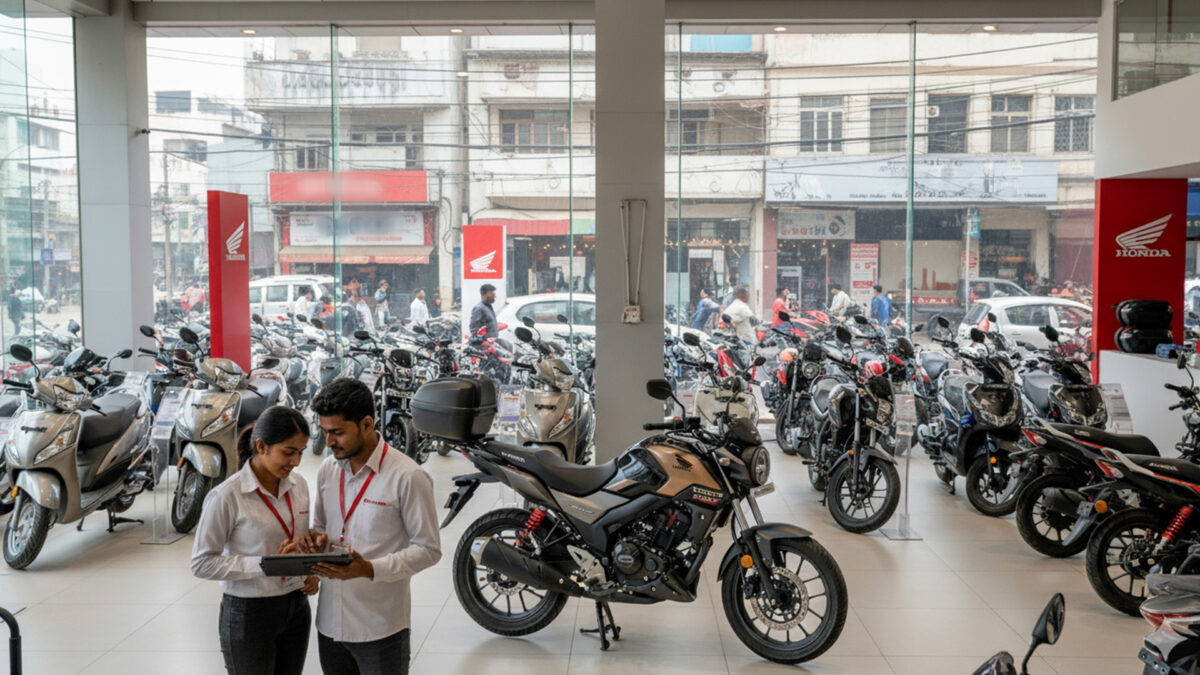
 Honda Motorcycle & Scooter India (HMSI) continued its growth journey with a good profit in September 2025, closing a total sales of 568,164 units, which is up 5.44% compared to the same month last year.

Of these, 505,693 units were sold in the domestic market, reflecting a 2.85% rise, while exports jumped by 32.43% to reach 62,471 units, leveraging the company’s growing footprint internationally.

The company also saw momentum build month-over-month, with September sales climbing nearly 6% over August 2025, highlighting a steady demand trajectory heading into the festive season.

For the first half of the financial year 2025–26 (April to September), HMSI recorded 2.99 million unit sales, including 2.68 million sold in India and 311,517 units exported.

Honda’s steady growth in both domestic and export markets highlights its push to expand the product range and strengthen its footprint in key regions. With the festive season boosting demand, the company looks well-placed to carry this momentum forward in the coming months.

Also Read: Air India Launches First Non-Stop Flight to Philippines

Categories
Corporate

Wockhardt Seeks USFDA Nod For Groundbreaking Antibiotic

Mumbai-based pharmaceutical company Wockhardt has submitted a New Drug Application (NDA) to the U.S. Food and Drug Administration (USFDA) for its novel antibiotic, Zaynich (WCK 5222), marking a significant milestone in Indian pharmaceutical innovation.

This submission, made in early October 2025, seeks approval for the treatment of complicated urinary tract infections (cUTIs) caused by multi-drug resistant (MDR) and extensively drug-resistant (XDR) gram-negative bacteria, including strains of Pseudomonas aeruginosa and Acinetobacter baumannii.

Zaynich is a combination of zidebactam, a β-lactam enhancer, and cefepime, a fourth-generation cephalosporin. It has demonstrated over 97% clinical efficacy in Phase III trials, surpassing the standard-of-care meropenem by 20%.

The ENHANCE 1 trial, conducted across 64 sites in countries including the United States, India, and several European nations, enrolled 530 patients with serious infections.

Zaynich achieved a 96.8% clinical cure rate and a composite clinical and microbiological cure rate of 89%, outperforming meropenem’s 68.4% in the same endpoint.

The drug has also shown promise in compassionate use cases, with reports indicating that it has saved at least 51 lives in the United States and India as of mid-2025. Some earlier reports suggest that 30-50 patients had been treated with a 100% success rate.

Following the NDA submission, the USFDA will conduct a 60-day filing review to assess the application’s completeness. If accepted, Zaynich may be granted either Priority Review, with a six-month timeline, or Standard Review, with a ten-month timeline. The process includes facility inspections, labeling negotiations, and potentially an advisory committee meeting. Zaynich has received Fast Track and Qualified Infectious Disease Product (QIDP) designations, which expedite the review process and offer five additional years of market exclusivity upon approval.

Wockhardt anticipates a decision by mid to late 2026 and is targeting a U.S. launch in fiscal year 2027. The global market for gram-negative infections is estimated to be over $7 billion, with more than 8 million cUTI cases reported annually in the U.S. and European Union. Zaynich’s potential to address this unmet medical need positions it as a promising candidate for approval.

This submission is notable as it represents the first-ever NDA submission to the USFDA for a drug fully discovered and developed by an Indian pharmaceutical company, marking a pivotal moment for Indian pharma innovation. Wockhardt plans to commercialize Zaynich independently in the U.S., though it has not ruled out potential partnerships.

The successful development and potential approval of Zaynich underscore the growing capabilities of Indian pharmaceutical companies in pioneering novel therapies to combat global health challenges.

If approved, Zaynich could significantly enhance Wockhardt’s global footprint and revenue, reinforcing India’s position in the global pharmaceutical landscape.

Also Read: Blackstone Nears $12.9 Billion Target for Asia Buyout Fund

Categories
Corporate

Adani Green Energy Reaches 16,598.6 MW Operational Capacity

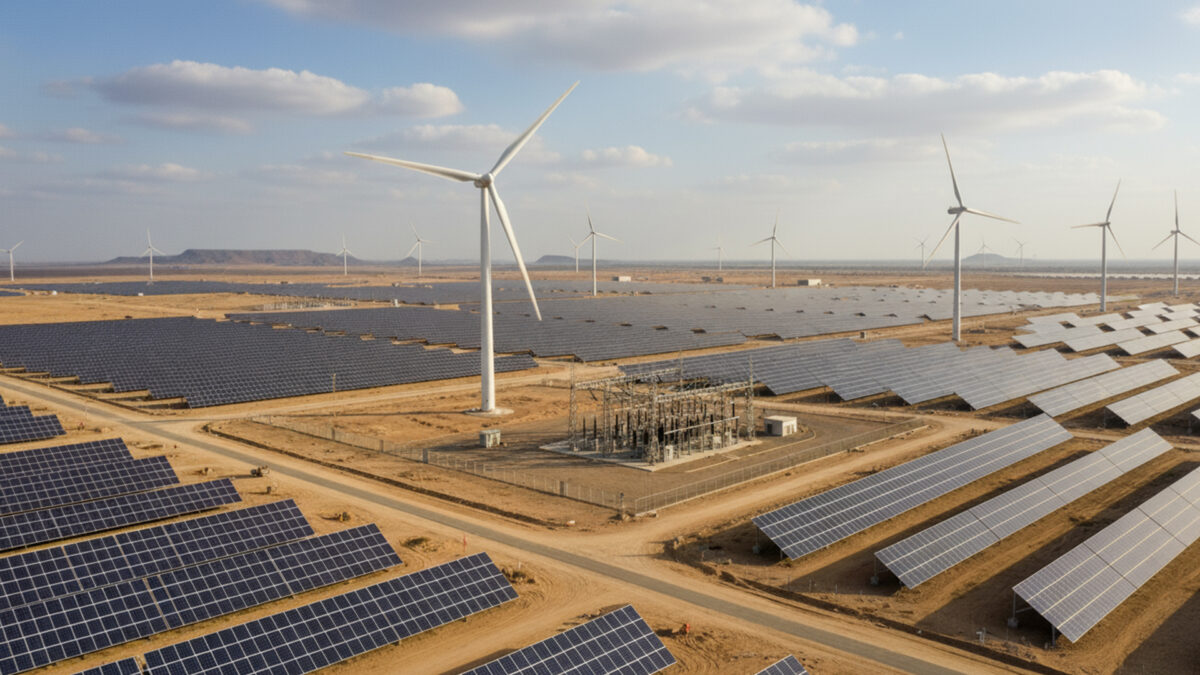
Adani Green Energy Limited (AGEL) has announced the operationalisation of 112.5 megawatts (MW) of renewable energy projects at Khavda, Gujarat, bringing its total operational capacity to 16,598.6 MW.

The new capacity comprises an 87.5 MW solar project and a 25 MW hybrid project, both commissioned through AGEL’s step-down subsidiaries: Adani Renewable Energy Fifty Six Limited and Adani Green Energy Twenty Five B Limited, respectively.

The power generation from these plants commenced on September 30, 2025, following the necessary clearances. The addition at Khavda, a region known for hosting some of India’s largest renewable energy sites, marks another milestone in AGEL’s expansion roadmap.

This development aligns with AGEL’s broader strategy to increase its clean energy portfolio. The company has previously announced plans to invest ₹31,000 crore (approximately $3.64 billion) in fiscal year 2026 to add 5 gigawatts (GW) of clean energy capacity, aiming for a total of 50 GW by 2030. This expansion is part of India’s broader renewable energy goals and reflects AGEL’s commitment to contributing significantly to the nation’s clean energy capacity.

The announcement of the new operational capacity has positively impacted AGEL’s stock performance. On October 1, 2025, the company’s shares rose nearly 4%, reflecting investor confidence in the company’s growth prospects and the successful commissioning of these new projects.

As AGEL continues to expand its renewable energy footprint, the company remains focused on its long-term vision of sustainable growth and contributing to India’s renewable energy targets. The successful operationalisation of these projects underscores AGEL’s role as a key player in the nation’s transition to a more sustainable energy future.

Also Read: Airbus board meets in India for first time in 60 years

Categories
Corporate

IndiGo to resume India–China flights from October 26

IndiGo announced that daily non-stop flights from Kolkata to Guangzhou will resume starting October 26.

The airline will operate Airbus A320neo aircraft. The flights are now open for sale via IndiGo’s official website or mobile application.

This comes after the Ministry of External Affairs said that India and China will restart direct flights this month after a suspension of more than five years.

Subject to regulatory approvals, IndiGo will also introduce direct flights between Delhi and Guangzhou shortly.

This comes after the recent diplomatic initiatives aimed to boost trade, strategic business partnerships and tourism between the two countries, reported The Economic Times.

Before the pandemic, IndiGo operated flights between India and China. “The past experience and familiarity with local partners will enable IndiGo to resume these flights swiftly,” the low-cost airline said in a statement.

Pieter Elbers, CEO, IndiGo, said, “We are delighted to announce the resumption of daily, non-stop flights between India and mainland China. We are proud to be amongst the first to resume direct connectivity to China from two points in India.”

He added, “This will once again allow seamless movement of people, goods, and ideas, while also strengthening bilateral ties between the two of the world’s most populous countries and fast-growing economies. With this very important step, we are looking at introducing more direct flights into China. As we take steady strides towards becoming a global aviation player, this is a significant move to strengthen our international network.”

Prime Minister Narendra Modi visited China last month for the first time in seven years to attend a meeting of the Shanghai Cooperation Organisation regional security bloc.

Modi and Chinese President Xi Jinping agreed discussed ways to strengthen trade ties amid global tariff uncertainty. While Modi conveyed India’s commitment to improving ties and raised concerns about its widening trade deficit with China, which stands at nearly $99.2 billion.

Modi also stressed that it is vital to maintain peace and stability along their disputed border.

Categories
Corporate

IHC Acquires 41% Stake in Sammaan Capital in $1 Billion Deal

Abu Dhabi-based International Holding Company (IHC) will acquire a 41.2% controlling stake in Sammaan Capital, the Indian housing finance company formerly known as Indiabulls Housing Finance, for $1 billion (₹8,850 crore).

The deal will make IHC the company’s promoter, giving it the right to appoint a majority of the board of directors.

The acquisition will be carried out through IHC’s affiliate, Avenir Investment RSC Ltd., via a preferential allotment. Under the arrangement, IHC will subscribe to 330 million equity shares and 306.7 million convertible warrants of Sammaan Capital at ₹139 each. The transaction is subject to approvals from the Reserve Bank of India and the Competition Commission of India. Additionally, it will trigger a mandatory open offer to acquire up to 26% of the company’s shares from existing shareholders.

Sammaan Capital, listed on the Bombay Stock Exchange and the National Stock Exchange of India, is one of the country’s largest non-banking financial companies (NBFCs) with a focus on mortgage lending. The company operates over 220 branches in more than 150 towns and cities and employs over 4,400 people. Over the past 25 years, Sammaan Capital has disbursed home loans worth over $19 billion to more than 680,000 families and provided mortgage-backed loans exceeding $9.5 billion to over 100,000 small businesses.

Gagan Banga, Vice-Chairman and Managing Director of Sammaan Capital, said the investment by IHC will help the company expand into a full-service financial institution and strengthen its ability to serve India’s aspiring middle-class and underserved segments. He noted that partnering with a global player like IHC would bring additional resources and credibility to the company.

IHC, owned by the Abu Dhabi ruling family, has rapidly grown into one of the region’s largest holding companies, with investments across finance, healthcare, real estate, and manufacturing. The acquisition of Sammaan Capital is part of the company’s strategy to diversify into emerging markets and strengthen its financial services portfolio. Syed Basar Shueb, CEO of IHC, said the investment reflects confidence in India’s long-term economic growth and the potential of its financial sector. He also highlighted plans to leverage technology and artificial intelligence to enhance lending and credit solutions at Sammaan Capital.

Market analysts say the deal marks the largest foreign investment in India’s NBFC sector in recent years and could pave the way for more cross-border transactions in financial services. The deal is also expected to increase access to capital for underserved populations and expand the company’s lending capacity in India’s growing housing finance market.

The regulatory process for the acquisition is underway, and the transaction is expected to close in the coming months. Once completed, IHC will assume control of the company’s operations, setting the stage for strategic expansion and diversification.

Also Read: P&G Pulls Plug on Pakistan Ops as Multinational Exit Deepens


Categories
Corporate

Tata, Airbus to Start ‘Made-in-India’ 125 Helicopter Production

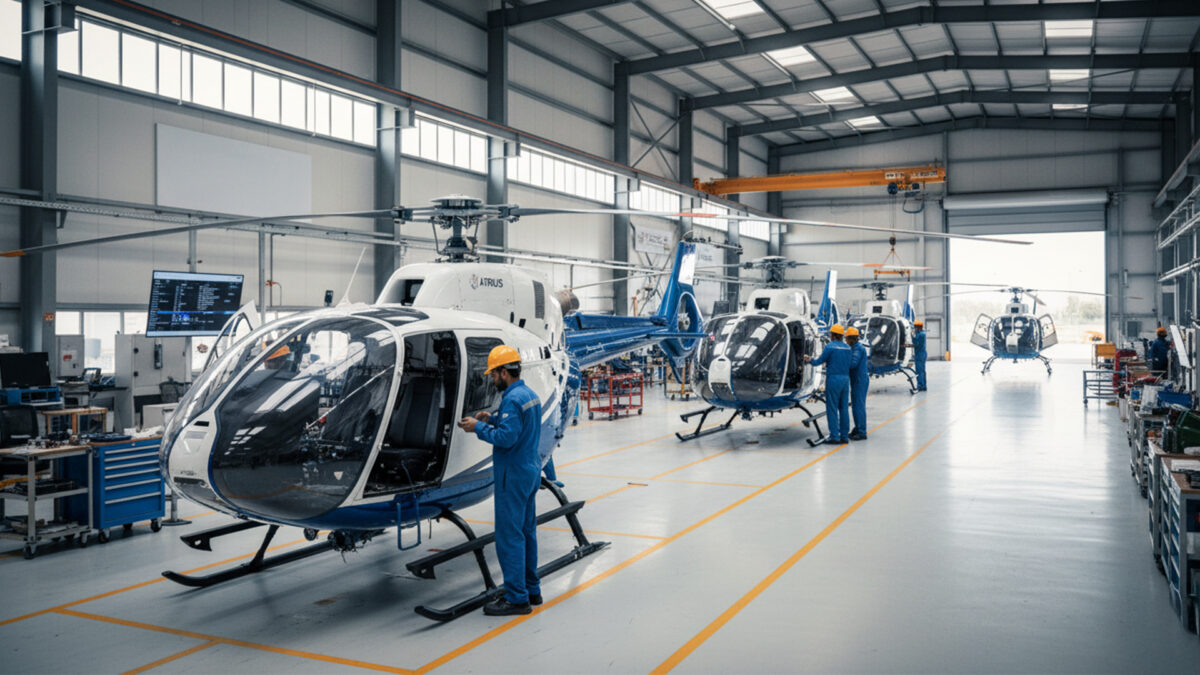
Tata Advanced Systems Limited (TASL) and Airbus Helicopters have announced a joint initiative to establish India’s first private-sector helicopter final assembly line (FAL) at Vemagal in Kolar district, Karnataka, to produce the single-engine H125 — a workhorse used widely for civil, parapublic and utility missions. 

The move positions India as the fourth country to host an H125 assembly line and marks a notable step in deepening the domestic aerospace manufacturing base.

The Vemagal facility will perform major system integration, installations, ground and flight tests, and final delivery functions under Airbus supervision while leveraging TASL’s manufacturing footprint and access to regional supply chains. 

Airbus framed the project as part of a broader “Make in India” push that complements earlier contracts awarding local suppliers roles in component manufacture — notably fuselage work given to Mahindra Aerostructures.

Officials said the plant will be located in the Vemagal industrial area, roughly two hours from Bengaluru, where TASL has secured a large parcel of industrial land to build an integrated site with production, testing and planned maintenance, repair and overhaul (MRO) capabilities. Localizing assembly and support functions is expected to shorten lead times for Indian customers and create higher-value jobs in the regional aerospace ecosystem.

Industry observers note the H125 dominates the intermediate single-engine rotorcraft market globally and is popular for roles including aerial work, emergency medical services, law enforcement and tourism — making it an attractive candidate for in-country production.

Airbus and Tata have said the first “Made-in-India” H125 should roll out for delivery in early 2027, with production initially aimed at serving domestic needs and neighbouring South Asian markets before scaling up for export.

The collaboration follows a series of recent deals that deepen Airbus’s industrial footprint in India: beyond the H125 FAL, Airbus has been awarding local work packages to multiple Indian partners as part of a broader localization drive.

Tata’s new FAL also complements national ambitions to grow indigenous aerospace capability, reduce import dependence, and develop a full lifecycle services base — from manufacturing to MRO — for rotorcraft.

Analysts caution that ramping up a final assembly line entails certification, workforce training and supply-chain maturity, and that timelines depend on regulatory approvals and the smooth handover of components from global suppliers.

Nonetheless, the announcement is already being hailed as a strategic win for Karnataka’s aerospace cluster and for India’s aspirations to capture higher value in the aviation manufacturing chain.

As the facility develops, observers will watch for details on planned annual output, the balance between domestic sales and export commitments, and how the venture integrates with India’s civil and defence rotorcraft needs.

For Airbus and TASL, the Vemagal FAL is both a commercial initiative and a test case for broader industrial cooperation in the rapidly expanding Asia-Pacific rotorcraft market.

Also Read: Oil Bounces Back as Russia Sanction Threats Stir Market


Categories
Corporate

Airbus board meets in India for first time in 60 years

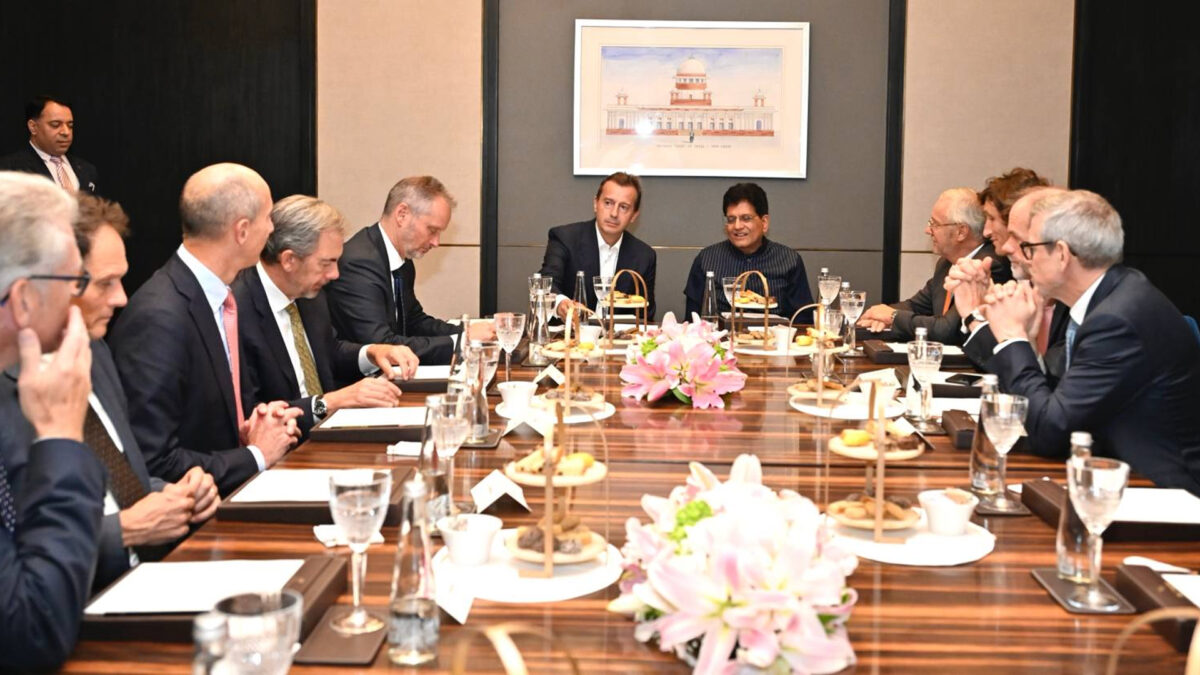
Airbus board members concluded their four-day visit to India on Thursday, which also marked the first meeting since the aircraft maker started operations here more than 60 years ago.

The board led by Chairman Rene Obermann met Prime Minister Narendra Modi in the capital on Tuesday.

Obermann also held discussions with Commerce and Industry Minister Piyush Goyal and Civil Aviation Minister K Rammohan Naidu on investments and other issues.

The board visited Tata Advanced Systems Ltd’s component manufacturing facility in Hyderabad and also its supplier Dynamatic Technologies’ facility in Bengaluru.

Pointing out that India offers tremendous opportunities, Goyal said in a post on X, “Also, encouraged their plans to further deepen collaboration and increase investments in India, a testament to the strength and potential of India’s aerospace sector.”

India is a significant market for Airbus in civil aviation and defence segments as it already sources more than $1.4 billion worth of services and components from the country.

An Airbus spokesperson, quoted by PTI, stated on September 25 that the board’s visit represents a significant milestone, emphasising India’s importance as a critical hub for global operations. “We have already crossed the milestone of sourcing over $1.4 billion in components and services annually. We are on track to significantly increase that figure, as we continue to further integrate India into our global value chain.”

The spokesperson also said that Airbus’ investments in India are deepening across the board, from growing engineering and digital centres in Bengaluru, which are integral to its worldwide operations, to expanding its industrial footprint.

Airbus is also setting up two Final Assembly Lines (FAL) for the H125 helicopters in Vemagal, Karnataka, as well as the C295 military aircraft is being established in Vadodara, Gujarat. Both FALs are being set up with Tata Advanced Systems Ltd.

IndiGo and Air India together have placed orders for more than 1,000 planes with Airbus.

In March, Airbus CEO Guillaume Faury said their annual sourcing of components and services from India will touch $2 billion before 2030.