Categories
Corporate

Fino Payments Bank denies GST evasion after CEO’s arrest

Fino Payments Bank has clarified that it has not evaded Goods and Services Tax (GST) following the arrest of its Managing Director and Chief Executive Officer, Rishi Gupta, by the Directorate General of GST Intelligence (DGGI).

The arrest is linked to an ongoing investigation into alleged irregular money flows and GST-related issues involving certain third-party programme managers and payment intermediaries. However, the bank has strongly denied any wrongdoing, stating that the case does not concern its own GST filings or compliance record.

In an official statement, Fino Payments Bank said it has consistently followed all regulatory and tax requirements. The lender also rejected reports linking it to betting or online gaming activities, clarifying that it does not promote or facilitate such businesses.

Following Gupta’s arrest, the bank appointed its Chief Financial Officer as interim head and assured customers and investors that daily operations continue as normal. It said there has been no disruption to account services, transactions or business volumes.

The development initially triggered sharp volatility in the bank’s share price, though the stock recovered partially after the company issued clarifications.

Industry bodies, including the Payments Council of India, have raised concerns about the implications of enforcement action against senior executives of regulated financial institutions. Meanwhile, Union Finance Minister Nirmala Sitharaman has indicated that the matter will be reviewed.

Despite the controversy, the bank maintained that its compliance framework remains strong and that the investigation pertains to external entities rather than the institution itself.

Also Read: AWS cloud outage hits UAE and Bahrain after Iranian strikes
Categories
Corporate

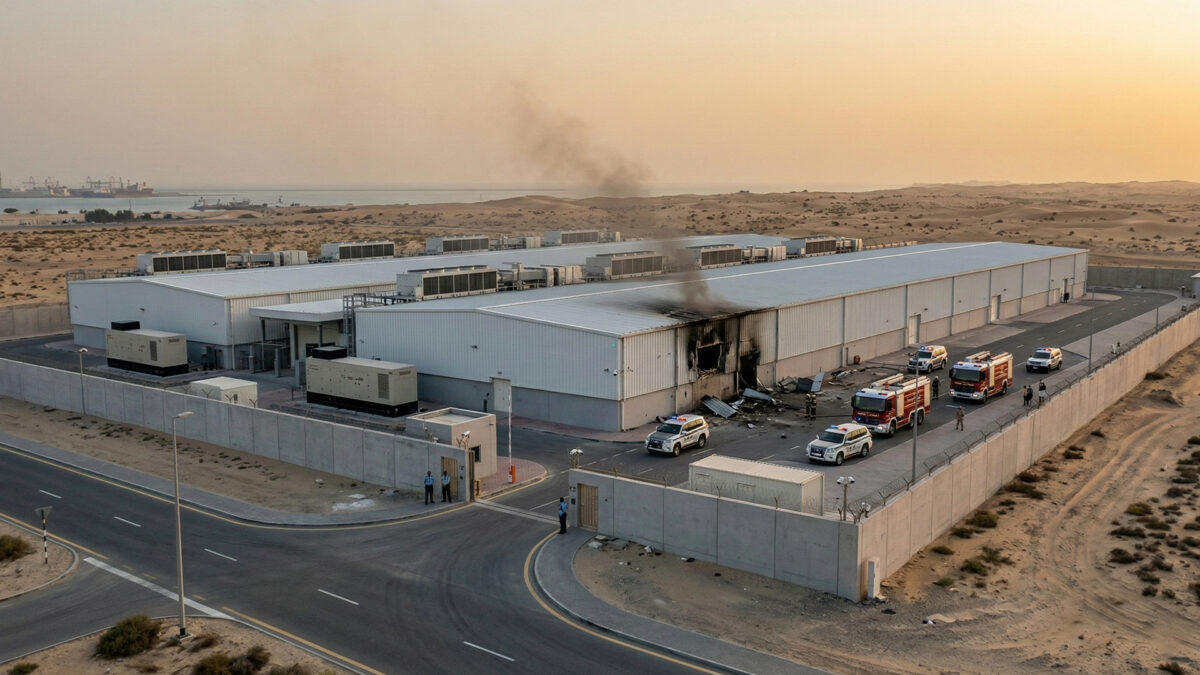
AWS cloud outage hits UAE and Bahrain after Iranian strikes

Cloud services across parts of the Gulf faced major disruption after facilities operated by Amazon Web Services (AWS) were damaged amid escalating regional tensions.

The company confirmed that two data centres in the United Arab Emirates and one in Bahrain were affected by power and connectivity issues. At one UAE site, objects struck infrastructure linked to power systems, triggering a fire. Emergency teams cut electricity, including backup generators, to contain the blaze, leading to an outage in the affected availability zone.

Following the incident, customers in the region reported error messages, delays and difficulty accessing key AWS services. Core functions such as virtual servers, storage systems and networking tools were impacted, particularly in the Middle East cloud region cluster. Some users experienced problems launching new computing instances, while others saw increased latency and incomplete processing.

AWS said recovery efforts were underway but warned that full restoration could take several hours or longer. The company advised customers to shift workloads to other AWS regions or activate backup systems to reduce disruption.

The incident comes amid heightened tensions involving Iran and its regional rivals, with drone and missile activity reported across parts of the Gulf. While AWS did not directly attribute the damage to a specific military strike, it acknowledged that regional instability could continue to affect operations.

The disruption highlights how geopolitical conflicts are increasingly impacting critical digital infrastructure. Data centres power banking systems, government platforms, retail services and communication networks. Any prolonged outage can have ripple effects across businesses and public services.

As restoration continues, companies relying on cloud infrastructure in the region are closely monitoring the situation, with contingency planning now a key focus amid ongoing uncertainty.

Also Read: India, Canada sign $2.6 billion uranium deal

Categories
Corporate

Sensex falls 1,000 points, Nifty at  24,865 on Middle East tension

Indian stock markets fell sharply on March 2, 2026 as worries over tensions in the Middle East and rising crude oil prices spooked investors. The BSE Sensex dropped nearly 1,048 points to 80,239, and the Nifty 50 slipped 313 points to 24,866, hitting multi-week lows.

Major companies including Larsen & Toubro (L&T), InterGlobe Aviation, Adani Ports, Tata Motors Passenger Vehicles, and Adani Enterprises saw the biggest losses. Investors sold shares in these sectors due to global uncertainty and high oil prices.

On the other hand, safer and defensive stocks gained. Bharat Electronics, Sun Pharmaceutical Industries, ONGC, and Dr Reddy’s Laboratories were among the top performers, as they are less affected by global events.

Rising crude prices and conflict worries also weakened the Indian rupee. that closed at 91.47 per US dollar, down from its previous close. Investors preferred safe assets like gold and the US dollar, while the broader market saw more losers than winners.

Analysts say that market volatility may continue as geopolitical tensions and high oil prices persist. They advised watching key support and resistance levels in the coming days, as global events will likely influence Indian markets further.

Important Update –  NSE and BSE will remain closed tomorrow due to a public holiday, pausing trading until normal sessions resume.

Also Read: Sensex down 1,100 points, Nifty falls to 24,876

Categories
Corporate

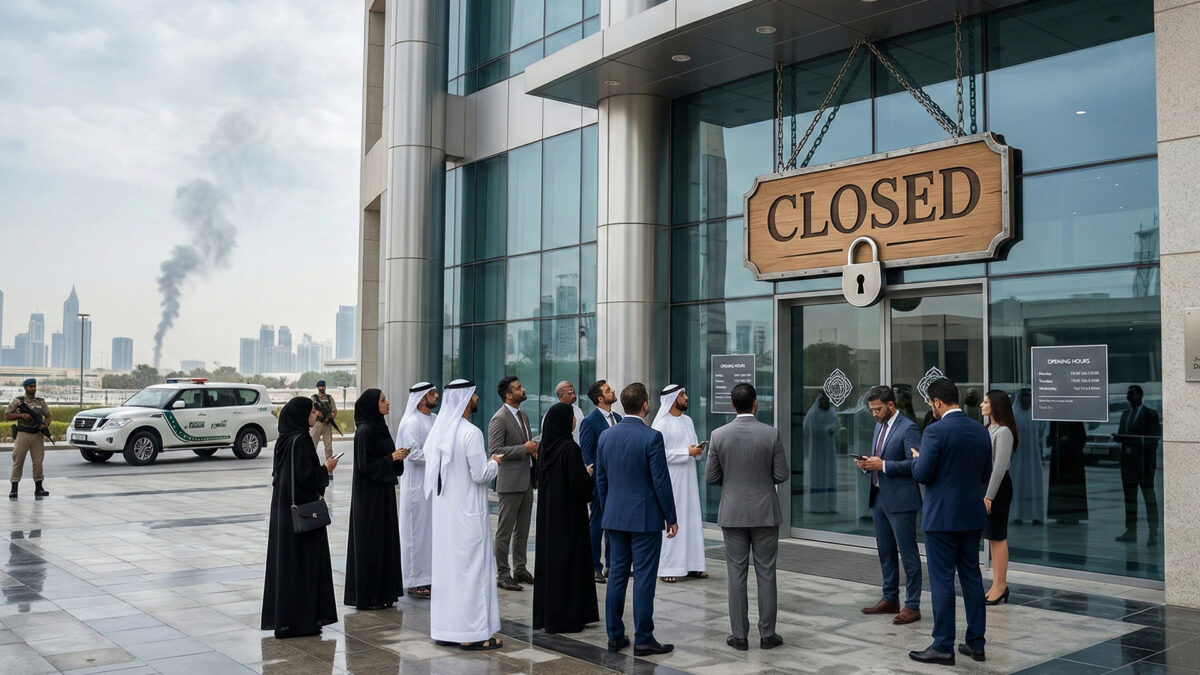
Dubai and Abu Dhabi stock markets halted for 2 days

Dubai and Abu Dhabi stock markets have suspended trading for two consecutive days in an unusual move as the Middle East conflict escalates following ongoing strikes involving Iran, United States and Israel. The closures reflect growing concerns over investor confidence, market volatility, and broader economic disruption tied to heightened geopolitical risks.

Authorities in the United Arab Emirates (UAE) announced that both the Abu Dhabi Securities Exchange (ADX) and the Dubai Financial Market would remain closed on Monday and Tuesday. Market regulators said the decision was taken to maintain financial stability and protect investors amid extraordinary uncertainty driven by the conflict, which has affected airspace, logistics, and economic sentiment across the region.

The two‑day halt marks one of the rarest interventions in recent UAE market history. Exchanges typically operate Sunday through Thursday, and closures are usually reserved for weekends and public holidays. However, with geopolitical developments intensifying, authorities opted to pause trading to prevent sharp market swings and protect capital.

The move comes as the UAE, a key financial hub linking Asian, European and African marke, navigates rising regional tensions and the potential economic fallout from the Gulf conflict. Traders and analysts have cited concerns over oil price volatility, flight disruptions, and wider economic uncertainty as factors that could drive extreme price movements if markets remained open.

Investor sentiment was already fragile following a series of attacks and counter‑attacks in the Middle East, including missile and drone exchanges that have rattled regional security. The temporary closure of the ADX and Dubai Financial Market shows how geopolitical developments can directly impact financial infrastructure and daily market operations in one of the world’s major energy and investment centres.

While regular trading is expected to resume after the two‑day break, market participants will be closely watching opening prices and liquidity conditions, as suppressed demand and supply imbalances could result in significant price adjustments.

Also Read: Magellan to merge with Barrenjoey in $1.1bn deal

Categories
Corporate

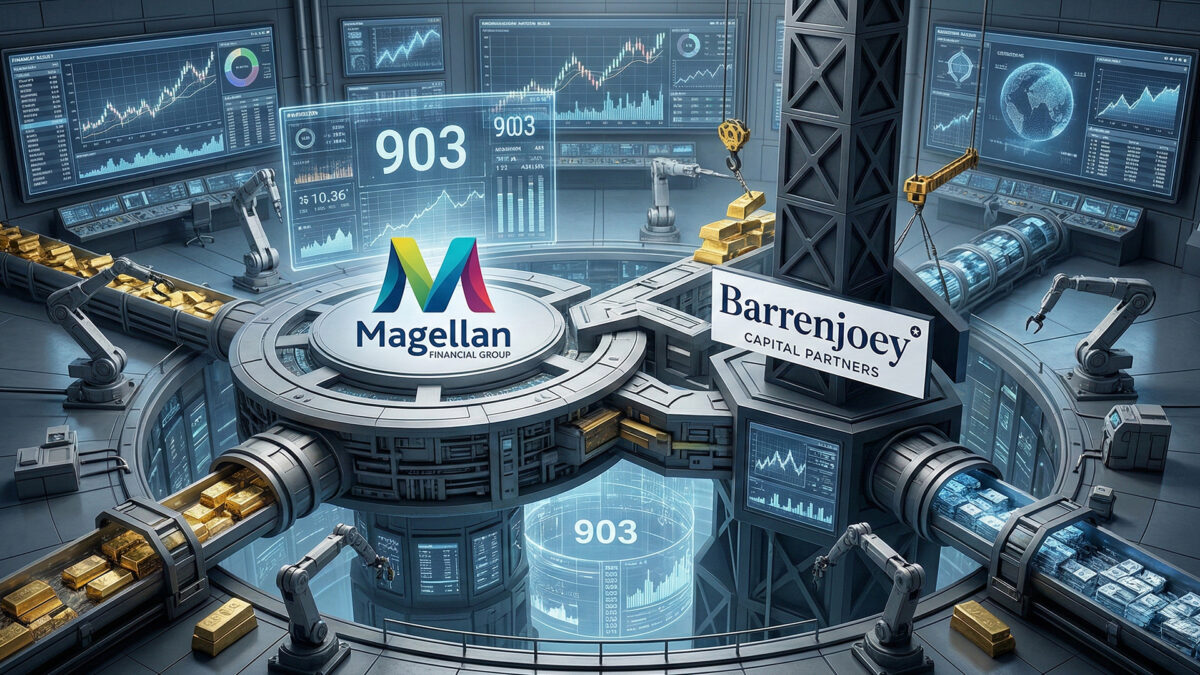
Magellan to merge with Barrenjoey in $1.1bn deal

Australian investment manager Magellan Financial Group is set to acquire full ownership of Barrenjoey Capital Partners in a landmark deal valued at approximately A$1.62 billion (US$1.1 billion). The all‑stock transaction, announced Monday, is expected to close in the second quarter of 2026, subject to regulatory approvals and shareholder consent.

Magellan already owns roughly 40% of Barrenjoey, which it helped establish in 2020. As part of the acquisition, Magellan will issue new shares to purchase the remaining equity, including about 10% held by Barclays, moving toward full ownership of the rapidly growing investment banking and advisory firm.

Since its launch, Barrenjoey, co‑founded by Brian Benari and other former banking executives, has built a strong presence in capital markets, equities, fixed income, private capital, and advisory services. The company has posted solid revenue and profit growth, cementing its reputation in Australia’s financial sector.

Following the merger, Magellan shareholders will retain majority control, while Barrenjoey’s founders and employees will maintain significant ownership. Leadership changes include Brian Benari taking over as CEO of the combined group, with Magellan’s Sophia Rahmani continuing to lead its investment management division. Barrenjoey co-founders will also serve as co‑executive chairs.

The board will see new appointments, with corporate veteran David Gonski becoming the independent chair of the merged entity, Magellan’s current chairman as deputy chair, and other Barrenjoey directors and a Barclays executive joining to strengthen governance.

The merger is part of Magellan’s strategic push to diversify beyond traditional funds management, blending recurring management fees with transactional revenue from investment banking and capital markets. Analysts note that the combined group will have broader capabilities, enhanced talent, and greater scale, enabling it to compete more effectively with larger Australian and global financial firms.

Also Read: Adani Ports confirms Haifa port safe, fully operational

Categories
Corporate

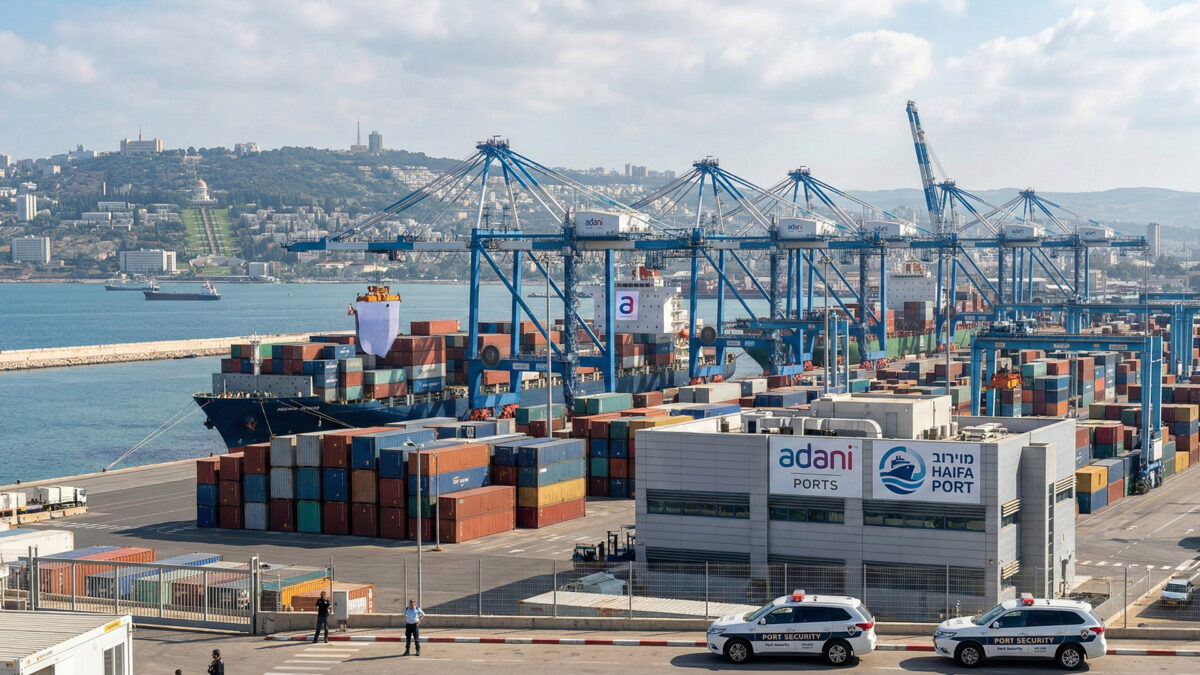
Adani Ports confirms Haifa port safe, fully operational

Adani Ports and Special Economic Zone Ltd (APSEZ), India’s largest port operator, has confirmed that its Haifa Port terminal in Israel is secure and fully operational, despite ongoing regional conflict following recent military strikes. The company said port operations continue as usual, with no disruptions to cargo movement or vessel schedules.

Haifa Port, on Israel’s Mediterranean coast, is a vital hub for container shipments, vehicles, and bulk cargo. Adani Ports manages terminal operations through a joint venture with local partners, ensuring smooth handling of trade between Israel, India, and other international markets. Maintaining operational continuity is crucial amid heightened security concerns in the region.

In an official statement, APSEZ said it has implemented all necessary measures to safeguard its employees, assets, and infrastructure. The company emphasised that business activities at the port remain unaffected, with cargo handling, vessel calls, and supply chains running normally. These assurances aim to allay concerns of traders and shipping partners relying on stable operations.

Haifa Port plays a strategic role not only for Israel’s domestic trade but also for connecting Mediterranean and European routes with Asia. Analysts note that keeping the port open during regional instability reassures international shippers and investors, preserving confidence in the logistics and shipping sector.

Adani Ports’ statement also comes amid broader market concerns over potential disruptions caused by geopolitical tensions in the Middle East, which could affect fuel costs, insurance premiums, and shipping schedules. By confirming that its Haifa operations remain unaffected, APSEZ signals resilience and commitment to uninterrupted service for global trade partners.

The company reiterated its commitment to the safety and well-being of employees and partners at the port. All standard security protocols are in place, and management continues to monitor the situation closely to respond promptly to any potential risks.

Also Read: PM Modi urges peace, flags economic risks in Gulf

Categories
Corporate

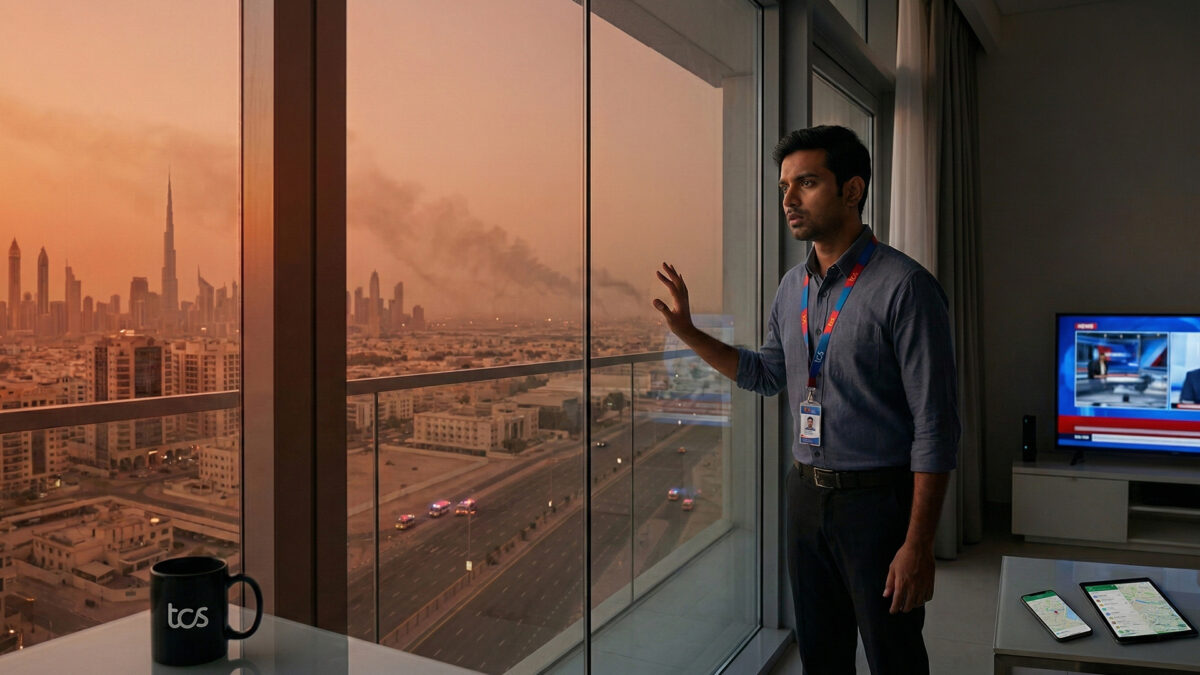
TCS temporily suspends Middle East work travel

India’s IT giant Tata Consultancy Services has temporarily suspended all business travel to the Middle East and asked its employees in the region to remain indoors following escalating tensions in the Gulf. The advisory comes after a series of military strikes involving Iran, United States, and Israel, which have heightened security risks, disrupted airspace, and affected daily life in Gulf countries.

TCS instructed its regional employees to avoid commuting unless absolutely necessary and to follow updates from local leadership. The company emphasised that the move was purely precautionary, prioritising employee safety amid uncertainty. Staff have been advised to stay connected with HR and local management teams for guidance on work arrangements and safety measures.

In addition to halting travel, TCS is monitoring developments across its offices in the UAE, Qatar, Bahrain, Oman, and other affected areas. The advisory extends to contractors, client meetings, and site visits, ensuring minimal exposure to risk while maintaining continuity of operations remotely wherever feasible.

The company’s decision follows similar moves by other multinational corporations operating in the region, as firms respond to a rapidly evolving security situation. Civilian travel has already been disrupted due to airspace closures and flight cancellations, adding to operational challenges for businesses with significant regional presence.

While TCS did not provide a timeline for resuming travel, it reassured employees that it is continuously assessing the situation in consultation with local authorities and security experts. Regular updates will be provided to ensure that employees can make informed decisions about movement, work, and safety.

The advisory underscores the broader impact of geopolitical instability on global business operations. With thousands of Indian IT professionals working in Gulf countries, companies like TCS are taking proactive measures to safeguard employees while managing operational continuity.

Also Read: Middle East war clouds ground flights across India


Categories
Corporate

Sensex down 1,100 points, Nifty falls to 24,876

Indian equity benchmarks opened sharply lower on Monday. The BSE Sensex plunged 1,100 points to open at 72,418, while the NSE Nifty50 dropped 332 points to 24,876, slipping below the key 25,000 mark in early trade.

This is because of the escalating military tensions between Iran and Israel, with reported involvement of the United States, that has triggered a global sell-off and pushed crude oil prices higher.

The sharp fall followed fears that widening conflict in the Middle East could disrupt oil supplies, fuel inflation and slow global growth.

Heavyweight IT and banking stocks led the decline. Infosys, HDFC Bank and Reliance Industries were among the biggest drags on the benchmarks. Shares of private lenders and frontline technology firms saw broad-based selling as investors reduced exposure to risk assets.

Oil marketing companies also traded weak on concerns that persistently high crude prices could squeeze marketing margins. Broader markets mirrored the weakness, with mid-cap and small-cap stocks declining in early deals.

However, defence stocks bucked the trend. Bharat Electronics Limited and Hindustan Aeronautics Limited emerged as top gainers on expectations of increased defence spending amid rising geopolitical tensions. Select upstream energy companies also saw buying interest as higher crude prices improved earnings prospects.

Asian markets traded mostly in the red, reflecting a broader flight to safety. Investors shifted funds into gold and government bonds, while emerging market equities faced outflows.

Analysts expect volatility to remain elevated in the near term, with crude oil prices and geopolitical developments likely to dictate market direction.

Categories
Corporate

Aditya Birla’s jewellery brand “Indriya” celebrates 50 stores

In less than two years since its launch, Indriya, the premium jewellery brand from the Aditya Birla Group, has reached a major milestone: 50 stores across India. From bustling metros to smaller towns, the brand is quickly becoming a household name in the jewellery market, combining traditional craftsmanship with contemporary design and shopping experiences.

Indriya’s growth is powered by a design-led, customer-first approach. Its in-house design team creates collections that reflect local tastes, making jewellery that resonates with the culture and lifestyle of each city. This strategy has struck a chord with modern Indian consumers, helping the brand carve out a niche in a market long dominated by legacy players like Tanishq.

The brand is now gearing up for an ambitious expansion, aiming to double its footprint to around 100 stores in the coming year. While metros remain a focus, Indriya is also bringing its curated collections to Tier-2 and Tier-3 cities. Markets such as Haldwani in Uttarakhand and Gaya in Bihar are now part of the brand’s growth story, showing that premium jewellery is no longer limited to big cities.

In Bengaluru, Indriya recently opened its third city store and plans to more than double its presence in the city by the end of the year. These stores are designed as immersive spaces where shoppers can explore jewellery collections, seek personalized advice, and experience the craftsmanship behind every piece.

The milestone of 50 stores represents the brand’s vision, execution, and the trust it has earned from customers. Leaders at Indriya say the rapid expansion is a testament to the growing appetite for organized, experience-driven jewellery retail in India.

For Indriya, the journey has just begun, and the next chapter promises more cities, more designs, and more customers discovering their perfect piece.

Also Read: Deepinder Goyal raises $54mn for brain‑monitoring wearable

Categories
Corporate

Paramount and Warner Bros. agree on historic $110bn merger

Paramount has agreed to acquire Warner Bros. Discovery in a massive $110 billion deal, a move that could reshape Hollywood. The agreement was announced during a company townhall and follows months of talks.

Under the deal, Paramount will pay $31 in cash per share to Warner Bros. Discovery shareholders. The merger is expected to be completed in the third quarter of 2026, pending approvals from regulators and shareholders. If delays occur, Warner shareholders will receive a small “ticking fee” for the wait.

The deal comes after Netflix chose not to pursue its earlier plan to merge with Warner’s studio and streaming assets, clearing the path for Paramount.

The combined company will bring together Warner’s movies, TV shows and streaming platforms like HBO Max with Paramount’s own content and Paramount+. The new entity will have one of the largest libraries of films and series in the world, strengthening its position against competitors in the streaming space.

Industry analysts say the merger could make the company more competitive in an era dominated by Netflix, Disney and Amazon. However, some critics worry that combining two major studios could reduce competition and affect jobs, prompting careful review by U.S. and state regulators.

If finalized, the merger will be one of the biggest in Hollywood history, changing how movies, TV shows, and streaming content are made and delivered worldwide.

Also Read: PM Modi inaugurates Micron chip plant in Gujarat