Categories
Corporate

Jane Street vs SEBI: Legal Battle Begins Over ₹4,843 Crore Trading Ban

Jane Street vs SEBI: Legal Battle Begins Over ₹4,843 Crore Trading Ban

Challenging a ₹4,843 crore trading freeze, Jane Street accuses India’s market regulator of secrecy and procedural violations in court

Sreelatha M

In a high-stakes legal face-off, global proprietary trading firm Jane Street began formal proceedings against the Securities and Exchange Board of India (SEBI) at the Securities Appellate Tribunal (SAT) today. The firm is contesting SEBI’s July 2025 interim order that accuses it of manipulating India’s derivatives markets and freezes nearly ₹4,843 crore in alleged unlawful gains.

The SAT bench, led by Justice P.S. Dinesh Kumar, commenced hearing Jane Street’s appeal, where the firm strongly denied any wrongdoing and sought a stay on SEBI’s restrictions. Jane Street argued that SEBI’s action lacked procedural fairness, pointing to the regulator’s refusal to share internal communications and whistleblower reports key to its defense.

SEBI’s interim order claimed that Jane Street employed manipulative trading strategies, particularly on expiry days of Nifty and Bank Nifty index options, executing aggressive trades in the morning to influence market prices. These trades allegedly helped the firm amass extraordinary profits in index options, ₹43,289 crore over 27 months, while other trading segments showed losses.

SEBI barred Jane Street and its Indian affiliates from trading in Indian securities and froze their profits, stating that the strategies were “prima facie manipulative.”

Jane Street, known globally for quantitative trading, contends that its actions constituted routine arbitrage, legal and widely practiced across markets. It maintains that SEBI has denied it access to crucial documents, including exchanges between SEBI and the whistleblower Mayank Bansal, as well as correspondence with the National Stock Exchange (NSE).

“The lack of transparency has compromised our right to a fair hearing,” said Jane Street’s legal team in court, emphasizing that the firm paid the escrow amount under protest but remains unable to resume operations in India.

Sources close to the investigation revealed that SEBI initially considered closing the case but escalated the probe in late 2024 due to continued complaints and insufficient data from Jane Street. The crackdown is now seen as a watershed moment in India’s regulatory oversight of high-frequency and algorithmic trading.

The case is being closely watched by global trading giants, including Citadel, Jump Trading, and IMC, many of which operate in Indian markets. Legal experts say the outcome could set a precedent for how India handles market manipulation claims involving sophisticated foreign players.

As hearings continue, the tribunal is expected to rule on Jane Street’s plea to suspend SEBI’s trading ban and order full disclosure of withheld documents. A final decision could significantly impact regulatory frameworks surrounding derivatives trading and transparency in enforcement proceedings.

 

Categories
Corporate

Amanta Healthcare Shares List at 7% Premium on NSE and BSE

Amanta Healthcare Shares List at 7% Premium on NSE and BSE

The Initial Public Offering (IPO) of Amanta Healthcare was open for subscription from September 1 to September 3, 2025, and was oversubscribed by 82.61 times,

Staff Writer

Amanta Healthcare Limited made a strong debut on the Indian stock exchanges today, with its shares listing at a premium over the issue price. The stock opened at ₹135 on the National Stock Exchange (NSE), marking a 7.14% gain from the issue price of ₹126 per share. On the Bombay Stock Exchange (BSE), shares debuted at ₹134.90, reflecting a 6.35% premium.

The listing aligns with market expectations, as indicated by the grey market premium (GMP) of ₹9 per share prior to the debut, suggesting a listing price of around ₹135.

IPO Subscription and Allotment Details

The Initial Public Offering (IPO) of Amanta Healthcare was open for subscription from September 1 to September 3, 2025, and was oversubscribed by 82.61 times, according to data from the National Stock Exchange. The retail category was subscribed 54.98 times, while the Non-Institutional Investors (NIIs) segment saw a subscription of 209.42 times. Qualified Institutional Buyers (QIBs) subscribed 35.86 times, indicating strong investor interest across all categories.

The IPO comprised a fresh issue of 1 crore equity shares, raising ₹126 crore for the company. The allotment was finalized on September 4, with shares credited to demat accounts on September 9, coinciding with the listing date.

Use of IPO Proceeds

Amanta Healthcare plans to utilize the proceeds from the IPO to fund capital expenditure for expanding its manufacturing capabilities. Approximately ₹70 crore will be allocated to set up a new SteriPort manufacturing line at the company's Hariyala, Kheda facility in Gujarat, expected to commence operations by January 2026. An additional ₹30.13 crore will be used to develop a new Small Volume Parenteral (SVP) manufacturing line at the same facility, targeted for completion by January 2027. The remaining funds will support general corporate purposes.

Company Overview

Established in December 1994, Amanta Healthcare is a leading pharmaceutical company specializing in sterile liquid products. The company's product portfolio includes intravenous fluids, ophthalmic solutions, respiratory care products, and irrigation solutions. Amanta Healthcare employs advanced technologies such as Aseptic Blow-Fill-Seal (ABFS) and Injection Stretch Blow Moulding (ISBM) in its manufacturing processes, ensuring high-quality standards in its offerings.

Categories
Corporate

Urban Company IPO GMP Surges 30%; Experts Advise Caution Before Listing

Urban Company IPO GMP Surges 30%; Experts Advise Caution Before Listing

Strong Grey Market Demand Ahead of September 10 Launch, But Profitability Concerns Remain

Staff Writer

Urban Company’s much-anticipated IPO is creating quite a buzz. Scheduled to open from September 10 to 12, the company aims to raise ₹1,900 crore, with shares priced between ₹98 and ₹103 each. But it’s the surge in Grey Market Premium (GMP),  jumping nearly 30% in just six days,  that’s grabbing investors’ attention.

A GMP of ₹28 over the IPO price suggests a potential listing gain of around 27%, reflecting strong enthusiasm in the market. However, experts are urging investors to look beyond the hype. The GMP is an unofficial figure and can be unpredictable, so it shouldn’t be the only factor guiding investment decisions.

Urban Company, founded in 2014 and based in Gurugram, operates in 51 cities across India, the UAE, and Singapore. It offers a variety of services, from home cleaning and pest control to plumbing, electrical work, beauty treatments, and appliance repairs. The company plans to use the funds raised to improve its technology, expand infrastructure, pay office leases, and boost marketing efforts.

Despite the excitement, some red flags remain. The company’s revenues have grown steadily, from ₹828 crore in FY24 to ₹1,144 crore in FY25, but profitability has been uneven. While it recorded a net profit of ₹27 crore over the first nine months of FY25, profits slipped sharply in the first quarter of FY26. Past years have also seen net losses and negative cash flows, raising questions about long-term sustainability.

“Urban Company’s growth story is impressive, but maintaining profitability will be key,” says a market analyst. “Investors should carefully weigh the risks and not get swept up in the hype.”

The IPO will open for subscription on September 10 and close on September 12, with anchor investors able to bid starting September 9. Retail investors can apply for a minimum of 145 shares, meaning an investment of roughly ₹14,210 at the lower end of the price band. Final allotments are expected by September 15, and the shares are slated to debut on the stock exchange on September 17.

As Urban Company approaches its market debut, investors are advised to balance optimism with due diligence, carefully evaluating the company’s financial strength and long-term prospects before making investment decisions.


Categories
Corporate

Apple Faces Lawsuit Over Use of Copyrighted Books in AI Training

Apple Faces Lawsuit Over Use of Copyrighted Books in AI Training

Authors accuse Apple of using their works without permission to develop its artificial intelligence systems.

Sreelatha M

Apple is currently embroiled in a class-action copyright lawsuit filed by authors Grady Hendrix and Jennifer Roberson. The suit alleges that Apple used their copyrighted books without permission to train its artificial intelligence systems, including the OpenELM language model, which is part of the company’s Apple Intelligence AI initiative.

The authors claim Apple incorporated their protected works into a dataset of pirated books without obtaining consent, providing credit, or offering any form of compensation. They argue that despite the commercial potential of Apple’s AI technology, the company failed to seek authorization or pay them for the use of their creative content.

This lawsuit is part of a growing wave of legal challenges targeting major technology companies accused of using copyrighted materials to train AI systems without permission. Similar cases have been brought against Microsoft, Meta Platforms, and OpenAI. Notably, Anthropic, another AI developer, recently settled a class-action lawsuit for at least $1.5 billion after being found to have stored millions of pirated books, though a judge had ruled its initial use of copyrighted works was “fair use.”

The outcome of Apple’s case could have far-reaching consequences for the AI industry. It raises pressing questions about how AI companies access, utilize, and compensate for copyrighted works in their training datasets. Authors and publishers continue to express growing concerns about the unauthorized use of their creative works in AI development, seeking clearer legal protections and fair remuneration.


Categories
Corporate

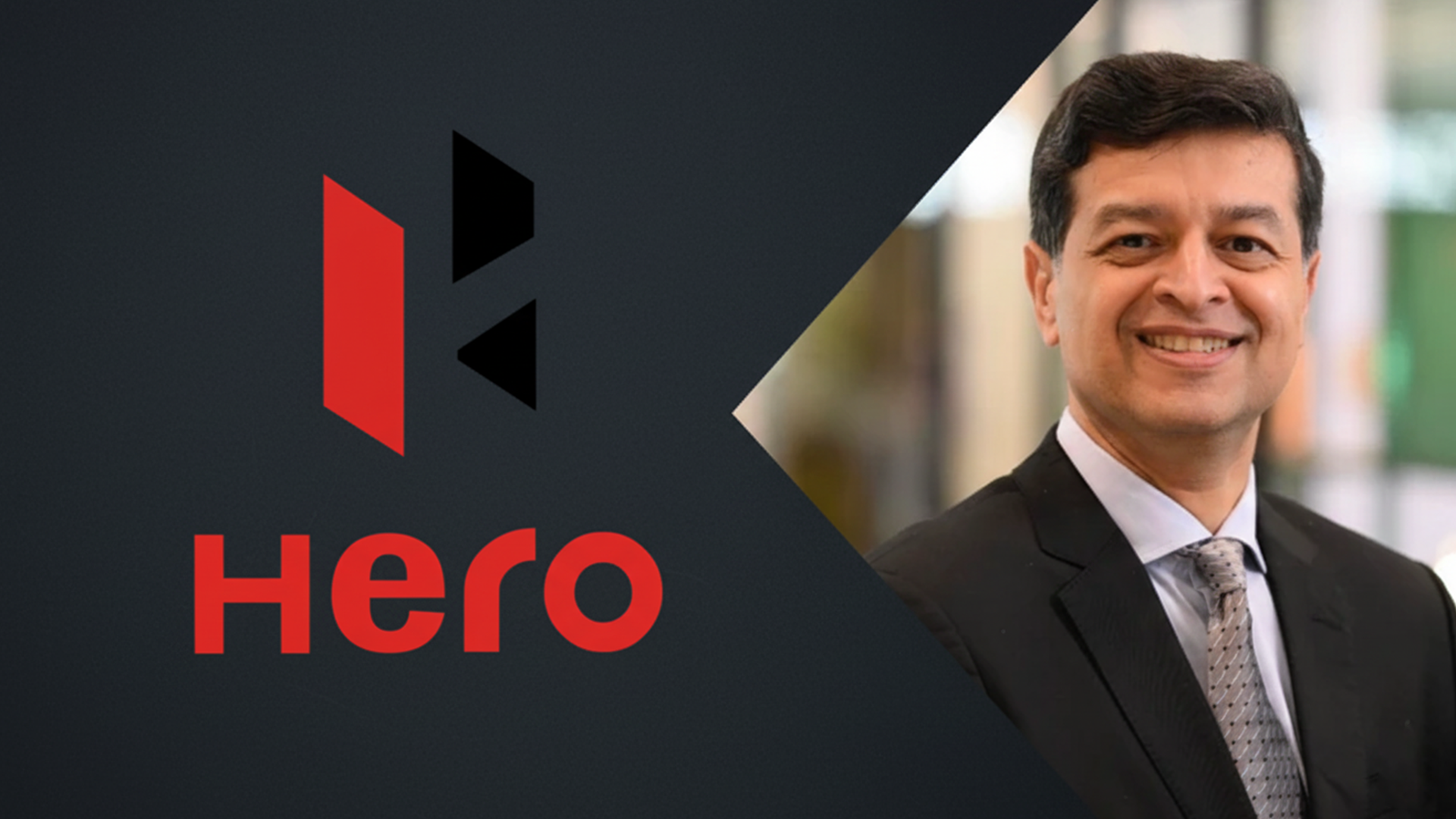
Hero MotoCorp Appoints Harshavardhan Chitale as CEO

Hero MotoCorp Appoints Harshavardhan Chitale as CEO

New leadership to steer Hero MotoCorp’s growth and transformation in electric mobility and digitalization

Staff Writer

Hero MotoCorp has announced the appointment of Harshavardhan Chitale as its new Chief Executive Officer, effective January 5, 2026. Chitale will succeed Vikram Kasbekar, who has been serving as acting CEO since May 2025, following the resignation of Niranjan Gupta. Kasbekar will continue with the company as Executive Director and Chief Technology Officer.

Chitale brings over 30 years of global leadership experience to Hero MotoCorp. He most recently served as Global CEO of Signify’s Professional Business, overseeing 12,000 employees across 70 countries. During his tenure, the business doubled its profitability and launched over 100 new products annually, including IoT-enabled lighting solutions. Before that, Chitale was Vice Chairman and Managing Director of Philips Lighting India, where he successfully led the company’s spin-off into a standalone public entity and strengthened its market leadership. He has also held key leadership roles at HCL Infosystems and Honeywell Automation India.

Commenting on the appointment, Hero MotoCorp Executive Chairman Pawan Munjal said, “Harsh’s outstanding track record in driving growth, fostering innovation, and leading global transformation makes him the ideal leader for Hero MotoCorp at this pivotal moment. His vision and dynamism will accelerate our journey across electric and emerging mobility, premiumization, digitalisation, sustainability, and organisational renewal — shaping the future of mobility and beyond.”

Munjal further noted in a press release that Mr. Chitale’s appointment will accelerate the ‘Splendor’ motorcycle maker’s push into electric and emerging mobility.

The leadership change comes as Hero MotoCorp undergoes strategic transformations, including the planned spin-off of its Electric Vehicle and Emerging Mobility Business Unit into an independent entity starting February 2025. The company is also intensifying its focus on expanding its electric vehicle footprint and enhancing its digital capabilities.

Chitale’s vast expertise in driving global business transformation and fostering innovation is poised to play a crucial role in shaping Hero MotoCorp’s path toward sustained growth and industry leadership.


Categories
Corporate

Karnataka Sanctions Land for India’s First Quantum City in Bengaluru

Karnataka Sanctions Land for India's First Quantum City in Bengaluru

Ambitious Quantum tech hub to drive quantum innovation and boost Karnataka’s $20 billion vision by 2035

Sreelatha M

In a decisive move to cement Bengaluru’s position as a global technology powerhouse, the Karnataka government has approved 6.17 acres of land in Hesaraghatta for the creation of Quantum City (Q‑City) — India’s first dedicated hub for quantum science and innovation. Touted as a game-changer for the country’s tech landscape, the project aims to place India at the forefront of the quantum revolution.

Announced by Science and Technology Minister N. S. Boseraju, the initiative is part of Karnataka’s broader goal to build a $20 billion quantum economy by 2035. The land sanction fulfills a commitment made during the Quantum India Bengaluru Conclave, held earlier this year, where the state unveiled its strategic vision to lead the country in quantum science.

Quantum City is envisioned as a cutting-edge ecosystem bringing together research institutions, startups, and industry leaders. The proposed campus will feature advanced quantum labs, start-up incubation centres, quantum hardware production units, and high-performance computing infrastructure. The goal is to create a platform that supports both fundamental research and real-world applications across computing, cryptography, and secure communication.

Alongside this, the government has also sanctioned 8 acres of land for the expansion of the International Centre for Theoretical Sciences (ICTS–TIFR), reinforcing its commitment to strengthening theoretical research and academic excellence.

Minister Boseraju described the project as a “historic milestone” for the state. “Quantum City will make Karnataka a global destination for quantum innovation. It will attract international talent, foster deep tech start-ups, and reinforce Bengaluru’s status as India’s technology capital,” he said.

The project is expected to accelerate India’s capabilities in emerging technologies and create a strong pipeline of quantum talent through academic-industry partnerships. Further details, including development timelines and collaborations, are expected to be announced in the coming months.

As global interest in quantum technologies intensifies, Karnataka’s Quantum City stands as a bold and strategic step toward securing India’s place in the future of science and innovation.


Categories
Corporate

OYO’s Parent Company Rebrands as PRISM Ahead of Global Growth and IPO

OYO’s Parent Company Rebrands as PRISM Ahead of Global Growth and IPO

PRISM set to bring clarity and focus to OYO’s diverse hospitality and tech ventures

Sreelatha M

In a significant shift signaling its evolution from a single brand into a global hospitality powerhouse, OYO has renamed its parent company from Oravel Stays Limited to PRISM. This rebranding comes as the company gears up for its upcoming initial public offering (IPO) and aims to broaden its presence across a wide range of travel, accommodation, and lifestyle segments worldwide.

Founder and CEO Ritesh Agarwal explained that PRISM reflects the company’s broad portfolio of brands and services, which now includes everything from budget hotels and vacation homes to workspaces and event planning. He emphasised, “PRISM creates a future-ready corporate structure that brings all our businesses under one roof while keeping their unique identities intact.

While PRISM will serve as the corporate umbrella, OYO itself remains the well-known name for travelers seeking affordable, reliable accommodations worldwide. Alongside OYO, the group includes brands like Motel 6, Studio 6, Belvilla, Innov8, and Weddingz. in, each catering to different customer needs and markets.

The name PRISM was chosen after a global contest, attracting thousands of suggestions from employees and partners. It symbolizes the company’s multifaceted approach to travel and hospitality, offering a spectrum of experiences to millions of customers across more than 35 countries.

As Agarwal put it, “This is an exciting new chapter for us, a chance to build a stronger, more diversified company that’s ready for the future of travel.”

Since launching in 2012, OYO has grown rapidly, serving over 100 million customers globally. The rebrand to PRISM is not just about a name change; it marks a strategic shift to support profitable growth, invest in cutting-edge technology, and prepare for the company’s upcoming IPO.


Categories
Corporate

SpiceJet Reports ₹233.8 Crore Loss in Q1 FY26 Amidst Revenue Decline and Rising Costs

SpiceJet Reports ₹233.8 Crore Loss in Q1 FY26 Amidst Revenue Decline and Rising Costs

The airline's operating revenue witnessed a sharp decline of 34.4% year-over-year, falling to ₹1,200 crore from ₹1,825 crore in Q1 FY25.

Amit Kumar

SpiceJet, India's prominent low-cost airline, has reported a significant consolidated net loss of ₹233.8 crore for the first quarter of the fiscal year 2025–26. This marks a substantial downturn from the ₹56.5 crore profit reported during the same period in the previous year.

The airline's operating revenue witnessed a sharp decline of 34.4% year-over-year, falling to ₹1,200 crore from ₹1,825 crore in Q1 FY25. This downturn is attributed to a combination of factors, including reduced passenger demand, increased fuel prices, and operational inefficiencies. The decline in revenue has significantly impacted the airline's profitability, leading to the reported loss.

Several key factors have contributed to SpiceJet's financial challenges. The airline experienced a decrease in passenger traffic, leading to lower load factors and reduced revenue per available seat kilometer (RASK). Rising global crude oil prices have led to higher aviation turbine fuel (ATF) costs, which constitute a significant portion of an airline's operating expenses. Additionally, challenges in fleet management and maintenance have resulted in increased operational costs, further straining the airline's financial performance.

In response to these financial challenges, SpiceJet is implementing several strategic initiatives to stabilize and improve its financial position. The airline is focusing on reducing operational expenses through fuel-efficient flight operations and renegotiating supplier contracts. It is also exploring new revenue streams, including expanding its cargo operations and enhancing ancillary services. Furthermore, the airline is working on optimizing its fleet utilization to improve efficiency and reduce maintenance costs.

SpiceJet's financial performance reflects broader challenges faced by the Indian aviation industry, including fluctuating fuel prices and changing passenger demand patterns. The industry's recovery trajectory remains uncertain, with airlines needing to adapt to evolving market conditions to maintain profitability.

The reported loss in Q1 FY26 underscores the financial challenges confronting the airline. While the company is taking proactive measures to address these issues, the path to recovery will depend on various external factors, including fuel price stability and passenger demand trends. The airline's ability to navigate these challenges will be crucial in determining its future financial performance.

Categories
Corporate

PhysicsWallah Submits Revised DRHP for ₹3,820 Crore IPO; Founders to Sell Shares

PhysicsWallah Submits Revised DRHP for ₹3,820 Crore IPO; Founders to Sell Shares

First Indian edtech startup set to go public as company outlines aggressive offline and hybrid growth plans

Staff Writer

Edtech unicorn PhysicsWallah (PW) has filed an updated Draft Red Herring Prospectus (DRHP) with the Securities and Exchange Board of India (SEBI) to raise ₹3,820 crore through an initial public offering (IPO). The offering will include a fresh issue of shares worth ₹3,100 crore and an offer for sale (OFS) of ₹720 crore, according to regulatory filings.

The OFS will see the company’s co-founders, Alakh Pandey and Prateek Maheshwari, each selling shares worth ₹360 crore. The IPO filing marks a significant step for the company, which had earlier submitted its DRHP through the confidential pre-filing route. SEBI approved the filing on July 18, 2025, allowing the company to move forward with the public process.

PhysicsWallah intends to use a substantial portion of the IPO proceeds to expand its hybrid and offline learning infrastructure. The updated DRHP shows that ₹460 crore has been allocated for the establishment of new centers, while ₹548 crore will be used for lease payments on existing facilities. Additionally, ₹470 crore is earmarked for investments in its subsidiaries, including Xylem Learning and Utkarsh Classes, as well as for acquisitions.

The company plans to spend ₹200 crore on enhancing server and cloud infrastructure and another ₹710 crore on marketing and brand awareness. These allocations reflect a strategic push to strengthen the company’s operational scale and visibility in the increasingly competitive edtech space.

PhysicsWallah’s financial performance in FY25 shows a strong growth trajectory. The company reported a 97% year-on-year increase in revenue, rising from ₹1,940 crore in FY24 to ₹2,886 crore in FY25. At the same time, net losses dropped sharply from ₹1,131 crore in FY24 to ₹243 crore in FY25. The number of offline centers increased rapidly, with a compound annual growth rate (CAGR) of 166% between FY23 and FY25.


On the digital front, the company has built a massive following. Its flagship YouTube channel, “Physics Wallah – Alakh Pandey,” had 13.7 million subscribers as of mid-July 2025, while the broader PW YouTube network reached 98.8 million subscribers by June 30, 2025. The company has positioned itself as a leading player in low-cost, high-reach educational content, particularly in tier-2 and tier-3 cities.

This IPO is among the most anticipated listings in India’s startup ecosystem this year, as it would mark the first public offering by an Indian edtech company.


Categories
Corporate

Adani’s $60 Billion Gamble to Power India’s Future

Adani’s $60 Billion Gamble to Power India’s Future

From lighting up millions of homes with green energy to building the highways of electricity, Gautam Adani’s $60 billion gamble aims to power India’s future and keep the country from ever going dark.

Neelkanth Bose

Imagine India seven years from now. A billion-plus people switching on lights, charging cars, running air-conditioners, powering factories — and all of it without worrying about blackouts. That is the picture Gautam Adani’s group wants to help create — and, for that, it is betting a mind-boggling USD 60 billion (over ₹5 lakh crore) in the country’s energy sector by 2032.

The Green Dream
A big chunk of this money will go into renewable energy — solar and wind. Right now, Adani Green Energy produces around 14 gigawatts (GW) of clean power. To put that in context, 1 GW can light up nearly 7.5 lakh homes. The target is to reach 50 GW by 2030. That is like building the capacity to light up every home in a state as large as Uttar Pradesh.

This will cost USD 21 billion. But the payoff is huge — not just for Adani, but for India’s ambition of becoming a world leader in green energy.

Carrying the Current
Producing power is only half the story. It has to be transported thousands of kilometres to where it is needed. Today, Adani Energy Solutions runs 19,200 km of transmission lines — enough to stretch halfway around the Earth. By 2030, it wants to extend this to 30,000 km, building the backbone that will keep India’s electricity flowing smoothly.

The group will spend USD 17 billion here. Think of it as building the highways of electricity, without which even the cleanest power plants are useless.

Why Coal Still Matters
Adani also knows India cannot switch to renewables overnight. Our industries, railways, and cities still rely heavily on coal-based power. That is why Adani Power, already the country’s largest private thermal producer, will keep expanding. From 17.6 GW today, its capacity will rise to nearly 42 GW by FY32, backed by a USD 22 billion investment.

It may sound old-fashioned, but coal ensures that when demand peaks — on hot summer nights, or during festival seasons — India does not plunge into darkness. As the company puts it, coal is still the “backbone” of India’s baseload power.

Why This Scale of Investment?
Because India’s appetite for electricity is exploding! From 475 GW capacity in 2025, the country is expected to jump to 1,000 GW by 2032. That is more than doubling in just seven years. No other country on Earth is growing this fast.

Renewables will surge from 172 GW to 571 GW, a sector worth USD 300 billion. Thermal power will grow too, needing USD 91 billion more. Transmission lines will expand by 1.5 lakh km, demanding USD 110 billion. All this makes India the world’s most exciting energy market — and India’s biggest power players want to be right at the centre of it.

The Bigger Picture
For India’s power producers like Adani, it is also about scale and vision. By building massive green power plants, strengthening coal where needed, and laying down thousands of kilometres of power transmission lines, the power companies are weaving together the threads of India’s energy future.

For ordinary citizens, this story is not about billions of dollars or gigawatts. It is about more stable electricity at home, less pollution in the air, cheaper power for industries, and millions of jobs created along the way.

Seven years from now, when you flick a switch and the lights come on instantly, chances are a part of that power will be travelling through an Adani line, generated from an Adani solar farm, or backed up by an Adani thermal plant. That is the scale of Gautam Adani’s big gamble.